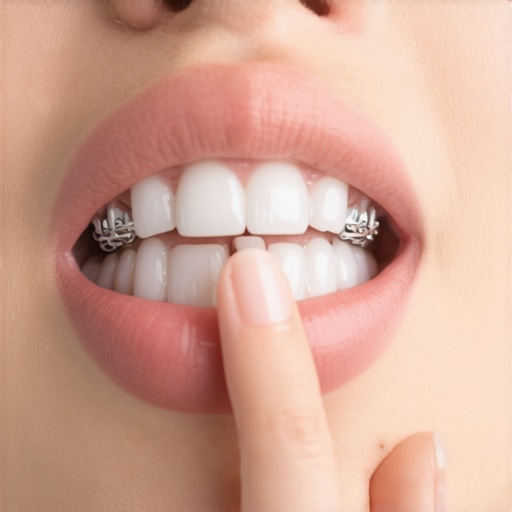
I remember the moment vividly: I was brushing my teeth after a long day, and suddenly, I was hit with a strange, persistent metallic taste. It wasn’t like the usual aftertaste from certain foods—it was almost overwhelming, like I’d just bitten into a spoonful of metal. At first, I brushed it off as a passing oddity, but days turned into weeks, and the taste wouldn’t go away. That lightbulb moment made me realize something was off with my dental crown.
Unveiling the Metallic Mystery
Dealing with a metallic taste is more common than many realize, especially among those with dental restorations like crowns. The good news? This issue isn’t necessarily a sign of something ominous—often, it’s a matter of the materials used or a minor reaction happening beneath the crown. But ignoring it can lead to discomfort and even compromise your oral health over time.
Many folks, myself included, might dismiss this sensation as a benign quirk. But did you know that the metallic taste can sometimes be caused by corrosion of the crown material itself? Dental crowns, especially those made from metal alloys, can undergo some degree of oxidation when exposed to certain foods or saliva. This process releases metal ions into your mouth, which your taste buds detect as that unpleasant metallic flavor.
Early on, I made the mistake of ignoring the problem, thinking it was just a temporary oddity. That was a mistake. By postponing the visit to my dentist, the issue persisted and even worsened. Protecting your oral comfort and health means addressing these signs promptly. Curious if this might be happening to you? Keep reading—I’ll share practical steps on how to tackle this annoyance and ensure your smile stays healthy and fresh.
Inspect Your Dental Crown
Begin by examining your crown regularly for visible signs of damage or corrosion. Use a mirror to check for discoloration, rough edges, or metal shine. I once noticed a tiny dark spot on my lower left crown, which prompted me to take action before it worsened. If you suspect corrosion, avoid chewing on that side and schedule a visit to your dentist immediately.
Practice Precise Oral Hygiene
Meticulous cleaning around the crown prevents plaque buildup that can accelerate corrosion. Use a soft-bristled electric toothbrush to gently clean your gums and crown edges, ensuring no food debris lodges. Consider using interdental brushes or water flossers for hard-to-reach areas. I dedicated extra time to my routine after noticing the metallic taste; this significantly reduced irritation and prevented further metal ion release.
Optimize Your Flossing Technique
Floss carefully around the crown to remove trapped particles, but avoid snapping or forcing the floss, which can loosen the restoration. Regular flossing helps minimize bacteria and plaque that might provoke reactions. When I improved my technique, I noticed a decrease in sensitivity and taste issues within days.
Manage Saliva and pH Levels
Saliva plays a critical role in neutralizing acids and protecting restorative materials. Drink water consistently throughout the day to dilute saliva and reduce acidity. I increased my water intake following recommendations on hydration for healthy gums, which helped ease the metallic sensation. Avoid sugary or acidic foods that can exacerbate corrosion.
Address Underlying Medical Factors
Conditions like dry mouth can intensify metallic tastes. If you experience dry mouth regularly, consult your dentist about saliva substitutes or medications to stimulate production. Also, review your medications for side effects linked to taste disturbances, per insights from dry mouth and tooth decay. Controlling these factors creates a healthier oral environment that minimizes crown-related issues.
Seek Professional Evaluation and Replacement
If symptoms persist despite diligent care, visit your dentist for a thorough assessment. They may perform tests to determine if the crown material has corroded or if other issues are at play. Sometimes, replacing a worn or damaged crown with a new, biocompatible material like zirconia can eliminate metallic tastes and restore comfort. Remember, prompt professional care prevents further damage and ensures your smile remains both healthy and bright.
Many people believe that brushing harder will lead to cleaner teeth, but in reality, aggressive brushing can wear down enamel and damage gums, increasing sensitivity and risk of decay. This misconception often leads to ‘scrubbing’ away at teeth, which does more harm than good. Instead, using gentle, circular motions with a soft-bristled toothbrush is more effective and protective. Additionally, a widespread myth suggests that once you’ve had a professional cleaning, daily brushing isn’t as critical. However, consistent home care is essential to maintain oral health and prevent plaque buildup. Neglecting daily routines can negate the benefits of professional cleanings, leading to tartar accumulation and gum disease. 👩⚕️ Another advanced nuance involves the choice of toothbrush type. Many assume manual brushes are sufficient, but studies show that electric toothbrushes with oscillating-rotating actions can remove plaque more effectively, especially if you have braces, crowns, or implants. Be aware that some think dental floss isn’t necessary if you use mouthwash regularly, but flossing reaches areas that rinses simply can’t, removing debris and plaque between teeth to prevent cavities and gum disease. An often-overlooked mistake is neglecting the importance of water intake for oral health. Dehydration reduces saliva production, impairing natural cleansing processes and increasing cavity risk. Drinking adequate water, particularly after meals, helps neutralize acids and wash away food particles, supporting enamel integrity. Understanding these nuances can significantly improve your oral health outcomes. Have you ever fallen into this trap? Let me know in the comments! For deeper insights, check out how proper hydration impacts gum health and the longevity of dental restorations.Maintaining your oral health, especially when dealing with crowns and restorations, requires the right tools and methods to ensure long-term success. I personally swear by certain dental devices that have revolutionized my daily routine, making upkeep efficient and effective. One such essential is the **electric toothbrush with oscillating-rotating action**, like the Philips Sonicare DiamondClean. Its superior plaque removal capability helps prevent corrosion around crowns and keeps gums healthy. I switched to it after reading a study highlighting its edge over manual brushes in reducing gingivitis and plaque, especially for those with restorations (source: https://periodontistcare.com/why-electric-toothbrushes-are-worth-the-extra-money). Using an electric brush reduces the need for aggressive scrubbing, which can wear down delicate crown margins over time.
In addition to brushing, I highly recommend a **water flosser**, such as the Waterpik WP-662, because it delivers a gentle yet thorough clean between teeth and around crowns. Unlike traditional floss, it also reaches under bridges and in hard-to-access posterior areas—a crucial factor in preventing secondary decay and crown failure. I personally find it especially helpful in managing dry mouth, which can exacerbate corrosion, as discussed in https://periodontistcare.com/the-link-between-dry-mouth-and-rapid-tooth-decay.
To keep my sense of freshness and avoid metallic tastes, I incorporate a **mouthwash formulated for crown wear**, like those containing stabilizing agents that protect enamel and restorative materials. When choosing a mouthwash, I look for one that’s alcohol-free and approved for sensitive or restored teeth, which I explore more in https://periodontistcare.com/how-to-choose-the-right-mouthwash-for-your-specific-dental-needs.
Maintaining your tools is equally vital. I regularly replace my electric toothbrush head every three months and clean my water flosser nozzles with vinegar to prevent bacterial buildup.
Looking ahead, I predict that smart toothbrush technology, integrated with app-based monitoring, will become the norm, prompting personalized feedback that boosts compliance and results. This trend aims to make daily maintenance even more tailored and proactive.
How do I keep my crown and oral health in top shape over the years?
Consistent hygiene practices, regular dental visits, and the right tech tools—like a quality electric toothbrush and water flosser—are game changers. Also, always stay aware of your hydration levels, as saliva plays a vital role in protecting your restorations and preventing corrosion. For hydration tips tailored to oral health, check https://periodontistcare.com/how-much-water-you-actually-need-to-drink-for-healthy-gums. Incorporate these tools into your routine, and you’ll extend the lifespan of your crowns while maintaining overall oral wellness. Give the electric toothbrush a try today and experience the difference firsthand.
Lessons from My Dental Journey That Changed Everything
One of the biggest lessons I learned about maintaining crowns is the importance of early detection. Waiting until problems become obvious only complicates matters—schedule regular check-ups to catch issues before they worsen. I also discovered that not all dental materials respond the same way; choosing biocompatible, corrosion-resistant crowns like zirconia can save you from metallic tastes and discomfort. Finally, I realized that a tailored oral hygiene routine and hydration are your best allies in preserving your crown’s integrity and your overall oral health.
My Go-To Resources for Dental Confidence
When I dove deep into crown care and oral health, I turned to trusted tools and insights that truly made a difference. The electric toothbrush with oscillating-rotating action became my favorite for gentle yet effective cleaning, preventing corrosion and plaque buildup. For maintaining interdental spaces, the water flosser transformed my routine, especially around crowns. I also rely on quality mouthwashes tailored for restorations from reputable brands, ensuring I protect my smile daily. These tools, combined with regular dental visits, provide a comprehensive approach that has kept me comfortable and confident in my dental health.
Your Next Step Toward a Brighter Smile
Investing in your oral health today can prevent complex issues tomorrow. Remember, addressing metallic taste or crown discomfort early on ensures lasting comfort and function. Embrace a proactive routine, utilize reliable tools, and don’t hesitate to seek professional guidance when needed. Your smile is worth the effort—shine confidently by taking action now. Have you experienced unexpected metallic tastes or crown concerns? Share your story below and join the conversation—you’re not alone in this journey!