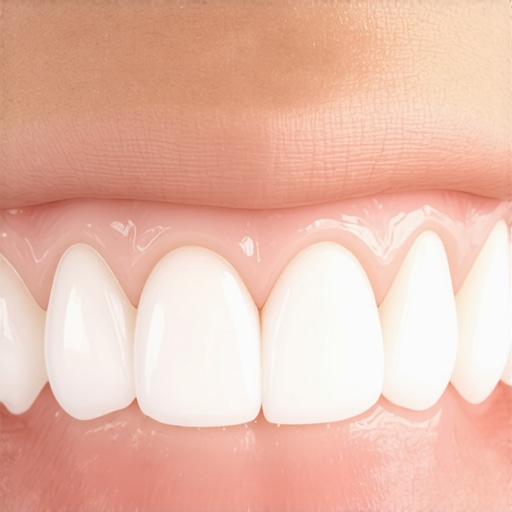
Have you ever left the dentist’s office feeling confident about your bright, white smile, only to notice it fading just a few days later? I know that disappointment all too well. I remember the first time I tried professional whitening, excited to show off my luminous grin, but within a week, those yellowish tints crept back, making me wonder if the treatment was worth it. That lightbulb moment made me realize that maintaining a white smile is an ongoing effort, not just a one-time procedure.
Why Preserving Your Bright Smile Is More Than Just Aesthetic
It’s easy to focus solely on the immediate results of whitening treatments, but the real challenge lies in maintaining that sparkle over time. I quickly learned that lifestyle choices, daily habits, and even certain dental products can dramatically influence how long your whitening lasts. After exchanging tips with my dentist and doing my own research, I discovered simple yet effective strategies to prolong that freshly whitened look. If you’ve ever felt frustrated when your white smile starts to fade, you’re not alone—but there’s good news. With the right approach, you can keep your teeth shining bright for months longer than you’d expect.
Is Over-the-Counter Products Worth the Hype?
You’re probably wondering if all those whitening toothpaste and strips are just a waste of money. Trust me, early on I thought brushing with whitening toothpaste alone would do the trick. Turns out, I was making a common mistake—believing that a regular toothpaste or DIY hacks could match the results of professional whitening. To really understand what works and what doesn’t, I suggest reading this detailed comparison of over-the-counter vs. professional options, and avoiding methods that could actually harm your enamel, like excessive charcoal use. For more insights, check out [Why Charcoal Toothpaste Might Be Thinning Your Enamel](https://periodontistcare.com/how-to-choose-the-right-mouthwash-for-your-specific-dental-needs).
Now that we’ve uncovered the common pitfalls and set realistic expectations, let’s dive into the specific habits you can adopt right now to help your smile stay dazzling. From proper oral hygiene techniques to dietary tips, these steps will empower you to preserve that beautiful, white smile for years to come.
Nail Down Your Daily Routine for Teeth Preservation
Start with meticulous brushing twice a day using a soft-bristled electric toothbrush to mimic a gentle massage that cleans without harming your enamel. I remember the first time I switched to an electric toothbrush; it felt odd at first, like learning to ride a bike again, but within a week, I noticed my teeth felt cleaner and my gums less irritated. Be sure to move the brush in small, circular motions, covering all surfaces of each tooth, and spend at least two minutes each session. This approach effectively loosens plaque, preventing stains and decay, and keeps your whitening results vibrant longer.
Implement Precise Flossing Techniques
Floss daily to remove debris and plaque from between your teeth—areas your toothbrush misses. I struggled with flossing, often skipping days, until I discovered floss picks made it easier to reach those tight spaces, especially near crowns and braces. Slide the floss gently between teeth, curving it into a «C» shape around each tooth and moving it up and down. Regular flossing prevents gum disease and decay that can dim your post-whitening sparkle, so treat it as essential as brushing. To maximize gum health, avoid snapping the floss or causing minor bleeding, which indicates inflammation.
Choose the Right Oral Hygiene Products
Not all toothpaste is created equal. Opt for a fluoride-containing toothpaste designed for whitening or sensitivity, depending on your needs. I experimented with different brands, finally settling on one that balanced whitening power with gentle abrasiveness. Beware of overuse of abrasive products like charcoal, which can thin your enamel over time—check out [this article](https://periodontistcare.com/the-gritty-truth-about-natural-whitening-toothpastes) to understand the risks. Incorporate mouth rinses with antibacterial properties to control plaque—just avoid rinsing immediately after brushing, as it washes away the fluoride that protects your teeth.
Pay Attention to Special Dental Restorations
If you have crowns, veneers, or bridges, treat them with care. Use a toothbrush with softer bristles and learn how to clean crowns without scratching the porcelain; see [how](https://periodontistcare.com/how-to-clean-a-dental-crown-without-scratching-the-porcelain). Regular flossing around these restorations maintains gum health and prevents staining at the margins. Avoid using toothpicks or sharp instruments that could damage the surfaces; instead, opt for interdental brushes designed for delicate cleaning. These habits prolong the aesthetic and functional lifespan of your restorations.
Control Dietary Stains and Acids
Limit foods and drinks that stain or erode enamel. Coffee, tea, berries, and red wine are common culprits. When consuming them, use a straw to minimize contact with your teeth—or rinse with water afterward. Also, be cautious with acidic beverages like citrus or soda; they soften enamel temporarily, making it prone to staining and etching. To neutralize acids, wait about 30 minutes before brushing—this prevents further enamel erosion. For tips on managing acid exposure, visit [this guide](https://periodontistcare.com/how-to-protect-your-enamel-from-acidic-morning-smoothies).
Schedule Regular Dental Check-Ups
Consistent professional cleanings remove tartar and monitor your oral health. When I neglected my biannual visits, plaque buildup and tiny chips went unnoticed, leading to more extensive work later. Dentists can also spot early signs of cavities or gum disease that threaten your whitening efforts. If you notice white spots or other irregularities, don’t delay—check out [how to tell if that white spot on your tooth is a cavity](https://periodontistcare.com/how-to-tell-if-that-white-spot-on-your-tooth-is-a-cavity). Keep your appointments, and your smile will reflect your commitment to health and beauty.
Be Mindful of Habits That Damage Teeth
Avoid habits like nail-biting, chewing on ice, or opening packages with your teeth. These actions exert unnecessary force that can crack enamel or dislodge restorations. I once accidentally chipped a front tooth by biting into a hard candy—an experience that taught me to choose safer ways to satisfy cravings. If you grind your teeth at night, consider a custom-nightguard to prevent wear. These small adjustments make a significant difference in maintaining your bright smile over time.
By adhering to these precise steps—meticulous daily hygiene, careful product selection, safeguarding dental work, moderating dietary habits, scheduling professional visits, and avoiding destructive habits—you set your teeth up for lasting whiteness. Remember, the key to a brighter smile isn’t just in the treatment but in your consistent commitment to care and prevention.
Why Common Beliefs About Teeth Cleaning Might Be Misleading
Most of us grow up hearing that brushing twice daily and flossing are enough to maintain a healthy smile. While these habits are foundational, they often mask nuanced pitfalls that can undermine your oral health. A widespread misconception is that rigorous brushing deters all plaque buildup, but overbrushing or using abrasive toothpaste—like some charcoal variants—can actually erode enamel over time. For instance, natural whitening toothpastes with high abrasiveness may seem effective but pose the risk of thinning enamel, making your teeth more susceptible to decay.
Beware the Trap of Overlooking Dental Restorations
Many assume that crowns, veneers, and bridges require no special care, but subtle mistakes can cost you dearly. For example, using a hard-bristled toothbrush or sharp objects near restorations can cause chips or scratches, diminishing their aesthetic appeal. To keep dental work pristine, learn the proper cleaning methods and avoid damaging your crowns or veneers.
Advanced Toothbrush Techniques That Make a Difference
Many underestimate the importance of technique. Just brushing harder isn’t the answer; adopting a gentle, circular motion maximizes plaque removal while safeguarding enamel and gums. Electric toothbrushes with speed and oscillation features can enhance cleaning efficacy—yet, improper use can be counterproductive. For detailed guidance, check out this expert-approved method.
How Do Hidden Factors Affect Long-Term Oral Health?
Beyond daily habits, subtle factors impact your oral well-being. Dry mouth, for example, can accelerate decay, yet many overlook hydration or medications that cause xerostomia. Additionally, low-grade inflammation from gum disease might seem insignificant but is linked to systemic issues like heart disease—underscoring the importance of early intervention and professional assessments. Ensuring your practice incorporates regular check-ups is critical, as emphasized in the hidden costs of neglecting routine cleanings.
What Most People Get Wrong About Family Dentistry and Crowns
People often believe that once a crown is placed, little maintenance is required—this is a dangerous misconception. Failures in cleaning around crowns or neglecting the margins can lead to decay beneath restorations, risking replacement or significant damage. Proper care involves meticulous cleaning with the right tools and techniques. For example, learning how to clean crowns effectively can extend their lifespan and preserve both function and appearance.
Have you ever fallen into this trap? Let me know in the comments—understanding these nuances can save your teeth more than you realize. Remember, real dental health isn’t just about the practices you think are enough, but about mastering the subtler details that keep your smile truly radiant and healthy.
How do I keep my dental tools in top shape over time?
Investing in quality dental tools is essential, but their longevity depends heavily on proper maintenance. I personally prefer using ultra-soft toothbrush heads for electric brushes, such as the Oral-B iO, because they’re gentle on gums yet effective at plaque removal. Regularly rinsing the heads with warm water and replacing them every three months prevents bacterial buildup and ensures optimal cleaning. For floss, I recommend waxed floss to reduce fraying and make sliding between teeth smoother, especially around crowns or restorations.
What are my go-to software or apps for tracking oral health?
Digital tools can help maintain consistent oral hygiene routines. I use the mySmile Tracker app, which reminds me daily about flossing and brushing times. Some apps even allow you to upload photos of your smile to monitor changes over months, making it easier to spot early signs of staining or deterioration. As technology advances, I predict more AI-driven diagnostics will become available, offering personalized advice based on your dental history, which we’ll see gaining popularity in the next few years.
What practices ensure long-term results from crowns and restorations?
Consistent care extends the life of crowns and veneers. I always emphasize gentle cleaning around restorations to prevent abrasion or damage. Using specialized crown-cleaning brushes helps avoid scratches that could lead to staining or bacterial buildup at the margins. Regular check-ups with your dentist, ideally twice a year, catch early issues like leaks or decay beneath the restoration. Additionally, avoiding abrasive toothpaste or DIY whitening methods around crowns preserves their integrity and appearance.
Maintenance strategies for long-term oral health
Long-term success relies on consistent habits. For example, I personally schedule biannual professional cleanings and follow all dentist recommendations diligently. When it comes to scaling and polishing, professional tools like ultrasonic scalers effectively remove tartar without damaging enamel, as shown in detailed technical reviews (additional resource). Incorporating high-quality water flossers like the Waterpik not only improves interdental cleaning but also reduces gingivitis progression. To stay ahead, I plan to explore emerging AI-powered mobile health platforms that could soon offer real-time monitoring of oral health parameters—making maintenance more personalized and proactive than ever.
Technological growth and future trends
Looking ahead, we can expect innovations like smart toothbrushes with built-in sensors that analyze brushing patterns, ensuring comprehensive cleaning. Also, 3D scanning and printing may revolutionize how tailored dental appliances, like crowns and aligners, are produced, leading to faster turnaround times and better fit. As these tools become more affordable, integrating them into daily routines will become standard practice, boosting long-term health outcomes. If you’re eager to start upgrading your toolkit, I recommend trying out a high-quality electric toothbrush with real-time feedback—your smile will thank you.
The Most Unexpected Lessons About Long-Term Smile Preservation
One of the biggest revelations I had was realizing that many of the conventional wisdoms about teeth care are oversimplified or even misleading. For instance, I used to believe that simply brushing twice a day and avoiding sweets were enough to maintain my whiteness—only to find out that habits like aggressive brushing or using abrasive toothpaste could do more harm than good. This lightbulb moment taught me that effective dental health is about balance and understanding the subtle nuances of oral care, not just surface-level routines.
I also learned the importance of paying close attention to dental restorations. Crowns and veneers aren’t just set and forget—they require gentle handling and specialized cleaning to stay looking natural and function properly. I discovered that a soft-bristled brush paired with specific techniques makes all the difference in extending their lifespan, which is a tip I now share with everyone looking to preserve their investment in their smile.
Another insight was realizing how dietary acids and stains sneak in unnoticed. It’s not just about avoiding coffee or berries, but also about timing—waiting before brushing after acidic foods to protect sensitive enamel. Small adjustments like sipping through a straw or rinsing with water can prevent staining and erosion, truly helping your whitened smile last longer.
My Favorite Tools and Resources for Lasting Oral Health
Over the years, I’ve curated a set of trusted tools that genuinely help me maintain my bright smile. First, my electric toothbrush from a reputable brand offers gentle yet thorough cleaning, especially when I use circular motions. Coupled with waxed floss I found easy to maneuver, I can reach places that tend to trap plaque and stains, notably around crowns and between teeth.
In terms of products, I swear by a fluoride toothpaste designed for whitening but gentle on enamel. I avoid harsh substances like charcoal, which can thin your enamel prematurely, and stay updated with research-backed advice on safe whitening practices. Additionally, mouth rinses with antibacterial properties help me keep bacterial buildup at bay, especially when used correctly—waiting a bit after brushing to maximize fluoride retention.
Beyond tools, I rely heavily on credible sources like specialized cleaning techniques for crowns and early signs of cavities. Staying educated empowers me to make smarter choices daily, which has made a tangible difference in my dental health.
Lastly, I keep up with innovations like appointment apps and diagnostic tools that flag issues early. These resources allow me to stay proactive and adapt my routine as needed, reinforcing that maintaining a bright, healthy smile is a continuous journey filled with learning and personal growth.
Keep Your Sparkling Smile Alive: Embrace the Future
The journey to lasting dental health and a dazzling smile isn’t a one-time effort—it’s a lifestyle. With a blend of gentle care, smart product choices, and a curious mindset, you can keep your teeth radiant for years to come. Remember, every small step adds up, and investing in your oral health today pays dividends in confidence and well-being tomorrow.
What habits have you found most effective in preserving your smile? Share your tips in the comments—I love hearing how others are making their dental routines work for them!