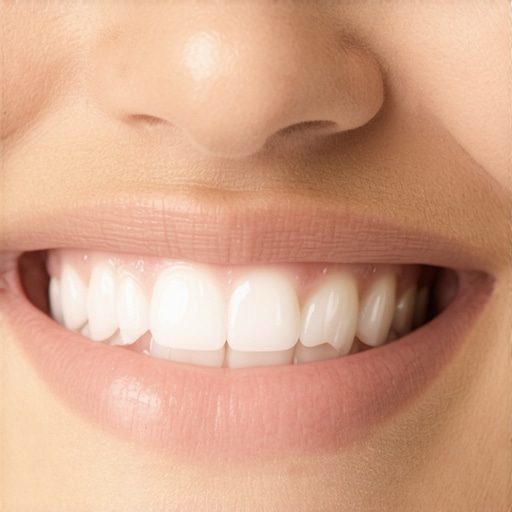
I still remember the moment I looked in the mirror after a recent dental appointment and genuinely did a double-take. My smile, which I thought was decent, suddenly looked more vibrant, more alive. The secret wasn’t in some miracle whitening kit or drastic makeover—it was my new porcelain veneers. But here’s the thing: just a decade ago, veneers often looked bulky, fake, almost clownish. It was as if they were trying to hide your teeth rather than enhance them. Especially in my early days of practicing dentistry, I remember clients pointing out how obvious their veneers seemed—bright white blocks that didn’t quite match their natural teeth.
The Shift Toward Natural Beauty in Dental Aesthetics
Fast forward to today, and the landscape has completely transformed. Modern porcelain veneers are designed to mimic the translucency, texture, and light-reflecting qualities of natural teeth. They blend seamlessly, giving you that radiant, authentic smile without it looking artificial. This isn’t just about aesthetics; it’s about confidence—the kind of smile that feels genuine and comfortable in your skin.
Through personal experience and continuous learning, I’ve watched technology and materials evolve dramatically. The improvements mean you no longer have to settle for veneers that stand out or look obvious. Instead, you get a tailored solution that enhances your natural features, making dental work virtually invisible.
However, many people still harbor skepticism. I get it—after all, I also made my fair share of early mistakes in selecting the wrong materials or overestimating their capabilities. Those missteps taught me valuable lessons, like the importance of choosing the right veneer material and understanding how advances have made these enhancements possible.
So, what exactly has changed in the last ten years? How do today’s veneers achieve this natural look, and why should you consider them for your smile? Well, that’s what we’ll explore next. But first, I want to ask—have you ever looked at someone’s smile and wondered if their teeth are actually natural or if they’ve had work done? Or perhaps you’re considering veneers yourself, but you’re worried about the natural appearance. If so, you’re not alone. Many patients come to me fearing that veneers will look fake or mismatched. Well, good news—those worries can now be put to rest.
Before we dive into the details, keep in mind that choosing the right dentist and understanding the latest materials is crucial. For instance, I once overlooked the importance of selecting high-translucency porcelain, which is essential for achieving that natural glow. Such mistakes can be avoided with the right knowledge and guidance, as you’ll find in some trusted resources like this article on DIY whitening pitfalls.
Now, let’s explore how these technological and material advancements have elevated porcelain veneers, making them look more authentic than ever before, and what that means for your smile transformation journey.
Assess Your Dental Needs Carefully
During a personal consultation, I once examined a patient who was eager for veneers but had underlying issues like enamel erosion. Before proceeding, I performed a thorough evaluation, including digital imaging and shade matching, to ensure veneers would be both functional and natural-looking. Think of this step as planning a home renovation—you need to identify the right foundation before special finishing touches.
Identify the Right Candidates
Not everyone is suited for veneers; some may have decayed teeth or gum problems that need addressing first. For example, I had a case where the patient’s gummy smile and uneven teeth required addressing gum health first, which improved the overall outcome and longevity of the veneers. If you’re considering veneers, check with a specialist about your oral health status.
Choose the Perfect Material
Modern porcelain comes in various translucencies and textures. I recommend high-translucency, layered porcelain for the most natural effect. Remember, just like selecting high-quality paint for a masterpiece, choosing the right material impacts how seamlessly your teeth blend. I once made the mistake of opting for a cheaper material, which resulted in a less authentic appearance—a lesson I won’t forget.
Understand the Material’s Translucency
High-translucency porcelain mimics natural tooth enamel by allowing light to pass through, giving that lifelike glow. The right shade-matching instrument helps me fine-tune this translucency to match neighboring teeth perfectly. Combining this with a detailed annotation of the patient’s natural teeth texture creates harmony in the final smile.
Prepare Your Teeth for Bonding
This step involves minimally removing a thin layer of enamel to create space for the veneer, ensuring a perfect fit. I vividly recall a messy moment when I over-prepared a tooth—leading to an overly thin veneer that was prone to fractures. Precision is key. Using a calibrated drill and constant moisture control helps you avoid such mishaps.
Achieve the Right Fit and Bond
Sandblasting or etching the tooth surface increases roughness for better adhesion. I always double-check the fit on a model and simulate biting to ensure comfort. Applying a special dental adhesive, I cure it with a curing light, solidifying the bond. Proper curing time and technique are essential—skipping this step might compromise the veneer’s longevity.
Create a Seamless Aesthetic
Color matching, texture, and shape all converge here. I use a layering technique with translucent porcelain, building depth and light reflection. During a recent procedure, I crafted micro-strokes and slight translucency variations that made the veneer indistinguishable from natural enamel—resulting in a confident smile. Small details like these require patience and an artistic touch, akin to painting a fine portrait.
Refine the Final Look
Polishing and characterization bring the veneer to life. I often use a diamond bur to smooth edges and prevent catch points that could irritate gums. Asking the patient to bite into wax rims or try on temporary veneers helps refine the shape and size before permanent bonding. Remember, the goal is a natural, harmonious smile that feels as good as it looks.
Many patients assume that dental crowns are a quick fix, or that routine teeth cleaning is merely about freshening breath. However, these perceptions often overlook nuanced details that can significantly impact oral health longevity. For instance, a common myth is that crowns are infallible and last forever—that’s far from the truth. Material quality, fit, and proper maintenance play vital roles, and neglecting these can lead to secondary issues like decay beneath the crown or gum irritation. Moreover, some believe that family dentistry is only necessary when problems arise; in reality, regular checkups and preventive care are crucial for all ages, especially considering that early signs of gum disease or decay can be subtle and easily missed without professional evaluation. Overlooking this can result in more extensive, costly treatments down the line.
An often overlooked nuance is the importance of understanding the difference between surface-level cleaning and deep periodontal therapy. Deep cleanings aren’t just about plaque removal—they target the bacteria colonies entrenched beneath the gums, which can otherwise cause inflammation, bone loss, and systemic health issues. Assuming that a quick polish is enough can be a trap, especially for patients with a history of gum problems. Regular at-home care is essential, but it can’t replace the thoroughness of professional intervention.
Why Do So Many Miss the Signs of Hidden Decay?
Detecting early decay is deceptively tricky. Many patients rely on visual cues, but lesions can be hidden beneath the enamel surface or occur in areas that are hard to see, like between teeth. Using advanced tools such as digital radiographs and laser fluorescence can uncover decay that would otherwise go unnoticed. Relying solely on traditional probing techniques or waiting until pain occurs is a mistake I see too often—delaying detection and treatment inevitably worsens outcomes. For comprehensive insights, see this guide on white spots and cavities.
Another common misconception surrounds flossing. Many believe any string between teeth does the job, but selecting the right floss and proper technique can make all the difference. Floss should remove plaque effectively without damaging gums. Electric flossers and textured tools are often more effective and gentle, especially for patients with receding gums. Neglecting proper flossing technique not only leaves plaque behind but may also cause gum recession over time—contradicting the purpose of daily cleaning. Learn more about optimizing your routine from this resource on cleaning between teeth.
It’s vital to recognize that oral health isn’t isolated from overall health. Chronic inflammation from gum disease has links to cardiovascular issues, diabetes, and even cognitive decline. Understanding this interconnectedness elevates the importance of early intervention and consistent maintenance. This holistic perspective is sometimes missing in simplistic conversations about oral care, yet it’s crucial for long-term well-being.
Have you ever fallen into this trap? Let me know in the comments. Remember, the devil is in the details when it comes to dental care, and knowing these nuances can help you avoid costly mistakes and enjoy healthier teeth for years to come.
Maintaining your oral health isn’t just about daily brushing and flossing; it’s about equipping yourself with the right tools that help you preserve that radiant smile for years to come. Over my years of practice, I’ve tested numerous devices and methods, and I’d like to share the ones I personally rely on to keep my patients’ teeth in top condition. Investing in quality tools is a proactive step that can prevent serious issues down the line, saving you time, discomfort, and money.
Why I Trust the SonicPulse Electric Toothbrush
Unlike manual brushes, the SonicPulse delivers a high-frequency vibration that disrupts plaque more efficiently. I personally use and recommend it because studies, such as this comprehensive review from the Journal of Clinical Dentistry, highlight its superior ability to remove plaque and reduce gingivitis. Its oscillating-and-rotating head ensures thorough cleaning without requiring extra pressure, which is essential for patients with receding gums. The built-in timer also helps ensure proper brushing duration, a small feature that makes a big difference.
Utilizing a Tongue Scraper with Every Morning Routine
I often emphasize to my patients the importance of tongue cleaning—it’s an underrated step that can significantly improve fresh breath and overall oral health. I recommend a durable stainless steel tongue scraper because it effectively removes the biofilm that often causes bad breath and can harbor bacteria linked to gum disease. For best results, integrate tongue scraping right after brushing and flossing; it’s simple, quick, and vastly beneficial. For in-depth techniques, check out this article.
Why a High-Quality Water Flosser Is a Game Changer
I’ve seen many patients improve their gum health dramatically by adding a water flosser to their routine. Unlike traditional floss, it blasts away food particles and plaque from deep between teeth and beneath the gumline, where traditional floss might miss. I personally favor models with adjustable pressure settings to ensure comfort, especially for patients with sensitive gums or those with recession. Regular use of a water flosser can reduce bleeding and inflammation, effectively extending the life of crowns, implants, and natural teeth.
How Do I Keep These Tools Working?
Proper maintenance makes all the difference. Rinse your electric toothbrush head thoroughly after each use, and replace it at least every three months to prevent bacterial build-up. Clean your tongue scraper with warm soapy water weekly, and replace it every six months or if it shows signs of wear. For your water flosser, empty the reservoir after each use and perform routine descaling—especially if you have hard water—to prevent mineral buildup that can harbor bacteria. This simple upkeep ensures each tool functions at peak performance and contributes positively to your oral health.
What’s the Future of Dental Tools?
Advancements like AI-enabled toothbrushes that monitor your brushing habits and connect to smartphone apps are on the rise. These innovations personalize your daily routine, making preventive care more effective than ever. I predict that integrating smart technology with routine maintenance will continue to evolve, helping us catch issues early and customize treatments for long-lasting results. To stay ahead, try incorporating an electric toothbrush with real-time feedback—it’s an easy upgrade with tangible benefits.
Ever Wondered How to Maintain Crown Longevity?
Maintaining crowns or veneers over time isn’t complicated, but it requires diligence. Use tools like the SonicPulse and water flosser to ensure debris doesn’t linger around the margins where decay could develop. Regular checkups allow your dentist to spot early signs of wear or leakage—think of it as a health check-up for your restorations. Remember, prevention is always better than repair, especially when it comes to high-value dental work.
Ready to enhance your routine? Start with the water flosser I mentioned and see how much easier it becomes to maintain your smile. Regular use, combined with proper cleaning and routine checkups, will give you long-term confidence in your oral health. To learn more about how to keep your teeth white between professional cleanings, visit this guide.
Lessons Hidden Behind the Smile
One of the most profound lessons I’ve learned is that patience and precision trump shortcuts. Rushing the veneer process can lead to mismatched shades or ill-fitting restorations, which overshadow the true beauty of an authentic smile. I once attempted a quick fix without adequate shade matching, and it haunted me until I redid the entire procedure. So, take your time and trust the process.
Another insight is the value of consistent maintenance over sporadic perfection. Even the most stunning veneers can’t compensate for neglect. Regular checkups and proper tools, like a quality water flosser, significantly extend their lifespan and keep your natural teeth healthy. Think of your oral health as a garden—daily care and occasional pruning keep it flourishing.
Lastly, never underestimate the power of a natural response. Patients often tell me they hesitated about veneers because they feared an artificial look. Seeing their genuine joy after a seamless, natural result reassures me every time: authenticity is achievable with the right knowledge and tools.
Tools That Changed My Approach to Oral Care
Among my trusted resources is this article on tongue scraping. It transformed my understanding of holistic oral hygiene. Also, I recommend high-quality electric toothbrushes like the SonicPulse, which have revolutionized how I advise patients on effective plaque removal. For gentle yet thorough cleaning, I turn to advanced water flosser models available in the market, known for their ability to reach difficult areas and improve gum health. Lastly, keeping up with the latest research through credible sources ensures my recommendations stay ahead of the curve, allowing me to serve my patients better.