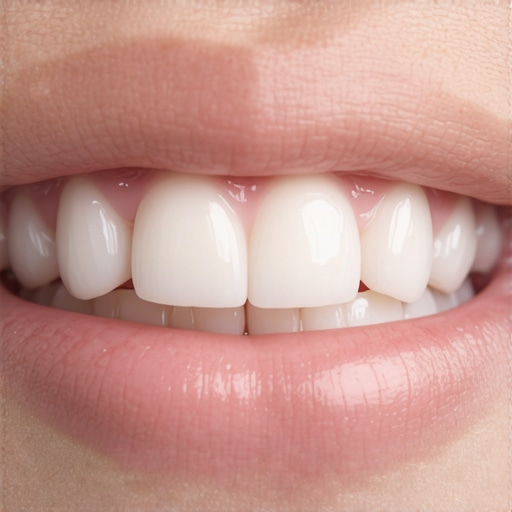
I remember the exact moment I realized I might have been doing more harm than good with those quick-fix whitening strips I bought online. My gums felt sensitive, swollen even, and I brushed it off as temporary irritation. But as days went by, the discomfort grew, and eventually, a small bleed after brushing made me pause and wonder—am I risking my oral health for a brighter smile?
Why DIY Whitening Kits Might Be Sabotaging Your Smile
In my early days of trying to get rid of stains quickly, I ignored the warnings about over-the-counter whitening products. The truth is, many of these kits contain high concentrations of bleaching agents that aren’t suitable for everyone, especially those with sensitive gums or compromised oral health. Overuse or improper application can cause chemical burns, gum recession, or even permanent damage to your gum line. I learned this the hard way, and so can you, if you’re not cautious.
Is Your Quick Fix Worth the Long-Term Damage?
I’ve seen friends rush to whiten their teeth before a big event, only to end up with painful gums or worse—a lasting recession that no cosmetic procedure can fix. The mistake I made early on was neglecting the fact that these products weren’t personalized or monitored by professionals. The result? Increased sensitivity, uneven whitening, and a higher risk of gum damage. If you’re contemplating DIY solutions, consider whether you’re truly aware of the potential risks involved. For more insights, you might want to read about why your gums bleed when brushing too fast—a common sign of gum stress that could be exacerbated by harsh whitening agents.
Today, I’ll walk you through how to tell if your DIY whitening routine is a safe choice and what healthier alternatives you can consider. Protecting your gum line isn’t just about brushing better—it’s about understanding your teeth and gums, and knowing when to seek professional help. Let’s start by examining that common fear many have—
Assess Your Oral Health Before Starting
Start by evaluating if your gums are healthy enough for whitening. Look for signs like redness, swelling, or bleeding when brushing or flossing. If you notice any of these, it’s better to consult a dentist first. Skipping this step can risk aggravating pre-existing issues and cause unnecessary damage.
Choose a Gentle Whitening Product
Select a whitening kit designed for sensitive gums or one with lower peroxide concentrations. Avoid products with harsh chemicals. Personally, I once bought a popular whitening strip online without reading its ingredients, resulting in gum irritation. Instead, opt for natural or less abrasive options like natural whitening toothpastes, which gently whiten without compromising gum health.
Apply Products Correctly to Minimize Risk
Metaphorically, think of your gums as Delicate Plant Roots—they need careful handling. Use a small amount of gel or paste, and avoid applying too close to the gum line. Using a finger or a soft applicator ensures precise placement. Remember, over-application can lead to burns or recession. I once tried to speed up my whitening process and ended up with sensitive gums for days. Taking your time pays off.
Limit Duration and Frequency
Follow the recommended duration—usually 15-30 minutes—and do not extend the time. Do whitening in cycles, with breaks of at least a week. Frequent use of whitening strips increases the risk of gum damage. I learned this the hard way after a week of daily usage, experiencing persistent irritation and increased sensitivity.
Maintain Proper Oral Hygiene Throughout the Process
Brush gently with a soft-bristled brush, and consider soft-bristled brushes. Floss with care to avoid trauma. Maintaining good oral hygiene supports whitening results and prevents plaque buildup that could complicate recovery. I realized that aggressive brushing post-whitening can worsen sensitivity—being gentle helps heal your gums faster.
Monitor Your Gum Response and Stop if Necessary
Pay attention to how your gums respond. Warning signs include increased redness, swelling, or bleeding—which might suggest overexposure to bleaching agents. If any discomfort persists, consult a dental professional promptly. I once noticed persistent swelling after a whitening session and accepted the advice to pause and seek professional help, which prevented long-term damage.
Incorporate Protective Measures to Support Gum Health
Use a desensitizing toothpaste, such as those containing potassium nitrate, during and after whitening. Additionally, applying a finger to your gums and gently massaging can improve circulation and reduce inflammation. Remember, maintaining hydration and avoiding acidic foods afterward also helps protect your enamel and gums.
Know When to Seek Professional Guidance
If your gums are overly sensitive or if you’re unsure about the safety of a DIY method, schedule a consultation with your dentist. They can recommend personalized treatments, such as custom-fit whitening trays or in-office procedures, which are safer and more effective. I learned this lesson after experimenting at home; professional guidance saves time, money, and health.
When it comes to family dentistry, many people cling to myths that can undermine their oral health in the long run. One widespread misconception is that all dental treatments are equally invasive or necessary, which isn’t true. For instance, some believe that teeth cleaning is just about making your teeth look good, but a professional cleaning actually removes plaque and tartar below the gum line, preventing gum disease—an early warning sign of systemic issues like heart disease.
A critical nuance often overlooked is the importance of personalized care. Not every filling or crown is suitable for all patients; materials and procedures should be tailored based on your bite, enamel strength, and even your genetic predispositions. Overlooking this can lead to premature crown failure or discomfort. According to a study published in the Journal of Prosthodontics, personalized treatment plans significantly increase the longevity of restorations like crowns and bridges.
Many assume that the frequency of visits doesn’t matter if no symptoms are present. However, routine semiannual check-ups can catch issues like tiny cracks, early decay, or even hidden gum infections before they escalate. Delaying these visits might save you a few dollars now, but could lead to costly repairs later. For example, unnoticed gum inflammation can develop into periodontitis, which may cause tooth loss.
Another trap is thinking that oral health is separate from overall health. Emerging research indicates a strong link between gum disease and systemic conditions such as diabetes and cardiovascular disease. Neglecting your gums doesn’t just jeopardize your smile; it impacts your entire body. For insights on this, see the detailed analysis in the American Heart Association journal.
Now, consider a hidden nuance many miss: the subtle signs of a failing crown or early decay beneath the restoration. Chips, changes in bite, or lingering sensitivity might seem minor but could be signs of underlying issues. Regular dental X-rays can reveal these issues early, saving you from painful and expensive procedures down the line.
And what about oral hygiene routines? Brushing aggressively with hard-bristled brushes might seem effective, but in reality, it damages your gums and enamel over time. Switching to soft-bristled brushes and gentle techniques is more beneficial—a detail many overlook. You can learn more about gentle yet effective brushing in this article. Why soft-bristled brushes are better for your receding gums.
Finally, even with diligent brushing, many underestimate the importance of flossing correctly or missing spots like behind molars. It’s a common trap that leads to plaque buildup and cavities. Regularly inspecting your mouth or asking your dentist about overlooked areas can make a significant difference.
In summary, the biggest mistakes are often about neglecting personalized care, delaying routine check-ups, misunderstanding the systemic links, and ignoring subtle warning signs. Do you think you’ve fallen into any of these traps? Let me know in the comments. Protect your smile by understanding these nuances and taking proactive measures—your future self will thank you.
Keeping your family’s oral health in top shape requires more than just daily brushing and flossing. Investing in the right tools can make a significant difference in preventing issues and ensuring your smile stays bright and healthy over time. Today, I’ll share the specific equipment and methods I personally rely on to maintain excellent oral hygiene and how these tools can help you and your loved ones achieve long-lasting results.
How do I maintain oral health tools over time?
First and foremost, I emphasize the importance of selecting quality tools and maintaining them properly. For instance, I use a sonic electric toothbrush because it offers superior plaque removal, especially around crowns and difficult-to-reach molars. I’ve found that brands like Oral-B’s Genius series provide multi-directional cleaning and real-time feedback, which encourages consistent brushing habits. To prolong the lifespan of my device, I regularly replace the brush heads—typically every three months—as recommended by dental professionals—and keep the device clean to prevent bacterial buildup. Proper storage, such as keeping the toothbrush upright in a ventilated holder, ensures it stays dry and free from mold.
Similarly, I utilize interdental brushes for effective cleaning between teeth, particularly around crowns and bridges where floss might struggle. Instruments like TePe’s interdental brushes are my go-to because they come in various sizes, allowing me to choose the perfect fit for each gap. Maintaining these brushes involves rinsing them thoroughly after use and replacing them monthly to avoid bacterial transfer. Proper interdental cleaning complements daily flossing and reduces plaque buildup effectively.
Best methods to ensure long-term gum health and crown durability
Using professional-grade fluoride rinses weekly helps protect against decay, especially around crown margins. I’ve chosen a tailored rinse that contains potassium nitrate for desensitizing sensitive areas and added fluoride for remineralization. Maintaining a consistent routine with these rinses supports enamel strength and reduces the risk of recession or decay under crowns.
Another tool I rely on is a tongue scraper. By gently removing bacteria-laden coating from the tongue daily, I decrease oral bacteria load, which benefits overall gum health and reduces bad breath. Consistency is key, and I recommend placing this small but powerful tool into your routine to support long-term oral hygiene.
Looking ahead: the future of family dental care tools
Emerging innovations, such as AI-driven toothbrushes that analyze your cleaning technique in real-time, promise to revolutionize personal oral care. These devices will adapt their brushing patterns based on your specific needs, providing personalized feedback and tracking your progress over months or years. This trend is likely to make routine maintenance more efficient and tailored than ever before, ultimately helping families keep their oral health routines effective and engaging.
If you’re ready to elevate your family’s dental hygiene routine, I suggest starting with a high-quality sonic toothbrush and interdental cleaning tools. These are investments that pay off by preventing costly procedures later. For added convenience, set reminders for replacing brush heads and scheduling routine sterilization of your tools—short-term habits that safeguard long-term results.
Remember, maintaining your oral health isn’t just about quick fixes; it’s about building a system of reliable, personalized tools that support your smile’s future. Want to take your routine a step further? Try incorporating a weekly fluoride rinse or exploring advanced electric toothbrushes with built-in AI features—they might turn your daily routine into a high-tech health regimen.
Lessons That Shift the Way I Handle Family Dentistry
The biggest revelation for me was realizing that preventive care is truly a puzzle—missing even one piece, like neglecting the importance of soft-bristled brushes, can lead to long-term problems. I learned that personalized treatment plans outperform generic solutions, and staying proactive with routine visits saves money and stress in the long run. Paying attention to subtle signs like minor bleeding or sensitivity can prevent more serious issues from developing unaware. These insights transformed not just my approach but also how I advise my loved ones to care for their smiles.
Tools & Resources That Changed My Perspective on Oral Health
My trusted toolkit now includes a high-quality sonic electric toothbrush, which I chose after reading about how it provides superior plaque removal compared to manual brushing. Interdental brushes like TePe’s have been game-changers for cleaning hard-to-reach spots around crowns and bridges. I also rely on fluoride rinses tailored for sensitive areas, aiding remineralization and protecting my investment in dental work. For ongoing learning, I follow expert advice from reputable sources and use apps that remind me of tool replacements and routine checks—making daily habits easier and more effective.
Your Next Step Starts Today—Protect & Shine
Remember, the effort you put into understanding your family’s dental needs today will pay dividends tomorrow. Whether it’s choosing gentle yet effective tools, listening to your gums’ signals, or scheduling regular check-ups, each step is a commitment to long-lasting health and confidence. Your journey to a healthier smile begins now—embrace the nuances, trust your tools, and watch your family’s oral health flourish.