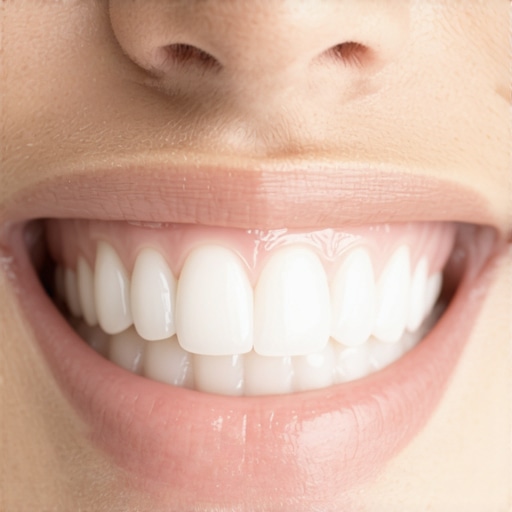
Ever had that moment in the mirror where you flash a quick smile and wince—not because of the brightness, but because of the sharp, almost electric pain shooting through your sensitive teeth? I’ve been there too. It’s that frustrating feeling when you want whiter teeth but can’t bear the thought of those pesky zingers that come with whitening products. I used to think I’d have to suffer just to achieve a brighter smile, but after some trial and error—and quite a few wrong turns—I found ways to brighten my teeth without setting off that nerve alarm.
Why Whiter Teeth Matter, Even When You’re Sensitive
We all want that sparkling smile, right? It’s a confidence boost, a sign of good health, and honestly, it just feels nice to look in the mirror and think, “Yeah, I look good today.” But if you’re like me—or you’ve read about anyone with sensitive teeth—you know that traditional whitening kits can feel like self-inflicted torture, with the zingers hitting before you even get to see the results. It’s like walking a tightrope—balance is key. Thankfully, there are gentle, effective options that can help you brighten your smile without the pain.
And here’s a surprising fact: did you know that some whitening products cause sensitivity because they wear down enamel, exposing tiny tubules that trigger nerve response? The good news is, there are methods to avoid this trap and still achieve that radiant smile. Curious? Then read on, because I’m going to share practical tips, backed by research, to help you whiten your teeth without the uncomfortable zings.
Is the Hype Around Sensitive Tooth Whitening Actually Worth It?
When I first started exploring whitening options, I made the mistake of choosing aggressive strips without checking if they were suitable for sensitive teeth. Spoiler alert: they weren’t. The discomfort was enough to make me give up my dream of a whiter smile for months. That’s a common mistake—overlooking the importance of choosing the right product for your specific needs. There’s a lot of misconception around whitening because many products claim rapid results, but they often ignore the delicate health of sensitive enamel. My advice? Do your homework before diving in headfirst. The right approach not only preserves your teeth’s health but also ensures you enjoy the results without regret or pain. To learn more about why sensitivity toothpaste takes time to work, check out [this article](https://periodontistcare.com/why-sensitivity-toothpaste-takes-two-weeks-to-actually-work).
So, if you’re tired of the painful zingers and want a realistic plan, stay with me. I’ll guide you through some safe, proven methods to brighten your teeth gently but effectively. Because a confident smile shouldn’t come with a cost—especially not pain.
,
Start with Gentle, Desensitizing Toothpaste
My first move was swapping out harsh whitening products for a sensitive teeth-specific toothpaste. I applied it religiously every morning and night, massaging a small pea-sized amount onto my teeth with my finger for better coverage. The key was patience—initially, I waited about two weeks before noticing anything, but consistency paid off. This approach gradually built a protective barrier, reducing nerve hypersensitivity and making whitening easier over time. For detailed timelines, check this article.
Choose the Right Whitening Method
Opt for Low-Peroxide or No-Peroxide Options
Instead of traditional strips, I looked into minimal or zero peroxide products designed for sensitive teeth. These typically use gentle abrasives or natural whitening agents like baking soda or activate charcoal. I recall trying a pen that contained potassium nitrate—a compound known for nerve desensitization—and found it surprisingly effective. This method is akin to using a soft cloth instead of steel wool; gentler, safer, and less likely to cause pain.
Use Custom-Fitted Whitening Trays
I visited my dentist to get custom trays made—think of them as tailored gloves for your teeth. They ensured the whitening gel sat snugly without pooling or spilling. During treatment, I applied a small amount of gel into each tray and wore them for about 15-20 minutes daily. The snug fit reduced gel contact with soft tissues, minimizing irritation, and allowed for consistent, controlled whitening. This precise method outperforms generic strips that can slip or cause uneven results.
Incorporate Protective Measures During Treatment
Apply Fluoride or Desensitizing Gel
To preempt discomfort, I started using a fluoride rinse or desensitizing gel before and after whitening. These act as shields, reinforcing enamel and calming hyperactive nerves. Think of it like applying a base coat before painting—preparation reduces the chances of chips and pain later. Regular use can also help if you experience mild sensitivity during other dental procedures.
Maintain a Soft Bristle Toothbrush and Gentle Technique
While whitening, I switched to a soft-bristled toothbrush and a gentle circular motion, avoiding aggressive scrubbing. This is similar to polishing a delicate surface—less abrasion means less wear. Regular, gentle brushing maintained my existing enamel integrity and prevented exacerbating sensitivity that whitening might otherwise worsen.
Limit Acidic and Staining Foods
I also made dietary adjustments: reducing coffee, red wine, and citrus to prevent staining and enamel erosion. Rinsing with water afterward helped neutralize acids and protect my teeth. Maintaining a balanced diet ensured my whitening efforts lasted longer and kept discomfort at bay.
Schedule Regular Dental Check-Ups
Finally, I committed to semi-annual professional cleanings. These not only removed surface stains but also checked for early signs of decay or enamel erosion—like catching a small crack before it worsens. My dentist could also recommend specialized in-office whitening treatments if needed, tailored to sensitive teeth.
By integrating these steps—gentle products, tailored tools, protective measures, diet management, and professional care—I achieved a brighter smile without the sharp pains. Remember, patience and consistency are your allies in this journey, and prioritizing oral health over quick fixes ensures lasting results.
Despite widespread beliefs, many people hold misconceptions about oral health, crowns, family dentistry, and teeth cleaning. One prevalent myth is that brushing harder removes more plaque; in reality, aggressive brushing can damage enamel and gums, leading to increased sensitivity and problems like recession. Proper technique and gentle circular motions are far more effective and protect your oral tissues. Another misconception is that teeth whitening instantly and permanently brightens teeth; however, overdoing whitening or choosing harsh products can cause sensitivity or enamel erosion. Experts recommend gradual, safe whitening methods, like using desensitizing toothpaste, which takes about two weeks to see results, as detailed here. When it comes to crowns, many believe they last forever, but a common mistake is neglecting the importance of proper fit and materials, which impacts durability—learn more about this here. Additionally, some think that regular teeth cleanings aren’t necessary if your teeth look clean; however, professional cleanings remove tartar buildup below the gum line and prevent gum disease, which is linked to heart health as supported by research here. A hidden nuance many overlook is that overzealous flossing or improper technique can cause gum recession or bleeding—use gentle, correct flossing practices or consider alternatives like water flossers, discussed here. Moreover, some believe that family dentistry is only for children; in truth, regular visits suit all ages and are vital for maintaining oral health across generations. Remember, early detection of issues like small cracks, loose crowns, or sensitivities can save a lot of trouble later. Have you ever fallen into this trap? Let me know in the comments.
Invest in Reliable Dental Tools for Durability
When it comes to maintaining oral health, having the right tools is crucial. I personally swear by using an electric toothbrush with a timer and pressure sensor—brands like Oral-B’s Genius series. These devices ensure consistent cleaning without excessive force, preventing gum recession. The built-in timer helps me brush for the recommended two minutes, a habit supported by research to optimize plaque removal. Remember, even the best tools need regular replacement; I change my brush heads every three months to maintain effectiveness and hygiene.
Utilize Software and Apps for Tracking Dental Care
Digital tools can elevate your maintenance game. I recommend using apps like Philips Sonicare’s app or specialized dental tracking software to monitor brushing habits, flossing frequency, and appointment reminders. These platforms provide insights into your routine, highlighting areas needing improvement. Over time, tracking helps me stay consistent, especially during busy weeks when routine might slip. The future points towards more integration—AI-driven toothbrushes that analyze brushing patterns and suggest personalized improvements.
Schedule Regular Professional Check-Ups
Preventive visits to your dentist are the backbone of long-term oral health. I prioritize semi-annual cleanings, which effectively remove plaque and tartar that my daily routine can’t handle fully. These appointments also catch early signs of issues like gingivitis or crown loosening, saving me from more extensive repairs later. Professionals can perform deep cleanings, known as scaling, which are essential if there’s any buildup below the gum line, as detailed here. Don’t overlook these visits—they’re an investment in your smile’s future.
Implement Effective Home Maintenance Routines
Beyond tools and check-ups, simple daily habits make a significant difference. I use an antibacterial mouthwash post-brushing to reduce bacterial load, particularly in hard-to-reach areas. Desensitizing toothpaste, like I discussed earlier, takes patience but offers long-term relief from sensitivity—almost two weeks of consistent use shows marked improvement, as noted here. Additionally, gently floss or utilize water flossers to clean between teeth, avoiding aggressive maneuvers that can damage gums. These small adjustments extend the lifespan of crowns, prevent gum disease, and keep teeth looking their best.
Anticipating Future Trends in Dental Maintenance
The evolution of oral health tools is exciting. Expect smarter devices capable of real-time plaque detection and AI-based feedback. Remote monitoring by your dentist might become commonplace, allowing for proactive care rather than reactive repairs. For example, a future toothbrush could alert you to early signs of enamel erosion or gum inflammation, prompting a quick appointment or dietary change. Staying informed about these advancements will ensure your maintenance routine remains effective and modern.
How do I maintain my dental tools over time?
Proper care prolongs the lifespan and effectiveness of your equipment. Rinse electric toothbrush heads thoroughly after each use, remove and let them air dry to prevent bacterial buildup, and avoid storing them in closed containers. Keep your flossing tools clean and replace any worn components promptly. Regularly inspecting your tools ensures they work optimally, minimizing the risk of neglecting small issues that can escalate—like loose crowns or early decay. Consistency in tool maintenance complements professional care, setting the foundation for a healthy smile for years to come.
If you’re ready to upgrade your routine, try integrating a pressure-sensing electric toothbrush with connected apps. Not only will this enhance your daily cleaning, but it also provides data that can inform your next dental visit, ensuring you’re always one step ahead in your oral health journey.
As I wrapped up my journey to whiter teeth without discomfort, I realized one thing: the lessons I learned are worth sharing with anyone tired of the pain that often accompanies dental whitening. These insights aren’t just tips—they’re the keys to a confident, pain-free smile that lasts.
What I Wish I’d Known About Sensitivity and Whitening
- Patience Pays Off: That two-week mark for sensitivity toothpaste might feel long, but it’s essential. Rushing into whitening can undo all the gentle progress you make. Trust the process—and check this resource for more on how patience transforms your results.
- Custom Fit Matters: Investing in custom-fitted trays was a game-changer for me. It ensured even application and minimized irritation. Your dentist’s craftsmanship makes all the difference.
- Diet is Your Secret Weapon: Cutting back on acids and stains like coffee and citrus isn’t just about aesthetics; it’s about protecting your enamel. Small dietary tweaks preserve the fruits of your whitening efforts.
- Protection is Paramount: Using fluoride or desensitizing gels before treatments creates a shield. Think of it as armor—making whitening safer and more comfortable.
- Gum Gentle: Switching to a soft-bristled toothbrush and avoiding aggressive brushing prevented further sensitivity. Gentle habits really do pay off in the long run.
- Consistent Care Is Your Foundation: Regular professional cleanings and routine home care sustain your bright, healthy smile. Remember, even the best whitening won’t last without reinforcement.
My Toolbox for a Bright, Sensitive Smile
- Desensitizing Toothpaste: Trusted brands recommended at this link helped me build a barrier against sensitivity.
- Custom Whitening Trays: My dentist crafted these for me, ensuring safety and comfort during the process.
- Gentle Oral Care Products: Soft toothbrushes, fluoride rinses, and mild whitening agents kept my enamel intact.
- Diet and Lifestyle Adjustments: Rinsing after coffee and avoiding acidic foods protected my progress.
- Regular Dental Visits: Semi-annual cleanings confirmed my efforts were on track, aligning with insights from deep cleaning tips.
The Smile of Confidence Begins Now
Embarking on a journey toward a whiter smile without sensitivity was more than just a cosmetic upgrade; it transformed how I see my health and confidence. Remember, your dental routine can be a source of empowerment rather than discomfort. Every gentle brush, every professional check-up, and dietary choice adds up to a radiant, pain-free smile. Don’t wait for the perfect moment—start today, and let your confidence bloom.
What has been your biggest challenge with sensitive teeth or whitening? Share your story below—I’d love to hear about your experience!
Comments
One response to “How to whiten sensitive teeth without the zingers”
Reading through this post really resonated with my own experience with sensitive teeth and whitening. I used to avoid whitening altogether because of the zingers, but switching to a sensitivity toothpaste and using custom-fitted trays made a world of difference. Patience truly paid off for me, especially waiting those two weeks for the desensitizing gel to do its job. One thing I found helpful is avoiding overly aggressive brushing and sticking with gentle, circular motions to protect enamel. I also minimize acidic foods and rinse with water afterward, which seems to help maintain the whiteness longer. Have others found that consistent dietary habits significantly impact their whitening results and sensitivity levels? It feels like a holistic approach, combining gentle care, diet, and professional advice, is the best way to achieve a bright smile without pain. Would love to hear more about how others balance these factors for optimal results.