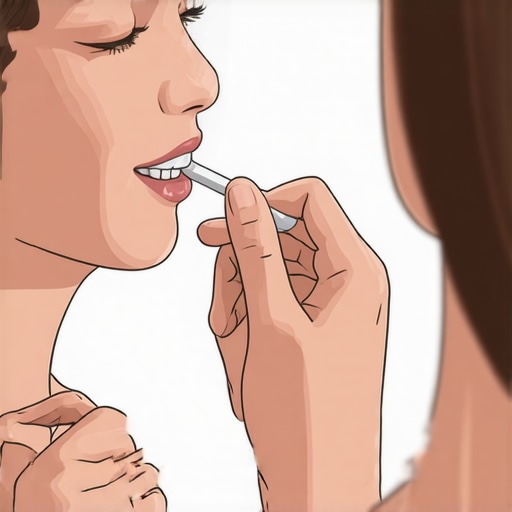
I still vividly remember the morning I almost wrecked my dental crown. I had been using my electric toothbrush more diligently, thinking I was doing right, but I ended up with a sore, sensitive tooth that kept me awake at night. That moment was a real wake-up call. It made me realize that even with advanced tools, like electric toothbrushes, proper technique is everything. Without it, you might as well be wasting your time—or worse, damaging your precious dental work.
Why Proper Brushing with An Electric Toothbrush Matters
Many people jump into using electric toothbrushes expecting miracles, but surprisingly, the method they choose can make or break their oral health benefits. Over time, poor brushing habits can lead to issues like gum recession, enamel erosion, or even crowns popping off prematurely. As I experimented and learned from dental professionals, I discovered that proper technique not only maximizes cleaning efficiency but also protects your teeth from unnecessary wear and tear.
Are you confident you’re brushing correctly, or could you be unknowingly causing damage? If you’re like most, there’s a good chance you’re missing out on the full benefits of your electric brush because of common mistakes. Learning the right way to brush can seem overwhelming at first, but it’s easier than you think—and incredibly effective.
Is the Hype About Electric Brushes Actually Justified?
Before I started paying close attention, I used to think that simply moving my electric toothbrush across my teeth was enough. Turns out, I was making a costly mistake early on—pressing too hard and holding the brush in one spot too long. This aggressive approach can harm your gums and wear down enamel, especially if your brush’s oscillating head is working overtime without the proper technique.
Interestingly, research shows that gentle, device-specific brushing reduces plaque effectively without damaging tissues. So, if you’ve felt your gums bleed after brushing or noticed increased sensitivity, you’re not alone—and your technique might need a tweak.
In the following sections, I’ll share my personal tips, backed by dental science, to help you optimize your electric toothbrush routine. Whether you’re dealing with crowns, sensitive gums, or just want a healthier smile, mastering your brushing technique is the foundation. Ready to transform your oral hygiene game?
Start with the Right Grip and Technique
Picture holding a toothbrush like you would a hammer—firm but gentle. I recall the mess I made when I first tried to mimic my dentist’s advice, pressing too hard, which caused my gums to bleed. The key is using light pressure—think of softly petting your teeth—this prevents gum recession and enamel erosion. To avoid the habit of pressing too hard, I started placing my finger on the handle to gauge pressure, much like a steering wheel, ensuring I didn’t shove the brush into my gums.
Divide Your Mouth into Zones for Focused Cleaning
Instead of rushing across all teeth, break your mouth into sections: upper, lower, front, and back. The analogy here is like painting a wall—attend to one section at a time for thorough coverage. I adopted this approach after noticing my molars were neglected, leading to plaque buildup that caused sensitivity. Scheduling the zones helped me concentrate, ensuring every tooth received equal attention, ultimately reducing plaque and preventing cavities.
Master the 45-Degree Angle and Gentle Movements
Holding your toothbrush at a 45-degree angle towards the gumline maximizes plaque removal, similar to angling a hose to clean dirt effectively. I learned this the hard way when I tried to scrub straight on, missing plaque lurking at the gum-tooth interface. Using gentle circular or elliptical motions—no aggressive scrubbing—proved more effective and kinder to my gums. Over time, I discovered that brief, deliberate strokes clean better than long, abrasive ones, decreasing gum irritation.
Time Your Brushing to Cover All Surfaces
Set a timer for two minutes—think of it as a mini workout for your mouth. I once underestimated how quickly I finished brushing, ending up with less than a minute, which left behind plaque. Using a timer or an app, I ensured I spent approximately 30 seconds on each quadrant. Consistently timing my sessions improved my oral health, prevent
Don’t Forget Those Hidden Spots
Teeth cleaning isn’t just about the visible surfaces; hidden zones such as behind molars and along the gumline are critical. I used to neglect the inside of my molars until I learned the importance from dental advice, which is similar to missing the corners of a room while cleaning. A small brush or flossing thread helps reach these areas. For example, I found that flossing after brushing significantly reduces plaque and prevents issues like gum disease, especially in areas prone to accumulation, as explained in [the hidden spot most parents miss when brushing their kids’ teeth](https://periodontistcare.com/the-hidden-spot-most-parents-miss-when-brushing-their-kids-teeth).
Final Tips for Maintaining Your Routine
Consistency is your best friend. Incorporate these steps into your daily routine as if it’s a non-negotiable part of your day, like morning coffee or a bedtime story. Remember, gentle, focused, and thorough brushing—paired with proper technique—protects crowns, gums, and overall oral health. When in doubt, consulting a professional can give you tailored advice, possibly preventing issues like crown pop-offs or sensitivity, detailed in [why you might need a crown even if the tooth doesn’t hurt](https://periodontistcare.com/why-you-might-need-a-crown-even-if-the-tooth-doesnt-hurt). Keep building good habits, and your smile will thank you for years to come.Many assume that visiting the dentist regularly and brushing thoroughly are enough for optimal oral health. However, there are subtle nuances that even seasoned patients often miss. For instance, common beliefs like ‘more frequent fluoride use always equals better protection’ are oversimplified; excessive fluoride can cause enamel fluorosis, especially in children, as highlighted in expert studies. Additionally, many think crowns are permanent fixes that don’t require maintenance, but neglecting proper care can lead to premature failures or secondary decay around the restoration. One frequent mistake is assuming that a small chip or sensitivity doesn’t warrant immediate attention—many overlook the fact that such issues can hint at deeper problems like cracks or underlying nerve damage, which could worsen if ignored. Have you ever fallen into this trap? Let me know in the comments.
Are Dental Crowns Really as Durable as We Think?
It’s a common misconception that all crowns are equally long-lasting. In reality, the material choice and bonding techniques play crucial roles in their longevity. For example, porcelain-fused-to-metal crowns can last longer when bonded with advanced resin cements that prevent microleakage, reducing the risk of decay beneath the crown. Overlooking the importance of material quality and proper cementation is a mistake many make, leading to crown failure years earlier than expected. Furthermore, routine check-ups and proper oral hygiene are essential, even if the crown looks fine and feels secure. A study published in the Journal of Prosthetic Dentistry emphasizes that improper maintenance can significantly shorten crown lifespan. Therefore, understanding the science behind crown durability helps patients make informed decisions and avoid unnecessary replacements.When it comes to maintaining your vibrant smile and ensuring your dental work lasts, the right tools and consistent practices are essential. As a family dentist who’s seen firsthand the importance of quality equipment and routine care, I recommend investing in an electric toothbrush like the Oral-B Genius X. Its oscillating and rotating bristle action offers superior plaque removal compared to manual brushing, especially around crowns and implants. I personally favor models equipped with real-time feedback technology, which guides me to keep proper pressure and technique, preventing gum recession and crown damage. Regularly replacing brush heads every three months or sooner if bristles fray is a simple yet crucial step to maintain optimal cleaning efficiency. For added protection, I incorporate water flossers such as the Waterpik WP-660, which effectively dislodges debris beneath crowns and between teeth, reducing the risk of secondary decay and gum inflammation. An infrared mini-mirror is another underrated tool I use to inspect hard-to-see areas, ensuring no spot is neglected during routine cleaning. In the realm of digital tools, brushing apps like Brush DJ help me stay on schedule for two-minute sessions and remind me to replace brush heads regularly. These advancements not only elevate daily oral hygiene but also align with emerging trends such as smart enzyme-based dental cleaning in 2026, which promises even more effective plaque control through biofilm digestion.
How do I maintain my dental tools over time
Proper maintenance is vital—rinsing toothbrushes thoroughly after each use, storing them upright to air-dry, and disinfecting with hydrogen peroxide weekly prolongs their lifespan and prevents bacterial buildup. I suggest setting a specific day each month for tool checks and replacements, fostering a habit that benefits your long-term oral health. Looking ahead, innovations like AI-driven dental devices will personalize cleaning routines further, making oral care more efficient and tailored. To see real improvements, try integrating at least one advanced tool, such as a smart electric toothbrush or water flosser, into your routine this month. Investing in the right equipment combined with diligent maintenance dramatically reduces issues like plaque accumulation and crown failures, supporting your oral health goals long-term.
The Little Secrets That Changed My Dental Outlook Forever
During my years of navigating teeth troubles, I discovered that perfection in dental care isn’t about fancy gadgets but understanding the nuances—like how gentle brushing preserves crowns and gums. A key insight I learned is that patience and consistency outpace quick fixes—skipping regular cleanings or rushing through routines can lead to costly repairs and discomfort. Recognizing my own bad habits—like pressing too hard or neglecting hidden spots—was a game-changer that transformed my oral health and confidence.
Tools and Resources That Became My Dental Allies
Investing in an advanced electric toothbrush, such as the Oral-B Genius X, revolutionized my cleaning routine, especially around crowns and delicate gums. I also rely on the Waterpik WP-660, which effectively cleans those tricky areas that floss can miss, preventing buildup and decay. For deeper insights, reading Dr. Weston Price’s classic, "Nutrition and Physical Degeneration," helped me understand how nutrition influences oral health. Lastly, visiting my dental professional regularly and asking tailored questions, like what to do if my crown feels loose, keeps me proactive and informed.
Embracing Small Changes for Lifelong Confidence
Remember, each mindful choice adds up—whether it’s replacing toothbrush heads on schedule, being gentle rather than aggressive, or incorporating flossing into your daily routine. Your smile is a reflection of your overall health, and taking charge today ensures healthier teeth and happier moments tomorrow. If you’re curious about how minor tweaks can prevent major issues, explore more about crown longevity or guide your family in establishing effective routines. Your journey to resilient, radiant teeth starts with a single step—why not take it today? Share your experiences or questions below, and let’s thrive together in achieving optimal oral well-being.