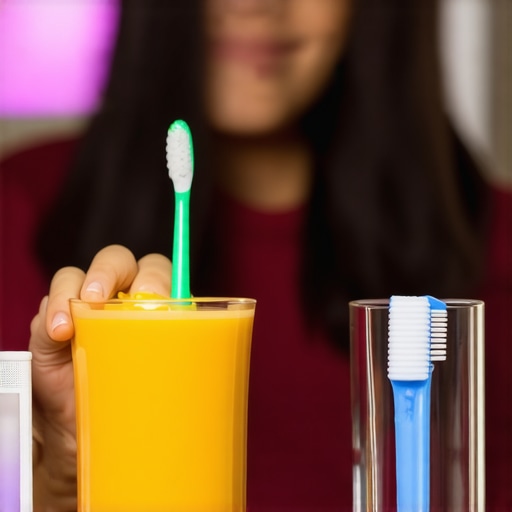
It was a rough morning, and like many others, I reached for my favorite smoothie—bright, tangy, and packed with energy. But as I took that first sip, I suddenly felt a sharp, uncomfortable sensation in my teeth. That lightbulb moment hit me hard: I was unknowingly sabotaging my enamel every morning. Have you ever experienced that sudden sensitivity or a strange metallic taste after drinking your go-to health boost? If so, you’re not alone.
Why Your Morning Smoothie Could Be Eroding Your Tooth Enamel
Many people overlook the fact that the acidity in smoothies—especially those made with citrus fruits, berries, or added vinegar—can wear down your enamel over time. Enamel, the protective outer layer of your teeth, is the hardest substance in your body. But it’s not invincible. Acidic beverages can soften and demineralize this protective shield, leading to increased sensitivity, discoloration, and even cavities.
Early in my journey, I made the mistake of believing that brushing immediately after finishing my smoothie would help clean my teeth. Turns out, this common practice can actually do more harm, as I later discovered from a trusted source. When your enamel is softened by acid, brushing can accelerate its loss instead of cleaning plaque—something I wish I had known earlier. For a deep dive into how certain habits affect your enamel, check out this detailed post on [why some toothpaste can actually strip your enamel](https://periodontistcare.com/is-your-family-s-2026-toothpaste-actually-stripping-enamel-2).
Is Protecting Enamel Even Worth the Effort?
There’s a healthy dose of skepticism around these recommendations—many wonder if it’s worth changing their routine for such a small habit. Believe me, I once thought the same. But after a few months of increasing tooth sensitivity and noticing my enamel eroding, I realized preventive care is so much cheaper and less painful than dealing with decay or crowns later. The good news is, small adjustments can make a big difference in preserving your enamel and keeping your smile healthy.
Now that we’ve identified the problem, let’s explore practical steps you can take to safeguard your enamel against acidic mornings, ensuring that your smoothie energizes you without costing you your oral health.
Timing Matters: When to Brush After Your Smoothie
One of the biggest mistakes I made early on was brushing immediately after drinking my citrus-rich smoothie. Think of enamel like a soft sponge being soaked with acid; brushing when it’s softened can rub away the protective layer faster. To prevent this, wait at least 30 minutes before brushing, giving saliva enough time to neutralize the acid and remineralize the enamel. During that waiting period, rinse your mouth with water or a fluoride mouthwash to wash away residual acids.
Use the Right Tools to Fight Acid Attack
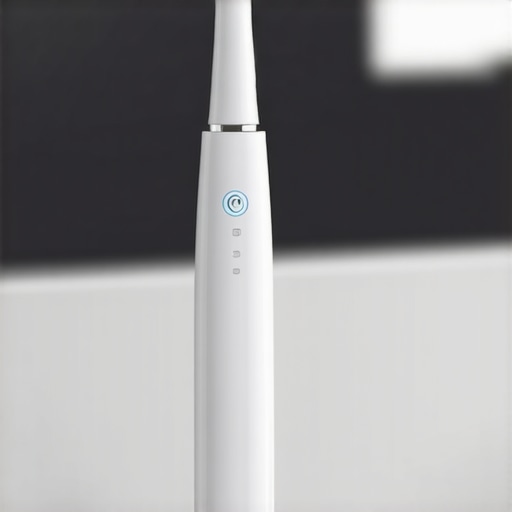
Switch to a soft-bristled brush, preferable an electric one, for gentle cleansing without damaging softened enamel. An electric toothbrush can provide consistent, thorough cleaning while reducing the risk of applying too much pressure, which can exacerbate enamel erosion. Check out why electric toothbrushes are worth the extra money and invest in one. When you brush, use a toothpaste formulated for sensitive teeth or with added fluoride to strengthen your enamel over time.
Adjust Your Drinking Habits
Replace sipping from a straw to minimize contact with your teeth, especially for citrus or vinegar-based smoothies. Holding the beverage in your mouth for longer periods increases acid exposure. Also, consider diluting your smoothies with water to reduce acidity levels. Remember, frequent exposure compounds the problem, so enjoy your smoothie quickly rather than continuously sipping throughout the morning.
Micro-Story:
Yesterday, I decided to trial this by using a straw and waited 30 minutes before brushing. I noticed after a few weeks that my teeth became less sensitive, and my enamel appeared visibly healthier, emphasizing how small changes make a difference.
Consider Professional Guidance for Chronic Sensitivity
If you’re experiencing persistent sensitivity despite these adjustments, consult your dentist. They might recommend treatments such as fluoride varnish applications or bondings that reinforce enamel. For advanced cases, explore how 2026 dental crowns now use peptide-infused bonding agents, which help restore damaged teeth more effectively. Making these proactive choices can significantly prevent further erosion and the need for extensive restorative work.
**By implementing these targeted actions, you actively create a protective barrier around your teeth, preventing the erosive effects of acid while enjoying your beloved smoothies. Remember, small, consistent steps are your best defense against long-term enamel loss.**
Myth: Brushing Hard Cleans Better
Many believe that the harder they brush, the cleaner their teeth become. However, aggressive brushing can actually wear down enamel and damage gums, leading to increased sensitivity and recession. Using a soft-bristled brush and proper technique is far more effective and less harmful. Electric toothbrushes, which provide consistent pressure, are a great investment—check out why they’re worth the extra money.
The Hidden Danger of Rushing Dental Visits
Some assume that scheduling frequent quick visits is sufficient for maintaining oral health. In reality, skipping thorough cleanings or overlooking subtle signs of issues like early plaque buildup can lead to long-term problems. Recent advances, such as bio-acoustic buffing, emphasize the importance of quality over quantity in dental care. Don’t underestimate the value of comprehensive examinations.
Are Crowns Always the Solution? Think Again
Many believe that a crown is a quick fix for broken or decayed teeth. However, improper fitting or choosing the wrong material can cause discomfort or even compromise the tooth’s health. Modern crowns now incorporate peptide-infused bonding agents that promote healing and longevity. Making informed choices about crowns involves understanding these nuances—settling for old techniques might cost more in the long run.
What Advanced Indicators Should Family Dentists Watch For?
Beyond visible plaque or cavities, subtle signs like jaw aches or unusual breath scent can indicate underlying issues such as bite imbalance or early tissue inflammation. For example, jaw pain during mornings could signal misaligned bites or stress-related bruxism, which need specialized attention. Staying vigilant helps prevent complex problems before they escalate.
Remember, complex or overlooked details in oral health can be the difference between simple maintenance and costly treatments. It’s essential to stay informed about the latest advancements and understand that what seems minor often isn’t. Have you ever fallen into this trap? Let me know in the comments to share your experience!
Maintaining optimal oral health isn’t just about daily brushing and flossing; having the right tools and knowing how to use them effectively over time is crucial. In my experience, investing in quality equipment and mastering specific techniques can significantly extend the life of your dental restorations like crowns and prevent long-term issues.
How do I maintain my dental toolkit over time?
First and foremost, choosing the right toothbrush is vital. I personally prefer a soft-bristled electric toothbrush because it provides consistent, gentle cleaning that minimizes gum recession and enamel wear. According to research, high-quality electric brushes with timers and pressure sensors ensure thorough cleaning without overdoing it. After each use, I rinse the brush head thoroughly and store it upright to dry, preventing bacterial buildup.
Next, selecting the appropriate toothpaste matters. I opt for formulas formulated for sensitive teeth, as they contain remineralizing agents that help strengthen enamel. Regularly replacing your brush head every three months is also non-negotiable; worn bristles lose effectiveness and can cause microabrasions.
Beyond tools, incorporating a smart bio-acoustic buffing device during professional cleanings enhances plaque removal, especially in hard-to-reach areas. Recent advances like this, discussed here, demonstrate how technology is evolving to deliver more comprehensive cleanings that prevent cavities and gum disease.
Looking into the future, I predict that AI-powered dental devices will become commonplace, analyzing your brushing patterns and advising real-time adjustments to maximize effectiveness and preserve restorations like crowns. This personalized approach could transform dental hygiene routines into highly tailored, long-term prevention strategies.
To truly benefit, I recommend trying an advanced tip: invest in an electric toothbrush with pressure sensors and a built-in timer. This simple upgrade ensures optimal brushing without damaging your enamel or gums, helping your tools work harder for you over years. Think of your equipment as an investment—keeping it in pristine condition guarantees better health results and extends the lifespan of crowns and fillings. Start by replacing your brush head today and commit to proper storage; small steps can lead to significant long-term benefits.
Remember, consistent maintenance and using high-quality tools are your best allies in keeping your oral health care routine effective and sustainable for many years.