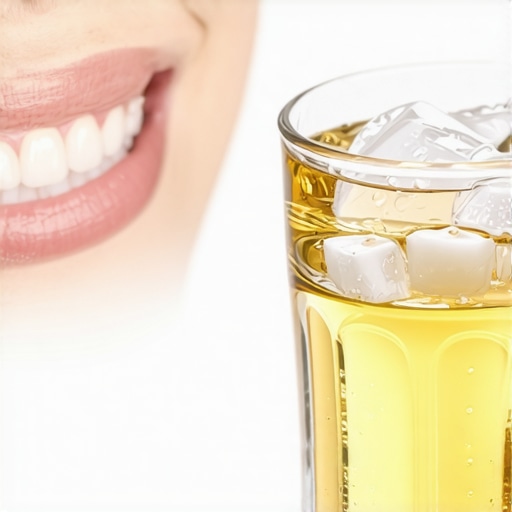
Have you ever swallowed a warm sip of your favorite flavored beverage and suddenly felt a sharp twinge in your tooth? That uncomfortable jolt might be more than just a fleeting sensitivity — it could be a sign that your enamel is under attack from an unlikely culprit. I remember the first time I experienced this: a seemingly innocent drink made my teeth feel fuzzy and sensitive, and I didn’t have a clue why until I started digging into the science behind enamel erosion.
Why One Drink Can Sneakily Destroy Your Tooth Enamel
It’s fascinating—and a little alarming—how some beverages can erode enamel faster than soda, which most people already know is a cavity culprit. Turns out, fruit juices, flavored waters, and even some herbal teas contain acids that can weaken your tooth’s protective layer. These acids, especially citric acid, lower the pH in your mouth, making your enamel more susceptible to erosion and decay. I once made the mistake of gulping down a large glass of flavored water without thinking about its acidity—an error that left my teeth feeling sensitive for days. Early on, I underestimated the impact of everyday drinks, but now I know better. To keep my teeth healthy, I’ve committed to understanding which drinks are truly harmful and how to enjoy them safely.
If you’ve noticed increased tooth sensitivity or a fuzzy feeling after your favorite beverages, you’re not alone. The key is to identify these sneaky acids and learn how to protect your enamel from routine erosion. Today, we’ll explore exactly which drinks are the real threats and the simple steps you can take to keep your smile radiant and strong long-term. Want to shield your teeth from unnecessary damage? Let’s dive into what you need to know.
Is the Hype About Acidic Drinks Overblown?
When I first heard about acid erosion, I thought eliminating all flavored drinks was overkill. I brushed it off as a minor issue—until I realized the damage was already happening. Early in my dental journey, I made the mistake of ignoring my night-time sweet drinks, thinking occasional sips wouldn’t harm me. However, I learned that frequent exposure to acids accelerates enamel loss, especially if oral hygiene isn’t impeccable. According to research published in the Journal of Dentistry, frequent consumption of acidic beverages increases the risk of enamel erosion significantly (source: https://pubmed.ncbi.nlm.nih.gov/22014787/). Now, I’m extra cautious, and I want you to be, too. If this story resonates with you or if you’re concerned about your own drinking habits, keep reading. Coming up next, I’ll share practical tips to safeguard your teeth — starting today.
Choose Your Drinks Wisely From the Start
Begin by scrutinizing what you sip daily. Opt for less acidic options like plain water or herbal teas instead of fruit juices or flavored waters. When I decided to cut back, I replaced my afternoon citrus-infused water with plain herbal tea, which not only satisfied my craving but also protected my enamel. Remember, reading labels helps identify hidden acids, making smarter choices easier.
Use a Straw to Minimize Direct Contact
Using a straw directs liquids away from your teeth, reducing acid exposure. I started doing this with my favorite flavored drinks, and noticed a decrease in sensitivity over weeks. Make sure the straw reaches the back of your mouth to limit contact with your front teeth, which are most vulnerable. This simple switch can significantly lower acid contact, giving your enamel a break during your daily routine.
Rinse or Brush After Drinking Sweet or Acidic Beverages
After enjoying a fruity drink, rinse your mouth with water or brush gently after 30 minutes. I once drank a glass of citrus juice before a meeting, and instead of brushing immediately—which can harm softened enamel—I rinsed thoroughly. Waiting 30 minutes allows saliva to neutralize acids before brushing, preventing further erosion. Incorporating this practice consistently helps maintain your enamel integrity over time.
Maintain Good Oral Hygiene Regularly
Consistent brushing with fluoride toothpaste and flossing beat back plaque and strengthen enamel. I schedule my flossing right before bedtime, ensuring I remove residual acids and sugars. Use soft-bristled brushes and gentle motions to avoid damaging enamel and gums. Proper hygiene ensures your mouth remains resilient, compensating for occasional acid exposures.
Avoid Snacking on Acidic Foods
Limit consumption of acidic snacks and sweets, and opt for neutral or alkaline foods like cheese, nuts, or vegetables. One weekend, I replaced a bag of citrus fruits with celery sticks, noticing my teeth felt less fuzzy even after meals. This dietary shift reduces frequent acid attacks, giving your enamel less chance to weaken.
Visit Your Dentist for Routine Checkups and Advice
Regular professional cleanings and dental exams detect early signs of erosion. I schedule visits every six months, during which my dentist checks enamel health and offers tailored tips, such as recommending a fluoride varnish treatment or discussing sealants. These proactive steps can halt erosion before it causes more serious damage, ensuring your smile stays healthy long-term.
Monitor for Signs of Erosion
Stay alert to symptoms like increased sensitivity, discoloration, or fine cracks. During my routine checkups, I learned to identify early erosion signs, allowing for timely interventions. If you notice any of these, consult your dentist promptly to develop a personalized plan to protect your teeth.
Implementing these practical steps transforms protective habits into daily routines, empowering you to safeguard your enamel against the sneaky damage from acidic drinks. Remember, small, consistent actions make a big difference in maintaining a radiant, healthy smile for years to come.
 Many assume that family dentistry is just about routine cleanings and filling cavities, but in reality, there’s a hidden nuance most overlook. For instance, the belief that teeth whitening treatments are universally safe ignores underlying enamel sensitivities or potential for overuse, which can actually lead to increased tooth wear. It’s a common misconception that more aggressive cleaning always better, yet in my experience, overly abrasive scrubbing can erode enamel and damage gums long-term. One trap to avoid is the misconception that crowns are a quick fix that lasts forever; in truth, improper fit or neglect can cause crowns to loosen or develop decay underneath, a scenario I see often in practice; for comprehensive insight, check out this post about crowns and gum health.
A sophisticated question many patients ask is, How can I tell if my crown is truly fitting well or if it’s subtly causing issues? It turns out, even crowns that look perfect visually may be affecting your bite or causing muscle tension. This underscores the importance of bite analysis and precision fitting in crown placement. Remember, neglecting the subtle signs can lead to complications like microleakage or secondary decay.
Another advanced nuance involves oral hygiene habits that seem beneficial but may actually be harmful. For example, frequent flossing is a great habit, yet over-flossing or using improper techniques can damage gums or cause bleeding. A common myth is that hard bristles clean better; in contrast, gentle, effective brushing with soft bristles preserves gum integrity. This is supported by research indicating soft brushes are equally effective and less damaging (see here for detailed discussion).
Moreover, many patients underestimate the importance of tailored oral care products. Using generic mouthwashes or toothpastes that contain harsh abrasives can strip enamel over time, especially if you have sensitive teeth. My recommendation is to choose products based on scientific evidence and your specific dental needs—more about that can be found here. This detailed approach helps prevent advanced issues like erosion or discoloration that many people only notice when it’s too late.
Remember, understanding these deeper nuances transforms your routine dental habits into powerful tools for long-term health. Don’t fall into the trap of oversimplification; dental health is complex, and the right knowledge can save you from costly repairs later. Have you ever fallen into this trap? Let me know in the comments.Ensuring the longevity of your family’s oral health requires more than just brushing and visiting the dentist; it involves using the right tools and maintaining established routines. I personally invest in a high-quality electric toothbrush, such as the Sonicare DiamondClean, because it provides consistent, gentle, yet effective plaque removal, especially around crowns and fillings. Its oscillating brush head ensures stimulation of gums and deep cleaning, which manual brushing often can’t match. Additionally, I rely on an interdental brush for cleaning between teeth, especially in areas where floss might be challenging to maneuver, such as around orthodontic brackets or bridges. These tools, combined with a smart timing app, help me stay disciplined and ensure every zone gets adequate attention.
I also swear by routine use of a fluoride rinse—preferably one that’s tailored to my specific needs as recommended by my dental professional—since fluoride helps remineralize enamel and protect against acid erosion caused by everyday drinks. An advanced part of my routine is electronic gum massagers, which stimulate blood flow and promote gum health, reinforcing the support structures around crowns and natural teeth alike.
From an educational perspective, I use digital platforms, like my dental office’s app, to track appointments, receive personalized tips, and get alerts for routine checks or necessary replacements (like crown maintenance). Technology has become a game-changer, making it easier and more effective to integrate long-term preventive care into busy lifestyles.
Looking ahead, the future of family dentistry appears to be leaning heavily into smart technology, such as AI-powered toothbrushes that analyze brushing patterns and provide real-time feedback. This ongoing innovation promises to catch issues earlier and streamline routine care, reducing the need for invasive procedures.
**How do I maintain my dental tools and routines over time?** It’s vital to regularly replace brush heads—every three months for electric toothbrushes—and keep devices like water flossers and oral irrigators clean to prevent bacterial buildup. Scheduling consistent checkups helps ensure that your tools are doing their job effectively and that your habits are aligned with your evolving oral health needs. For example, periodic professional assessments can reveal subtle issues like microfractures in crowns or early gum recession, allowing timely intervention.
Implementing these advanced tools and maintenance routines has significantly reduced unexpected dental issues in my family, proving that investing in proper equipment pays off long-term. If you’re interested in elevating your oral care, I recommend trying a combination of high-quality electric brushes and interdental cleaners—these have transformed my daily routine. Remember, staying proactive with your dental tools is an investment that ensures your family’s smiles stay bright and healthy, well into the future. For a deeper dive into maintaining your crowns with advanced techniques, check out this article.
What I Wish I Had Known When I Started Caring for My Family’s Smiles
One of the most eye-opening lessons I’ve learned is that seemingly minor habits, like choosing the right toothbrush or monitoring acidity levels, can dramatically impact long-term dental health. I used to assume that regular brushing was enough, but understanding the role of specialized tools and targeted routines has transformed our approach. Additionally, I realized that trusting the small signs—like subtle gum sensitivities or unusual tastes—can prevent bigger issues down the line. These insights have empowered me—and I hope they do the same for you—to take a more proactive stance in family dental care, moving beyond basic routines to nuanced, effective strategies.
My Essential Arsenal for Maintaining Healthy Family Smiles
Over the years, I’ve curated a set of tools and resources that make daily oral health maintenance more effective and manageable. High-quality electric toothbrushes like the Sonicare DiamondClean provide gentle yet thorough cleaning, especially around crowns and sensitive areas. For interdental cleaning, I swear by compact, soft-bristled interdental brushes that easily reach tricky spots. To stay ahead of potential issues, I rely on trusted literature such as trusted guides on crown care and regularly consult my dentist for tailored advice. Incorporating these tools ensures I’m actively preventing enamel erosion and gum problems, rather than just reacting to them.
Seize Your Smile: The Power of Informed Action
Your family’s dental health isn’t just about oral hygiene—it’s about cultivating habits that serve a lifetime. Embrace the knowledge that small, consistent improvements—like choosing alkaline rinses or scheduling regular checkups—can accumulate into a resilient, radiant smile. Remember, the journey toward optimal family oral health is ongoing, and your proactive choices today lay the foundation for a future free from preventable complications. Don’t wait for warning signs; take control now, knowing you’re empowered with the right insights to keep teeth and gums healthy long-term.
Comments
One response to “The One Drink That Erodes Enamel Faster Than Soda”
This post really opened my eyes about the hidden dangers of seemingly harmless drinks. I’ve always enjoyed flavored waters and herbal teas without giving much thought to their acidity, but now I realize how these drinks can quietly chip away at my enamel. I’ve started using a straw more consistently and rinsing my mouth afterward, especially after consuming citrus-based beverages. It’s amazing how small changes can make a significant difference in protecting long-term dental health. I wonder, how effective are professional treatments like fluoride varnish or sealants in actually reversing or halting early erosion signs? Have others here experienced noticeable improvements after such interventions? It seems investing in preventive care is truly the best approach to avoid costly procedures down the line.