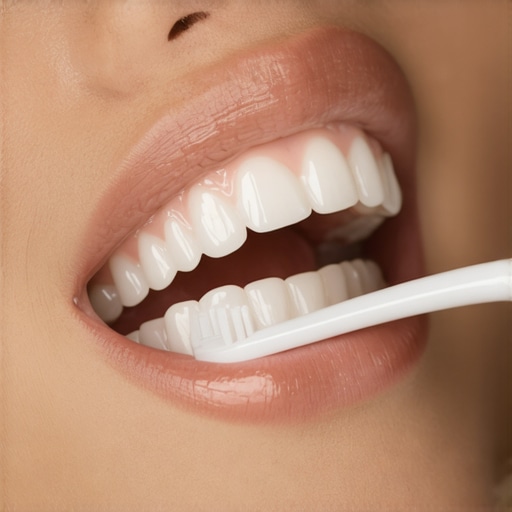
Picture this: I was in a rush, swirling some mouthwash before bed, and suddenly, I noticed a tiny scratch on my dental crown’s porcelain surface. My heart sank. That dull streak felt like a betrayal—my bright, smooth crown now marred by what I thought was an innocent rinse. It was a lightbulb moment for me: I’d been cleaning my crown the wrong way, risking scratches without even realizing it.
Why Properly Cleaning Your Dental Crown Matters More Than You Think
Dental crowns are designed to restore your smile seamlessly, but their porcelain surfaces are surprisingly delicate. Routine cleaning might seem straightforward, but using the wrong tools or techniques can cause scratching—dulling that shiny veneer and increasing the risk of plaque buildup or even decay underneath. I learned early on that neglecting proper care doesn’t only impact aesthetics; it can compromise the longevity of your crown.
Is Gentle Really Better? My Biggest Fumble
Early in my journey, I mistakenly thought the harder I scrubbed, the cleaner my crown would be. That was a mistake. I used a stiff-bristled toothbrush and abrasive toothpaste—what I believed was doing the trick—but I soon noticed tiny scratches forming. It’s a common mistake I see many making. Instead of prolonging the life of your crown, aggressive cleaning can hasten wear. A better approach? Gentle, informed techniques that preserve your crown’s porcelain. For comprehensive insights on maintaining overall oral health, I recommend reading about the real reasons gums bleed after cleaning.
What You’ll Discover Today
In this post, I’ll share practical, expert-backed tips on how to keep your dental crown pristine without scratching the porcelain. We’ll cover the best tools, the right cleaning routines, and common pitfalls to avoid. If you’ve ever been worried about damaging your crown during routine cleaning, stick with me—by the end, you’ll feel confident in your approach.
So, have you faced the frustration of scratches or dullness on your crown? Trust me, I’ve been there. Let’s dive into how to keep your smile shining bright and damage-free for years to come.
Choose the Right Tools for Gentle Cleaning
Start with a soft-bristled toothbrush similar to the gentle brushes you use on your baby’s gums. I once thought switching to a stiffer brush would clean better, but I ended up with tiny scratches on my crown, making it look dull. After switching to a toothbrush with soft bristles, I immediately noticed a difference—no more microscopic scratches, and my crown maintained its shine longer.
Select Non-Abrasive Toothpaste
Use a toothpaste specifically designed for sensitive or dental crown care—these are less abrasive. I once experimented with an whitening toothpaste stronger than my usual brand; the result was a dull film on my crown. Switching to a gentle, non-abrasive toothpaste preserved my crown’s porcelain finish and prevented dullness over time. Check out this guide to find toothpaste that protects both your enamel and crowns.
Implement Proper Brushing Technique
Think of your toothbrush as a paintbrush—gentle strokes matter most. Use a small, circular motion to clean around your crown, avoiding pressing too hard, which can cause scratches. I once scrubbed back and forth vigorously, which only damaged the porcelain. Now, I lightly glide my brush around the crown, like polishing a delicate sculpture. This technique removes plaque without risking harm and keeps the surface smooth and shiny.
Time Your Routine Smartly
Brush at least twice a day, but wait at least 30 minutes after consuming acidic or sugary foods before brushing. I used to brush immediately after eating oranges, which can weaken enamel and make fissures more prone to scratching. Waiting allows saliva to neutralize acids, protecting your crown’s surface. Don’t forget to floss daily—using gentle, correct techniques prevents tartar buildup that can mar your crown’s appearance.
Incorporate Additional Care Techniques
Rinsing with a mild, alkaline mouthwash can help maintain pH balance. I started using a rinse like this alkaline rinse nightly, which reduces acid attacks that weaken the porcelain, preventing dullness and scratches. Be cautious with harsh mouthwashes; some contain alcohol or strong chemicals that may erode enamel or dull your crown’s shine. Always check labels and opt for gentle, enamel-friendly options.
Skip Overly Hard or Abrasive Products
Avoid household cleaning agents or baking soda unless approved by your dentist. I learned the hard way when I used baking soda on my crown, thinking it would whiten further; instead, I noticed tiny micro-scratches afterward. Keep your cleaning routine simple—stick to products formulated for dental crowns and consult your dentist for personalized advice.
Request Professional Advice Regularly
Schedule routine check-ups to ensure your crown remains undamaged and shiny. During my visit, my dentist polished the surface slightly, restoring its brightness and removing any micro-damage. Remember, professional cleanings use specialized tools and techniques that you can’t replicate at home, which help prolong your crown’s lifespan and prevent scratches from unnoticed plaque buildup or mineral deposits.
By adopting these detailed steps—selecting gentle tools, proper technique, careful timing, and professional support—you can maintain your dental crown’s integrity and appearance without risking scratches or dullness. Your smile deserves that extra care, and taking these concrete actions keeps it shining bright for years to come.
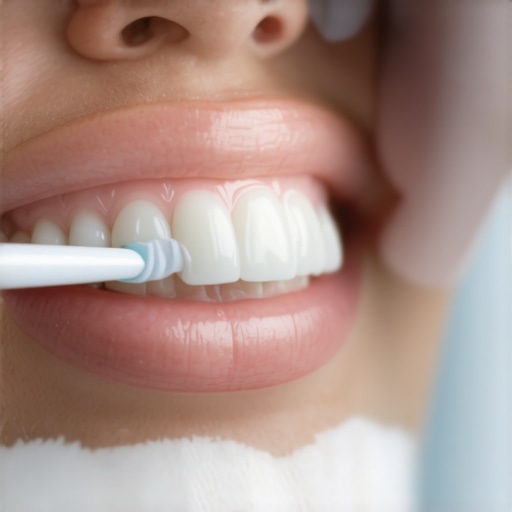 Many people assume that brushing harder or using the most abrasive toothpaste will lead to cleaner teeth, but in reality, this approach can cause significant damage, especially to crowns and delicate tooth structures. A common misconception is that all dental problems stem from poor hygiene, ignoring factors like diet, saliva composition, and genetic predispositions. For instance, overbrushing can erode enamel and wear down crowns prematurely, a mistake supported by studies such as those published in the Journal of Dentistry, which highlight how excessive force accelerates wear and tear.
Another widespread myth is that dental visits are only necessary when experiencing pain or discomfort. However, routine check-ups are crucial for catching issues before they escalate, particularly with crowns and restorations, which can silently develop problems like micro-leakage or decay underneath. Many patients overlook the importance of specialized preventive measures, like sealants for children or professional fluoride treatments, which can significantly prolong the lifespan of dental work.
A nuanced aspect often misunderstood is the impact of oral microbiome balance. Conventional wisdom emphasizes plaque removal, but recent research indicates that maintaining a healthy bacterial ecosystem is vital for oral health, influencing everything from gum disease to the stability of crowns. Overly aggressive cleaning with harsh chemicals can disrupt this balance, leading to more harm than good.
Addressing the advanced questions, such as “How does saliva influence the longevity of dental restorations?” reveals that saliva contains buffering agents and minerals that help remineralize enamel and protect restorations from decay and staining. Disrupting saliva flow—through dehydration or certain medications—can compromise these natural defenses, accelerating deterioration.
It’s also worth noting that some over-the-counter whitening products are mistakenly used on crowns, which can cause uneven coloration or surface damage. Professional guidance is essential to select safe and effective whitening options, especially when you have dental work. Always consult with your dentist before attempting to alter the color of your restorations.
Incorporating these insights into your oral care routine can make a significant difference. For instance, choosing a non-abrasive toothpaste, as recommended here, can help preserve your crowns and natural teeth. Regular professional assessments are equally important—they can catch issues early, saving you discomfort and expense down the line.
Have you ever fallen into this trap? Let me know in the comments. Remember, knowing the nuances behind common beliefs empowers you to make better decisions for your oral health, ensuring your smile remains both beautiful and healthy for years to come.
Invest in Quality Tools for Long-Term Care
Maintaining dental crowns and overall oral health begins with choosing the right tools. I personally swear by a electric toothbrush with a timer and pressure sensor. The built-in timer ensures thorough cleaning sessions, while the pressure sensor alerts me when I’m brushing too hard—protecting my crowns and gums from unnecessary stress. Brands like Oral-B and Philips Sonicare offer models with these features, and I find them indispensable for consistent, gentle cleaning.
Another critical tool is a proximal brush. These tiny brushes are designed specifically to clean between teeth and around crowns where floss might miss. After trying various brands, I prefer the ones with flexible handles and tapered bristles, which glide smoothly into tight spaces without damaging delicate porcelain surfaces.
Use Specialized Oral Hygiene Products
Not all toothpastes are created equal, especially when caring for crowns. I recommend switching to a non-abrasive, fluoride-rich toothpaste. This choice helps prevent surface scratches on your crowns while strengthening your natural enamel. Additionally, incorporating a mild alkaline mouthwash like the one I use nightly can neutralize acids and protect your porcelain surfaces from dulling or erosion.
For those interested in natural remedies, I suggest a saltwater rinse. It’s simple, cost-effective, and supports healing of gums without risking damage to restorations. However, avoid harsh chemicals and overly abrasive products that can harm your dental work.
Develop Smart Cleaning Habits
Technique makes all the difference. I focus on using small, circular motions when brushing, mimicking gentle polishing rather than aggressive scrubbing. This approach effectively removes plaque without scratching the surface of crowns. Moreover, I always wait at least 30 minutes after consuming acidic foods or drinks—like citrus or soda—before brushing. This prevents softening of the enamel and reduces the risk of micro-scratches that can dull your crown’s appearance.
Schedule Regular Professional Checks
Even with diligent at-home care, professional cleanings are essential. During my routine visits, my dentist uses specialized tools like air polishing devices infused with enzymes—these effectively disrupt and remove biofilm while being gentle on crowns. Regular check-ups also allow early detection of any potential issues, ensuring the longevity of your restorations. For more insights on professional care, consider reading about how professional cleanings contribute to maintaining your smile.
How do I maintain my dental tools for longevity?
Proper maintenance of your cleaning tools ensures they remain effective. Rinse your toothbrush thoroughly after each use, and replace it every three months or sooner if bristles fray. Store brushes upright and avoid covering them, which can harbor bacteria. For electric brushes, periodically check and replace brush heads to maintain optimal cleaning efficacy. For specialized brushes like proximal or interdental cleaners, rinse them immediately after use and replace as needed to prevent bacterial buildup. Regularly inspecting your tools guarantees they perform at their best and safeguard your oral health.
Looking ahead, advancements in smart dental devices—like synchronized apps that monitor brushing pressure and coverage—are likely to become mainstream. Embracing these innovations now ensures your routine stays effective and your restorations last longer. Make the commitment today by trying a pressure-sensitive electric toothbrush and observe the difference it makes in protecting your investment in a healthy smile.
Lessons That Changed My Approach to Dental Care
One of the biggest surprises I faced was realizing that my relentless scrubbing wasn’t cleaning my crown but subtly damaging it. I learned that patience and gentle techniques outperform brute force, which in turn preserved my smile and saved me money. I also discovered that the choice of toothpaste can make or break the longevity of a crown—never underestimate how abrasive products can dull that shiny surface. Lastly, routine professional check-ups are more than just a formality; they’re vital for catching micro-damage early before it becomes a costly problem. These lessons transformed my daily routine and deepened my respect for mindful dental care.
Tools and Resources That Elevate My Oral Hygiene Game
My top recommendation is an electric toothbrush equipped with a pressure sensor—brands like Philips Sonicare or Oral-B have served me well. They help me avoid applying excessive force and ensure thorough cleaning with gentle strokes. I also rely on interdental brushes; the tapered designs glide effortlessly around crowns, reaching areas floss might miss. For guidance, I trust reputable sources like this guide on non-abrasive toothpaste and advice on mouthwash habits. Lastly, scheduling routine dental visits with my dentist has become an integral part of maintaining that brilliant smile, ensuring my crowns stay pristine and functional over time.
Your Smile Deserves This Moment of Care
Taking control of your dental health, especially when managing restorations like crowns, is a rewarding journey. By embracing gentle techniques and trusted tools, you not only protect your investment but also boost your confidence in your appearance. Remember, small daily actions—like choosing the right toothpaste or cleaning method—add up to significantly longer-lasting crowns and healthier teeth. So, why not start today? Your future self will thank you for the fresh, radiant smile that’s been carefully preserved. It’s never too late to prioritize your oral health and enjoy the benefits of a dazzling, durable smile.
What has been your biggest challenge in caring for your crowns or dental restorations? Share your experiences below—I’d love to hear your story!
,