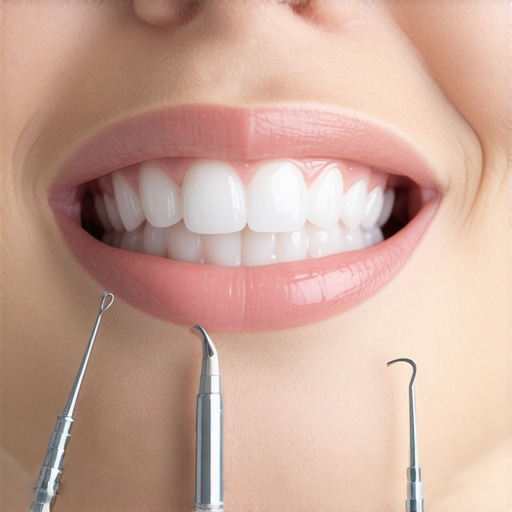
It was a morning like any other, but as I sipped my coffee, I suddenly felt a sharp ache radiating across my gums. Turns out, that dull, lingering soreness I felt after my recent dental deep cleaning was more common than I thought — and honestly, it caught me off guard. I didn’t expect that a routine procedure could make my teeth and gums feel so sensitive, almost like I’d just run a marathon. That unexpected discomfort had me questioning if I’d made a mistake or if something was genuinely wrong. I remember thinking, “Is this normal? Will it go away?” Well, if you’ve found yourself in the same boat, I promise you’re not alone, and there’s good news: understanding why it happens can help you manage it better.
Dealing with the Surprising Soreness After Your Deep Cleaning
Deep cleanings, also known as scaling and root planing, are essential treatments to combat gum disease and promote overall oral health. They go beneath the surface to remove plaque and tartar buildup trapped in hard-to-reach areas. But given how thorough the process is, it’s no wonder many experience some degree of discomfort afterward. The initial soreness comes from the cleaning disrupting the gum tissue slightly, which can lead to temporary inflammation and sensitivity. This isn’t a sign that something is wrong — rather, it’s part of the healing process.
Interestingly, a study published by the [American Academy of Periodontology](https://periodontistcare.com/expert-advice-on-crowns-and-teeth-cleaning-for-lasting-results) highlights that mild soreness and increased sensitivity following deep cleaning can last from a few days up to two weeks. That might seem like quite a while, but with proper care, the discomfort usually diminishes naturally. The key is managing your expectations and knowing what to do during this recovery period.
Are you wondering if this soreness will persist, or if it indicates a problem? One mistake I made early on was ignoring the initial advice from my dentist to avoid certain foods and oral care products. It’s crucial to follow professional guidance and avoid triggering behaviors like brushing too hard or consuming very acidic foods that can exacerbate sensitivity. It’s a common mistake many make when they’re eager for relief but don’t realize that gentle, strategic care can make all the difference.
Now that we’ve covered why this discomfort happens, let’s look at practical steps to soothe your gums and ensure a smoother recovery. But first, I want to ask — have you experienced prolonged pain or unusual symptoms after your deep cleaning? If so, it’s always best to consult your dental professional. Keep reading, because what follows might just be the relief you’re searching for.
Stick to Gentle Oral Care Routines
After experiencing soreness from a deep cleaning, shifting to a gentle oral care routine is crucial. Use a soft-bristled toothbrush, like the ones I found during my own recovery, to avoid aggravating sensitive gums. Replacing your usual brush with a softer option can feel odd at first, but I noticed immediate relief when I started brushing more delicately—less pain and reduced bleeding. Remember, aggressive scrubbing is counterproductive, so take your time and focus on gentle, thorough cleaning. Incorporate a toothpaste designed for sensitive teeth, which can further soothe your gums and prevent additional irritation.
Use Anti-Inflammatory Rinses
Applying the right rinse can significantly reduce inflammation and promote healing. I personally used an antiseptic mouthwash recommended by my dentist, which contains soothing agents like chlorhexidine. These rinses help eliminate bacteria, minimize swelling, and accelerate recovery. Be cautious—overusing strong antiseptics can sometimes cause dryness, so follow your dentist’s instructions meticulously. For everyday use, a homemade saline solution—dissolving half a teaspoon of salt in warm water—proved effective. Swish gently for about 30 seconds, then spit out; this simple step keeps the area clean without harsh chemicals.
Control Your Pain and Discomfort
Managing discomfort is a critical step. Over-the-counter options like ibuprofen or acetaminophen can help, but always adhere to recommended dosages. For instance, I took a low dose of ibuprofen at the onset of soreness, which brought almost immediate relief. Applying a cold pack to your cheek can also reduce swelling and numb the area temporarily. During my experience, I wrapped ice in a cloth and pressed it gently against my cheek for 15-minute intervals. These measures helped me stay comfortable and prevented the soreness from escalating.
Adjust Your Diet to Prevent Further Irritation
Diet plays a vital role during recovery. Opt for soft, cool foods that won’t irritate your sensitive gums—think yogurt, smoothies, or mashed potatoes. I avoided spicy, acidic, and crunchy foods that could worsen soreness or cause bleeding. Drinking plenty of water kept my mouth moist and aided healing. Remember, foods that require heavy chewing or are very hot should be avoided until your gums have settled. Using a straw can also help protect your gums from direct contact with irritating foods and drinks.
Maintain Proper Oral Hygiene with Positivity
It might sound counterintuitive, but maintaining good hygiene is essential despite the discomfort. Gently floss around the affected areas daily, avoiding harsh pulls or snaps that could cause bleeding. I found that carefully flossing with light pressure helped remove debris without inflaming my gums further. Regular, cautious cleaning prevents plaque buildup, which can delay healing or lead to infection. To reinforce your routine, consider consulting your dentist about specialized tools like water flossers, which can effectively clean with less discomfort. For more insights on maintaining your post-cleaning routine, visit [effective home practices](https://periodontistcare.com/teeth-cleaning-secrets-effective-home-practices-for-family-dental-health).Many assume that getting a dental crown or visiting the family dentist is a straightforward process, but beneath the surface lie subtle nuances that can make all the difference in long-term oral health. One common misconception is that crowns are purely cosmetic, but in fact, their material choice and placement technique significantly impact their durability and how well they integrate with your natural teeth. For example, porcelain-fused-to-metal crowns offer strength but may be prone to chipping if not properly bonded, whereas zirconia crowns provide both aesthetic appeal and resilience, making them ideal for back molars. An oversight here can lead to premature crown failure, so choosing the right type requires a nuanced understanding of your specific needs. Curious about the details? Check out [expert advice on crowns and teeth cleaning](https://periodontistcare.com/expert-advice-on-crowns-and-teeth-cleaning-for-lasting-results).
Another widespread myth is that all family dentistry offers the same quality of care. In reality, some practices focus heavily on routine cleanings without considering personalized preventive strategies that address your unique genetic predispositions or lifestyle habits. For example, integrating advances like salivary diagnostics can identify vulnerabilities before cavities or gum disease manifest, but many clinics overlook this potential. By understanding the advanced tools and customized care strategies available, you can better protect your family’s oral health. Visit [family dentistry focused on building a lifetime of healthy smiles](https://periodontistcare.com/family-dentistry-focus-building-a-lifetime-of-healthy-smiles) to learn more.
A less obvious but critical mistake many make is neglecting the importance of consistent, proper oral hygiene routines tailored to their unique circumstances. Brushing twice daily is a good start, but improper technique, such as using a hard-bristled brush or aggressive scrubbing, can damage gums and enamel over time. Additionally, relying solely on traditional floss can miss hard-to-reach areas where plaque hides, increasing the risk of cavities and periodontal issues. Advanced tools like water flossers and interdental brushes can enhance effectiveness, but only if used correctly. I recommend exploring [effective home practices](https://periodontistcare.com/teeth-cleaning-secrets-effective-home-practices-for-family-dental-health) for maintaining optimal oral health.
Now, you might wonder: How do some patients manage to keep their crowns and natural teeth in perfect condition for years? The secret lies in understanding that all dental restorations and routine care require consistent maintenance and awareness of evolving risks. For example, a tiny micro-leakage under a crown can lead to decay if not detected early. This is why regular dental check-ups are vital—they allow your dentist to identify and address problems before they escalate. A comprehensive approach includes not just the right materials, but also the patient’s vigilance and commitment. For detailed strategies, see [maintaining your dental crowns](https://periodontistcare.com/maintaining-your-dental-crowns-dos-and-donts-for-best-results).
**Have you ever fallen into this trap?** Let me know in the comments how you ensure your oral health routine stays effective beyond the basics. Digging deeper into these nuances can save you from costly surprises and help you achieve a healthier, more confident smile.
Keeping It Working: My Favorite Tools for Long-Term Dental Care
Maintaining your oral health and ensuring the longevity of crowns require more than just regular brushing. Over the years, I’ve found that specific tools can make all the difference in keeping your smile healthy and durable. One indispensable item I personally swear by is an ultrasonic water flosser. Unlike traditional floss, this device uses high-frequency vibrations to remove plaque and food debris from hard-to-reach areas, reducing gum inflammation and extending the life of restorations like crowns. My daily routine includes using a water flosser with adjustable pressure settings, which allows me to customize the experience and prevent gum bleeding—a common early sign of irritation.

How do I maintain my tools over time?
Proper maintenance of your dental tools is critical for their effectiveness. For instance, I rinse my water flosser’s reservoir with warm water after each use and periodically disinfect it with a vinegar solution to prevent mold and bacteria buildup. Replacing the tips every three months ensures optimal cleaning and hygiene. Similarly, I opt for an electric toothbrush with a timer and pressure sensor; these features prevent over-brushing, which can damage enamel and gum tissues. Using a toothbrush UV sanitizer weekly is another way I keep my tools germ-free. Consistent cleaning of your devices not only prolongs their lifespan but also safeguards your oral health from potential cross-contamination.
Future trends in oral maintenance tools
Looking ahead, innovations like smart toothbrushes integrated with smartphone apps will offer real-time feedback and personalized recommendations. Imagine a device that tracks your brushing habits, detects areas you’ve missed, and suggests adjustments on the spot. Such advancements could revolutionize at-home care, making routine maintenance more precise and effective. Research from the National Center for Biotechnology Information indicates that technology-driven solutions improve oral hygiene outcomes, especially when combined with professional guidance.
What steps will you take today to upgrade your dental routine?
Start by investing in a quality water flosser, like the ones I recommend on my site, and commit to maintaining your tools diligently. Regularly replacing tips, cleaning devices thoroughly, and exploring advanced options like smart brushes can make a significant difference. Remember, proactive and well-maintained tools help prevent issues before they arise, saving you time, money, and discomfort in the long run. To dive deeper into effective maintenance strategies, check out this guide. Give one of these tips a try today, and watch your oral health thrive for years to come!
Lessons That Changed My Approach to Smile Care
- Seeing the big picture matters—focusing solely on a crown’s look without considering its fit or material can prematurely end its lifespan. Choosing the right crown isn’t just about aesthetics but about understanding your daily habits and oral environment.
- Consistency in routine maintenance beats occasional DIY fixes. Regular checkups and proper home care, like gentle brushing with the correct tools, prevent minor issues from turning into costly repairs.
- Understanding that dental treatments are part of a comprehensive health strategy transformed how I view oral wellness. It’s not just about teeth but about supporting overall vitality through careful, informed choices.
- Listening to your dentist’s advice isn’t just about following directions; it’s about building a partnership that ensures your smile stays healthy and confident for years to come.
- Emerging technologies in family dentistry are game-changers—embracing innovations like laser procedures or saliva diagnostics can provide deeper insights and better results than traditional methods.
Tools and Insights That Elevated My Smile Journey
- My go-to resource is the comprehensive guide on crowns and teeth cleaning. It offers clear, expert-backed advice that informs my decisions, ensuring longevity and health.
- Books like “The Dental Diet” by Dr. Steven Lin opened my eyes to diet’s role in oral health, inspiring me to adopt habits that strengthen my teeth beyond what brushing alone can achieve.
- Keeping up with blogs from trusted clinics has introduced me to preventive strategies, like saliva testing or minimally invasive treatments, that truly make a difference in long-term care.
- Smart tools such as electric toothbrushes with pressure sensors and water flossers are integral to my daily routine—they’re investments that pay off in healthier gums and preserved crowns.
Unlocking Your Best Smile Today
The journey toward a resilient, radiant smile is ongoing, but every small step counts. Whether it’s refining your daily routine, exploring new technologies, or partnering closer with your dentist, you hold the power to elevate your oral health from routine to remarkable. Don’t wait for issues to surface—take action now to fortify your family’s smiles and enjoy the confidence that comes with good health. Have you tried a new tool or technique recently? Share your experience below and inspire others on their smile journey!