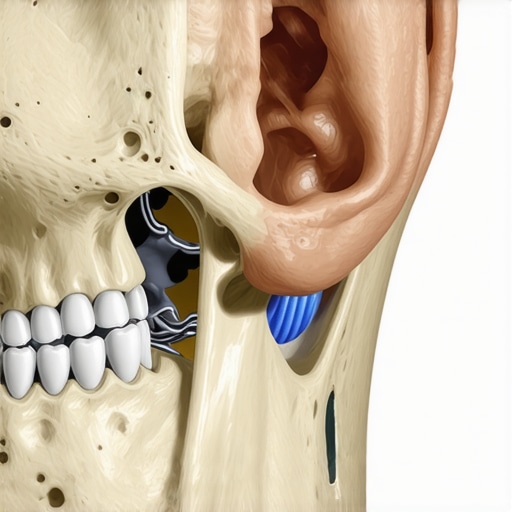
I remember the day I first noticed it—while chewing a piece of gum, I felt a sudden, almost alarming click in my jaw. It wasn’t painful, but it was strange and persistent enough to make me stop and wonder. At first, I brushed it off as just a minor annoyance, but as days went by, that clicking sound became a regular companion during my snack breaks and even when I was talking. It was a lightbulb moment for me—something was going on in my mouth, and I needed to understand it better.
Understanding the Mystery of the Clicking Jaw
That familiar clicking wasn’t just a random quirk—I realized it was linked to how I was using my jaw every day. Over time, I learned that such sounds could be signs of underlying issues like temporomandibular joint (TMJ) disorder, which affects many people without even knowing it. Coincidentally, I also discovered that neglecting small signs like jaw clicking could lead to more complex problems down the line, like chronic pain or difficulty chewing. Research shows that TMJ disorders are more common than most think, affecting roughly 10 million Americans annually. This alarming fact made me realize I wasn’t alone, and that understanding the causes and solutions could help many others too.
Now, I want to share with you what I’ve uncovered through my journey—how to identify if your jaw clicking is a red flag, common pitfalls to avoid, and practical steps you can take to fix the problem before it gets worse. If you’ve noticed a similar clicking when you chew or talk, you’re not alone, and there’s hope for relief. Ready to get to the bottom of your jaw clicking and restore comfort to your routine? Let’s dive in.
What if I Think It’s Just a Normal Part of Aging?
Early on, I made the mistake of dismissing it as just a normal part of getting older. I thought, ‘Well, I chew a lot of gum; maybe that’s just how it is now.’ Spoiler alert: I was wrong. Regularly ignoring these symptoms can lead to worsening joint issues and pain. Learning about the proper way to care for my joint, like avoiding excessive gum chewing and practicing jaw relaxation techniques, made a significant difference. For more tips, you can check this guide on fixing a clicking jaw.
Pinpoint Your Jaw Movement Habits
Start by observing when the clicking occurs—during chewing, talking, or at rest. Keep a small diary for a day, noting times and activities. For instance, I realized I was tensing my jaw when stressed, which worsened the clicking. Recognizing this habit allowed me to consciously relax my jaw muscles and reduce strain. To break these habits, practice placing your tongue gently on the roof of your mouth and consciously relax your jaw muscles during daily activities, especially in stressful moments.
Incorporate Jaw Relaxation Techniques
Practice Gentle Openings
Perform slow, controlled opening and closing movements—imagine you’re opening a door without force. Spend two minutes several times a day doing this to improve joint mobility. I once used this technique after noticing persistent clicking during a stressful day. Slowly opening my mouth wide and then relaxing helped decrease tension. Consistently practicing these movements can recalibrate the joint’s function, similar to stretching a tense muscle.
Use Heat and Cold Therapy
Apply a warm compress to your jaw area for 10 minutes to relax muscles, or a cold pack to reduce inflammation. I tried this during a weekend when the clicking intensified, and it provided immediate relief. Alternate between heat and cold, depending on your discomfort, to promote blood flow and reduce swelling—think of it like giving your jaw a break from overuse.
Optimize Your Diet and Chewing Habits
Reduce the intake of hard, chewy foods that strain the joint. I switched to softer foods like yogurt and mashed potatoes temporarily. Chewing softer foods not only eases joint stress but also decreases the clicking’s frequency. Remember, overdoing gum chewing or biting into tough foods can aggravate the problem; treat your jaw like a delicate instrument that needs gentle handling.
Consider Professional Intervention
If self-care doesn’t improve symptoms within a few weeks, consult a family dentist or TMJ specialist. A comprehensive evaluation may reveal issues like misalignment or joint degeneration. During my consultation, I learned custom night splints can help reposition the jaw and prevent nocturnal clenching. This step is akin to tuning a musical instrument—precise adjustments ensure harmonious function.
Maintain Proper Oral Hygiene
Good oral health is foundational—plaque buildup and gum issues can influence joint health. Use an electric toothbrush to achieve thorough cleaning without damaging gums. For tips on selecting the best device, see this guide on electric toothbrushes. Regular flossing and professional cleanings keep the jaw muscles functioning properly, much like lubricating hinges prevent squeaking.
Address Underlying Dental Issues
Misaligned teeth or uneven bite can contribute to clicking. A dental crown or orthodontic adjustment might be necessary. When I first noticed persistent clicking, a smile analysis revealed a slight misalignment. Corrective procedures like crowns or orthodontics realign the bite, reducing joint stress. Think of it as realigning gears in a machine—precision prevents further problems.
Avoid Overuse and Tension Triggers
Limit habits like nail biting, pen clicking, or chewing gum excessively. Incorporate stress management strategies such as mindfulness or deep breathing. I found that stress reduction techniques decreased jaw tension, directly impacting the clicking frequency. Treat your jaw like a sensitive musical string—excessive tension causes discord and noise.
Regular Monitoring and Follow-Up
Keep track of your symptoms and note any changes. If your clicking worsens or pain develops, revisit your dentist promptly. Persistent issues might indicate a deeper joint problem that requires advanced treatment. Maintaining ongoing communication with your healthcare provider ensures timely intervention, much like keeping a watchful eye on a delicate instrument to prevent deterioration.
Many assume that routine dental visits are solely about cleaning teeth and filling cavities, but the truth runs much deeper. One common misconception is that using high-end electric toothbrushes automatically guarantees better oral health; however, research indicates that technique often matters more than the tool itself. Studies show that improper brushing methods can negate the benefits of even the most advanced devices. Additionally, many people believe that crowns are purely cosmetic fixes, but in reality, they play a crucial role in restoring bite function and preventing tooth loss, especially when made from materials like ceramic crowns which blend seamlessly with natural teeth. A subtle but vital aspect overlooked is the importance of proper crown placement; misaligned crowns can cause uneven wear and ongoing discomfort.
Another nuance is the perception that family dentistry is only necessary when problems arise. In expert circles, it’s emphasized that regular check-ups act as preventative measures, catching issues like early gum disease or enamel erosion before they become painful or costly. For instance, visiting your dentist before the third birthday can set the stage for lifelong healthy habits, a fact often neglected by parents unaware of the evidence supporting early intervention.
An advanced insight worth considering is the importance of personalized oral hygiene plans. While general advice works for many, tailoring routine care based on individual risk factors—such as susceptibility to cavities or gum issues—can dramatically improve outcomes. Dentists trained in holistic approaches may recommend specific products or techniques, like the use of specially formulated floss or targeted fluoride treatments, which are often underutilized.
A common trap to avoid is relying solely on brushing and flossing as the complete oral health solution. Integrated care, including professional cleanings, sealants, and possibly restorative treatments like crowns, ensures comprehensive protection. Neglecting this full spectrum can lead to accelerated dental deterioration over time. For example, failing to replace worn-out crowns promptly can cause underlying fractures or infections that escalate into emergency scenarios.
Let’s address a question that perplexes many: How do I know if my dental crown is causing more harm than good? Sometimes, crowns that look perfect might be affecting your bite or causing sensitivity. The key is regular evaluations, listening to your body’s signals, and consulting your dentist about functional issues—like persistent discomfort or metallic tastes, which might indicate underlying problems such as leaching materials or misalignment. For deeper understanding, check out this explanation of crown-related metallic tastes.
In summary, the real expert move isn’t just about the visible tooth surface but understanding the sophisticated interplay of materials, techniques, and preventative strategies that compose true oral health. Recognizing these subtle nuances can save you from more significant problems down the line. Have you ever fallen into this trap? Let me know in the comments.
Maintaining a healthy smile over the years requires more than just routine visits to the dentist. Equipping your home with the right tools can make a significant difference in preserving oral health, especially when it comes to teeth cleaning, crowns, and overall family care. One of the most impactful investments I recommend is a high-quality electric toothbrush. Unlike manual brushes, designs with oscillating or sonic technology, such as the electric toothbrushes that I personally use, provide more effective plaque removal while being gentle on gums. Regular replacement of these brushes, typically every three months or when worn, ensures optimal cleaning performance and prevents bacteria buildup that can cause gingivitis or decay.
Another critical tool is a water flosser, which I’ve found invaluable for family routines, especially for children or those with braces and crowns. Water flossers deliver gentle streams that dislodge debris from hard-to-reach spots, reducing the risk of cavities around crowns or bridges. Investing in models with adjustable pressure settings makes it easier to customize the experience for sensitive gums, ensuring better compliance and ultimately better health outcomes. Combining a water flosser with daily brushing offers a comprehensive approach to maintaining those hard-to-reach areas where plaque tends to hide.
Proper storage and organization of dental tools also play a role in long-term success. Using antimicrobial storage cases and scheduling regular replacements minimizes exposure to bacteria and fungi, preserving the longevity of your crowns and other restorations. Complementing physical tools, I advocate for smartphone apps that monitor your brushing habits, providing feedback on coverage and pressure, which can dramatically improve technique over time.
How do I maintain my dental tools to keep them working in top shape?
Proper maintenance involves cleaning your toothbrush head or water flosser tip after each use with warm water and occasional disinfectant, like hydrogen peroxide. Allowing these tools to air-dry reduces bacterial growth. Additionally, check for wear and tear regularly; a worn brush head or cracked flosser tip diminishes effectiveness and can cause damage to your gums. Backing up these tools with professional advice during your regular dental visits ensures they complement your ongoing care plan effectively. As dental technology advances, I predict even smarter tools—such as AI-enabled toothbrushes that adapt to your brushing style—will become commonplace, offering personalized feedback to optimize your oral hygiene routine. For now, integrating these reliable devices into your routine can offer immediate and lasting benefits—so why not start today? Try replacing your manual brush with a sonic electric model and see the difference for yourself.
What I Didn’t Expect About Preventative Care
One of the biggest lightbulb moments for me was realizing that regular visits to the dentist are less about fixing problems and more about catching issues early—similar to how you tune a musical instrument before a performance. Skipping these check-ups can allow small problems like enamel wear or early gum disease to escalate into major pain and costly treatments. This insight made me prioritize preventative measures, which later saved me not just money but also discomfort and worry.
The Power of Personal Habits in Maintaining a Healthy Smile
Monitoring my daily habits—like avoiding biting hard candies and being mindful of stress-related jaw clenching—taught me that home care is just as vital as professional treatments. Small adjustments, like practicing jaw relaxation techniques or choosing softer foods, proved to be surprisingly effective. This experience underscored that attitude and daily routines are your first line of defense against dental issues, reinforcing the importance of mindful self-care in family dentistry.
Secrets Dentists Keep Close
After multiple visits, I realized that many of the best tips aren’t written in textbooks—they’re shared among professionals during consultations. For example, I learned that high-quality electric toothbrushes with oscillating brushes drastically reduce plaque, but technique still matters—that’s why I rely on trusted resources like the article on electric versus manual brushing techniques. Building a personal connection with your dental team can uncover simple innovations that make all the difference in family health routines.
Curating My Dental Toolbox
Over time, I gathered an arsenal of tools—from water flossers to selectively chosen crowns—to enhance my family’s oral health. Choosing the right tools, like the electric toothbrushes for sensitive gums and gentle water flossers, not only improves cleaning efficacy but also encourages kids to participate in their oral hygiene. Investing in these tools empowered me to take control of my family’s dental wellness, proving that knowledge plus quality equipment equals lasting health.
The Heartfelt Promise To Keep Going
The journey has taught me that family dentistry isn’t just about teeth—it’s about creating habits, understanding choices, and fostering confidence in our smiles. The best part? Every small step taken today leads to a healthier, happier tomorrow. I encourage you to embrace these lessons and start implementing changes today—because your family deserves a lifetime of bright, pain-free smiles. What’s the first step you’re planning to take towards better oral health? Let me know below!