
I remember lacing up my running shoes, feeling energized, ready to conquer another mile. But as I finished and caught my breath, a strange sharp throbbing in my gums would surprise me—like my mouth was protesting my latest workout. It was bewildering and a little alarming. One day, I finally paused to ask myself, “Why does this happen?” I realize I wasn’t alone in this experience, and it even affected my confidence during training sessions.
Decoding the Gum Throbbing Mystery After Running
This nagging sensation started as a minor annoyance but soon became a persistent question: what’s behind this pulsing pain in my gums after long runs? The truth is, this discomfort isn’t just coincidence; it’s often linked to overlooked factors such as dehydration, oral hygiene habits, or even underlying dental health issues that flare up under physical stress. I’ve learned from experience—and some research—that understanding your gums’ response to exercise can make a significant difference.
Is It Really Worth Worrying About Your Gums? A Common Skeptic’s Concern
At first, I thought it was just part of pushing my limits. Maybe dehydration or exhaustion caused my gums to feel weird. But ignoring this pain can lead to more serious problems, like gum infections or recession, which can affect your overall health. Early on, I made the mistake of dismissing these signals as normal aging or just dehydration. That was a rookie mistake that I wouldn’t recommend repeating. To get to the root of it, I turned into a bit of a detective, exploring both my habits and the science behind gum health during physical activity. For insights on how to nurture your gums amid an active lifestyle, check out this expert advice about oral health during demanding routines.
Prioritize Daily Oral Hygiene Rituals
Start your day with brushing your teeth for at least two minutes using fluoride toothpaste, making sure to reach every surface. I once overslept and rushed through my morning routine, but I learned that quick brushing misses critical areas, leading to plaque buildup. Remember, thorough brushing prevents bacteria accumulation that can cause gum issues and decay.
Incorporate Flossing Into Your Routine
Flossing removes debris and plaque from between teeth, areas that brushes can’t reach. During a hectic week, I skipped flossing for a couple of days, and soon, I noticed signs of gum inflammation. Using dental floss or interdental brushes daily significantly cuts down your risk of periodontal problems and cavities. Consistency trumps perfection here—set a reminder if needed.
Adopt Effective Teeth Cleaning Techniques
Use a Proper Brushing Method
Hold your toothbrush at a 45-degree angle to your gums and make gentle circular motions. I made the mistake of brushing back and forth aggressively, which damaged my gums. Adopting the Circular method, similar to polishing a delicate piece of jewelry, ensures a thorough clean without harm.
Replace Your Toothbrush Regularly
Change your toothbrush every three to four months or sooner if bristles become frayed. I once kept my toothbrush for over six months, which reduced cleaning efficacy. Fresh brushes remove more plaque and less bacteria, maintaining better oral hygiene.
Schedule Regular Professional Cleanings
Visiting your dentist twice a year helps prevent unseen issues. During one busy period, I delayed my appointment and ended up with a stubborn cavity. Routine check-ups catch minor problems early, saving time and discomfort. Professionals also perform deep cleaning, targeting plaque and tartar buildup that everyday brushing misses.
Maintain a Balanced Diet for Oral Well-being
Limit sugary snacks and drinks, which feed harmful bacteria producing acids that erode enamel. I replaced soda with water and noticed a positive change in my gum health. Foods high in calcium and fiber support stronger teeth and gums, making it easier to maintain health amidst a hectic schedule.
Stay Hydrated and Manage Stress
Drinking plenty of water helps wash away food particles and bacteria. During stressful times, I often neglected hydration, leading to dry mouth and increased decay risk. Implementing hydration and stress management strategies can improve saliva production, which naturally protects your teeth and gums.
Why Crowns Are Not Just Cosmetic Fixes
Many believe dental crowns are simple restorations for damaged teeth, but in reality, they are a gateway to transforming your overall confidence and oral function. The choice of material—be it zirconia or porcelain—impacts not only durability but also how natural your smile looks over time. Overlooking these nuances can lead to premature wear or color mismatch, which are common pitfalls.
Myth Busting: Family Dentistry Is Only About Cleanings
The misconception that family dentistry focuses solely on routine cleanings is widespread. However, comprehensive family practices screen for systemic health issues, developmental concerns, and even early signs of oral cancers. Missing this broader scope can delay diagnosis, turning manageable issues into costly treatments. Thus, opting for a dentist well-versed in family-centered care is crucial for lifelong oral wellness.
The Truth About Teeth Cleaning That No One Tells You
Teeth cleaning isn’t just about shiny surfaces. Advanced techniques like scaling and root planing target hidden tartar beneath the gum line, which standard at-home brushing can’t reach. Overlooking professional cleanings can result in persistent inflammation, leading to gum recession or even bone loss. Regular visits help prevent these silent but serious issues, solidifying the importance of maintaining a preventive routine.
What Advanced Patients Need to Know About Routine Oral Checks
For those familiar with the basics, the nuance lies in understanding that not all issues are visible or symptomatic initially. Digital imaging and intraoral cameras reveal subtle problems like micro-cracks or early decay, which can be missed during visual exams. Recognizing these advanced diagnostics ensures timely intervention, avoiding more invasive procedures later. Want to learn more about the latest techniques used by professionals today. Have you ever fallen into this trap? Let me know in the comments.
Beware of the ‘One-Size-Fits-All’ Approach
Finally, a common mistake is assuming that all dental solutions, like crowns or cleaning protocols, suit everyone equally. Personalized treatment planning, considering your bite, occlusion, and even lifestyle factors, ensures longevity and effectiveness. Relying on generic advice can accelerate wear or cause discomfort, undermining your investment in oral health.
Keep Your Smile in Top Shape with the Right Tools
Maintaining optimal oral health requires more than just good habits; investing in the right equipment significantly enhances the longevity of procedures like crowns and overall teeth cleaning. I personally rely on a combination of high-quality toothbrushes, specialized flossing devices, and monitoring software to stay ahead of potential issues. These tools help me detect early signs of wear or decay, ensuring prompt action.
For instance, I use the Sonicare DiamondClean Smart electric toothbrush because its advanced sonic technology provides superior plaque removal while being gentle on gums. Its built-in sensors and app integration enable me to monitor my brushing technique and duration, ensuring consistent coverage—a crucial factor in preventing gum recession and decay, especially around crowns. Regularly updating my brush head every three months, as recommended by professionals, maintains optimal cleaning effectiveness.
In addition, I incorporate interdental brushes like the GUM Soft-Picks and water flossers such as the Waterpik. Water flossers are particularly effective at cleaning around crowns and bridges where traditional floss can be challenging to maneuver. I recommend scheduling bi-weekly deep cleaning sessions with these tools to prevent plaque buildup beneath the gum line, which is vital for long-term crown health and overall oral wellness.
Emerging technology like intraoral cameras, which connect to smartphones or computers, has revolutionized how I monitor my oral health daily. These compact devices help spot early signs of cracks, chips, or decay that might otherwise go unnoticed until they cause discomfort or significant damage. Regular self-inspections complemented by professional examinations enable timely interventions, preserving the integrity of crowns and natural teeth alike.
How do I maintain my dental restorations and prevent long-term issues?
Consistency is key. I follow a tailored routine dictated by my dentist, incorporating specialized cleaning tools and routine check-ups. Additionally, I use professional-grade whitening and sealing products to reinforce the durability of my crowns, aligning with expert advice on prolonging their lifespan. For comprehensive tips on caring for crowns and ensuring their longevity, check out this detailed guide.
Looking toward the future, I believe advancements like AI-powered diagnostic apps and smarter oral hygiene devices will further customize our maintenance routines, making dental care more precise and effective. Embracing these innovations will simplify long-term care, helping you preserve your oral health investment—be it crowns or natural teeth.
To get started, I recommend trying an intraoral camera for daily self-checks; it’s a game-changer in early detection. Remember, proactive maintenance now can save you from costly repairs later. If you’re interested in exploring more about routine or advanced tools, don’t hesitate to contact me.
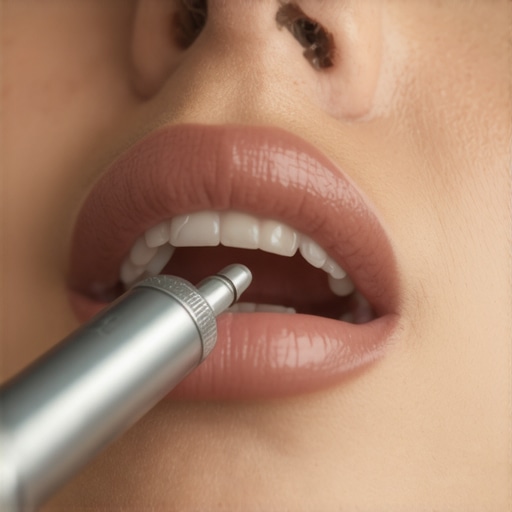
Image prompt: close-up of a person using an intraoral camera, highlighting advanced dental technology in use. Alt text: Person examining their teeth with a modern intraoral camera. Title: Monitoring Oral Health with Advanced Tools.
As I reflect on my journey through dental health, I realize that some of the most valuable lessons weren’t immediately obvious. One unexpected insight was how crucial personalized care is—what works wonderfully for one person might not suit another. I learned that understanding the nuances of crowns and family dentistry can dramatically impact long-term results, preventing minor issues from escalating into costly problems. Additionally, embracing advanced tools and techniques transformed my approach, making routine maintenance more effective and less daunting. These revelations have empowered me to take control of my oral health, emphasizing that knowledge tailored to individual needs truly makes a difference.
Lessons That Changed My Approach to Crown and Family Dentistry Care
- One size does not fit all: Personalized treatment planning—considering your unique oral habits and lifestyle—ensures longer-lasting results, especially when it comes to crowns and family dentistry services. I used to rely on generic advice, but now I consult with professionals who tailor solutions specific to me.
- Early detection trumps reactive fixes: Regular check-ups and advanced diagnostics, like digital imaging, helped me identify potential issues before they became painful or expensive. Staying proactive rather than reactive is the secret to maintaining a healthy smile for life.
- Investing in quality tools pays off: Using high-tech toothbrushes and professional-grade cleaning devices has enhanced my daily routine, effectively reducing plaque and protecting my crowns from premature wear. It’s about smart investments for lifelong benefits.
- Understanding material choices influences longevity: Learning that zirconia crowns offer durability over porcelain helped me make informed decisions. Knowledge about material differences can extend the lifespan of restorations and prevent dissatisfaction.
- Holistic health intertwines with oral wellness: Recognizing the link between gum health and overall systemic well-being, I now prioritize daily habits that support both. Family dentistry isn’t just about teeth; it’s about comprehensive health.
Tools and Resources That Elevate My Dental Routine
- Sonicare DiamondClean Smart: This electric toothbrush’s advanced sonic technology and app integration help me maintain optimal brushing habits, especially around crowns and hard-to-reach areas.
- Intraoral cameras: Incorporating self-checks with these devices allows early detection of minute cracks or decay, facilitating prompt professional intervention.
- Interdental brushes like GUM Soft-Picks: They provide thorough cleaning between teeth and around crowns, significantly reducing plaque buildup.
- Educational resources on trusted sites: Regularly consulting informative content helps me stay up-to-date with the latest in crowns, family dentistry, and oral health tips, empowering me to make better choices.
Keep Your Smile Bright and Your Confidence Strong
Taking charge of your oral health is a continuous journey, enriched by personalized care and technological advancements. Remember, the goal is not just a beautiful smile but a foundation for overall well-being. Start implementing these insights today, and watch how your confidence and health flourish. Your journey toward a healthier, happier smile begins now—don’t wait to embrace the knowledge that can transform your dental experience.