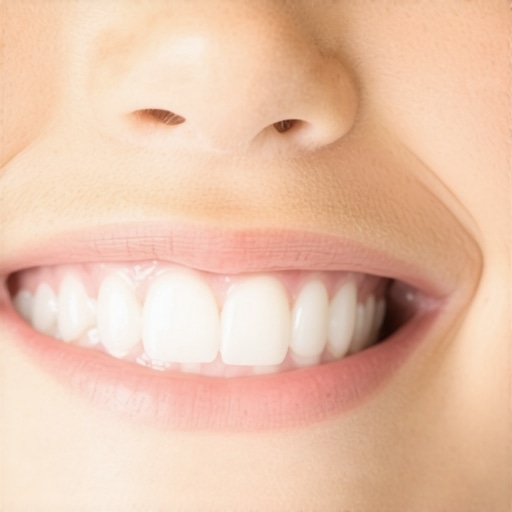
Have you ever caught your child smiling broadly and wondered why their baby teeth gleam like pearls, while their new adult teeth look dull and yellowish? I remember the lightbulb moment when I looked at my child’s grin and realized it wasn’t just a matter of good brushing—it was something deeper. That contrast puzzled me for years until I started digging into the science of tooth development.
Understanding the Whiteness Difference Between Baby and Adult Teeth
In this post, I’ll walk you through why this difference exists and what you can do about it. If you’re worried about this disparity and wonder if it’s something to be concerned about, you’re not alone. Many parents face this same question, and the good news is, there are practical steps to help your child’s teeth look healthier and brighter.
Is Your Child’s Tooth Color Actually a Sign of a Problem?
Early on, I made a mistake—I thought that the duller color of my child’s adult teeth was due to poor hygiene. Turns out, it’s a natural part of tooth maturation. Baby teeth have a different enamel structure, which makes them appear brighter, and this is completely normal. The contrast between the translucent, slick enamel of baby teeth and the thicker, more mineralized enamel of adult teeth is a key factor. According to research from the American Dental Association, the enamel in adult teeth tends to be thicker but more prone to staining over time, which is why they don’t look as white as baby teeth.
So, understanding this natural variation is crucial. It reminds us that the discoloration isn’t always a sign of poor care, but sometimes part of normal development. Still, this doesn’t mean your child’s adult teeth have to stay dull. Proper care can significantly enhance their appearance, boosting their confidence.
The Promise of What We’ll Cover
Today, I’ll help you understand the core reasons behind this whiteness difference, share my personal experiences, and most importantly, give you clear steps to support your child’s oral health and aesthetics. From effective home routines to professional care options, you’ll find practical advice that you can implement right away.
Begin by establishing a consistent brushing schedule, ideally twice daily, using fluoride toothpaste suitable for children. I recall the chaos during my first attempt—messy toothpaste everywhere and my child squirting too much foam—but persistence turned it into a fun bonding activity. Use an electric toothbrush designed for kids; they’re more effective and easier for little hands to maneuver. Incorporate flossing once a day with kid-friendly floss picks to remove plaque and food debris that brushing misses.
To simplify flossing, try using floss holders or water flossers, which can be less frustrating for young children. I started demonstrating flossing like a game, guiding my child’s fingers into gentle, zigzag motions—soon, it became a routine rather than a chore. This routine prevents staining and decay, helping keep adult teeth bright.
Scheduling regular dental checkups at least twice a year is essential. During these visits, your dentist can monitor the development of adult teeth and spot early signs of issues like staining or decay. Building a relationship with a trusted family dentist creates a supportive environment; their guidance is invaluable in maintaining your child’s smile. They might recommend professional cleanings or sealants for molars to prevent deeper fissures from trapping plaque.
Sealants act like clear helmets over back teeth, sealing out sugars and plaque. For instance, I had my child’s molars treated with sealants after a professional cleaning, significantly reducing the risk of cavities. You can learn more about these preventive measures at this resource.
If dullness persists, consider professional whitening designed for children or teens. Avoid over-the-counter kits, which can harm sensitive enamel. During my experience, I consulted with our dentist and opted for a gentle, supervised whitening treatment that provided visible results without damage. Always discuss options with your dental provider before proceeding with whitening procedures.
Limiting sugary and acidic foods, like fruit juices and sodas, prevents staining and enamel erosion. My family adopted a policy of drinking through straws to minimize contact with teeth, a simple trick but effective. For more tips, see this article.
Make oral health routines engaging by turning them into a story or game. Use timers or fun apps to encourage brushing for the recommended two minutes. I introduced a sticker chart, rewarding my child for consistent habits, which reinforced their enthusiasm for clean teeth. Celebrating small victories keeps the routine sustainable and joyful.
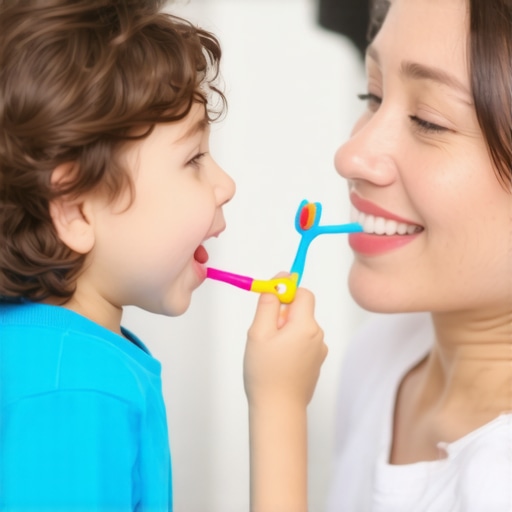 Many people believe that brushing harder leads to cleaner teeth, but in reality, excessive force can damage your gums and enamel, increasing sensitivity and risk of recession. Contrary to popular belief, flossing should be gentle and thorough; aggressive flossing can cause gum irritation and bleeding, which might be mistaken for poor hygiene. When it comes to crowns, some think they last forever—however, improper care or neglecting routine checkups can lead to micro-leaks and fractures, emphasizing the importance of consistent professional evaluations. Additionally, the myth that professional cleaning alone maintains oral health ignores the critical role of daily habits like proper brushing, flossing, and dietary choices. Advanced mistakes include overlooking signs of early decay or gum disease; many adopt a ‘wait-and-see’ approach when symptoms appear, but early intervention can save time, money, and preserve your natural teeth. Did you know that unaddressed plaque and tartar buildup beneath the gumline can lead to systemic health issues, such as heart disease? This highlights why regular cleanings are more than just dental aesthetics—they’re vital for overall wellness. For those seeking long-term results, understanding the nuances of oral care, from the importance of gentle cleaning techniques to the limits of at-home whitening, makes a significant difference. Always consult your family dentist, as personalized advice tailored to your unique needs can prevent common pitfalls and advanced mistakes. For example, some think over-the-counter whitening products are safe, but misuse can cause enamel erosion or sensitivity—consult professional options instead. To maximize your oral health, it’s essential to move beyond misconceptions and adopt an informed, proactive approach. Remember, maintaining your smile isn’t just about aesthetics but nurturing your overall health. Have you ever fallen into this trap? Let me know in the comments.
Maintaining optimal oral health isn’t a one-time effort; it requires the right tools and consistent practices that support your family’s dental journey. From innovative toothbrushes to advanced cleaning techniques, investing in reliable equipment can significantly extend the life of your crowns, prevent decay, and promote overall oral wellness. Today, I’ll share the specific tools I personally recommend, backed by my experience and up-to-date research, to help you keep your smile in top shape for years to come.
Electric Toothbrushes with Precision Oscillation
After trying several options, I swear by high-quality electric toothbrushes that feature sonic or oscillating-rotating technology. Brands like Philips Sonicare and Oral-B offer models with timers and pressure sensors, ensuring you brush effectively without damaging your gums or enamel. I’ve noticed a marked improvement in plaque removal and reduction in sensitivity since switching. These devices help maintain the shine of crowns and natural teeth alike, making routine cleaning more thorough and less labor-intensive. For consistent results, replace the brush head every three months as recommended by dental experts.
Water Flossers for Gentle Yet Effective Plaque Removal
My personal favorite is the Waterpik, which provides a gentle alternative to traditional flossing. Especially beneficial for those with crowns or braces, water flossers remove debris deep between teeth and along the gumline without risking damage from aggressive flossing. I use mine daily after brushing to ensure no food particles or plaque are left behind. For families, selecting an easy-to-hold water flosser encourages kids to develop healthy habits early. When used consistently, this tool supports the longevity of dental restorations and offers a fresh, clean feeling that surface brushing alone can’t achieve.
Professional-Grade Sealants and Protective Coatings
While sealants are commonly associated with children, adults can benefit from them too, especially those with deep fissures or prone to decay. I recommend discussing with your dentist about applying sealants or resin-based protective coatings on vulnerable molars. These thin, durable layers act as a shield against cavity-causing bacteria and are surprisingly long-lasting when properly maintained. Regular professional visits ensure the sealants remain intact, providing ongoing protection that complements your daily routine. Learn more about these preventive measures.
Advanced Whitening Devices for a Brighter Smile
For those looking to enhance their aesthetic results, I’ve found that LED whitening devices, used under professional supervision, can offer safe, noticeable improvements. Unlike over-the-counter kits, these devices use light technology combined with a gentle whitening gel to brighten teeth without sensitivity. Incorporating such a device into your routine can keep crowns and natural teeth consistently radiant, especially when paired with tips on avoiding stain-causing foods. Always consult with your dentist before starting an advanced whitening protocol to ensure suitability and safety.
What’s Next for Your Oral Care Routine?
Predicting future trends, I believe integration of smart technology into dental tools will become commonplace. Imagine toothbrushes that monitor your brushing patterns via smartphone or devices that alert you to early signs of wear on crowns. Staying ahead means adopting tools that not only clean but also inform and motivate. For now, I encourage you to try a water flosser — I guarantee it will improve your long-term periodontal health. Remember, consistently using these recommended tools, combined with regular professional checkups, like those offered by family dentistry, sets the foundation for a lifetime of confident, healthy smiles.
What I Wish I Knew When I Started Caring for My Kids’ Smiles
- Realizing that baby teeth aren’t just temporary—protecting them early sets the stage for lifelong oral health, a lesson I learned the hard way by neglecting preventive tools that could have made a difference.
- Understanding that natural tooth color varies with age and development helped me set realistic expectations, saving me from unnecessary worries and invasive treatments.
- Adopting gentle, consistent home routines combined with professional guidance proved more effective than quick fixes, reinforcing the importance of patience and persistence in dental care.
- My biggest revelation was that advancements like sealants or tailored whitening options are more accessible and safer than I once believed, emphasizing the value of consulting with experts rather than relying solely on OTC products.
- Embracing modern tools such as electric toothbrushes and water flossers, backed by credible research, transformed my approach from reactive to proactive, ensuring my family’s smiles stay vibrant for years to come.
Tools and Resources That Changed How I Approach Oral Wellness
- Philips Sonicare ProtectiveClean: This electric toothbrush offers gentle yet thorough cleaning, with built-in timers and pressure sensors that prevent damage—something I personally depend on for my children’s sensitive teeth, and I recommend it for strong, healthy results.
- Waterpik Water Flosser: For effective plaque removal without the hassle, this device has been a game-changer, especially beneficial around crowns or braces—a device I trust after seeing tangible improvements in my family’s gum health.
- Sealant Applications by Our Dentist: Professional application of sealants on molars provides a durable barrier against decay, offering peace of mind. I’ve seen first-hand how this preventive step preserves teeth and reduces future dental visits.
- Reliable Dental Consultation: Regular, personalized advice from our trusted family dentist has been invaluable, guiding choices from whitening to crown care. Their expertise helps avoid costly mistakes and ensures tailored solutions—an essential resource I swear by.
- Smart Whitening Devices: LED-based, professionally supervised whitening options have revived my smile without risking enamel damage, proving that technology can safely boost aesthetics when used correctly.
It’s Time to Take Action and Smile Confidently
Every smile tells a story, and investing in your family’s oral health now can lead to decades of bright, healthy encounters. Embrace the knowledge, tools, and routines that suit your lifestyle—your future self will thank you for the effort. Remember, the journey to a radiant smile is ongoing, but with the right habits and expert guidance, it becomes an inspiring adventure. So, why not start today and make that confident smile a lasting gift? Your family’s brightest days are just a routine away.
What’s your biggest challenge when it comes to maintaining your family’s oral health? Share your experiences below—I’d love to hear your story!
,