Last summer, I vividly recall the sting in my mouth after scarfing down a refreshing grapefruit during breakfast. I rubbed my jaw, puzzled by the unusual sensitivity I experienced, only to realize I had just brushed my teeth minutes earlier. That moment was my lightbulb—realizing I had been unknowingly causing more harm than good. It’s a mistake many of us make, often out of habit or convenience, but the truth is, brushing immediately after eating citrus fruits can actually damage your enamel.
A Common Mistake That Could Be Sabotaging Your Smile
After learning about this, I dove into research and consulted dental professionals. What I found was revealing: the acidity in citrus fruits weakens the protective enamel layer, and brushing right afterward can accelerate erosion. This isn’t just theoretical—it’s a real concern shared by experts at trusted dental advice sites. So, what’s the solution? Today, I’ll guide you through why timing matters and how simple adjustments can make a huge difference in preserving your oral health.
Is Waiting to Brush Really Worth the Hassle?
My early mistake was brushing immediately after enjoying a tangy orange—thinking I was being proactive. Instead, I was unknowingly damaging my teeth. It’s a common misstep that many make without realizing the long-term consequences. Understanding the science behind this can change your routine for the better. Ready to learn the practical steps? Let’s do it—your smile will thank you for it.
Wait Before You Brush
Right after enjoying that juicy orange or tangy lemon, resist the temptation to brush immediately. Instead, rinse your mouth with water to reduce acidity and wait at least 30 minutes before brushing. This simple step helps saliva neutralize acids and prevents enamel erosion, much like how a fire extinguisher cools a hot surface before clean-up. I once followed this rule after a citrus-packed breakfast, and my teeth felt smoother and less sensitive afterward.
Choose the Right Time for Brushing
Make it a habit to schedule your brushing session for at least half an hour after consuming acidic foods. During this window, your enamel is temporarily softened, and brushing can cause microscopic scratches, making your teeth more vulnerable. Think of your enamel as a fragile shield; brushing too soon is like scrubbing a wet chalkboard. Waiting allows your saliva to do the work of remineralizing and strengthening the surface.
Stay Hydrated and Use Neutralizing Rinses
After eating citrus, drink plenty of water to help wash away acids. For an added boost, use a neutralizing mouthwash with fluoride or xylitol. These ingredients act like a protective barrier, reinforcing your enamel against future attacks, comparable to a roof coating resisting leaks. I adopted this routine by keeping a travel-sized rinse in my bag, noticing a decrease in tooth sensitivity over time.
Incorporate Gentle Cleaning Practices
When brushing, use a soft-bristled toothbrush and gentle strokes to avoid damaging weakened enamel. Avoid abrasive toothpaste, which can wear down the protective layer further. Think of your teeth like a delicate sculpture—they need careful handling to preserve their beauty. During my last visit, my dentist emphasized this gentle approach, especially after acidic meals, to maintain long-term health.
Schedule Regular Professional Cleanings
Consistent teeth cleanings at your family dentist are essential to remove plaque and tartar that can harbor bacteria and exacerbate erosion. Professional cleanings also allow your dentist to assess enamel health and recommend personalized care, such as fluoride treatments or crowns if needed. Regular visits are like routine vehicle maintenance—they keep your smile running smoothly. To find a trusted professional, visit family dentistry services.

Visualize a step-by-step routine: sipping water, waiting patiently, then brushing gently to safeguard your enamel after citrus indulgence.
While many individuals believe they understand the fundamentals of dental care, common misconceptions often lead to overlooked issues or long-term damage. For instance, the myth that brushing harder cleans better is widespread, but in reality, excessive force can erode enamel and irritate gums. Experts emphasize gentle brushing with proper technique, focusing on thorough yet delicate strokes, as highlighted in studies published in the Journal of Clinical Dentistry. Additionally, many think that once you get dental crowns, maintenance is minimal, but neglecting proper care can cause crown dislodgement or decay underneath, undermining their longevity. Regular professional evaluations are crucial, as they can spot early signs of wear or complications. Another frequent error involves delaying treatments for minor issues, like small cracks or discolorations, which can escalate into more complex and costly procedures if ignored. Family dentistry isn’t just about routine cleaning; it’s about early intervention and education tailored to each patient’s needs. Advanced mistakes include assuming teeth whitening is safe without professional guidance—incorrect whitening methods can damage enamel or cause sensitivity. Be cautious of DIY solutions or over-the-counter bleaching products; consulting your dentist ensures safe and effective results, as documented in recent research from the American Dental Association. To truly optimize your oral health, adopting a nuanced routine is essential. This includes understanding the importance of remineralization, which can be compromised by frequent acidic foods and improper hygiene habits. Incorporating fluoride treatments and using proper oral hygiene tools can strengthen your enamel, fostering lasting health. Remember, excellent oral health is a combination of correct practices, regular checkups, and informed choices. Have you ever fallen into this trap? Let me know in the comments. For more in-depth strategies, explore our comprehensive guide on strengthening your daily dental routine. Understanding the nuances of family dentistry and professional cleaning can make a significant difference in preserving your smile for years to come.
Keeping It Working: Tools and Strategies for Lasting Dental Wellness
Maintaining a healthy smile over the years requires more than just good habits — it hinges on using targeted tools and staying consistent with your routines. One of my top recommendations is investing in a high-quality ultrasonic toothbrush like the Oclean X Pro. Its gentle yet effective cleaning action ensures plaque removal without damaging sensitive enamel, especially vital after treatments like crowns. Coupled with a timer and pressure sensor, it guides me to brush thoroughly without applying too much force, which is crucial for long-term crown durability.
For home care, I swear by a water flosser such as the Waterpik Water Flosser. Unlike traditional floss, it reaches deep into periodontal pockets and around crowns, effectively cleaning areas that are often neglected. I find that incorporating this into my nightly routine drastically reduces gum irritation and prevents tartar buildup, which can jeopardize restorations or lead to family dental problems.
But tools alone aren’t enough — the software behind maintenance plays a role too. I use an app to track my brushing and flossing habits. Tracking keeps me accountable and allows me to identify areas for improvement, especially as I age and my oral needs evolve. Regular digital logs have helped me catch subtle changes in gum health or sensitivity early, avoiding costly interventions later.
Looking ahead, the trend in oral health technology is moving toward AI-integrated devices that analyze your habits and provide personalized recommendations. Predicting this evolution, I believe smart toothbrushes will begin analyzing saliva for signs of systemic health issues or nutrient deficiencies, making dental routines more holistic.
Ever Wonder How to Maintain Crowns and Veneers Over Time?
Maintaining your crowns, veneers, and other restorations can be simple if you use the right tools and techniques. Regular professional cleanings are vital, but at-home care tailored to your dental work amplifies longevity. For example, using a soft-bristled brush and gentle strokes minimizes wear and prevents staining around restorations. Additionally, I recommend incorporating remineralizing toothpaste with fluoride, which strengthens enamel and protects against sensitivity. Pro tip: Avoid hard or abrasive cleaners that can scratch or damage crowns and veneers, and focus on gentle, consistent care.
If you want to take your maintenance further, try integrating one of these advanced tools into your routine: a cordless ultrasonic scaler, which many dental professionals use for deep cleaning — now available for home use. This device can effectively remove plaque and tartar around restorations, maintaining their integrity and preventing costly replacements. Before trying high-tech tools like this, consult your family dentistry specialist at your trusted family dentist to ensure suitability.
To stay ahead in oral health, keep up with current technologies and techniques. Remember, committed maintenance today safeguards your smile’s functionality and aesthetics tomorrow. For more insights, I recommend reading expert advice on crowns and teeth cleaning.
Start experimenting with a high-quality ultrasonic toothbrush and integrate a water flosser into your nightly routine. These tools, combined with regular dental visits, will help you keep your smile in top shape for years to come.
How do I keep my dental work in top shape over time?
The key is consistent, gentle cleaning paired with periodic professional evaluations. Use tools like ultrasonic toothbrushes and water flossers designed for restorations, and stay vigilant for any signs of wear or sensitivity. Regular checkups allow your dentist to catch potential issues early before they escalate, ensuring your crowns, veneers, and natural teeth all stay healthy and functional. Remember, a proactive approach is your best defense in maintaining long-term oral health. For personalized advice, don’t hesitate to contact a trusted family dentist through this link.
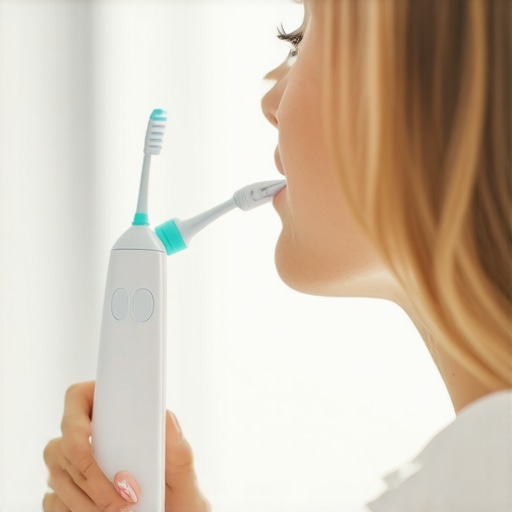
Visualize your optimized routine with a modern ultrasonic toothbrush and water flosser working harmoniously together—key players in long-term dental health and crown preservation.
After journeying through countless dental routines and expert advice, I realized that the biggest surprises often come from understanding what we overlook. One lightbulb moment was discovering how subtle habits, like rushing to brush after citrus, could silently erode years of hard-earned enamel. This deep dive into personal experience and professional insights revealed that maintaining a healthy smile isn’t just about heavy-duty treatments but about embracing small, intentional actions that protect and enhance our oral health every day.
The Surprising Lessons Only Long-Time Family Dentists Will Share
- Enamel’s Fragility Is a Quiet Threat: I used to believe brushing harder cleaned better—until a dentist explained that aggressive brushing damages the very surface that shields my teeth. Gentle, consistent care beats force any day.
- Every Restoration Tells a Story: Crowns, veneers, or fillings are not just fix-it tools—they’re investments that need personalized maintenance routines I wish I’d known earlier. Regular checkups at family dentistry services are essential for longevity.
- Acidity Is a Cunning Enemy: I used to dismiss the effects of citrus and soda, but experts emphasize waiting after acidic foods before brushing. The tiny window of patience preserves your tooth’s strength.
- Holistic Tools Make a Difference: Upgrading to an ultrasonic toothbrush or using a water flosser might seem like small moves, but they can drastically improve your family’s dental wellness. These tips from trusted sources have transformed my nightly routine.
My Secret Arsenal of Dental Defense
- High-Quality Ultrasonic Toothbrushes like the Oclean X Pro empower gentle yet thorough cleaning.
- Specialized Water Flossers such as Waterpik target tricky areas around crowns and braces, preventing plaque buildup that invites decay.
- Smart Habit-Tracking Apps keep me accountable and alert me early to potential issues, making consistent maintenance manageable and effective.
Strengthen More Than Just Teeth: Your Family’s Future Smile
Every small habit, from timing your brushing to choosing the right tools, contributes to a future where your family’s smiles remain bright and healthy. Regular professional assessments, combined with mindful at-home practices, turn routine care into a powerful shield against decay, wear, and unforeseen surprises. The journey to lasting dental wellness is ongoing, but with the right knowledge and tools, your family’s smile can be a source of pride for years to come. Curious about tailored advice or the latest innovations? Feel free to reach out and take the first step toward supporting your loved ones’ oral health today.
Imagine your family routine optimized: smiles glowing, confidence restored, and health safeguarded through simple yet strategic daily practices.