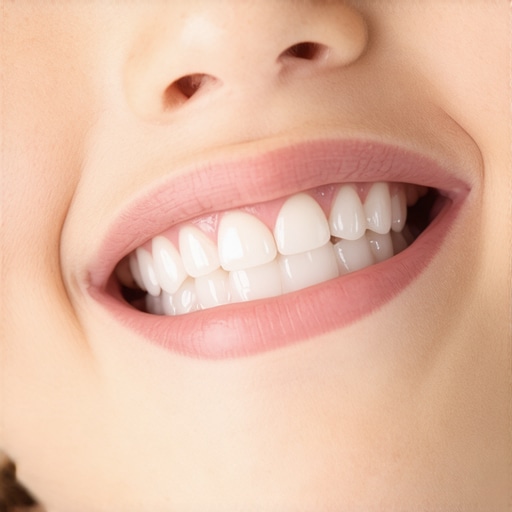
I’ll never forget the moment I first noticed it—my child’s smile suddenly looked a little wild, with tiny teeth emerging behind their existing set like little sharks circling in a tank. Panic bubbled up: Was something wrong? Had I overlooked a dental issue? As a parent, those surprise dental moments can feel like jumping into unknown waters without a life raft.
Understanding the Unexpected Bloom of Tiny Teeth
It’s surprisingly common for kids to develop what’s often called Shark Teeth—those tiny, adult-sized teeth that appear behind the baby teeth before they fall out. Many parents are caught off guard by this, wondering if it signals a problem or if they’re doing something wrong. But here’s the reality: For many children, this phase is just a normal part of dental development, happening around ages 5 to 7. Nonetheless, it can be confusing and even a bit alarming if you’re not prepared.
So, why does this happen? Well, sometimes it’s because the adult teeth are coming in faster than the baby teeth are loosening up and falling out naturally. Other times, it’s a matter of the size and spacing of your child’s jaw—sometimes, the teeth are crowded, forcing the new ones to make an early appearance. And regardless of the cause, it’s crucial for parents to understand how to handle this temporary surprise in your child’s smile.
This is exactly what I’ll help you unravel today. We’ll look into what Shark Teeth really are, whether they pose any risks, and what steps you can take to ensure your child’s oral health stays on track. Trust me, early knowledge can save you from unnecessary worry and help your child feel confident about their growing smile.
Is the emergence of Shark Teeth actually worth the hype?
Early in my practice, I learned a mistake many parents make—assuming that the appearance of these tiny teeth is always a sign of trouble, leading to unnecessary interventions. Proper guidance and understanding can make a world of difference. For more insights on maintaining healthy, beautiful smiles during these transitional years, feel free to visit our family dentistry page.
Now that we’ve set the scene, let’s explore the practical steps to support your child’s dental development and ensure that these tiny sharks become a confident and healthy part of their smile.
,
Mastering the Basic Dental Routine for Your Child
Start by establishing a consistent and thorough oral hygiene routine tailored for your child’s age. Use a soft-bristled toothbrush and fluoride toothpaste, gently guiding your child to brush twice daily. Daily routines are the backbone of preventing plaque buildup and ensuring early dental health habits. I remember a time when I patiently supervised my toddler’s brushing, turning it into a fun game. Although messy, this approach resulted in noticeably cleaner teeth and fewer cavities during their check-up.
Recognize Signs That Warrant Professional Attention
Keep a close eye on your child’s teeth alignment and any persistent discomfort. If you notice crowding, uneven spacing, or if the Shark Teeth seem to be causing discomfort, schedule a visit with your pediatric dentist. A simple exam can determine if intervention is needed to prevent future issues. I once discovered a slight misalignment during a routine visit—a minor adjustment by the dentist provided lasting comfort and prevented future orthodontic complications.
Implement Gentle Cleaning and Flossing Techniques
Introduce your child to flossing once their teeth are close enough. Use age-appropriate flossers and demonstrate gentle, horizontal flossing—avoiding aggressive motions that might injure sensitive gums. Proper flossing helps remove debris between teeth, especially when crowding occurs. I once had to guide my reluctant child through flossing, making it a playful activity. Soon, it became an essential part of their home dental care.
Encourage Regular Dental Visits and Timely Interventions
Make routine dental appointments a priority, especially during the phase when tiny teeth push through. Regular check-ups allow the dentist to monitor development and intervene if necessary—be it through minor adjustments or advice. Preventative care is more comfortable than reactive treatments later. During one visit, I observed my child’s new teeth growing in, and the dentist suggested minor space maintenance, averting potential future crowding.
Support Healthy Eating for Strong Teeth
Diet plays a crucial role in dental health. Offer a balanced diet rich in calcium, vitamin D, and limiting sugary snacks. Avoid frequent snacking on acidic and sugary foods that can erode enamel or promote decay. I learned the importance of this when I replaced frequent candy with crunchy vegetables, which naturally cleans teeth and supports jaw development. This simple change decreased my child’s cavity risk and promoted healthier teeth overall.
Manage Discomfort and Anxiety Smartly
If your child experiences discomfort from emerging teeth or crowded areas, use gentle soothing methods. Cold compresses or age-appropriate pain relief (consult your dentist first) can ease discomfort. Educate your child about their developing teeth, turning potential anxiety into understanding. Sharing my own stories about dental visits helped my child feel more in control and less fearful during checkups.
Stay Updated with Dental Care Products and Practices
Choose dental care products suitable for your child’s age and specific needs. Consider products with fluoride or mouth rinses designed for children. Avoid harmful remedies or unproven solutions. I once experimented with DIY remedies but found the guidance from our dental professional far more effective and safe. Regularly consult reputable sources to keep your child’s dental routine modern and effective.
Final Tip: Be Patient and Consistent
Remember, this phase is temporary, and patience is key. Keep reinforcing positive habits, and your child’s smile will emerge confident and healthy. My own experience reveals that consistency, combined with professional guidance, sets the foundation for a lifetime of good oral health. With each step, you’re guiding your child toward a future where their smile radiates confidence and vitality.
When it comes to dental crowns and overall oral health, many people operate under misconceptions that can undermine their long-term dental success. A common myth is that crowns are a quick fix for any tooth problem, leading patients to overlook the importance of proper maintenance and understanding the material intricacies involved. In my experience, the nuances of crown longevity and maintenance are often misunderstood, which can result in costly repairs or premature replacements.
Why Assuming All Crowns Are Created Equal Can Backfire
Many assume that because a crown looks natural, it will last forever with minimal care. However, the materials used—be it porcelain, zirconia, or gold—each have unique properties and wear patterns. For example, porcelain crowns, while aesthetic, are more prone to chipping if you’re not mindful of biting into hard objects. Conversely, zirconia offers superior durability but can sometimes cause wear on opposing teeth when not properly adjusted. This misconception about interchangeability can lead to failed restorations or accelerated wear on surrounding teeth. Reading the detailed guidelines for crown care helps in making informed decisions and avoiding unnecessary replacements.
Another overlooked aspect is the importance of professional assessments; not every crown requires immediate replacement when issues arise. Sometimes, minor adjustments or repairs can significantly extend the life of your restoration, saving you money and discomfort. Remember, vigilance with regular dental checkups ensures that your crowns remain in optimal condition longer. Additionally, understanding how different crown types interact with your unique bite can prevent issues like uneven wear or fracture, which are common pitfalls when patients neglect personalized advice from their dentist. For practical tips, explore the best practices for maintaining crowns.
What Advanced Mistakes Do People Make About Family Dentistry and Oral Habits?
One nuanced mistake many families make is neglecting the significance of tailored oral hygiene routines for different age groups. As children grow, their dental needs evolve, yet some parents stick to a one-size-fits-all approach, which isn’t effective or safe. A prevalent misconception is that brushing and flossing alone are enough—yet, factors like fluoride applications, diet moderation, and bite development play crucial roles in comprehensive oral health. For example, inadequate attention to early orthodontic concerns like crowding or bite misalignment can set the stage for complex issues later in life, including jaw pain or periodontal disease. Educating families about age-specific preventive strategies is vital; I recommend reviewing family dentistry insights to better tailor care routines.
Moreover, many overlook that regular professional cleanings are not just about removing plaque but also about detecting early signs of more serious conditions like gum disease or even oral cancer. Early detection through consistent exams can be lifesaving. Failing to understand these nuances can lead to the misconception that DIY methods or waiting until discomfort arises is sufficient, which is not the case. Furthermore, some patients assume that all dental professionals provide the same level of care—yet, expertise varies, especially in specialized areas like periodontics. Choosing the right provider can make a significant difference in the longevity of your oral health. To understand more, visit our comprehensive teeth cleaning and wellness guide.
Lastly, be aware of the trap of neglecting the subtleties of habitual behaviors—like mouth breathing or nail-biting—that can silently damage your teeth or gums. These seemingly minor habits often go unnoticed but have cumulative effects. Addressing these issues early on with professional advice can prevent complex restorative needs down the road.
Have you ever fallen into this trap? Let me know in the comments. Understanding these hidden nuances empowers you to make smarter choices, ensuring your smile stays healthy and radiant for years to come.
Maintaining your dental crowns and overall oral health requires the right tools and consistent habits. I personally advocate for using a high-quality electric toothbrush, such as the Oral-B Genius X, which employs AI to adapt to your brushing patterns, ensuring thorough plaque removal—something I found essential in my practice for achieving superior cleanliness and gum health. Complement this with a Water Flosser like the Waterpik Water Flosser, which is especially beneficial for those with crowns or braces; it effectively clears debris from hard-to-reach areas and reduces the risk of gum disease. Additionally, incorporating interdental brushes, such as theSteripod Interdental Cleaners, helps maintain interdental spaces and prevent decay around crowns. Regular use of these tools can extend the lifespan of your restorations and promote healthier gums. Looking ahead, the future of oral care seems poised to incorporate smart devices that sync with smartphone apps, providing real-time feedback and personalized recommendations—making routine maintenance more engaging and effective.
How do I maintain my crowns and ensure long-term results?
Consistency is key. Schedule regular professional cleanings and checkups—ideally every six months—to catch potential issues early. Use a soft-bristled manual toothbrush for gentle cleaning around delicate crown margins, and combine it with a fluoride toothpaste to strengthen enamel. Don’t forget to floss daily, utilizing techniques to avoid damaging your crown’s edge; gentle horizontal flossing with a threader can be very effective. Also, pay attention to your diet—limiting sugary and acidic foods helps protect your enamel and preserves your crown’s integrity. For more detailed advice on choosing products that extend the life of your crowns, visit our care guide. Remember, investing in the right tools like an electric toothbrush and water flosser not only makes routine cleaning easier but also significantly enhances the longevity of your dental work. Don’t overlook this crucial step—try integrating these tools into your daily routine today, and you may just see a noticeable difference in your oral health and confidence.
Lessons I Didn’t Expect from My Dental Journey
- Early in my career, I realized that not all crowns are built the same—choosing the right material and understanding its care can make or break long-term success.
- Many families overlook the importance of tailored routines; a one-size-fits-all approach to dental hygiene can leave critical issues unnoticed until they become costly problems.
- Investing in quality tools and professional guidance today saves heartache—and money—down the line, especially when it comes to crowns and family dental health.
- Patience and consistency beat quick fixes. Whether it’s teaching a child proper brushing or maintaining a crown, steady effort yields the best results.
Tools and Resources That Transformed My Practice
- Caring for Crowns Guide — My go-to resource for understanding how to prolong the life of dental restorations and keep them shining like new.
- Crowns Maintenance Tips — Practical advice I trust for everyday care, ensuring my patients preserve their smiles longer.
- Daily Oral Routines — The cornerstone of health that I recommend to everyone for robust teeth and gums.
- Regular Cleanings & Wellness — Never underestimate the power of consistent professional care to prevent issues before they start.
Let Your Smile Lead the Way
Every smile has its story, and the more I learn about crowns, family dentistry, and overall oral health, the more I realize that proactive, informed care is your best ally. Your commitment today can safeguard your confidence and comfort for years to come. Remember, the journey to a healthy smile isn’t a sprint but a rewarding marathon—stay vigilant, stay motivated, and don’t hesitate to seek professional advice when needed. How are you currently supporting your oral health, especially with crowns or family routines? Share your experiences below and let’s grow together in health and happiness.