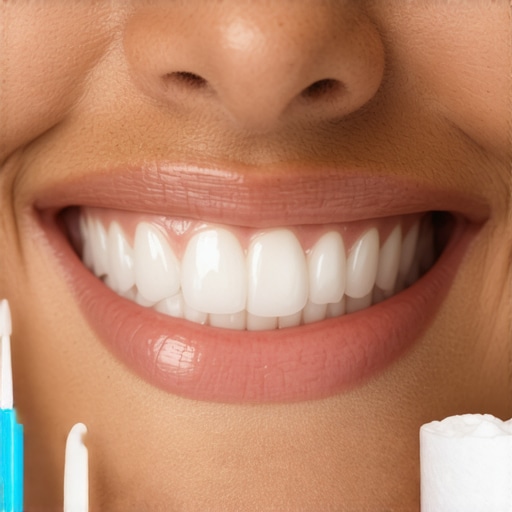
It was a typical Saturday morning when I looked into the mirror and suddenly felt a wave of disappointment. My teeth looked dull, and I realized I had been neglecting my smile more than I thought. Then came the accidental discovery: a family member mentioned brushing with baking soda for whitening, and I remembered the times I’d try it myself, only to feel a burn or see little results. That lightbulb moment made me wonder—does baking soda really work, and more importantly, is it safe?
My Experience with Baking Soda and What I Learned
When I first started experimenting with baking soda, like many others, I was attracted by its affordability and natural status. But my early attempts were riddled with mistakes. I brushed too hard, used it every day, and ignored the signs of enamel wear. It was a costly mistake I don’t want anyone else to make. Since then, I’ve dug deeper, reading expert opinions and personal stories, and testing different approaches.
The promise I want to share today is that you can achieve a brighter smile naturally, safely, and sustainably—without risking damage or wasting money on ineffective methods.
Is Baking Soda Actually Worth the Hype?
Many folks swear by baking soda as a top-tier whitening solution. It’s true—its abrasive qualities can scrub away surface stains. However, overdoing it can erode tooth enamel, leading to sensitivity and discoloration in the long run. According to research from the American Dental Association, when used improperly, baking soda can slightly increase cavity risk if it wears down enamel (source: [ADA Journal](https://www.ada.org)). That’s why understanding the proper technique and frequency is crucial.
The key is moderation and knowledge. I learned this the hard way when I scrubbed my teeth multiple times daily, thinking more effort = faster whitening. It backfired, leaving my teeth sensitive and looking worse. Real results came when I adopted a gentle, measured approach and combined it with better oral hygiene routines—like regular flossing and professional cleanings. For a comprehensive routine, I recommend checking out this [oral health routine guide](https://periodontistcare.com/oral-health-routine-strengthening-your-smile-every-day).
So, have you ever felt frustrated or confused by quick-fix whitening tips? Believe me, you’re not alone. Today, I’ll walk you through the facts, the common pitfalls, and how to safely incorporate baking soda into your oral care. Ready to learn the truth and get that confident smile? Let’s dive in.
Apply Baking Soda Correctly for Best Results
After learning from my early mistakes, I now prepare a simple yet effective mixture: mix half a teaspoon of baking soda with a few drops of water until it reaches a paste-like consistency. Use a soft-bristled toothbrush to gently spread the paste over your teeth, avoiding harsh scrubbing which can damage enamel. I remember once trying to use a regular toothbrush and pressing too hard; the paste was gritty, and my gums felt irritated afterward. Keep your brushing gentle, focusing on surface stains, much like sanding lightly to smooth the surface rather than removing too much material.
Set a Safe Frequency Schedule
Limiting baking soda use to 2-3 times per week is essential. If you overuse it, you risk eroding your enamel, leading to increased sensitivity and discoloration. I initially brushed daily, which caused discomfort and increased sensitivity. Now, I stick to my schedule and notice less sensitivity and a brighter smile over time. Think of maintaining your teeth like tending a garden: too much of a good thing can be harmful, so moderation is key.
Complete Your Oral Hygiene Routine
Using baking soda alone isn’t enough; it should complement your regular dental routine. Brush twice daily with toothpaste containing fluoride to strengthen your enamel. Incorporate flossing once a day to remove plaque between teeth, much like clearing debris from between rocks in a stream to keep the water flowing smoothly. Additionally, consider mouthwash to reduce plaque buildup and freshen breath.
Building a comprehensive daily routine is vital for long-term results. Remember, baking soda is an abrasive, so pairing it with a gentle, overall health-conscious routine yields the best outcomes.
Regular Professional Cleanings Make a Difference
Visit your dentist at least twice a year for professional cleaning. They can remove stubborn stains and check for early signs of enamel wear or other issues. I once skipped my bi-annual appointment, and my DIY whitening efforts masked underlying plaque buildup, which my dentist caught during a follow-up. Think of professional cleanings as seismic inspections—they keep your smile structurally sound while enhancing appearance.
Know When to Seek Expert Advice
If you notice increased sensitivity, persistent discoloration, or your teeth feel different after using baking soda, consult your dentist promptly. They might recommend alternative whitening options or treatments like dental crowns or other procedures suited for your needs. Remember, understanding your unique dental health is crucial for safe and effective whitening.
When it comes to dental health, many people operate under myths or oversimplified beliefs that can hinder their care. One widespread misconception is that dental crowns are just temporary fixes, leading some to neglect proper maintenance or ignore signs of damage (read more about [how to maintain your dental crowns](https://periodontistcare.com/maintaining-your-dental-crowns-dos-and-donts-for-best-results)). In reality, crowns require diligent care to maximize longevity and prevent unnecessary replacements.
Another overlooked nuance involves the importance of thorough teeth cleaning routines. While daily brushing is common knowledge, some believe that brushing more frequently or vigorously accelerates cleaning. In contrast, overbrushing can wear down the enamel and gums, increasing sensitivity and decay risks. Proper technique and professional cleanings play a crucial role in comprehensive oral health, as emphasized in [the impact of regular teeth cleaning](https://periodontistcare.com/the-impact-of-regular-teeth-cleaning-on-overall-oral-wellness).
Many assume that family dentistry only focuses on children, but the reality is that excellent family dental practices serve patients of all ages, providing continuity and tailored care. This holistic approach helps catch age-related issues early and ensures better long-term health, highlighted in [family dentistry focus](https://periodontistcare.com/family-dentistry-focus-building-a-lifetime-of-healthy-smiles).
A common trap in oral health is oversimplifying the significance of teeth whitening treatments. While it’s tempting to seek quick aesthetic results, many overlook the potential harm of improper at-home methods or the importance of addressing underlying issues like plaque buildup or enamel erosion first. Professional guidance, such as understanding [the role of crowns in smile makeovers](https://periodontistcare.com/understanding-the-role-of-crowns-in-modern-smile-makeovers), can ensure lasting and safe results.
The hidden nuance here is that the best outcomes in dental health depend on combining advanced knowledge with cautious practice. For example, neglecting regular professional exams can cause minor issues like plaque or tartar buildup to develop into severe problems, including gum disease or tooth loss. As shown in [professional cleanings and overall wellness](https://periodontistcare.com/the-impact-of-regular-teeth-cleaning-on-overall-oral-wellness), preventive care saves time and money in the long run.
Have you ever fallen into this trap? Let me know in the comments. Remember, deep understanding and careful practices are what truly distinguish good dental care from the common misconceptions that can sabotage your smile.
Keeping It Working: Tools I Recommend for Lasting Oral Health
When it comes to maintaining your oral health and ensuring that your whitening efforts last, having the right tools can make all the difference. I’ve tested various equipment and software to find what truly supports long-term results and makes routine care more effective and manageable.
One essential device I highly recommend is a sonic toothbrush. Unlike traditional manual brushes, sonic models like the Oral-B Sonicare vibrate at high frequencies, reaching every nook and cranny. This ensures thorough plaque removal and is gentle on enamel if used correctly. The key is to brush for at least two minutes twice daily, focusing on gentle pressure, as overzealous scrubbing can erode enamel—something I learned from personal experience.
Additionally, I rely on a water flosser such as the Waterpik Ultra. It’s a game-changer for family members or those with braces, crowns, or implants, providing deep cleaning between teeth. Regular use significantly reduces plaque buildup, preventing the necessity for frequent professional cleanings. For guidance on proper flossing techniques, I refer to this expert advice to maximize benefits without irritating gums.
In terms of software, I use a dental health tracking app like MySmileCare which reminds me about regular checkups, tracks whitening progress, and logs any sensitivity issues. This holistic approach helps me stay on top of my routine and catch problems early before they escalate. Staying consistent is crucial—think of it as an ongoing investment in your smile’s future.
How do I maintain these tools over time?
Proper maintenance of your dental tools is vital. Rinse your sonic toothbrush thoroughly after each use, and replace the brush head every three months or sooner if bristles fray. Water flossers should be descaled monthly using vinegar or manufacturer-recommended cleansers to prevent buildup. Regularly updating your tracking app ensures you stay motivated and aware of your habits, making adjustments as needed. Remember, neglecting routine maintenance can lead to device failure or reduced effectiveness, undermining your long-term results.
The future of oral health tools is moving toward smarter, integrated systems—think AI-driven toothbrushes that adapt to your brushing style or apps that analyze your saliva for early signs of health issues. Staying updated with these innovations can give you an edge in preserving your smile’s health and appearance.
If you’re serious about keeping your smile at its brightest and healthiest, start by investing in a quality sonic toothbrush and a water flosser. Incorporate regular maintenance and tracking into your routine, and you’ll notice sustained improvements over time. And if you’re eager to enhance your routine further, consider exploring professional treatments like crowns or whitening, which can benefit from the tools and habits outlined here. Need personalized guidance? Contact my practice today to discuss the best strategies tailored for you.
Three Lessons That Changed How I Care for My Smile
Decades of dental visits and personal experiments taught me that simplicity often beats complexity. For example, I once believed more frequent brushing would amplify whitening, but I realized overbrushing damages enamel and leads to sensitivity. A pivotal moment was understanding that not all dental products are created equal, and some can do more harm than good if misused. I also learned that the best oral health isn’t about quick fixes but consistent habits, like regular flossing and professional cleanings. These insights helped me embrace a routine that’s safe, effective, and sustainable—transforming my approach from reactive to proactive.
Another lesson was recognizing the importance of personalized dental advice. What works for one person might not suit another—especially when considering crowns or family dentistry practices. Never hesitate to seek tailored guidance from professionals, as it saves time, money, and preserves your health in the long run. My biggest takeaway? That investing in quality tools and decent routine habits creates a foundation for a lifetime of healthy smiles, far more than any frantic quick fix ever could.
Tools and Resources That Elevated My Dental Game
My go-to toolkit now includes a sonic toothbrush like the Oral-B Sonicare. It’s gentle yet thorough, helping me maintain the integrity of crowns and natural teeth alike. I trust it because its high-frequency vibrations remove plaque effectively without abrasive scrubbing. For inter-dental cleaning, a water flosser such as the Waterpik Ultra has become indispensable—I use it daily to reach tight spaces and prevent gum issues before they escalate. It’s particularly helpful for those with crowns, implants, or braces, ensuring comprehensive cleaning without damaging delicate areas.
Ever since I started tracking my oral health habits through a dental app, I’ve stayed more consistent. Regular reminders and progress logs motivate me and alert me early if issues arise. For ongoing education, trusted platforms like this comprehensive routine guide have been invaluable in refining my habits, especially when incorporating generous flossing and professional cleanings into my schedule. Combining reliable tools with awareness and professional support creates an unbreakable shield for my smile.
Keep Your Smile Brighter Than Ever—Progress Awaits
Your journey toward a healthy, confident smile is uniquely yours, but the good news is you don’t have to do it alone. With the right tools, knowledge, and habits, you can turn everyday routines into powerful defenses against decay, discoloration, and structural damage. Be patient—lasting results stem from consistent effort and smart choices. Remember, investing in your dental health today means fewer worries and more reasons to flash that genuine smile tomorrow.
What part of your oral care routine do you think deserves a fresh start? Let me know below, and let’s support each other in achieving the best smiles possible!
,