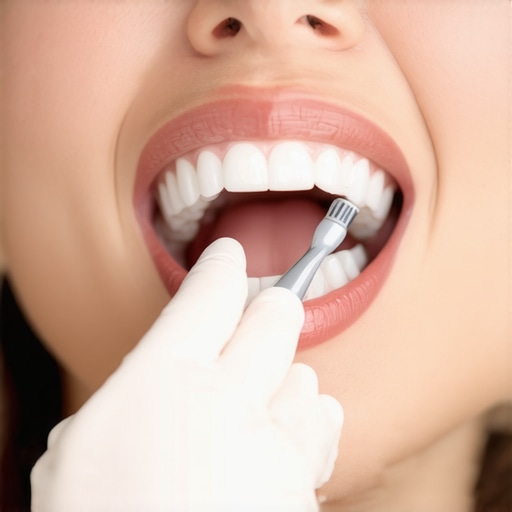
I remember the exact moment I realized I needed to take my dental health into my own hands. It was late after dinner, and I felt that uncomfortable, gritty sensation creeping across my teeth. A quick mirror check revealed a stubborn plaque buildup that didn’t budge even after my usual brushing. Frustration mixed with concern—was I doing something wrong? That lightbulb moment made me dig deeper.
Why Plaque Buildup Matters More Than You Think
Plaque isn’t just a mild annoyance; it’s the sneaky enemy behind cavities, gum disease, and even bad breath. Regular professional cleaning is vital, but it’s not always enough to keep plaque at bay daily. The good news? There are safe, effective ways to tackle plaque buildup right at home—methods that don’t risk damaging your enamel or gums.
Nobody wants to feel helpless before their own bathroom mirror, especially when it comes to something as crucial as oral health. If left unchecked, plaque can harden into tartar, making removal even more challenging—and more expensive in the long run.
In this article, I’ll share the trusted strategies I’ve used personally and learned from dental professionals to safely reduce plaque at home. Stick around, because taking control of your oral wellness could be simpler than you think.
Is Digging into Plaque Really Worth the Effort?
I’ll admit, in my early days of tackling plaque, I made a costly mistake. I tried using rough tools I found online—things that promised to scrub away stubborn buildup with ease. The result? Roughened gums and streaks of sensitive teeth. It was a clear reminder that not all at-home solutions are safe. To build trust, I encourage you to learn from my missteps: consult trustworthy sources and prioritize gentle, proven methods.
For more professional insights, consider visiting [expert advice on crowns and teeth cleaning](https://periodontistcare.com/expert-advice-on-crowns-and-teeth-cleaning-for-lasting-results). This will help you understand how to approach plaque removal correctly and avoid common dangers.
Master Your Daily Oral Hygiene Routine
Start by brushing your teeth thoroughly twice a day with a fluoride toothpaste. Use a soft-bristled brush held at a 45-degree angle to gently clean along the gumline, where plaque tends to accumulate. I remember a morning when I committed to brushing more deliberately—taking an extra two minutes—resulting in noticeably fresher breath and less plaque buildup over a week. Incorporate interdental cleaning tools like floss or interdental brushes daily to remove debris between teeth—think of it as sweeping around the furniture to prevent dust from settling. When I first started flossing daily, I noticed a reduction in bleeding gums and a cleaner feeling after meals.
Utilize Tartar Control Products Wisely
Choose mouthwashes with antimicrobial properties or tartar control formulas to supplement your routine. These help in reducing bacteria that cause plaque formation. Remember, these are not substitutes but additions—consider them as the finishing touch to your cleaning process, much like applying wax after polishing furniture for extra shine. I found that using an antiseptic rinse after brushing made a difference in controlling plaque buildup, especially on difficult-to-reach molars.
Adopt Proper Brushing Techniques and Tools
Brush in small, circular motions to lift plaque effectively without damaging your gums. Avoid aggressive scrubbing, which can cause sensitivity and gum recession. I once thought vigorous brushing was better but noticed increased gum irritation; switching to gentle, consistent motions restored my gum health. Consider an electric toothbrush with a timer—a device that works like a personal trainer for your teeth—ensuring you spend enough time on each area. The oscillating brush head can reach areas manual brushes miss, similar to brushing the surface of a gemstone for a sparkling finish.
Stay Hydrated and Rinse Properly
Drink plenty of water throughout the day to wash away food particles and bacteria. Rinsing with water after meals helps prevent plaque from hardening. I made it a habit to rinse immediately after eating, which kept my mouth feeling fresh and reduced plaque formation—picture a rainstorm washing debris from sidewalks. For added protection, use a fluoride mouthwash as recommended by your dentist—they can guide you to products suited for your needs. Regular rinsing can be likened to clearing debris from a workshop bench, keeping your workspace clean and safe.
Schedule Regular Professional Cleanings
While daily habits are crucial, professional cleanings remove tartar—hardened plaque that cannot be brushed away. Think of it as a deep clean that resets the system, much like spring cleaning a house. I visit my dentist every six months for a thorough scale and polish, which helps maintain oral health and prevents issues before they start. These appointments also allow your dentist to assess your techniques and recommend personalized improvements, similar to a coach analyzing your form during a workout.
Protect Your Teeth During Special Situations
If you wear dental crowns or have sensitive areas, use softened brushes and gentle techniques to avoid damaging restorations or gums. I learned this firsthand when I accidentally used a hard brush on my crown, causing discomfort. Regular check-ups ensure that restorations remain in good condition and are free of plaque buildup. For more detailed advice on caring for crowns, visit this guide on caring for crowns.
Monitor Your Diet and Lifestyle
Avoid excessive sugary foods and drinks that feed bacteria. Incorporate crunchy vegetables and cheese into meals—they act like natural scrubbing agents and neutralize acids. I noticed that reducing my sugar intake decreased plaque accumulation and freshened my breath. Also, quitting smoking can significantly improve your oral health, as tobacco products exacerbate plaque and tartar buildup. Think of it as removing a contributing factor from your maintenance routine, akin to switching to a fuel that burns cleaner.
Utilize Natural and Safe Remedies
Some natural options, like oil pulling with coconut oil, have gained popularity for plaque reduction. While evidence varies, I tried oil pulling once a week—holding a spoonful of oil in my mouth for 15 minutes—and noticed a fresher mouth feel. Remember, supplement these with proven methods; natural remedies are like background music—nice to have, but not the main focus. Always consult your dentist before starting new routines to ensure they complement your overall oral health plan.
Many people assume that regular teeth cleaning and routine dental visits are enough to keep their oral health in top shape, but in my experience as an expert, there are nuanced misconceptions that can sabotage even diligent care. One common myth is that all dental procedures, like crowns or cleanings, are interchangeable or universally suitable; in reality, each case requires tailored approaches, especially when it comes to longevity and suitability for your unique oral structure. For example, some believe crowns are purely aesthetic, yet properly placed crowns can protect weakened teeth and prevent further decay, a fact highlighted in [expert advice on crowns](https://periodontistcare.com/expert-advice-on-crowns-and-teeth-cleaning-for-lasting-results).Maintaining optimal oral health requires more than just regular brushing and professional cleanings; it involves using the right tools that can stand the test of time and help prevent issues before they start. One of my top recommendations is investing in an electric toothbrush, specifically models like the Philips Sonicare DiamondClean. I personally prefer this model because its sonic technology delivers 62,000 brush movements per minute, effectively disrupting plaque and reaching areas manual brushes often miss, especially around crowns and bridges. The built-in timer ensures you spend the recommended two minutes, promoting thorough cleaning that promotes long-term gum health and prevents plaque buildup. Another essential device is a water flosser, such as the Waterpik Aquarius. Unlike traditional floss, I find that water flossers are gentler on gums and more effective at removing debris between teeth, particularly for those with dental restorations or sensitive tissues. Regular use can significantly reduce plaque accumulation and improve overall oral wellness, which aligns with insights from expert advice on crowns and teeth cleaning practices.Having navigated the ups and downs of maintaining family dental health, I’ve learned that the real secret lies not just in routine checkups but in understanding the deeper lessons behind proper care. One lightbulb moment was realizing that consistent, personalized habits trump generic advice every time—your mouth is as unique as your fingerprint. Investing in quality tools, staying curious about emerging techniques, and always consulting trusted professionals help create a fortress of health around your teeth and gums. Remember, your smile is your best asset—nurture it wisely, stay vigilant, and don’t shy away from seeking expert guidance when needed. Embrace the journey towards a healthier, brighter future for yourself and your loved ones—it’s an ongoing process that pays dividends beyond just aesthetics.