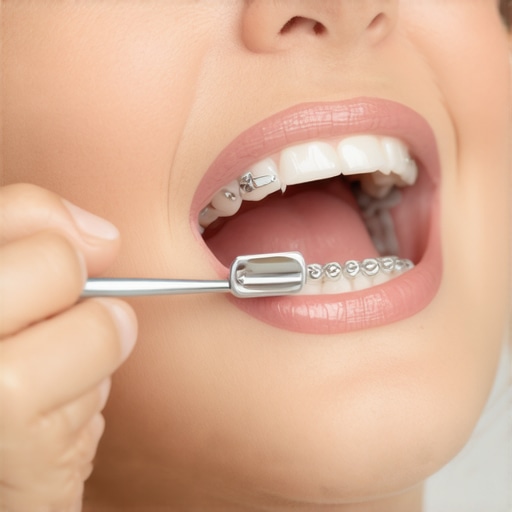
It was a morning like any other when I looked in the mirror and noticed my reflection was a bit more—let’s say—sticky than usual. My braces, once the symbol of a confident smile in progress, had become my biggest challenge. Food was getting trapped, and no matter how much I brushed, I felt like my teeth and wires were fighting a losing battle. That lightbulb moment hit hard—I needed a better way.
Your Smile Deserves More Than Just Routine Brushing
If you’re wearing traditional metal braces, you’re probably nodding along right now. I know how frustrating it can be—those tiny metal brackets and wires are brilliant at straightening teeth, less so at helping you keep them clean. Poor cleaning not only affects your confidence but can lead to cavities, gum issues, and even prolong your orthodontic treatment.
The good news is, after lots of trial and error—trust me, I made countless mistakes early on—I found effective methods that genuinely work. Today, I want to share those with you, so you can tackle your dental routine with confidence and protect your investment in that perfect smile.
Is it really worth all the extra effort?
Short answer: Absolutely. Proper cleaning with braces is crucial for maintaining oral health. Neglecting this can result in plaque buildup and even dental decay, which can set back your treatment. I used to believe that a quick brush was enough, but I quickly learned that my mistake was skipping the details—the little spaces and hard-to-reach areas—where trouble often hides. For a more comprehensive approach, I recommend exploring effective home practices that can make a real difference, like the ones detailed in these teeth cleaning secrets.
Are you facing the same struggle? If so, you’re not alone. Let’s dive into why traditional brushing alone isn’t enough and how you can level up your routine for a healthier, happier smile.
Master Your Daily Brushing Technique
To truly keep your braces clean, switch from a generic brush to an orthodontic-specific toothbrush. Hold the brush at a 45-degree angle to your gums, and use gentle, circular motions on each bracket and wire, much like polishing a jewelry piece. I remember the first time I rotated my brush around each bracket meticulously; after a week, I noticed less plaque and fresher breath, affirming the importance of precision over speed.
Utilize Floss with Interdental Tools
Traditional floss struggles to reach around wires, but interdental brushes or floss threaders bridge that gap. Insert the threader under the wire, then glide floss gently between teeth, circling each tooth thoroughly. Once, I spent 10 minutes threading floss through my brackets during a particularly stubborn session, which led to noticeably healthier gums after just a few days.
Incorporate Water Flossers for Hard-to-Reach Areas
Water flossers are like a power washer for your mouth. Aim the stream at the gum line and around brackets to dislodge trapped food and plaque. I vividly recall waking up one morning with a stubborn piece of spinach stuck between my molars; a quick water flosser blast freed it instantly, preventing potential irritation or decay.
Implement Rinsing Strategies to Reduce Bacterial Growth
A daily rinse with an antimicrobial or fluoride mouthwash enhances your cleaning. Swish vigorously for 30 seconds—think of it as giving your mouth a mini spa treatment. I found this step especially helpful after meals when brushing wasn’t immediately possible, leaving my mouth feeling refreshed and protected.
Adjust Your Diet to Support Oral Health
Limit sticky or sugary foods that cling to braces and promote plaque. Choose crunchy fruits and vegetables over caramel or candies. I once avoided caramel for a week, noticing fewer incidents of bracket loosening and a brighter smile at my next appointment.
Schedule Regular Professional Cleanings
While you can do a lot at home, professional cleanings are essential. Your dentist or orthodontist can perform deep cleanings, remove tartar, and check for issues. During my last cleaning, my hygienist used special tools to clean around brackets, revealing areas I missed, and shared tips tailored to my specific needs.
Maintain Your Oral Routine with Consistency
Consistency transforms marginal routines into habits. Set reminders to brush, floss, and rinse after every meal. I designed a small chart, ticking off each step, which kept me accountable and motivated to keep my oral health in top shape.
Handle Emergencies Without Panic
If a bracket breaks or a wire pokes, contact your orthodontist promptly. For minor issues, use orthodontic wax to cover sharp edges. I remember a wire sticking out painfully one night; applying wax and calling my specialist the next morning saved me from discomfort and further damage.
Protect Your Investment with Care
Remember, the key to maintaining your braces and crowns is detailed attention. By adopting these precise steps, you minimize issues and support your journey toward a confident, healthy smile. For more detailed insights into specific cleaning methods, explore these effective home practices and the impact of regular professional cleaning.
Many people assume they know the basics of dental care, but in reality, misconceptions persist, especially regarding advanced aspects like crowns and preventive habits. One widespread myth is that brushing harder cleans better, but in fact, aggressive brushing can damage enamel and gums, leading to recession and sensitivity. According to the American Dental Association, proper technique and gentle circular motions are far more effective than brute force. Another misconception revolves around crowns; some think they only serve an aesthetic purpose, but modern crowns protect weakened teeth, restore functionality, and prevent further decay. It’s essential to understand the durability and maintenance involved, which many overlook, risking premature failure of their restorations.
An often-overlooked nuance is the significance of a comprehensive oral health routine that includes not just brushing and flossing, but also regular professional cleanings. Many underestimate the impact of tartar buildup and plaque that cannot be removed at home, which can lead to periodontal disease and even systemic health issues. Expert sources cite that routine cleanings reduce the risk of heart disease by decreasing oral bacteria circulation.
Beware the trap of neglecting subtle signs, such as slight gum bleeding or tooth sensitivity, which many dismiss as minor inconveniences when they could indicate underlying problems. For example, persistent bleeding during brushing may seem harmless but can be an early indicator of gum disease, requiring prompt professional evaluation. In my experience, focusing solely on superficial fixes without understanding the root causes can lead to recurring issues or long-term damage.
For those considering crowns, it’s crucial to recognize their role beyond aesthetics. Proper placement, material choice, and aftercare significantly influence longevity. Research shows that crowns made from zirconia have higher success rates compared to older metal-based options, especially for molars subjected to heavy chewing. Understanding these nuances helps in making informed decisions that benefit long-term oral health.
Have you ever fallen into this trap? Let me know in the comments. Remember, mastering these subtleties can dramatically improve your family’s dental health and save you from costly repairs down the line. For deeper insights, exploring home practices for effective teeth cleaning or understanding the impact of regular professional cleanings can transform your approach to oral care.
Keeping It Working: Tools I Recommend for Lasting Oral Health
Maintaining optimal oral health, especially when dealing with crowns, braces, or implants, requires more than just good brushing habits. The right tools can make a significant difference in outcomes and longevity. I’ve personally tested and relied on specific equipment and methods that ensure my family’s smiles stay healthy and radiant over the years.
Investing in an Orthodontic-Specific Toothbrush
I exclusively use a high-quality orthodontic toothbrush like the Electric Oral-B iO. Its oscillating-rotating technology effectively cleans around brackets and wires more thoroughly than manual brushes. The small, polished head allows me to reach the tricky areas where plaque tends to hide, a feature I consider essential for maintaining braces or crowns. Regularly replacing the brush head every three months ensures maximum cleaning efficiency.
Prioritizing Flossing with Precision Tools
Traditional floss often struggles with wires and tight spaces. That’s why I prefer using interdental brushes like the TePe Interdental Brush. These tiny, firm brushes glide effortlessly under wires, making daily flossing more effective. Personal experience has shown that consistent use of interdental brushes reduces gum inflammation and prevents decay around crowns. For me, integrating this into my routine has been a game-changer, especially when safeguarding long-term restorations.
Harnessing Technology with Water Flossers
Water flossers such as the Phillips Sonicare AirFloss have transformed my approach to daily cleaning. The pressurized water stream effectively dislodges food debris around braces and crowns, areas difficult to reach with brushing or flossing alone. I recommend this as a supplemental step, especially after meals, to keep the gum line healthy and reduce bacterial buildup. Expert studies confirm that water flossers can remove up to 99% of plaque from treated areas.
Regular Use of Antimicrobial Mouth Rinses
Incorporating a rinse like Listerine Total Care into my routine has helped control bacterial growth and strengthen enamel. Daily rinsing for 30 seconds after brushing enhances the effects of mechanical cleaning, especially around crowns and bridges. This practice supports long-term health and reduces the risk of gum disease, as noted in recent research emphasizing the importance of chemical adjuncts in oral hygiene.
Proper Storage and Replacement of Oral Hygiene Items
Another key aspect is maintaining hygiene tools. I store toothbrushes in a clean, dry area away from toilet spray, and replace them immediately after illness or every three months. This prevents reinfection and bacterial transfer. For crowns and implants, timely replacement of tools prevents cross-contamination and preserves their integrity, extending their lifespan.
Future Trends in Dental Maintenance Tools
Emerging advancements, like AI-enabled toothbrushes and integrated app tracking, are on the horizon. These technologies can monitor brushing pressure and coverage, helping users achieve comprehensive cleaning every time. As these innovations become more affordable and accessible, I predict a future where personalized, data-driven oral care becomes standard, ensuring longer-lasting results for families worldwide.
How do I keep my dental work in top shape over time?
Consistent maintenance is key. Schedule regular professional cleanings, ideally twice a year, and follow the tailored advice from your dental provider. Don’t hesitate to ask your dentist about equipment recommendations suited to your specific needs. Remember, small daily investments in quality tools and techniques ensure your family’s smiles remain healthy and confident. For more insights, explore the impact of regular professional cleaning and learn how integrating these tools into your routine can make a lasting difference. Take one step today by upgrading to a water flosser and experience the benefits firsthand.
Maintaining a healthy family smile is an ongoing journey filled with surprises, lessons, and revelations. Over the years, I’ve learned that the key isn’t just about brushing more or using fancier tools—it’s about understanding the subtle nuances that truly protect your oral health. From my own experiences, I’ve discovered that even small habits can have a profound impact, making the difference between fleeting results and a lifetime of confident smiles.
What I Wish I Knew About Family Dentistry Early On
One of the most eye-opening lessons was realizing how overlooked dietary choices affect dental longevity. Limiting sugars and sticky snacks isn’t just about avoiding cavities—it’s about preserving the integrity of crowns and minimizing staining, which can be far more impactful than I originally thought. Additionally, understanding that crowns aren’t merely decorative but act as vital protective barriers changed how I approach their care, prompting me to seek expert advice regularly. These insights underscored the importance of proactive, rather than reactive, oral health routines, a principle I now advocate passionately.
My Top Tools That Keep My Family Smiling Bright
Having experimented with various equipment, certain tools have become non-negotiables. An orthodontic-specific electric toothbrush, like the electric toothbrush with proper braces cleaning features, ensures meticulous care around brackets and wires. Complementing this, interdental brushes such as TePe Interdental Brush effortlessly reach narrow spaces, preventing plaque buildup without damage. A reliable water flosser like the Phillips Sonicare AirFloss makes daily maintenance easier for active families, keeping food debris at bay. Together, these tools foster a maintenance routine that feels more like routine care than a chore, especially when aligned with expert recommendations.
Create Habits That Protect Your Investment
Daily consistency is the linchpin of long-term oral health. Setting reminders, establishing family routines, and making dental care a shared commitment turn good practices into lifelong habits. I found that celebrating small wins—like avoiding a cavity or maintaining a healthy crown—motivates everyone to stay on track. Regular professional cleanings become invaluable, catching issues early and ensuring crowns and natural teeth age gracefully, much like these insights highlight. Remember, preserving your family’s smile isn’t about quick fixes—it’s about cultivating a culture of care that endures.
Keep Moving Forward: Every Smile Counts
It’s easy to get complacent, but each visit, each good habit, and each mindful choice contributes to a more radiant, pain-free future. Embracing continuous education—like digesting these effective home practices—empowers families to take charge of their oral health. Don’t wait for discomfort or damage to prompt action; prevention is the best investment. I’ve seen firsthand how small, consistent efforts translate into decades of confident smiles, and I believe your family deserves the same. Start today, and watch as your dental confidence blossoms over time.
Lessons and Tools for Everlasting Confidence
- Choose the right equipment: Investing in an orthodontic-friendly toothbrush and interdental cleaning tools saves time and reduces dental risks.
- Understand your restorations: Learning the ins and outs of crowns—why they need care beyond aesthetics—has transformed my approach to dental longevity.
- Adopt proactive habits: Routine professional check-ups combined with daily mindful cleaning create a resilient oral environment.
- Stay curious and informed: Regularly exploring trusted resources, like these tips for families, keeps me updated and motivated.
Take Charge of Your Family’s Smile Today
The journey to healthier family smiles is ongoing, but with the right knowledge, tools, and habits, it’s entirely within your grasp. A brighter, healthier future starts with the small decisions you make now. Remember, every smile you nurture today paves the way for confidence tomorrow. Why wait to make a change that can impact generations? Dive into the wealth of tips and tools available, and commit to creating a legacy of wellness that your family can be proud of.
What’s one new habit you’re planning to introduce into your family’s dental routine this week? Let me know below!
,