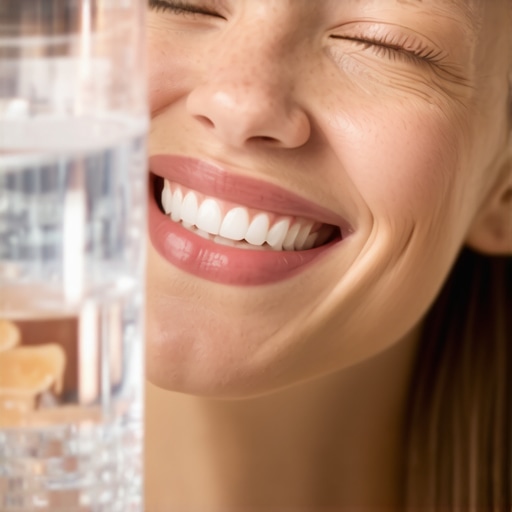
It was one of those mornings where I caught my reflection and realized my teeth looked dull and lackluster — despite diligently wearing my clear aligners. That moment hit me hard. I had invested so much in straightening my smile, yet my teeth weren’t shining as I hoped. I felt frustrated, almost like all my efforts were going to waste. But here’s the truth: whitening your teeth while wearing clear aligners isn’t impossible — it just requires some know-how.
Why I Chose to Brighten My Smile During Invisalign Treatment
Being committed to my dental health, I started my journey with clear aligners to straighten my teeth. But I quickly noticed that my smile wasn’t as vibrant as I wanted it to be. Regular whitening treatments seemed off-limits because I was worried about damaging the aligners or uneven results. Like many, I wondered, Is whitening with aligners actually safe?
The good news is, with the right approach, you can achieve a brighter smile without disrupting your orthodontic progress. Not only does whitening boost confidence, but it also helps maintain optimal oral hygiene, especially when combined with proper care routines. For more guidance on maintaining your crowns, check out this helpful article on [caring for crowns](https://periodontistcare.com/caring-for-crowns-essential-tips-for-longevity-and-shine).
But before we get into practical tips, let me share a pivotal mistake I made early on. I assumed I could just use any whitening product I found. That was a bad call. Using harsh or inappropriate whitening agents can cause irritation, uneven coloring, or even damage your aligners. It’s crucial to choose the right products and techniques, which I will outline shortly.
Will Whitening Damage My Aligners or Teeth?
This is the biggest question I hear from friends and readers alike. Many are skeptical: “Can I safely bleach my teeth while in treatment?” My initial fear was that whitening could weaken my teeth or stain my aligners. Turns out, with the proper precautions, you can whiten safely. The key is using gentle, dentist-approved products and avoiding home remedies that might backfire.
In fact, inconsistent whitening methods can lead to uneven color or sensitivity. A visit to your dentist or orthodontist can provide personalized advice tailored to your specific treatment plan. For more expert tips on maintaining your dental health during orthodontics, explore this comprehensive guide on [teeth cleaning](https://periodontistcare.com/teeth-cleaning-secrets-effective-home-practices-for-family-dental-health).
So, if you’ve been wondering whether brightening your smile is possible without undoing your progress, the answer is yes. Next, I’ll walk you through the simple, effective steps I took to whiten my teeth safely while still wearing my aligners. Stay tuned — your radiant smile is within reach!
Prepare Your Teeth and Aligners for Whitening
Before starting any whitening process, ensure your teeth are clean and free of plaque, which can interfere with results. I personally took the time on a weekend to brush thoroughly and floss using a water flosser, focusing on hard-to-reach areas. I also rinsed with an antibacterial mouthwash to eliminate bacteria that cause staining. This initial cleaning is crucial because it creates an even surface for whitening agents to work effectively. Avoid using abrasive toothpaste that can damage crowns or enamel; opt for gentle, fluoride-rich options instead. Regular professional cleanings, like those described in this guide, ensure your oral environment is optimized for whitening.
Select the Right Whitening Products and Techniques
Not all whitening products are suitable during invisalign treatment. I chose a dentist-approved whitening gel with a low peroxide concentration, similar to those recommended in this article. The key is to avoid carbamide or hydrogen peroxide concentrations that are too harsh, which could irritate your gums or stain your aligners. I also used whitening toothpaste daily, which contains polishing agents that help lift surface stains without risking damage. Remember, never apply whitening agents directly onto aligners; they are designed to clean teeth only. Instead, whiten your teeth before inserting your aligners or during a break in treatment if your orthodontist agrees.
Apply Whitening Without Disrupting Your Alignment
During my experience, I applied a small amount of gel to a custom-fitted tray and wore it for the recommended time—typically 15-20 minutes. I found that this controlled application minimized spillover onto my gums or aligners. To maintain consistency, I set a timer and avoided eating or drinking anything that could stain teeth afterward. During the whitening process, I made sure to wear my aligners as usual; only the gel contact was changed. This practice prevents unnecessary removal of aligners and keeps my treatment on track. If your dentist provides specific instructions, follow them precisely, and consult about combining whitening with your ongoing orthodontic work. For more details on maintaining crowns alongside whitening, check this comprehensive guide.
Manage Sensitivity and Unexpected Reactions
Initially, I experienced minor tooth sensitivity, especially in my front teeth. To counter this, I used desensitizing gel prior to whitening sessions, as suggested in this resource. I also limited my whitening sessions to twice a week and avoided hot or cold drinks immediately afterward. If you notice any irritation or uneven staining, discontinue use and consult your dentist. Remember, patience is key—whitening takes time, especially during orthodontic treatment when certain areas may respond differently. Using gentle products and following a consistent routine can make a significant difference.
Post-Whitening Care to Maintain Brightness
After completing whitening sessions, I transitioned to using a fluoride-rich, whitening-enhanced toothpaste to preserve my new shade. Regular brushing and flossing keep stains at bay, and avoiding foods and drinks that cause coloration—like coffee, red wine, or berries—help maintain results longer. Additionally, scheduling periodic professional cleanings every six months, detailed in this article, can refresh your smile and remove new stains. Always store your aligners clean and dry, following the guidelines in this detailed article. Keeping up with your oral health routine ensures your bright smile endures throughout your treatment.When it comes to dental crowns and overall oral health, a common misconception is that they are a permanent fix requiring minimal maintenance. In reality, many patients overlook the subtle yet crucial nuances that affect the longevity and effectiveness of crowns and other dental work. For instance, the belief that crowns are entirely invulnerable to decay is misleading; the margin where the crown meets the natural tooth is a vulnerable zone that demands meticulous oral hygiene, as highlighted in this detailed guide. Neglecting this can lead to decay underneath the crown, resulting in more complex and costly interventions down the line.
A frequently overlooked aspect is the role of occlusion — how your bite aligns. An improper bite can exert uneven pressure on crowns, accelerating wear or causing fractures. Advanced practitioners emphasize the importance of evaluating bite mechanics regularly, especially after the placement of crowns, to prevent such issues. Many assume that once a crown is fitted, it’s set for life, but expert advice suggests ongoing assessments are essential for its long-term success.
One significant trap is the myth that cosmetic improvements are all that matter. While crowns do improve aesthetics, overlooking their functional role can be detrimental. For example, restoring proper tooth shape and size affects not just appearance but also speech and chewing efficiency. Failing to consider these nuances may result in discomfort or even jaw problems, which many don’t realize until symptoms manifest.
From my experience, the biggest mistake is underestimating the importance of professional cleanings around crowns. Regular, thorough cleanings performed by skilled hygienists can prevent plaque buildup, especially around the margins, where bacteria tend to hide. This aligns with findings from research that routine cleanings significantly reduce the risk of peri-implantitis and gum disease, even in patients with crowns or implants, as discussed in this article.
**How Can Awareness of These Subtleties Improve Your Dental Outcomes?** Recognizing that crowns are not just a quick cosmetic fix but a component requiring ongoing care can transform your approach to oral health. Proper maintenance, regular check-ups, and understanding the biomechanical factors affecting your dental work are vital. Don’t fall for the trap of neglecting these essential details; instead, empower yourself with knowledge to make informed decisions.
Remember, proactive care saves you time, money, and discomfort in the long run. Have you ever fallen into this trap? Let me know in the comments, and stay vigilant about the nuances that make all the difference in your dental journey.Maintaining your dental health and ensuring your crowns, teeth, and oral appliances function optimally over time requires the right tools and a proactive mindset. From high-quality cleaning devices to advanced software that tracks your oral routine, investing in the right equipment can make all the difference. I personally rely on a combination of professional-grade tools like ultrasonic scalers for deep cleaning and digital apps to monitor habits. Using an ultrasonic scaler, as detailed in this article, allows for effective removal of plaque and tartar, especially around crowns and implant sites, which are prone to buildup. For everyday maintenance, I prefer a sonic toothbrush with a pressure sensor—this helps prevent damage to sensitive areas and ensures thorough cleaning, avoiding the pitfalls of hard-bristled brushes that can harm enamel or crowns. Regularly updating your toothbrush and replacing the head every three months, as recommended in this guide, ensures optimal performance.
Technological advancements have also introduced smart flossers and oral health tracking apps. I use a smart water flosser that connects via Bluetooth, reminding me when to floss and providing feedback on pressure and technique. This consistent monitoring helps me maintain healthy gums and prevents issues like receding margins around crowns. In the future, I believe we’ll see more AI-powered dental diagnostics that can analyze photos of your teeth and suggest personalized routine adjustments—making at-home care smarter and more efficient.
To keep everything working smoothly, scheduling regular professional checkups is essential. Dentists and hygienists use advanced tools such as laser perio scanners and digital X-rays, which detect problems early and help tailor maintenance routines. Incorporating these into my routine, along with the right home tools, ensures my oral health remains at its best.
How do I maintain my dental tools and software over time?
Keeping your dental tools in top shape involves regular cleaning and proper storage. Ultrasonic scaler tips should be sterilized after every use—most models have compatible sterilizers, or you can use a UV sanitizer for an extra layer of protection. For software, ensure your apps are updated regularly to benefit from bug fixes and new features. Backing up your data ensures your routine remains consistent even if you switch devices.
Remember, investing in high-quality tools and staying disciplined with maintenance routines will save you time and money in the long run. Try implementing a smart water flosser or updating your toothbrush to see immediate benefits in oral comfort and health. For more detailed guidance on maintaining crowns and other dental restorations, explore this expert advice—your smile’s longevity depends on it.
Lessons I Wish Someone Told Me About Crowns and Oral Care
One of the most eye-opening lessons I learned was that even the best crowns need consistent attention to last. Neglecting routine cleanings or ignoring early signs of wear can turn a simple restoration into a costly fix. I also realized that trusting surface-level advice without understanding the underlying mechanics of oral health can be a trap. For example, many assume that whitening products are one-size-fits-all, but the truth is, personalized approaches yield the best results. Lastly, I discovered that emotional patience—accepting that good dental health is a journey—saved me from frustration and setbacks.
My Go-To Resources for Dental Excellence
Over the years, I’ve curated a toolkit of trusted sources that truly make a difference. First, this guide offers invaluable tips on maintaining crowns for years to come, emphasizing the importance of daily care routines. I also rely on expert advice from top dentists, which helps me stay ahead of potential issues. For practical home care tips, this resource reveals secret techniques to keep teeth and gums healthy. Collectively, these references empower me to make informed decisions and protect my smile effectively.
Embrace Your Dental Journey — It’s Within Reach
Your dental health isn’t just about appearance; it’s about confidence, comfort, and longevity. Take small, consistent steps today—whether it’s scheduling that routine cleaning, upgrading your toothbrush, or exploring whitening options that suit your treatment plan. Remember, every effort counts and contributes to a radiant, healthy smile you can be proud of. There’s no better time than now to invest in yourself and the care that keeps your oral health thriving. So, what’s the first step you’re going to take today toward a brighter, healthier smile? Share your plans below and let’s motivate each other on this journey.