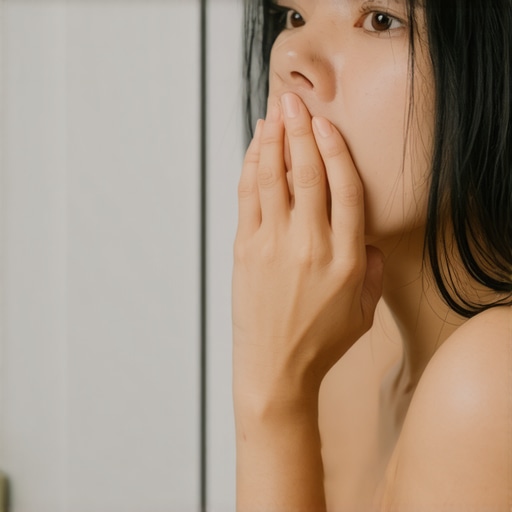
Imagine this: You’re at a family gathering, laughter filling the room, but suddenly, you’re hit with that nagging doubt—does my breath smell okay? Been there. I used to get caught off guard, wondering if I needed a breath mint or if I was unintentionally turning off everyone around me. That lightbulb moment came when I discovered a simple, foolproof method to check my own breath in just 30 seconds—no more guessing, just confidence.
Why We Often Guess and How a Quick Test Can Save You
Breath odors are surprisingly common, and many of us struggle with not knowing whether we’re the cause of awkward moments. Studies show that about 50% of adults experience halitosis at some point, yet few have a reliable way to assess their own breath without asking others or using complex devices. I personally made the mistake early on of dismissing my own mouth odors, thinking brushing more would fix everything. Turns out, some odors linger despite good oral hygiene, and that mistake made me overlook a bigger issue—that’s why mastering this 30-second check can be a game-changer for your social confidence and overall oral health.
Is Smelling Your Own Breath Actually Worth the Hype?
At first, I doubted this quick trick would be effective, thinking, “How accurate can it really be?” But I tried it, and it became my go-to routine. Critics often dismiss self-assessment methods, claiming they’re unreliable. However, consistent practice enhances accuracy, and this simple test can alert you to underlying issues like bacteria buildup or digestion problems. Just be wary of the mistake I made—assuming that a quick sniff is enough without following the proper technique. To get the best results, I recommend using this method regularly, especially before important meetings or dates. Want to learn this empowering trick? Keep reading, and I’ll walk you through the step-by-step.
Before You Begin
Stand in a well-lit mirror with a clean, dry tongue and mouth. Avoid eating or drinking for at least 30 minutes prior for the most accurate result. Turn off any strong-mint or breath freshening products, as they can mask odors.
Step 1: Prepare Your Breath
Take a normal, steady breath through your nose to relax your mouth and avoid artificial scents or breath sprays. This ensures your assessment reflects your natural oral state.
Step 2: Position Yourself
Hold the mirror at eye level, and stick out your tongue slightly. This position allows a clear view of your oral cavity and helps you focus on the smell test.
Step 3: Sniff Your Tongue
Bring your nose close to your mouth, then take a quick, gentle sniff directly from the center of your tongue. Think of it as a quick, purposeful Many patients assume they know everything about their dental care, but in reality, there’s a lot of misinformation that can hinder long-term oral health. For instance, a widespread belief is that brushing harder cleans better. In truth, aggressive brushing can damage enamel and gum tissue, leading to increased sensitivity and recession. The key is proper technique and frequency, emphasizing gentle, thorough cleaning rather than brute force. For proven strategies, check out our detailed guide on effective home practices for family dental health.
Another misconception revolves around teeth whitening. Many think over-the-counter products are equally effective as professional treatments. However, topical agents used by dentists contain higher concentrations of whitening agents and are tailored to your specific needs, reducing risks like uneven coloring or sensitivity. It’s essential to understand these nuances—something I delve into in my article on professional vs. home whitening options.
When it comes to crowns, a common myth is that they are purely cosmetic. Actually, dental crowns serve critical functions: restoring strength, protecting compromised teeth, and improving functionality. They can last many years with proper care, especially when combined with good oral hygiene routines. Curious about how to maximize the longevity of your crowns? I recommend exploring our tips on caring for crowns and other restorations.
Now, let’s address a question that often trips up even savvy patients: How do advanced mistakes in dental care impact your overall health? Overlooking issues like early gum disease or ignoring small chips can lead to more significant infections, bone loss, or even systemic health problems. Research indicates a link between periodontal disease and conditions like heart disease and diabetes. This underscores the importance of regular checkups and understanding the hidden factors that influence your oral health.
One sneaky trap is misjudging the importance of regular professional cleanings. Many believe daily brushing and flossing are sufficient, but professional visits remove tartar buildup that can’t be eradicated at home. Skipping these appointments can result in plaque accumulation, leading to cavities and gum disease. I recommend adopting a consistent routine and visiting your dentist as recommended—often every six months. Learn more about effective cleaning practices at home in our dedicated article.
Make sure you’re not falling into these misconceptions. The nuances of family dentistry and oral health are vital for long-term well-being. For comprehensive advice, visit our cornerstone content on building a lifetime of healthy smiles or learn how crowns and cleanings work to transform your confidence. Have you ever fallen into this trap? Let me know in the comments.When it comes to maintaining your oral health and ensuring long-term results, having the right tools can make all the difference. Personally, I rely on a combination of professional-grade equipment and effective home practices to keep my family’s smiles in top shape. One essential device I swear by is the Sonicare DiamondClean electric toothbrush. Its patented Sonic technology delivers 62,000 brush movements per minute, which I find far superior in plaque removal compared to manual brushing. Moreover, its multiple cleaning modes—especially the gum care and whitening settings—address specific needs, making it a versatile choice for different family members.
For interdental cleaning, I prefer using Waterpik’s Nano Plus Water Flosser. Unlike traditional floss that can be tricky to handle, especially for kids or those with braces, the water flosser provides an efficient and gentle alternative. I appreciate how adjustable pressure settings prevent gum irritation while still effectively removing debris from hard-to-reach areas.
In addition to hardware, I leverage software tools to track my family’s dental routines. The Philips Sonicare app syncs seamlessly with my toothbrush, offering real-time feedback and reminders about replacing brush heads or scheduling checkups. Digital monitoring motivates everyone to stay consistent, which is crucial for long-term success.
For in-depth cleaning at home, I incorporate using a tongue scraper daily. I choose a stainless steel model because it’s durable and smooth, effectively reducing bad breath-causing bacteria without abrasive materials.
As dentistry evolves, predictive technology is becoming a trend. Future tools might include AI-powered devices that analyze saliva or detect early signs of dental issues. Already, some clinics use intraoral cameras connected to software that allows for detailed inspections visible to the patient, which I find instrumental in immediate diagnosis.
**How do I maintain my tools over time?** Regular cleaning is vital—rinsing and drying electric toothbrush heads after use prevents bacterial buildup. Water flossers should be descaled periodically, following manufacturer instructions, to ensure their longevity. I also replace toothbrush heads every three months and water flosser tips as recommended, much like how [expert advice on crowns and teeth cleaning emphasizes](https://periodontistcare.com/expert-advice-on-crowns-and-teeth-cleaning-for-lasting-results) the importance of routine maintenance.
Don’t underestimate the power of proper tools combined with consistent habits. Enhance your routine by trying out a high-quality electric toothbrush like the Sonicare DiamondClean and see the difference it can make in your oral health. Ready to level up your dental care? Explore these options, and you’ll thank yourself in the years to come.
The Hardest Lesson I Learned About Oral Health
One of the most eye-opening realizations for me was understanding that even the best brushing routines can fall short if overlooked steps aren’t part of the daily habit. For instance, I used to think that brushing alone was enough, but adding daily flossing and tongue scraping dramatically improved my mouth’s health. This taught me that consistency and attention to detail are what truly make a difference in maintaining a radiant smile.
The Myth I Uncovered About Dental Tools
Early in my journey, I believed that more expensive dental tools automatically meant better results. However, I discovered through trusted sources that selecting the right tools—like a high-quality electric toothbrush or water flosser—is about understanding your specific needs and how to use them properly. Sometimes, simplicity combined with correct technique far surpasses mere price tags in effectiveness.
Why I Stopped Guessing and Started Checking
My biggest breakthrough was realizing that relying solely on my senses or asking others wasn’t enough for self-assessment. Incorporating a quick 30-second breath test became a trusted method, giving me peace of mind before important events. This simple habit replaced uncertainty with confidence and highlighted the importance of proactive self-care for lasting oral health.
Curated Toolkit for Family Oral Care Enthusiasts
I’ve come to rely on certain tools that genuinely elevate home dental routines. The Philips Sonicare DiamondClean electric toothbrush, for example, offers a thorough clean with its superior brushing technology. Waterpik’s Nano Plus Water Flosser simplifies interdental cleaning, especially for those with braces or sensitive gums. Additionally, a stainless steel tongue scraper helps me daily reduce bad breath-causing bacteria. These tools are backed by dental professionals and have become indispensable in my family’s routine.
Take Action and Smile Brightly
Your journey to a healthier, more confident smile starts with small, consistent steps. Don’t wait for problems to become emergencies—embrace effective routines today. Think about the tools and habits you can improve, and commit to them. Remember, your oral health impacts your overall wellness more than you might realize. So why not take the first step right now? Share your experiences below—what’s worked for you, and what challenges are you facing in your family’s dental care?