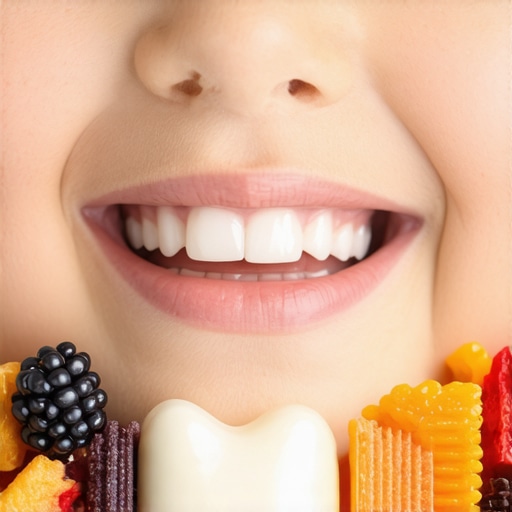
I remember the exact moment I realized fruit snacks had become the sneaky villains in my kids’ oral health. It was after a routine family dentist visit when the hygienist casually mentioned the increased sugar intake from their favorite snacks. Watching my children happily chew those chewy, brightly colored treats, I felt a pang of guilt mixed with frustration. It hit me: those seemingly innocent fruit snacks are quietly wrecking havoc on our little ones’ teeth, more than I ever imagined.
As parents, we always want the best for our kids—nutritious food, plenty of play, and healthy smiles. But the truth about fruit snacks can be a shocking wake-up call. They often masquerade as healthy options, thanks to their vibrant colors and sweet flavorings. Yet, behind that appealing facade lies a hidden enemy: sticky sugar that clings to tiny teeth, fostering cavities and enamel erosion.
Today, I want to unravel this common misconception and share how these snacks might be doing more harm than good. And more importantly, I’ll guide you through simple, effective steps to protect your children’s oral health while still satisfying their sweet tooth.
The Sticky Truth About Fruit Snacks and Kids’ Teeth
Many parents assume that because fruit snacks are flavored with fruit extracts or contain Vitamin C, they’re a healthier choice. However, the reality is quite different. Their sticky, chewy texture is designed to cling onto teeth, especially molars and along the gum line. This prolonged contact gives sugar ample opportunities to feed harmful bacteria, leading to decay.
Early on, I made the mistake of dismissing these treats as harmless fun, just like many others. I didn’t realize that the sugar content was comparable to, if not worse than, regular candy. According to recent studies, frequent consumption of sticky sugar-laden snacks significantly increases the risk of cavities in children—more so than the occasional chocolate bar.
But don’t worry, there’s a light at the end of the tunnel. We’ll explore practical ways to limit fruit snack intake and maintain a healthy, cavity-free smile for your little ones. If this resonates with you, you’re not alone—many parents face this exact dilemma.
Is This Problem Actually Worth the Hype?
The concern over fruit snacks isn’t just over cavities; it’s about establishing long-term oral health habits early on. I remember rushing to fix a cavity only to realize that a small mistake—like allowing frequent snacking on sticky treats—had set the stage for bigger problems later.
In fact, neglecting these tiny but persistent issues can lead to more costly and uncomfortable dental procedures down the line. To give you a sense of how serious this is, I recommend checking out [this article](https://periodontistcare.com/oral-health-tips-every-family-should-follow-in-2025), which emphasizes the importance of preventive strategies in maintaining overall family oral wellness.
So, now that I’ve shared my personal lightbulb moment and outlined why this matters, let’s dive into actionable tips that will help you keep those little teeth safe and shiny—without resorting to emotional battles over snack choices.
Limit Snacking and Choose Better Alternatives
Start by setting strict snack times rather than allowing kids to graze throughout the day. Replace fruit snacks with fresh fruit slices, cheese, or crunchy vegetables like carrots. When my daughter begged for fruit snacks, I offered apple slices with a dab of nut butter—she loved the crunch and didn’t miss the sticky treats, leading to cleaner teeth and happier mornings.
Encourage Proper Dental Hygiene Habits Immediately After Snacking
Teach children to rinse their mouth with water right after eating sticky snacks. Use a sip of water to loosen residue, then have them brush their teeth at least twice a day. I remember after an afternoon snack, I handed my son a cup of water and a toothbrush; although messy at first, over time, he developed a routine that kept cavities at bay and improved his oral health.
Implement Protective Measures During Snack-Time
If your child is particularly prone to cavities, consider using fluoride mouth rinses or gels as recommended by your dentist. These act as barriers, strengthening enamel against acid attacks from sugars. I started applying a fluoride gel before bedtime, which helped my child’s teeth resist decay even when occasional sticky snacks slipped through.
Schedule Regular Dental Visits and Professional Cleanings
Make regular check-ups a priority—at least twice a year—to catch early decay and receive professional cleanings. During my last visit, the hygienist used a gentle ultrasonic scaler to remove plaque accumulated from hidden spots. Regular professional care is like a security check, catching issues before they become painful or expensive, supporting long-term oral health.
Control the Environment and Educate Your Kids
Keep tempting snacks out of reach and educate children about their effects. Explain that while fruit snacks seem healthy, they can cause discomfort if not managed properly. My daughter now understands that choosing water over juice or treats helps her keep her smile bright and strong, empowering her to make healthier choices independently.
Implementing these steps can drastically reduce the risk of cavities linked to sticky fruit snacks. Remember, consistency is key—small daily habits build the foundation for lifelong oral health. For deeper insights into maintaining your family’s dental wellness, check out family dentistry tips and caring for dental crowns.
Many assume that dental crowns are simple fixes that will last forever, but the reality is far more nuanced. A common misconception is that once a crown is placed, little maintenance is needed, which can lead to neglect. However, studies show that without proper care, even the best crowns can fail prematurely, affecting your overall oral health. For instance, improper flossing techniques around crowns can cause cement failure or even damage the underlying tooth structure. In my experience, one of the most overlooked aspects is how neglecting the surrounding gum tissue can lead to peri-implantitis or gum recession, jeopardizing the longevity of your restoration.
Are All Crowns Equally Durable, or Does Material Matter More Than You Think?
Contrary to popular belief, not all ceramic or porcelain crowns are created equal. The quality of the material, the precision of the fit, and the preparation technique all play critical roles in the outcome. Expert advice suggests that zirconia crowns might outperform traditional porcelain-fused-to-metal options in both durability and appearance, especially in the back molars where bite force is highest. Moreover, a study published in the Journal of Prosthetic Dentistry emphasizes that well-fitted crowns reduce plaque accumulation, which is crucial for preventing decay or gum disease in adjacent tissues. So, while many think choosing a cheaper crown is okay, investing in high-quality materials and proper technique ensures better long-term results.
Don’t Fall Into The Trap of Overconfidence With Your Dental Restorations
One trap many fall into is believing that once a crown feels comfortable, no further attention is needed. This complacency can lead to unnoticed issues like microleakage, secondary decay, or even crown fracture. Regular check-ups are essential — not just to replace or repair crowns but to monitor the health of surrounding tissues. External expert sources recommend scheduling professional evaluations at least once a year, even if everything seems fine. Proper cleaning techniques, such as avoiding abrasive brushes near the crown margin and using interdental brushes or water flossers, can significantly enhance longevity. I urge you to recognize that crown care is an ongoing process, not a one-time fix. Want to learn more about maintaining your crowns effectively? Check out expert advice on [caring for crowns](https://periodontistcare.com/caring-for-crowns-essential-tips-for-longevity-and-shine). Have you ever fallen into this trap? Let me know in the comments.
How do I keep my crowns and dental tools working their best over time?
Ensuring the longevity of your dental restorations, like crowns, requires consistent care and the right tools. I personally recommend using high-quality electric toothbrushes with specialized brush heads because they provide more thorough cleaning, especially around crowns and implant areas. Brands like Oral-B and Sonicare have models with oscillating-rotating or sonic technology that effectively remove plaque without being harsh on restorations. Additionally, incorporating interdental brushes and water flossers into your routine can reach areas traditional floss may miss, preventing plaque buildup that could compromise your crowns.
I also suggest investing in a good dental mirror with LED lighting. This allows you to monitor hard-to-see spots and check for early signs of issues, such as gum recession or plaque accumulation. I use a mirror with an adjustable arm and bright LED light—this makes daily inspection easier and helps me catch problems early, avoiding costly repairs down the line.
Predicting trends: The future of dental maintenance tools
As technology advances, smart toothbrushes embedded with AI and Bluetooth connectivity are on the rise. These devices can monitor your brushing habits, ensure thorough cleaning, and even alert you to areas you might be neglecting. Integration with smartphone apps can provide real-time feedback, making maintenance more precise and personalized. I believe this trend will become standard practice, empowering patients to take greater control over their oral health and extend the lifespan of their dental restorations.
What can I do today to keep my crowns in top shape?
Start by integrating a water flosser into your routine, especially if you have crowns or implants. The powerful pulsations help remove debris and plaque around the margins effectively, which is crucial for preventing decay and ensuring gum health. Remember, regular professional cleanings are vital—most experts recommend visiting your dentist at least twice a year. During these visits, your hygienist can remove calculus buildup and check the condition of your restorations with specialized tools.
For more detailed guidance, check out this article that covers essential tips for maintaining your crowns and ensuring they last as long as possible.
In the long run, doing small things consistently—like using the right tools and staying vigilant—can make a huge difference. Making these practices part of your daily routine helps maintain oral health, keeps dental work functioning properly, and saves money on future repairs. So, don’t wait—try incorporating a water flosser today and see how much easier it makes your crown maintenance. Remember, being proactive is the best investment in your smile!
What I Wish I Knew About Small Changes Making Big Impact
One of my most enlightening moments came when I realized that consistent, gentle habits often trump drastic measures. I learned that teaching kids proper brushing techniques early on, rather than waiting for cavities to appear, creates a foundation for lifelong oral health.
Another lesson was understanding the importance of patience— delivering health tips in a way that kids find engaging encourages better compliance than nagging or punishment.
Lastly, I discovered that involving children in their dental care choices fosters independence and responsibility. Allowing them to pick their toothbrush or choose healthy snacks made them more invested in maintaining their smile.