
I remember the exact moment it hit me—watching my son dash across the yard, chasing his friends during a casual game of soccer. Suddenly, I saw it: a flash of white as he clumsily fell sideways, mouth open in shock. It wasn’t a hard tackle or a rough collision; it was just a typical afternoon, but that moment made me realize something vital: his smile was vulnerable, even during non-contact play. That realization was a lightbulb—your child’s smile isn’t just for competitions or high-impact sports. Most parents don’t realize that even casual, seemingly harmless activities can put their kids’ teeth at risk.
The Unexpected Dangers in Everyday Play
Many parents assume mouthguards are only necessary for football, hockey, or basketball—sports with obvious contact. I used to think the same until I learned that the American Academy of Pediatric Dentistry recommends mouthguards for children involved in *any* sport, contact or not. Why? Because injuries to teeth can happen in a split second, often from a fall, a stray ball, or even an accidental bump during a friendly game. It’s not just about preventing broken teeth; a fall or blow can cause jaw injuries, cuts inside the mouth, or worse, permanent damage that affects your child’s self-confidence and well-being.
Personally, I made the mistake early on of skipping the mouthguard, dismissing my son’s non-contact activities as ‘safe.’ Looking back, that was a careless oversight, one I now warn every parent about. According to recent studies, dental injuries are among the most common sports-related injuries in kids, but the good news is that a simple mouthguard can dramatically reduce the risk—yet, many overlook its importance. You can learn more about how regular dental routines impact overall health by visiting this article.
Will a Mouthguard Really Save My Child’s Smile?
It’s a fair question, and I’ve heard many parents doubt the necessity of a mouthguard for casual play. Honestly, it’s partly because as parents, we often underestimate the unpredictability of accidents. Early on, I believed that only aggressive physical sports warranted protection, which was a mistake. The truth is, a mouthguard acts as a safety net, cushioning blows that you can’t always see coming. My son once fell awkwardly during a game, and because he was wearing a mouthguard, his teeth stayed intact. That moment reassured me: prevention is better than cure. For expert guidance on ensuring lasting results from dental protection, check out this resource.
More importantly, fitting your child with a properly made mouthguard can actually boost their confidence, allowing them to focus on playing and having fun without fear. The big question now: how can you ensure your child’s mouth remains protected during every sport or activity? Well, that’s what we’ll explore next—practical steps and expert tips to keep their smile safe when they’re at play.
,
Establish a Consistent Oral Hygiene Routine
Start your daily brushing and flossing habit at the same time each day to build a reliable routine. I once struggled to get my younger kids to brush properly, but making it a game during our evening routine transformed their habits. Use a soft-bristled toothbrush and fluoride toothpaste, and ensure they brush for at least two minutes. This consistency prevents plaque buildup and keeps cavities at bay.
Choose Tools That Make a Difference
Select the right toothbrush and floss for your family members. An electric toothbrush can be more effective, especially for kids or those with limited dexterity. Replace toothbrushes every three months or sooner if bristles fray. For flossing, use waxed floss to prevent shredding—this was a game-changer in my household, reducing frustration and increasing daily flossing compliance.
Incorporate Proper Brushing and Flossing Techniques
Teach your children to hold the toothbrush at a 45-degree angle to the gums and use gentle circular motions—think of it as massaging their gums rather than scrubbing aggressively. When flossing, slide gently between teeth and curve around each tooth to remove plaque thoroughly. I once showed my son how to floss like a tiny rope and found that his plaque reduction improved remarkably. For detailed guidance, visit this resource.
Manage Dietary Habits with Care
Limit sugary snacks and acidic drinks which contribute to enamel erosion and cavities. Incorporate teeth-friendly snacks like cheese, nuts, and crunchy vegetables, which help clean teeth naturally. I started swapping soda with sparkling water infused with fruit, seeing a noticeable decline in my kids’ cavity visits. Teaching kids about mindful eating reinforces good habits that protect their smile long-term.
Perform Weekly Deep Cleaning for Extra Protection
Once a week, extend your routine with additional steps such as using an interdental brush or water flosser to reach tricky spots. I remember a weekend where I took extra time to clean behind my molars with an interdental brush, and it uncovered hidden plaque I hadn’t noticed before. These practices complement daily routines and significantly lower the risk of gum disease and decay. Learn more about maximizing your dental routine at this page.
Schedule Regular Professional Check-ups
While home care is vital, routine dental visits ensure that any issues are caught early. I make a point of scheduling check-ups twice a year, which helps us stay ahead of problems like cavities or crown adjustments. Dental professionals can also provide personalized tips and reinforce good habits, ensuring your family’s smiles stay healthy and bright.
 Even seasoned dental professionals agree that many people overlook critical nuances in maintaining optimal oral health. Contrary to popular belief, brushing twice daily with any toothbrush isn’t enough for comprehensive care. Studies show that the type of toothbrush and brushing technique significantly influence plaque removal efficiency, especially in hard-to-reach areas. For example, a soft-bristle electric toothbrush can outperform manual brushes in disrupting plaque biofilms, as highlighted in recent research published in the Journal of Clinical Periodontology.
Are Standard Crowns Truly the Best Long-Term Solution?
Many assume that dental crowns are a quick fix for damaged teeth, but they often underestimate the complexities involved. Proper crown selection, fitting, and ongoing maintenance are crucial for longevity. Neglecting these factors can lead to issues like crown decementation, secondary decay, or gum recession. Regular check-ups and following expert advice, such as those found on this page, are essential to ensure your restorations stand the test of time. Additionally, misconceptions persist that crowns are purely cosmetic; in reality, they also restore function and prevent further deterioration. Be cautious of the trap where patients think a crown only needs replacing when visibly damaged – early signs like marginal discoloration or sensitivity warrant professional assessment. This nuanced understanding helps avoid unnecessary replacements and preserves your smile’s health.
Many think that visiting the dentist occasionally suffices for oral health, but frequent professional cleanings are just as vital as daily routines. Scientific evidence suggests that regular deep cleanings can reduce the risk of periodontal disease by addressing subgingival plaque that home care can’t reach, as discussed extensively at this resource. Failing to recognize this nuance allows plaque accumulation to harden into tartar, leading to inflammation and eventual bone loss. If you’re neglecting these appointments, you’re missing a crucial component of your oral health strategy.
Ever wondered why some dental issues keep recurring despite good routines? The answer often lies in overlooked factors like saliva composition, diet, or genetic predispositions. For instance, individuals with xerostomia (dry mouth) face higher risks of cavities because saliva’s natural cleansing effect diminishes. Recognizing and addressing such hidden factors can dramatically improve outcomes. Consulting with your dentist about personalized strategies and avoiding the trap of one-size-fits-all advice can be a game-changer. Want to explore more about tailored dental care? Check out this article for expert insights.
Have you ever fallen into this trap? Let me know in the comments, and let’s deepen our understanding of true oral health mastery.Maintaining excellent oral health is not a one-size-fits-all approach; it requires the right tools and consistent techniques. In my experience, investing in high-quality equipment makes a significant difference in long-term outcomes. Electric toothbrushes, for example, have revolutionized my family's daily routine because their oscillating and pulsating actions remove plaque more effectively than manual brushes, especially in hard-to-reach areas. I personally prefer models with timers and pressure sensors, like the Sonicare DiamondClean, to ensure thorough cleaning without overdoing it, which can cause gum recession. Regular flossing is another cornerstone—waxed dental floss is my go-to because it glides smoothly between teeth and reduces shredding, ensuring we actually floss every day.
Beyond tools, mastering proper technique is vital. I teach my children to hold their toothbrush at a 45-degree angle and use gentle, circular motions—think of it as massaging their gums rather than scrubbing aggressively. Flossing should follow with gentle sliding and curving around each tooth, not harsh sawing. This attention to detail prevents gum irritation and supports gum health. For those interested in elevating their routine, I recommend using interdental brushes and water flossers weekly; they can access spots traditional floss might miss and are especially helpful for people with crowns or braces.
Consistency is key, so I set a reminder system and involve my family in maintaining these habits. Additionally, scheduling biannual professional cleanings has been crucial—it ensures that unseen plaque and tartar are addressed before they cause problems. Regular check-ups also allow your dentist to assess the integrity of crowns and restorations, helping you catch issues early. Having reliable tools and honing your technique now will set a strong foundation for your dental health. For more insights on maximizing these tools, check out this article.
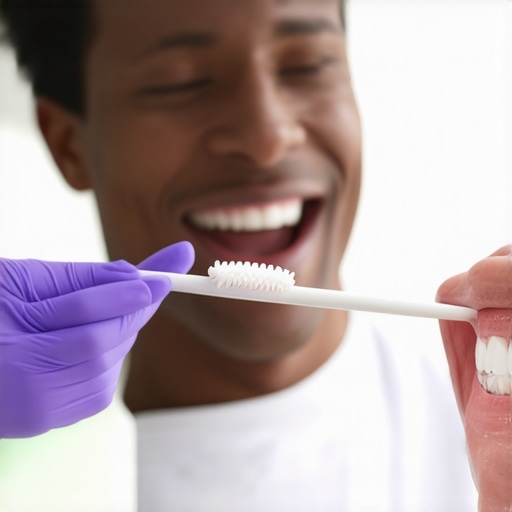
One tip I highly recommend trying is upgrading to an electric toothbrush with a built-in pressure sensor—this simple addition prevents you from applying too much force, avoiding unnecessary gum recession. Over time, this small change can significantly improve your gum health and the longevity of your restorations like crowns. Remember, tools are only as good as the hands that wield them; mastering proper technique amplifies their benefits. To stay ahead, remind yourself to regularly replace your toothbrush and floss, and schedule professional cleanings to complement your home efforts. For expert guidance and personalized advice, don’t hesitate to contact your dental professional via this link. Maintaining your tools and techniques isn’t just about cleanliness; it’s about ensuring your smile endures for years to come.
The Hardest Lesson I Learned About teeth cleaning,oral health,crowns,family dentistry
One of the most eye-opening lessons I encountered was realizing that perfect brushing habits aren’t enough if I don’t pay attention to the tools I use. High-quality electric toothbrushes with pressure sensors significantly improved my family’s oral health because they prevent over-brushing, which can cause gum recession. This taught me that investing in better tools and understanding their proper use is key to sustained dental safety.
3 Myths About teeth cleaning,oral health,crowns,family dentistry That Held Me Back
I used to believe that crowns only needed professional attention when visibly damaged. However, I discovered that regular check-ups and careful maintenance are essential for crown longevity—neglect can lead to secondary decay or crown failure. Busting these myths has changed how I approach my dental routine, knowing that proactive care prevents more costly problems later.
What Experts Won’t Tell You About teeth cleaning,oral health,crowns,family dentistry
Many professionals emphasize routine cleanings, but what they often omit is the importance of tailored advice for different dental restorations like crowns. Personalized adjustments in cleaning techniques and awareness of early signs of crown wear are vital, as detailed in this resource. Recognizing this nuanced information can be the difference between healthy, durable crowns and premature replacements.
My Essential Toolkit for teeth cleaning,oral health,crowns,family dentistry
My go-to tools include a soft-bristled electric toothbrush with a timer and pressure sensor, waxed dental floss for smooth sliding, and interdental brushes for those hard-to-reach spots. I trust these because they help me maintain consistent, effective routines that protect not just my teeth, but also my crowns and implants. Incorporating these into daily habits has kept my smile vibrant for years.
Books That Changed How I View teeth cleaning,oral health,crowns,family dentistry
Reading materials like “The Dental Diet” and guides by leading periodontists opened my eyes to the profound connection between diet, oral health, and systemic wellness. These books emphasize that good habits extend beyond brushing and flossing, influencing overall health—a perspective worth embracing for anyone committed to a lasting smile.
Where to Go from Here
If you’re ready to elevate your family’s dental care, start by aligning your routines with expert advice found at this guide. Regular professional check-ups combined with personalized home routines will empower you to maintain a resilient, confident smile for years to come.
Your Turn to Shine Bright
In your journey toward better oral health, what new habit or tool are you planning to implement? Share your thoughts below—your experience might inspire others to take a vital step toward a healthier smile.