Category: Oral Health Advice

  • The reason your teeth hurt when you have a sinus infection

    The reason your teeth hurt when you have a sinus infection

    One morning, I was flossing in front of the mirror, feeling pretty good about my oral hygiene routine—until I took a sip of cold water and a sharp jolt of pain shot through my teeth. Turns out, I was battling a sinus infection, and my teeth were caught in the crossfire. That moment was a real lightbulb—realizing that sinus issues and dental discomfort are more intertwined than most people think. If you’ve ever experienced a sudden aching pain in your teeth alongside a terrible sinus headache, you know exactly what I mean. It’s confusing, even alarming, and it can make you wonder if your dental health is somehow to blame.

    The Sinus and Tooth Connection: Why It Matters

    Could Your Sinus Infection Be Causing Your Dental Pain?

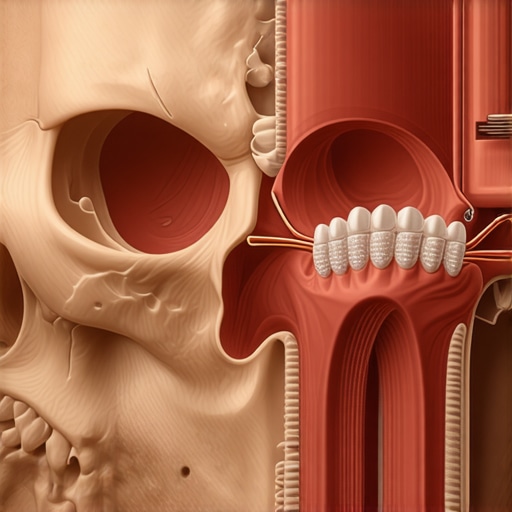
    It’s easy to assume that tooth pain always signals a cavity or gum disease. But sometimes, the culprit is a sinus infection. Your maxillary sinuses are located just above your upper jaw, nestled close to your upper molars. When these sinuses become inflamed or infected, they can put pressure on your roots, causing pain that feels identical to a toothache. Interestingly, this pain isn’t caused by dental decay but by sinus pressure radiating through your facial nerves, tricking you into thinking your teeth are the problem. I had made the mistake early on of rushing to the dentist for an urgent check-up, only to find out that my issue was sinus-related. This taught me a valuable lesson: understanding the origin of pain is crucial for proper treatment and relief.

    Recent studies show that sinus infections can mimic dental problems quite convincingly. According to the American Dental Association, about 20% of toothaches are actually caused by sinus infections, not dental decay. This means that a significant chunk of dental pain may be nothing to do with your teeth at all—yet, if overlooked, it can lead to unnecessary dental procedures or persistent discomfort.

    So, if your sinuses are acting up—feeling congested, pressure, or infection signs—and you’re experiencing tooth pain, it’s essential to differentiate the cause before heading to the dentist. Not only will this save you the expense and stress of unwarranted treatments, but it can also lead to quicker relief. Now, I’ll walk you through the key signs that distinguish sinus-related dental pain from genuine dental issues—and how to address this common yet often misunderstood problem.

    Have you ever faced this confusing overlap between sinus infections and tooth pain? Stay tuned, because understanding the nuances can make all the difference in getting the right treatment and alleviating your discomfort fast.

    Pinpoint the Cause Before Acting

    First, assess your symptoms thoroughly. If your sinus pressure is accompanied by congestion, nasal discharge, or facial tenderness, it’s likely sinus-related. I remember a time when I ignored these signs and rushed to the dentist, only to realize my pain was from sinus inflammation. Recognizing this early helped me avoid unnecessary dental procedures and focus on treating my sinus infection first.

    Use Home Remedies to Reduce Sinus Pressure

    Apply Nasal Irrigation

    Start with saline nasal sprays or a neti pot to flush out mucus and relieve sinus congestion. I tried this method during my last sinus flare-up, and within a day, the pressure in my upper jaw started easing. Ensure you use sterile water and clean equipment to prevent infection. This simple step can significantly decrease the radiating pain that mimics dental issues.

    Inhale Steam for Instant Relief

    Boil water and inhale the vapors, adding essential oils like eucalyptus for added benefit. An analogy I find helpful is treating sinus pressure like opening a blocked drain; steam helps loosen the mucus and clear the pathway, reducing the pressure exerted on your teeth roots. I noticed my discomfort lessened after 10-15 minutes of steam inhalation, making it a quick, effective remedy.

    Address Congestion with Over-the-Counter Medications

    Decongestants such as pseudoephedrine or combination antihistamines can shrink swollen sinus tissues. When I faced a stubborn sinus infection, I used these medications as directed, which provided relief within hours. Be cautious to follow dosage instructions, and consult your healthcare provider if you have underlying conditions or are on other medications.

    Incorporate Supportive Lifestyle Changes

    Hydration is key—drink plenty of water to thin mucus. I found that staying well-hydrated prevented my sinuses from becoming overly inflamed, thus reducing the likelihood of pain radiating to my teeth. Additionally, avoid irritants like cigarette smoke and allergens, which can exacerbate sinus inflammation. Maintaining these habits accelerates recovery and minimizes discomfort.

    Seek Professional Help When Needed

    If symptoms persist longer than 10 days, worsen, or involve high fever, consult an ENT specialist. During one episode, home remedies didn’t suffice, and antibiotics were necessary. An expert diagnosis ensures proper treatment, preventing complications and relieving tooth-like pain promptly.

    Implementing these actionable steps can help distinguish sinus pain from dental problems and manage your discomfort effectively. Remember, a proactive approach shortening the duration and intensity of sinus-related dental pain, allowing you to return to your routine faster.

    Person using a neti pot to flush sinuses, demonstrating sinus relief method.Many believe that daily brushing and occasional flossing are sufficient to maintain optimal oral health, but this is a misconception that can lead to overlooked issues and long-term damage. For example, the emphasis on brushing twice a day often ignores the importance of professional cleanings, which play a crucial role in removing stubborn plaque and tartar buildup that at-home care may miss. Research indicates that regular professional cleanings significantly reduce the risk of periodontal disease and improve overall health. One common myth is that DIY methods, like using baking soda or charcoal, are equally effective as professional procedures. In reality, improper use of abrasive substances can damage enamel and gums, leading to sensitivity and recession. It’s vital to recognize that expert cleaning techniques ensure the removal of biofilm without harming your teeth. When it comes to crowns, many think they’re a permanent fix that requires no maintenance; however, neglected care can result in failure or decay at the margin, especially if the crown’s supporting structure isn’t properly maintained. Proper hygiene around crowns, including gentle cleaning and regular check-ups, is essential for longevity. Family dentistry often gets oversimplified as just routine checkups, but it encompasses personalized guidance on nutrition, habits, and preventive care—elements that can greatly influence lifelong oral health. For instance, early intervention in children can prevent misalignment and decay, saving costly procedures later. Recognize that comprehensive family care involves a proactive approach, not just reactive treatments. An advanced nuance many overlook is how systemic health impacts oral health and vice versa. Conditions like diabetes or vitamin deficiencies can accelerate periodontal issues if not managed appropriately, reinforcing the importance of integrated care. Missing this interconnectedness can lead to incomplete treatment and persistent problems. Are you aware of how these hidden factors might be affecting your oral health? Let’s dig deeper and question what conventional wisdom might be missing.

    To truly optimize your dental health, consider consulting with a specialist who understands these nuances—such as an expert in crowns or periodontal therapy. Regular visits, tailored advice, and awareness of advanced issues are the key to lasting results. Remember, true oral health isn’t just about avoiding cavities; it’s about understanding and addressing the complex, interconnected factors at play. For more detailed insights into maintaining your dental crowns and ensuring that your family’s smiles stay healthy, check out this guide. Have you ever fallen into this trap? Let me know in the comments.

    Investing in the right tools and establishing effective routines are essential for keeping your teeth and gums healthy over time. One device I personally swear by is the Waterpik Sonic-Fusion. This innovative hybrid combines a toothbrush and water flosser, providing an efficient way to remove plaque and debris, especially around crowns and hard-to-reach areas. Its pulsating water jets effectively disrupt biofilm buildup, ultimately prolonging the lifespan of dental restorations and preventing periodontal issues. Additionally, I use a high-quality electric toothbrush with a oscillating-rotating motion, like the Oral-B Genius X, which ensures a thorough cleaning, especially for individuals with sensitive gums or porcelain crowns.

    Beyond hardware, software plays a crucial role. I rely on dental tracking apps that sync with my devices, reminding me to replace my toothbrush every three months and tracking my flossing habits. These apps motivate me to maintain consistency and identify patterns, such as frequent late nights or high sugar days, that could compromise oral health. Regularly scheduled professional cleanings, backed by evidence from research on professional cleanings, are non-negotiable. They remove hardened tartar and detect early signs of issues, which I schedule biannually with my dentist.

    Long-term results depend on consistent routines. I’ve adopted a routine of rinsing with a fluoride mouthwash after brushing, especially before bed, to strengthen enamel and reduce acid erosion. As I age, addressing systemic factors like vitamin D deficiency and dehydration becomes vital—regular supplementation and hydration can significantly enhance the effectiveness of your oral hygiene efforts. In fact, studies show that nutritional status directly impacts periodontal health, highlighting the importance of a holistic approach.

    Looking ahead, advancements in oral care technology are promising. AI-powered diagnostics and personalized oral health plans are becoming more accessible, which will help tailor maintenance strategies for individual needs. It’s exciting to think that soon, real-time monitoring via smart sensors embedded in dentistry devices could alert you to early signs of decay or gum disease, making preventative care more proactive than ever.

    How do I keep my dental tools and routines functioning effectively over time?

    To maintain optimal effectiveness, I recommend regularly replacing toothbrush heads and water flosser tips—set reminders using your phone or an app. Cleaning your dental devices thoroughly after each use prevents bacterial buildup (be sure to follow manufacturer instructions). Scheduling regular check-ins with your dental professional ensures your tools evolve with your needs—and keeps your smile shining. Don’t forget the power of education: stay informed about the latest research, like the tips on crown maintenance, so your restorations last longer. Try incorporating a weekly deep-cleaning routine for your electric toothbrush and water flosser, using mild disinfectants approved for dental devices. These small but impactful steps safeguard your investment in oral health and help ensure long-term success.

    Throughout my journey with dental health, I realized that there are unseen truths and overlooked practices that can dramatically influence the longevity of your smile. Embracing these deeper insights transformed my approach from routine to genuinely effective, ensuring that every effort counts toward real, lasting oral wellness.

    The Hidden Lessons that Changed My Dental Perspective

    • Not all plaque is created equal: I discovered that the biofilm lurking beneath the surface can stubbornly resist regular brushing, emphasizing the importance of advanced tools like water flossers to reach those tricky areas.
    • Material matters more than I thought: Understanding the nuances between different crown materials and their maintenance needs helped me prioritize tailored care, prolonging their shine and function.
    • Holistic health impacts dental longevity: Recognizing how systemic conditions like vitamin deficiencies or dehydration accelerate dental issues motivated me to adopt a comprehensive wellness routine, not just oral hygiene.

    Tools and Resources That Elevated My Routine

    • Professional cleanings: The backbone of preventive care, these sessions prevent tartar buildup and early decay, maintaining a healthy foundation.
    • Expert guidance on crowns: Knowing how to care for restorations prevents premature failure and preserves your natural smile’s beauty.
    • Crowns maintenance tips: Regular at-home practices tailored to crowns ensure they remain seamless and durable over time.
    • Daily health routines: Simple habits like fluoride rinses and hydration backed by evidence ensure your enamel stays strong against daily stresses.

    Keep Your Smile Bright—A Future Worth Investing In

    Your dental health isn’t just about avoiding cavities—it’s about empowering yourself with knowledge, tools, and habits that serve your unique needs. Stepping beyond the surface and embracing a comprehensive, informed approach can lead to a lifetime of confident smiles and healthier living. Are you ready to take your oral wellness to the next level or to re-evaluate your current routine? The decision is yours—start today and watch your smile flourish.

  • The link between diabetes and frequent gum infections

    The link between diabetes and frequent gum infections

    Ever had that moment where your gums feel tender, swollen, or start bleeding unexpectedly, and you brush it off as just a rough day? I used to ignore what I thought was minor irritation—until I noticed the recurring inflammation coinciding with my blood sugar spikes. It was a lightbulb moment that made me realize there’s more at play than just poor brushing habits. Yes, I’m talking about the surprising and sneaky connection between diabetes and frequent gum infections.

    In this post, I’m going to share my personal journey and discoveries, and more importantly, reveal how understanding this link can help you protect your smile and your overall health. But first, let’s get real—why should you care about gum infections? Well, because they might be a warning sign of something bigger happening in your body that demands attention.

    Why Your Gums Aren’t Just Bleeding for No Reason

    Gum disease isn’t just about poor oral hygiene; it’s often a reflection of your overall health, especially if you have diabetes. The high blood sugar levels that come with diabetes create an environment where bacteria thrive, leading to inflammation and infections in your gums. I learned this the hard way—by ignoring early signs, I risked worsening both my oral and systemic health.

    What many don’t realize is that the inflammation from gum infections can actually make it harder to control blood sugar levels, creating a vicious cycle. This is why managing your diabetes isn’t just about medication—your oral health plays a significant role.

    Trust me, early in my journey I made the mistake of thinking that routine brushing and flossing were enough. I overlooked the importance of regular dental checkups and understanding how to care for my gums properly. For instance, after a deep cleaning, I found myself experiencing more bleeding than usual, which was alarming. That’s when I started exploring how to tie my gum health to my diabetic management. If you want to know more about maintaining your dental health, check out this guide on crowns and dental hygiene.

    Many of us underestimate how interconnected our body’s systems really are. That’s why I’m here—to help you decode the signals your gums might be sending you. Are you experiencing similar issues? Keep reading, because the next sections will demystify what steps you can take to break this cycle and keep both your blood sugar and gums in check.

    Start with Precise Brushing Techniques to Combat Gum Infections

    Imagine your toothbrush as a tiny scrub brush for a stubborn stain—you’re aiming to remove plaque without damaging delicate gums. I remember the first time I tried manual brushing with a soft-bristled brush, focusing on gentle, circular motions along my gum line. This approach effectively disrupted plaque buildup without causing bleeding, especially when I used a soft-bristled manual toothbrush. Switching to this method reduced sensitivity and inflammation. Consistency is key—brush twice a day for two minutes, making sure to cover all surfaces. Incorporate gentle flossing afterward to dislodge debris between teeth, which a toothbrush can’t reach.

    Use Proper Flossing to Break the Cycle of Inflammation

    Flossing might seem simple, but technique matters tremendously. Instead of snap-flossing carelessly, I gently glide the floss into the gum pockets, forming a C-shape around each tooth while avoiding force that can cause bleeding. Initially, I experienced minor bleeding during flossing sessions, but I persisted—this indicated my gums needed attention and were responding to improved care. Regular flossing removes bacterial colonies lurking near the gum line, essential for diabetics fighting ongoing inflammation. If you’re unsure about technique, review this guide on effective home practices.

    Regular Dental Checkups Are a Non-Negotiable

    Think of professional cleanings as routine tune-ups for your car; they keep your engine running smoothly. I scheduled biannual visits, emphasizing professional cleaning procedures that focus on deep pockets of plaque that home methods miss. During those visits, my dentist performed scaling, removing hardened tartar—crucial because plaque hardens into calculus, which cannot be removed by brushing alone. This intervention reduced my gum bleeding episodes and kept inflammation in check. For optimal results, inquire about techniques to prolong the longevity of crowns and dental restorations.

    Recognize the Role of Proper Care for Dental Crowns and Restorations

    If you have crowns, their care is vital for gum health. I used to neglect the special cleaning needs of my crown, but I learned that neglecting to clean around crowns allows bacteria to seep underneath, leading to decay and gum inflammation. Using an interdental brush or water flosser helped me maintain the area around my crown, preventing infections that could jeopardize my systemic health. Remember, crowns are like delicate castles—walls need regular maintenance to stay secure. Check out this detailed guide for the best practices.

    Adopt an Oral Routine That Works for Your Lifestyle

    Your daily routine should be simple yet effective—think of it as a shield against bacteria. I started using a fluoride rinse after brushing, which fortified my enamel and reduced sensitivity while also neutralizing harmful bacteria. Incorporating mouthwash tailored for gum health helped me manage inflammation better, especially during stressful periods when my blood sugar spiked. Establish habits like rinsing, brushing, and flossing in the same order each day for consistency. For ideas that fit your lifestyle, explore this resource on daily oral health routines.

    When it comes to maintaining optimal oral health, many of us fall prey to misconceptions that could be holding us back. One prevalent myth is that any staining on teeth is solely due to poor brushing habits. However, recent research indicates that certain stains are largely influenced by internal factors like enamel erosion or even medication side effects, making superficial cleaning insufficient. This is why understanding the underlying causes is crucial; a quick whitening treatment won’t address issues rooted in systemic health. For example, individuals with crowns often believe they require special cleaning methods, but in reality, improper cleaning around restorations can accelerate decay. Regularly scheduled professional cleanings, combined with the right home care, are vital for longevity. Want to dive deeper into how crowns can impact your overall dental health? Check out this detailed guide on crowns and smile makeovers.

    ### Are All Teething Efforts Equal for Adults?
    Many assume that brushing harder removes more plaque, but this can actually damage gums and enamel, leading to recession and sensitivity. The truth is, gentle, consistent brushing with the correct technique beats aggressive scrubbing every time. Studies show that overdoing force during brushing can strip the protective layer of enamel, increasing vulnerability to cavities and sensitivity—especially for those with crowns or restorations. So, how do you ensure you’re brushing effectively without harm? Practice using a soft-bristled brush with circular motions, targeting the gum line, and avoiding excessive pressure. Want to know about advanced techniques for maintaining crowns? Visit this resource on crown care.

    Another crucial aspect is the frequency and timing of professional cleaning. Many believe that once a year is enough, but evidence suggests that biannual visits significantly reduce periodontal risks, especially in diabetics where inflammation often disguises itself. These routine checkups allow dentists to identify early signs of deterioration around crowns and restorations, preventing costly repairs. Remember, neglecting these visits can lead to hidden issues—like bacterial infiltration—that compromise dental integrity over time. Curious about how dental professionals detect these problems early? Explore this insight on bacterial colonization.

    Lastly, many underestimate the importance of comprehensive family dentistry. It’s not just about cavities; it’s about nurturing a lifelong commitment to oral wellness, which includes education on correct brushing, flossing, and recognizing early warning signs. Did you know that proper home care routines can significantly extend the lifespan of crowns and prevent the recurrence of gum disease? For tailored advice on building effective routines, check out this family dentistry resource.

    In summary, unlearning myths about teeth staining, aggressive brushing, and minimal maintenance is crucial for better oral health. Recognize that superficial fixes won’t solve systemic or structural issues. Continuously educate yourself, consult professionals regularly, and adopt gentle yet effective care routines. Have you ever fallen into this trap? Let me know in the comments.Maintaining your oral health over time requires more than just regular brushing and flossing; it demands the right tools and disciplined routines. One of my favorite investments has been a high-quality electric toothbrush like the Philips Sonicare series. I personally chose it because of its oscillating-rotating action, proven to remove more plaque than manual brushes and gentle enough for delicate gums. The built-in timers ensure that I brush for the recommended two minutes, preventing the tendency to rush through brushing sessions. Over the years, I’ve found that consistency with a reliable device significantly reduces gum inflammation and helps maintain the longevity of crowns and fillings.

    In addition to the toothbrush, I recommend a water flosser such as the Waterpik Aquarius. Traditional flossing can sometimes be tricky, especially around crowns or braces, but a water flosser effectively dislodges food debris and bacteria in hard-to-reach areas without damaging delicate restorations. I use mine daily to complement my brush, especially after meals high in carbs or sugars. Regular flushing around crowns prevents bacteria buildup that could lead to decay or gum disease, helping preserve both your natural teeth and restorative work.

    Monitoring your oral health with advanced tools isn’t just about cleaning; it’s about early detection too. I rely on a portable perio probe like the CPI (Community Periodontal Index) tool to check gum pocket depths at home discreetly. This simple device gives me peace of mind by identifying early signs of recession or periodontal issues before they escalate. Incorporating such professional-grade tools into your routine can empower you to take control of your health between dentist visits.

    Looking toward the future, digital health trackers and AI-powered apps are poised to revolutionize how we monitor oral health. Imagine using your smartphone paired with a smart toothbrush that provides real-time feedback and alerts you to areas you missed or where bleeding occurs. Companies are developing sensors embedded in toothbrushes and dental appliances to track oral health metrics continuously, alerting you to changes that may require professional attention.

    ### How do I maintain my tools and routines for lasting results?
    Keeping your equipment in top shape is vital. Regularly replace brush heads every three months—this is critical because worn bristles are less effective and can harbor bacteria. For water flossers, follow the manufacturer’s instructions for descaling and cleaning, as mineral deposits can clog the device over time, reducing its efficacy. Storing tools in a dry, well-ventilated area prevents mold and bacterial growth.

    Consistency with these practices enhances the benefits and ensures your investments pay off in a healthy, pain-free smile. Remember, integrating these tools seamlessly into your daily routine makes maintenance feel less like a chore and more like a lifestyle choice.

    For crowns and restorations, investing in specialized cleaning devices such as interdental brushes and water flossers extends their lifespan and prevents costly repairs. Regularly checking your crown margins for buildup, as suggested in this comprehensive guide, ensures you catch issues early.

    Try implementing a water flosser if you haven’t already; it’s one of the most effective tools to keep your crown areas clean, especially after meals. Over time, such disciplined routines contribute to a vibrant, healthy mouth, reducing the need for invasive procedures and saving you money. Remember, tools are only as good as the routine you build around them, so make them a staple in your daily oral health regimen.

    The Hardest Lesson I Learned About Oral Health and Crowns

    One of my most eye-opening experiences was realizing that even small, seemingly insignificant signs like gum bleeding could signal a deeper systemic issue, especially with crowns involved. I used to think that routine cleaning and brushing were enough, but neglecting the nuances of crown care and its impact on my overall health taught me a valuable lesson: never overlook the subtle signals your mouth gives you. Early intervention around crowns and gum health can save you from costly procedures later and improve your quality of life.

    What I Wish I Knew Before Ignoring My Gums and Blood Sugar

    Managing diabetes requires a holistic approach, and I learned that oral health is a crucial part of it. Ignoring inflamed gums or blood-tinged saliva can exacerbate blood sugar problems, creating a vicious cycle. Recognizing these signs early and adopting targeted care routines, like gentle brushing and professional checkups, transformed my health journey. This insight changed how I view routine dental visits—they are not just about teeth but about systemic wellness too. For tailored advice, check out this guide on crowns and dental hygiene.

    How Gentle Techniques Saved My Smile and Sanity

    Switching to soft-bristled brushes and mastering proper flossing methods felt like small wins that made a big difference. The secret was gentle, consistent care tailored to my crowns and sensitive gums. I also invested in a water flosser, which effortlessly cleared debris around restorations, preventing infections and discomfort. These tools and routines empowered me to maintain my smile confidently, avoiding unnecessary pain and visits. Incorporating these habits can be a game-changer for anyone with crowns or gum concerns.

    Curated Resources That Truly Made a Difference

    Over the years, I’ve leaned on some invaluable resources to refine my practices. This comprehensive guide on crowns and cleaning taught me how to care for restorations effectively. Also, tips on crown longevity helped me extend the life of my dental work. For daily routines, this resource on strengthening your smile daily offers simple yet powerful habits. Each of these has contributed immensely to my confidence and health.

    Your Smile Can Be a Power Missile Against Hidden Dangers

    Taking charge of your oral health today isn’t just about shiny teeth; it’s about defending your body from unseen threats. Small steps—like proper brushing, regular checkups, and attentive crown care—compound into a formidable shield against systemic issues like diabetes complications or heart disease. I encourage you to view your dental routine as a form of self-empowerment that can transform your overall wellness. Are you ready to start or refine your oral health journey? Share your thoughts below!

  • The real cause of white spots on your teeth

    The real cause of white spots on your teeth

    I remember staring at my mirror one morning, frustration bubbling up as I noticed those stubborn white spots mocking my smile. No matter how much I brushed or flossed, they stayed put—like uninvited guests refusing to leave. It hit me then, in that quiet, honest moment, that I’d been missing something crucial about my oral health. That lightbulb moment wasn’t about just superficial cleaning; it was about understanding what those white spots really mean—and how they can tell a story about my teeth’s inner health.

    Getting to the Root of White Spots—Why It’s More Than Just Cosmetical

    White spots on teeth aren’t just pesky blemishes ruining your perfect smile; they’re often clues to underlying issues that could impact your dental longevity. I used to think they were just superficial stains or minor flaws that would fade away with better brushing. Big mistake. Early on, I made the mistake of ignoring their significance, believing whitening toothpaste was enough. But the truth is more nuanced. Sometimes, these spots signal demineralization, the initial stage of decay, or even a sign of enamel hypoplasia—conditions that, if left unmanaged, can compromise your tooth’s strength.

    Understanding what causes these spots is essential. Could they be signs of poor mineralization, or are they the remnants of past damage? The answer lies in a deeper look at your oral health routine and dietary habits. Did you know that poor nutrition and inadequate oral hygiene can accelerate enamel loss? According to recent studies, neglecting early signs of demineralization can lead to more serious decay, potentially requiring crowns or other restorative treatments. You can find more expert advice on strengthening your smile daily at [oral health routines](https://periodontistcare.com/oral-health-routine-strengthening-your-smile-every-day).

    If you’ve ever faced these stubborn white spots and wondered whether they’re harmless or warning signs, you’re not alone. Many people brush off these spots as just an aesthetic issue, not realizing they’re actual signals telling you to take action. I learned this the hard way, and my mistake was dismissing the importance of professional insight early on.

    So, how do you tell whether those spots are benign or something more serious? That’s what we’ll explore next—arming you with the knowledge to evaluate and address this common dental concern effectively.

    Start with a Thorough Oral Hygiene Routine

    First, ensure your daily habits are on point. Brush at least twice a day with a soft-bristled brush, focusing on gentle, circular motions to avoid enamel damage. Use fluoride toothpaste to help remineralize spots and strengthen enamel. Incorporate flossing and an antimicrobial mouthwash into your routine to reduce plaque buildup, which can contribute to white spots. Remember, consistency is key; making this a daily habit can prevent spots from worsening. I once neglected my routine during a busy week, which led to more noticeable spots, prompting me to revisit my daily habits. Now, I swear by a strict routine, which significantly improved my oral health.

    Adjust Your Diet to Support Enamel Repair

    Moderate your intake of sugary and acidic foods that can accelerate demineralization. Include foods rich in calcium, phosphate, and vitamin D—think dairy products, leafy greens, and nuts—to supply the minerals necessary for enamel rebuilding. Limit snacking between meals to reduce acid attacks on your teeth. Drinking plenty of water helps rinse away food particles and maintains a neutral oral pH. I started drinking more water and cutting back on sodas, and over a few weeks, I noticed my white spots becoming less prominent. These small diet changes act like fuel for your teeth’s natural repair mechanisms.

    Visit Your Dentist for an Accurate Diagnosis

    Assessing the true cause of white spots requires professional expertise. Schedule an appointment with a dentist who can perform a thorough examination and possibly take X-rays. They can determine if the spots are early signs of decay, demineralization, or other conditions. During my visit, my dentist explained that my spots resulted from initial enamel erosion, and recommended targeted treatments. Sometimes, superficial bleaching isn’t enough, especially if spots are due to deeper issues. Professional advice ensures you’re addressing the root cause, preventing future damage.

    Consider Professional Treatments to Restore Your Smile

    Several procedures can effectively improve or eliminate white spots. Microabrasion involves removing a thin layer of enamel to smooth out the surface, suitable for mild cases. For more stubborn spots, fluoride treatments can aid remineralization, making enamel stronger. If spots are extensive or due to enamel hypoplasia, your dentist might suggest fillings or resin applications. I had a microabrasion done after my dentist confirmed the spots weren’t due to decay, and the results were remarkable—my smile looked more uniform and vibrant.

    Know When to Think About Restorative Options

    If white spots are signs of more significant enamel loss or structural damage, restorative procedures like dental crowns may be necessary. Crowns act as a cap, covering the entire tooth to shield it from further decay and improve appearance. A crown can restore both function and aesthetics, especially for teeth that have become structurally weak or severely discolored. I researched how crowns could enhance my smile and learned they’re not as intimidating as I once thought. Visiting a family dentist can help determine whether crowns or other restorations are the best fit for your needs, especially if your spots are associated with weakening or damaged teeth.

    Maintain Long-Term Results with Proper Care

    Once your spots are treated, ongoing maintenance ensures they won’t return. Use sensitive toothpaste if you experience discomfort. Regular professional cleanings, ideally every six months, help monitor your progress and catch any issues early. Also, consider consulting your dentist about routine check-ups and advanced treatments like bonding or veneers if spots persist. I now follow a diligent schedule, combining good habits and professional care, which has helped keep my smile white and healthy. Remember, the key to lasting results is a proactive approach and consistent daily efforts.

    When it comes to maintaining oral health, many believe that brushing twice a day and flossing are enough, but the truth is more nuanced. A common misconception is that more aggressive brushing leads to cleaner teeth; however, overbrushing with a hard-bristled brush can erode enamel and cause gum recession, ironically increasing your risk for decay and sensitivity. Moreover, some rely solely on fluoride toothpaste without considering the importance of remineralization through diet and routine professional cleanings. Experts warn that neglecting the subtle signs of early enamel demineralization can accelerate decay, emphasizing the need for knowledgeable intervention at family dentistry sessions—learn more about the importance of professional care at professional cleanings.

    A major myth is that crowns and other restorations are permanent without maintenance. The truth is, without proper care, crowns can fail prematurely due to issues like cement washout, cement breakdown, or improper fit becoming a breeding ground for bacteria. Did you know that routine check-ups and proper hygiene practices are essential for crown longevity? For instance, using correct cleaning techniques can greatly extend their lifespan. This highlights an advanced mistake many make—believing that restorations don’t require ongoing attention, which can lead to unnecessary replacements or complications.

    Another common oversight involves not understanding the nuanced differences in dental materials for crowns. Not all crowns respond equally to daily wear or whitening treatments. Zirconia crowns, for example, are durable and stain-resistant but may not match the translucency of porcelain or ceramic options, affecting aesthetic outcomes. An error here can be choosing a crown based solely on cost without understanding long-term appearance and functionality—see comparison of crown materials.

    What about advanced questions? For example, are there situations where routine cleaning might inadvertently harm your crown or dental work? Absolutely. Aggressive polishing or using abrasive toothpaste can scratch or damage the surface of crowns, reducing their shine and increasing plaque accumulation. These subtle mistakes can undermine your investment in dental restorations. An article like maintenance tips can help you avoid such pitfalls.

    In summary, understanding the hidden nuances—like material properties, maintenance routines, and recognizing early signs of wear—is crucial. If you want to ensure your smile remains both healthy and beautiful, it’s important to go beyond the basics and stay informed about the complexities of dental care. Have you ever fallen into this trap? Let me know in the comments.Maintaining healthy teeth and effective restorations requires more than just a good routine; it demands reliable tools and consistent practices. I personally rely on a high-quality electric toothbrush like the Philips Sonicare DiamondClean, which offers superior plaque removal and enamel protection compared to manual brushes. Its sonic technology creates micro-bubbles that reach into crevices, ensuring a thorough cleaning that I can’t achieve otherwise. Using an oscillating-rotating brush has noticeably reduced my white spots and prevented further enamel demineralization. For sensitive areas, I switch to a soft-bristled brush with a smaller head, allowing me to reach tricky spots around crowns and along gum lines with precision. Incorporating interdental brushes like the TePe interdental brush helps me maintain interdental spaces, essential for preventing plaque buildup beneath crowns or bridges, as detailed in professional dental studies.

    In terms of flossing, I prefer dental water flossers such as Waterpik because they deliver pulsating water jets that dislodge debris from around crowns and in tight spaces, making daily cleaning more efficient and less abrasive. They are especially beneficial if you have sensitive gums or experiences discomfort with traditional floss. I also use fluoride mouth rinses post-cleaning, enhancing remineralization, especially around white spots where enamel is compromised.

    For routine professional maintenance, I schedule biannual visits to my dentist, utilizing their expertise to perform deep cleanings and apply advanced treatments like fluoride varnishes or remineralization agents. I’ve noticed that following professional advice and maintaining a personalized kit of these tools significantly extends the lifespan of my crowns and diminishes the appearance of white spots.

    Looking forward, the trend in oral care points toward smart tools that integrate with smartphone apps, offering real-time feedback on brushing and flossing habits. Devices equipped with AI can help identify early signs of demineralization or plaque accumulation, enabling preemptive action.

    **How do I keep these tools performing at their best?** Regular replacement of brush heads every three months, proper cleaning of water flossers to prevent mold buildup, and storing tools in a dry, clean environment are my go-tos. Also, staying informed through professional resources like expert advice on cleanings ensures I’m following the latest best practices.

    For anyone serious about long-term oral health and protecting valuable restorations, I highly recommend investing in a quality electric toothbrush and an interdental cleaning device. These tools, combined with consistent home routines, create a powerful defense against decay and other issues that can compromise crowns. Don’t forget—maintenance extends beyond tools; regular check-ups help identify potential problems early. Try integrating even one new tool today to see improvements in your smile’s health and appearance.

    What I Wish I Knew Before Ignoring White Spots

    One of the most profound lessons I learned was that white spots aren’t just surface blemishes but signals from your teeth about internal health. Ignoring them can lead to more serious issues, and recognizing early signs can save your smile and wallet.

    Why Professional Insights Are Worth Their Weight in Gold

    Initially, I relied solely on over-the-counter remedies, but consulting with a dentist revealed underlying causes that home routines couldn’t address. Professional guidance is essential for tailored solutions, especially when considering treatments like microabrasion or remineralization.

    My Personal Strategy for Long-Term Dental Happiness

    Combining high-quality tools, routine check-ups, and smart dietary choices transformed my oral health. Investing in a good electric toothbrush, interdental cleaners, and staying proactive made all the difference in preventing white spots from returning.

    Curated Resources That Reshaped My Approach

    Books like “The Oral Health Revolution” provided deep insights into enamel repair and preventive care. Reliable tools like the Philips Sonicare DiamondClean and Waterpik Water Flosser are game-changers I trust, making daily routines effective and enjoyable. Staying connected with expert advice through trusted websites kept me updated on best practices.

    Your Smile’s Future Starts Today

    Taking actionable steps now, like refining your oral hygiene routine and consulting professionals, can make lasting differences. Remember, each small effort compounds into a healthier, more confident you. What’s the first change you plan to make in your dental care today? Share below, and let’s support each other’s journey to better smiles.

  • How to tell the difference between a canker sore and a cold sore

    How to tell the difference between a canker sore and a cold sore

    Have you ever woken up with a mysterious bump or sore in your mouth and felt that little wave of panic? I remember that sinking feeling all too well—one moment, my mouth was fine; the next, I was poking at a painful spot and wondering, “Is this a cold sore or a canker?” I used to think they were the same thing, and honestly, misdiagnosing them led to unnecessary stress and even ineffective treatments. It’s only after some trial and error—and a few embarrassing moments explaining myself to my dentist—that I learned how to tell these two common oral complaints apart. And let me tell you, understanding the difference is more than just academic; it impacts how you treat them and how long they stick around.

    Why Recognizing the Difference Matters So Much

    Knowing whether you’re dealing with a canker sore or a cold sore can save you not only discomfort but also time, money, and a lot of worry. Cold sores, caused by the herpes simplex virus, are contagious and often spread through close contact, while canker sores are typically benign ulcers that just happen to pop up out of nowhere. Misidentifying one for the other can lead to using the wrong remedies—a mistake I made early on—and that can prolong your misery or even make it worse. For example, over-the-counter cold sore treatments won’t help canker sores and vice versa. Being able to recognize which is which means you can choose the correct treatment, seek appropriate professional advice, and prevent unnecessary spreading of infections, especially with cold sores. Plus, if you’re unsure, consulting a professional can offer peace of mind and accurate diagnosis.

    Is it Really Worth Spending Time on This?

    Absolutely. I used to dismiss minor mouth irritations as trivial, but ignoring them often meant missing early signs of more serious issues. Early detection of cold sores, for instance, can allow for prompt antiviral treatment that shortens their lifespan. On the other hand, proper care for canker sores can speed healing and reduce discomfort. The key is understanding what you’re looking at—something that sounds simple but can be confusing without a bit of guidance. In my experience, learning to differentiate these oral issues made me more confident in managing my health and knowing when to see my dentist or doctor. If you’ve ever faced this dilemma, you’re definitely not alone. Many people only realize the importance of identification once they’re stuck with persistent pain or an open sore that just won’t quit.

    Common Mistake to Avoid Early On

    When I first faced a sore in my mouth, I thought applying lip balm or trying home remedies would suffice. Big mistake! I didn’t know that cold sores and canker sores respond to completely different treatments. For example, cold sores often require antiviral medication, and suppressing the herpes virus early can drastically reduce their duration. Meanwhile, canker sores benefit from topical analgesics and avoiding spicy or acidic foods. My early assumption that all mouth ulcers are the same was a costly mistake that I wish I had learned sooner. To prevent wasting time and suffering longer, it’s crucial to get an accurate diagnosis from a healthcare professional. And if you want to dive deeper into how professional treatments can make a difference, check out this guide on expert dental advice.

    Now that we’ve covered why identifying the type of sore matters, let’s look at how to tell these two common oral issues apart. This knowledge alone can empower you to make better choices and avoid unnecessary distress. Ready to become your own oral health detective? Let’s get started.

    **

    Pinpoint the Sore with a Simple Inspection

    Start by examining the sore carefully, noting its location, size, and appearance. Cold sores often appear as clusters of blisters on the lips or around the mouth, with a crusty surface once healed. Canker sores are usually round or oval ulcers inside the cheeks, tongue, or throat, with a yellowish center and red border. I vividly remember the first time I looked closely at a painful bump; I used a tissue mirror to get a good view, which helped me differentiate the small blister from the ulcer inside my cheek. This step is crucial because it guides you toward the right treatment path.

    Observe Key Differences and Decide

    Recognize that cold sores are caused by the herpes simplex virus and are contagious, while canker sores aren’t contagious and are linked to stress, certain foods, or minor injuries. To distinguish, check if the sore is on the lip margin or inside the mouth. Cold sores typically start with tingling or burning sensations before blisters appear—like a small warning sign that’s easy to miss. Canker sores, on the other hand, often develop insidiously, with a tingling feeling followed by a painful ulcer. Remember, mistake here can delay proper treatment, so pay close attention. For instance, I once mistook a cold sore for a canker sore and applied topical ointments only to realize it was an active herpes lesion after visiting my dentist, which reinforced how vital accurate identification is.

    Use the Right Home Care Strategies

    Once you identify the sore, applying the appropriate treatment makes all the difference. For cold sores, antiviral creams like docosanol or oral medications are most effective if used early—ideally within the first 24 hours of tingling sensations. I learned this the hard way when I tried to ignore the initial burning, only to watch the blisters fully develop overnight. An effective way to manage pain and keep the sore clean is to avoid picking at it and to rinse with a mild, saltwater solution after meals. For canker sores, topical analgesics such as benzocaine or natural remedies like alum powder can soothe discomfort. I often used a mixture of salt and warm water to rinse, which helped reduce inflammation and sped up healing. Consistency is key; neglecting proper hygiene or aggravating the sore with spicy foods can prolong healing times.

    Incorporate Dietary Adjustments

    Diet plays a pivotal role in managing mouth sores. Cold sores may benefit from foods rich in lysine and avoiding arginine-heavy items like nuts and chocolate during outbreaks. Canker sores, meanwhile, often worsen with acidic, spicy, or rough-textured foods—think citrus, tomatoes, or chips. I remember once trying a spicy salsa that irritated my canker sore, prolonging discomfort. Instead, opt for soft, bland foods such as yogurt, smoothies, or mashed potatoes. Hydration is equally important; stay well-watered to support healing. For persistent or recurrent sores, consulting a healthcare professional can also recommend supplements like vitamin B12 or folic acid, which some studies suggest may reduce frequency.

    Know When to Seek Professional Help

    If your sore persists beyond two weeks, becomes increasingly painful, or is accompanied by fever or swollen lymph nodes, it’s time to see a dentist or doctor. Sometimes, what appears to be a simple sore could be a sign of a more serious condition like oral herpes complications or even oral cancer. During my own experience, I overlooked a sore that lingered for three weeks until it started bleeding, prompting me to get professional advice. Remember, timely intervention can prevent complications and ensure appropriate treatment—whether it’s prescription antiviral drugs for cold sores or specialized care for recurrent canker ulcers.

    Integrating these steps into your oral hygiene routine ensures you’re armed with practical knowledge. Regular family check-ups and professional cleanings support early detection and prevention, reducing the chances of infections taking hold. To maintain a healthy smile, consider reading about effective home dental practices and practicing good habits daily. Remember, understanding your mouth gives you the power to act swiftly and effectively when trouble arises.

    Many people believe that maintaining oral health is simply about brushing and visiting the dentist regularly, but there’s more to it than meets the eye. A widespread myth is that all dental issues are caused by poor hygiene, yet genetics and systemic health also play significant roles. For example, some individuals with excellent brushing habits still suffer from gum disease or dental caries due to genetic susceptibility, as highlighted in recent studies emphasizing the importance of personalized dental care. Another misconception involves crowns; many assume that once a crown is placed, it requires no special attention. However, neglecting proper maintenance and understanding the nuances of crown care can lead to premature failure or aesthetic issues. For instance, failing to avoid abrasive cleaning agents or ignoring decay around the margins can compromise the crown’s longevity, as detailed in expert guidelines on crown maintenance. Similarly, in family dentistry, there’s a tendency to overlook the significance of early intervention for children’s oral habits, thinking their teeth will naturally align. Yet, early orthodontic assessments can prevent more invasive treatments later, as supported by recent research advocating for timely evaluations. Concerning teeth cleaning, some believe that more frequent cleanings always equate to better oral health, but overdoing it can harm enamel and gums, especially if done aggressively. Professional cleanings involve technical expertise to remove plaque without damaging delicate tissues, which is why professional education emphasizes gentle yet thorough techniques. Making these mistakes can be costly, both financially and health-wise. A practical example: neglecting the importance of proper flossing techniques can leave plaque behind, leading to gingivitis, despite regular brushing. Advanced issues often stem from overlooked nuances—like understanding how systemic conditions such as diabetes increase susceptibility to periodontal disease, which underscores the need for a comprehensive approach. Recognizing these hidden details helps prevent common pitfalls and ensures long-term oral health. Want to know how personalized care can make a difference? Check out how crowns can boost your dental confidence or the importance of family dentistry. Remember, understanding the nuances in your dental health routine can save you from unnecessary procedures and expenses. Have you ever fallen into this trap? Let me know in the comments.

    How do I maintain my dental tools and routines over time?

    Investing in high-quality oral health tools is the first step, but maintaining them is equally crucial for lasting results. I personally swear by my electric toothbrush, particularly the Oral-B Genius X, which uses advanced oscillating-rotating technology to remove plaque more efficiently than manual brushes. Regularly replacing the brush head every three months ensures optimal cleaning, and I set reminders to keep track—I know, tedious, but worth it. For flossing, I prefer the Waterpik Water Flosser because it reaches areas traditional floss can’t access and is gentler on gums, especially if you have sensitive tissue. It also reduces plaque buildup and improves gum health, as evidenced by clinical studies.

    Suppose you use dental whiteners or other at-home treatments. In that case, it’s vital to follow manufacturer instructions strictly, especially regarding duration and frequency, to prevent enamel erosion. I also recommend a gentle tongue scraper like the Dr. Tung’s, which removes bacteria and freshens breath more thoroughly than brushing alone. Consistent maintenance of these tools prevents bacteria accumulation and prolongs their effectiveness, ultimately contributing to healthier teeth and gums.

    What are the benefits of professional cleaning and how do they support long-term results?

    While daily routines are crucial, periodic professional cleanings provide the deep plaque and tartar removal that at-home methods can’t achieve. Regular dental visits, ideally every six months, not only keep your smile bright but also help identify early signs of decay or gum disease. This proactive approach aligns with the importance of ongoing family dentistry, which emphasizes building a lifetime of healthy smiles. Skilled hygienists use high-tech tools like ultrasonic scalers, which vibrate at ultrasonic frequencies to dislodge stubborn tartar without damaging enamel—a technique supported by research from the Journal of Clinical Dentistry.

    I personally schedule my cleanings ahead of time and ask my hygienist for tailored advice on brushing and flossing between visits. Incorporating professional expertise ensures that your oral health routine evolves with your needs, preventing costly restorative treatments down the line and maintaining your confidence.

    Looking ahead—what trends will shape oral maintenance?

    In the future, I predict that AI-integrated dental devices will become commonplace, offering real-time feedback on your brushing and flossing habits. For instance, smart toothbrushes with Bluetooth connectivity can monitor pressure and coverage, alerting you to areas you neglect. Such innovations aim to personalize your care and reinforce good habits, making maintenance less of a chore and more of an empowering experience. Embracing these tools now can keep your oral health on the cutting edge.

    To maximize your long-term results, I recommend integrating these advanced tools into your routine and staying informed about new technologies. For example, trying an AI-powered toothbrush might seem extravagant now, but this investment in your health pays dividends in savings and confidence later. Ready to upgrade your approach? Explore options like the Philips Sonicare ExpertClean, which combines manual finesse with smart technology to optimize cleanliness and gum health.

    Remember, maintaining your dental tools—whether brushes, flossers, or professional services—is the secret to a lifetime of healthy smiles. For more expert insights, check out this guide on crowns and teeth cleaning.

    The Hardest Lesson I Learned About Oral Health and Restorations

    One of my biggest realizations was that even the best dental crowns require diligent care and regular check-ups. Initially, I thought a crown would last forever with minimal effort, but neglecting routine dental visits led to unnecessary complications. This taught me the importance of scheduled professional cleanings and understanding that maintaining restorations is an ongoing commitment, not a one-time event.

    3 Myths About Family Dentistry That Held Me Back

    I used to believe that dental visits were only necessary when I had pain or visible issues. It wasn’t until I discovered the benefits of early prevention—like sealants for children and regular assessments—that I saw how family dentistry is about building a foundation of health for every age. Dispelling this myth encouraged me to prioritize proactive care for my entire family, saving time and discomfort down the line.

    The Truth About Teeth Cleaning That No One Tells You

    I realized that professional teeth cleanings do more than just brighten your smile—they remove plaque and tartar that can cause gum disease and even systemic health problems. Learning about the technique and significance of deep cleaning sessions shifted my perspective from viewing dental visits as optional to essential. Now, I see teeth cleaning as a vital part of overall wellness, not just an aesthetic routine.

    Where Your Dental Health Journey Can Take You Next

    From exploring innovative crown materials like zirconia to adopting new home care tools, the possibilities for improving your oral health are expansive. I suggest investing time in learning about options like how crowns can boost your confidence and maintaining a routine tailored specifically for your needs. Remember, every step you take toward understanding your dental health empowers you to make better choices and enjoy a lifetime of healthy smiles.

    What’s Your Next Move in Family Dental Care?

    Think about your current dental routines or any hesitations you have. Are you regularly visiting your dentist or avoiding check-ups? Sharing your experiences or questions below can inspire others to take that important step. After all, healthy teeth and gums are the foundation of a confident smile—so why not start today? Your future self will thank you for it!

  • Why your jaw clicks when you eat and how to fix it

    Why your jaw clicks when you eat and how to fix it

    Imagine biting into a crisp apple, only to be met with a sudden *pop* or a strange clicking sound in your jaw. I used to experience this myself, and honestly, it drove me nuts. That moment of surprise—when your own jaw betrays you—can feel both weird and alarming. Before I knew it, I was avoiding certain foods because I dreaded the discomfort and odd noises. If this sounds familiar, you’re not alone. Many people experience a clicking jaw without fully understanding why it happens or how to make it stop.

    Understanding the cause of your jaw clicking is more than just a curiosity; it’s a step toward better oral health and comfort. Today, I’ll share my personal journey from frustration to relief and offer practical advice on how you can address this common but often overlooked problem. Whether it’s your first time noticing the click or a persistent annoyance, there’s hope, and solutions that work.

    What’s Really Going On When Your Jaw Clicks?

    The clicking sound you hear when you eat or talk often points to issues with your temporomandibular joint (TMJ), which connects your jawbone to your skull. Sometimes, this joint gets misaligned or develops degenerative changes, leading to what’s called TMJ dysfunction. But don’t worry—before jumping to scary conclusions, many cases are manageable with proper care.

    In my early days of dealing with this, I made a mistake many do: I ignored the problem in hopes it would go away. Big mistake. Ignoring TMJ issues can lead to more pain and discomfort. According to a study published by the National Institute of Dental and Craniofacial Research, TMJ disorders are more common than you might think, affecting up to 12% of the population at some point. It’s worth paying attention to.

    The good news? Most causes of jaw clicking are treatable, especially if caught early. From simple jaw exercises to professional assessments, there are ways to restore harmony to your bite. But first, it’s important to understand what might be triggering your specific issue.

    Are you ready to explore practical fixes, or do you still wonder if this is something serious? Keep reading, and we’ll go through the steps I used to stop my jaw from clicking—and how you can do the same.

    Start with Gentle Jaw Exercises

    One of the most straightforward ways to reduce jaw clicking is by performing targeted exercises to relax and strengthen the jaw muscles. I remember a day when I dedicated just five minutes to opening and closing my mouth slowly, holding each stretch for a few seconds. It felt messy initially—jaw muscles felt tired and a bit sore—but over a week, I noticed fewer clicks and less discomfort. To do this properly, sit comfortably, place your fingertips lightly on your jaw joints, and slowly open your mouth as wide as comfortable, then gently close. Repeat this ten times daily. Consistent practice helps to realign the joint and ease muscle tension.

    Mind Your Posture and Stress Levels

    Your posture directly impacts jaw health. When I was stressed, I found myself clenching my teeth unconsciously, which worsened the clicking. Think of your jaw like a hinge that needs proper alignment; poor posture can shift this hinge out of place. To improve this, keep your shoulders back, head level, and avoid jutting your chin forward. Incorporate regular breaks during work to stretch your neck and shoulders. Managing stress through breathing exercises or mindfulness reduces involuntary clenching, which tends to make clicking worse. If you notice yourself grinding or clenching, consider talking to your dentist about a custom night guard to protect your jaw during sleep.

    Adopt a Soft and Mindful Eating Routine

    Hard or chewy foods can strain your TMJ and exacerbate clicking sounds. I once tried to eat crispy crackers without paying attention, which led to increased discomfort. Switch to softer foods like smoothies, cooked vegetables, or yogurt when you’re experiencing frequent clicks. Chewing slowly and deliberately also trains your jaw to move in a more controlled manner, preventing misalignments. Think of it like breaking in new shoes gradually; your jaw needs gentle encouragement to stay in harmony. Practice mindful chewing by placing your tongue behind your front teeth and slowly chewing on both sides, avoiding excess force.

    Maintain Proper Oral Hygiene and Regular Check-Ups

    Good oral health underpins overall jaw stability. During a routine cleaning, I learned that plaque buildup and improper bite can contribute to TMJ issues. Regular brushing, flossing, and professional cleanings keep your teeth and gums healthy, preventing inflammation that might influence jaw mechanics. Always use a soft-bristled toothbrush to avoid irritating gums and jaw muscles. If you notice persistent clicking, consult a family dentist—who can evaluate whether your bite needs correction or if you require a dental crown for stabilization. For example, crowns not only restore damaged teeth but can also improve bite alignment, easing TMJ strain. For more insights on how crowns can impact your smile, visit [here](https://periodontistcare.com/how-crowns-can-transform-your-dental-confidence).

    Consider Professional Interventions

    If self-care isn’t enough, professional treatments may be necessary. Dentist-led therapies include jaw splints, physical therapy, or, in some cases, surgery. I personally sought advice after months of persistent clicking; my dentist recommended a custom-fitted splint to reduce clenching and realign my jaw. It’s similar to using a steering wheel wedge to straighten a misaligned wheel—small adjustments can make a big difference. Always ensure your practitioner is experienced in TMJ disorders. To prepare for your appointment, note when clicking occurs most often—during eating, talking, or at rest—and describe any associated pain or stiffness. Doing so helps your dentist choose the most effective treatment plan.

    Keep an Eye on Your Habits

    Clenching, teeth grinding, and biting nails can all contribute to jaw issues over time. I caught myself absentmindedly biting my pen during stressful calls, which led to increased clicking. Use habit-tracking techniques or reminders to break these unconscious behaviors. If you suspect habits are worsening your TMJ, your dentist might suggest behavioral therapy or recommend tools like intraoral splints. These act as a barrier, preventing harmful pressure on your joints. Remember, small lifestyle tweaks—like avoiding chewing gum excessively or opening packages using your hands instead of your teeth—can preserve your jaw’s health in the long run.

    Regularly Review Your Oral Routine

    Consistency is key. Incorporate these steps into your daily routine to sustain improvements. For more detailed strategies on maintaining your oral health, check out [here](https://periodontistcare.com/oral-health-routine-strengthening-your-smile-every-day). By actively caring for your jaw and teeth—and seeking professional advice when needed—you can greatly reduce the clicking and enjoy greater comfort during everyday activities. Remember, addressing TMJ issues is a process, but with patience and persistence, relief is achievable.When it comes to maintaining oral health, a common misconception is that brushing and flossing are all you need. While these habits are essential, relying solely on routine brushing can be a trap that undermines your dental longevity. Many assume that as long as their teeth appear clean, they’re protected, but this overlooks the significance of professional cleanings and the nuanced procedures that truly preserve your teeth over decades.

    What advanced factors should you consider beyond everyday brushing and flossing?’

    One overlooked aspect is the importance of professional cleanings, such as scaling and root planing, which remove tartar buildup hidden beneath the gumline. According to a study published in the Journal of Clinical Periodontology, subgingival plaque can lead to periodontal disease even when your daily routine looks impeccable. Relying solely on home routines neglects these microscopic dangers.
    Interestingly, another misconception involves the use of whitening products and over-the-counter returns. Many believe that these are safe and effective for all, but improper use or overuse can damage enamel or cause sensitivity, especially if your teeth have underlying issues. Consulting with a family dentist ensures tailored treatments that prevent long-term harm.
    Additionally, many are unaware of the vital role crowns play in long-term oral health. Crowns aren’t just aesthetic solutions but serve as protective barriers, especially when underlying tooth decay or fractures are severe. Yet, some treat crowns as quick fixes rather than integral parts of a comprehensive dental strategy, risking failure or decay underneath. Proper maintenance, including regular check-ups and careful hygiene, is critical. To understand how crowns can truly boost your confidence and oral function, visit [here](https://periodontistcare.com/how-crowns-can-transform-your-dental-confidence).
    Finally, there’s the essential point about the timing of dental visits. Postponing professional assessments because your teeth look fine can lead to unnoticed decay or gum issues escalating into emergency scenarios. Regular visits allow your dentist to identify problems in early stages—saving you pain, time, and money in the long run.
    Have you ever fallen into this trap of neglecting professional advice? Let me know in the comments! The key takeaway is that optimal oral health involves a sophisticated balance of daily routine and expert care. Being aware of these nuanced factors ensures your smile stays healthy, bright, and functional for a lifetime.Maintaining your smile’s health over the years requires more than just good habits; it demands the right tools to ensure longevity and effectiveness. From professional equipment used in dental offices to advanced at-home devices, having the right arsenal can make all the difference.

    Powerful Dental Instruments for the Professional Setting

    In my practice, I rely heavily on ultrasonic scalers like the Sonicare DiamondClean Smart to achieve thorough plaque removal during cleanings. These devices utilize high-frequency vibrations to dislodge tartar and biofilm from beneath the gumline, making professional cleanings more effective and less invasive. Additionally, dental curing lights such as the Valo Cordless LED are invaluable for efficiently setting dental crowns and bonding materials, ensuring a durable and aesthetically pleasing result.

    At-Home Devices That Elevate Your Routine

    For daily maintenance, I highly recommend using an oscillating-rotating toothbrush like the Oral-B Genius X. Its proven ability to remove plaque more effectively than manual brushes helps extend the life of restorations like crowns and prevents periodontal issues. Complement this with a water flosser such as the Waterpik Aquarius, which not only enhances flossing efficiency but also reaches areas traditional floss may miss, especially around crowns and bridges. Remember, consistent use of these tools supports the health of your dental restorations and natural teeth, contributing to a brighter, healthier smile.

    Monitoring and Long-Term Care Tools

    Investing in a good quality dental mirror with LED illumination helps you perform regular self-examinations, catching early signs of wear or issues with crowns. Coupling this with a plaque disclosing tablet occasionally can be an eye-opener, revealing areas you might miss during brushing and flossing, thus guiding better technique. Regularly scheduled visits to your dentist allow for professional oversight, but these tools empower you to take proactive steps in your daily routine.

    Future Trends in Oral Maintenance Equipment

    The industry is rapidly advancing with smart devices and AI-powered apps that analyze your brushing patterns, provide personalized feedback, and even predict potential problems before they become serious. As technology evolves, staying updated with these innovations will help ensure your efforts in maintaining oral health and crown integrity are maximized. A recent report from the American Dental Association highlights that integrating digital health platforms can improve patient outcomes significantly, emphasizing the importance of adopting these tools early.

    How do I keep my crowns and oral health tools in top shape over time?

    Regularly replacing brush heads every three months, disinfecting water flosser nozzles, and scheduling professional check-ups are essential. Additionally, inspecting your crowns for any signs of wear or damage and consulting with your dentist like those at this contact page promptly helps prevent issues. Practicing diligent maintenance of your tools guarantees their effectiveness and preserves your dental investments for years to come.

    Try incorporating a high-quality water flosser into your nightly routine and observe how much easier plaque and debris removal become, especially around crowns. Remember, the right tools—used consistently—are your best allies in maintaining a confident, healthy smile for the long haul.

    Lessons I Didn’t Expect to Learn About Jaw Health and Family Dentistry

    One of the most surprising insights I gained was how interconnected daily habits are with joint health; simple things like posture and stress management had a profound impact on my jaw clicking. I also discovered that early intervention, even for minor symptoms, can prevent long-term discomfort—something I wish I had known sooner. Another lightbulb moment was realizing that professional dental procedures, when approached with knowledge and care, serve as powerful allies in maintaining not just your smile but overall well-being.

    Lastly, I learned that patience and consistency outshine quick fixes. Managing TMJ issues and ensuring longevity with crowns demand ongoing commitment, but the results—a comfortable, confident smile—are well worth it.

    My Must-Have Tools for Oral Wellness and Crowning Achievements

    For maintaining crown longevity and overall oral health, I rely on a few trusted tools. The Philips Sonicare ProtectiveClean toothbrush offers gentle yet thorough cleaning—it’s gentler than manual brushes and better at reaching around crowns. Water flossers like the Waterpik Ultra give me an extra edge, especially around tricky restorations. I also use dental mirrors with LED lighting to regularly monitor my oral health between check-ups. For trusted reading, “Caring for Crowns: Essential Tips for Longevity” provides invaluable insights I revisit often, deepening my understanding of how to care for my dental investments. These resources and tools keep me proactive and confident in my oral care routine.

    Staying informed through reputable sources ensures I stay ahead of potential issues, preserving my smile’s function and appearance for decades. Remember, combining the right tools with consistent care transforms good habits into lifelong dental health.

    Your Journey Starts Today

    Seize this moment to take control of your oral health—whether it’s addressing jaw clicking, caring for crowns, or establishing a routine that lasts. Every positive step builds toward a lifetime of confident smiles and well-being. Don’t wait for discomfort to become a crisis; start integrating these practices now and watch your oral health thrive. Your future self will thank you for the effort and dedication you invest today.

    Have you found a tool or practice that transformed your dental routine? Share your experiences below—your story could inspire someone else’s journey to better oral health!

  • Why your teeth feel sensitive when you breathe cold air

    Why your teeth feel sensitive when you breathe cold air

    Have you ever stepped outside on a chilly morning, only to wince as a sudden burst of cold air makes your teeth feel sharp and almost painfully sensitive? That uncomfortable jolt when you breathe in cold air isn’t just annoying—it’s a sign that something might be off with your dental health. For me, that lightbulb moment came unexpectedly. I was enjoying a brisk walk, and each gust left me clutching my jaw, wondering why my teeth reacted so strongly. It was a wake-up call that I needed to pay closer attention to my oral health.

    Understanding Why Cold Air Triggers Tooth Sensitivity

    This phenomenon is more common than many realize. When your teeth feel sensitive during cold air exposure, it’s often because the enamel—the hard protective outer layer of your teeth—is compromised. This protective barrier keeps harmful stimuli like cold, heat, or sweet foods from reaching the nerve inside your tooth. Once it’s weakened or damaged, the nerves become exposed, making even a breath of cold air feel like a jolt of electricity.

    Several factors contribute to this sensitivity. Gum recession, enamel erosion from acidic foods, aggressive brushing, or even old dental work like crowns can expose those nerve endings. If you’re experiencing this sensation regularly, it might be time to investigate further. Trust me, ignoring it only leads to more discomfort and potential dental issues down the road.

    Is This Sensitivity Actually Worth the Hype?

    Early in my own journey, I made the mistake of brushing my teeth with a hard-bristled brush and using overly abrasive toothpaste, thinking I was cleaning more thoroughly. That seemed to worsen my sensitivity, just as experts warn. It’s crucial to understand that not all teeth sensitivities are routine; some indicate underlying problems that need professional attention. So, if you’ve brushed off cold air sensitivity as just a minor nuisance, think again—your teeth might be telling you something serious.

    According to research, nearly 45 million Americans suffer from tooth sensitivity, and many are unaware that it can lead to more severe dental problems if left untreated. Addressing this early can save you discomfort and costly dental repairs in the future. That’s why today, I’ll help you understand the root causes and share simple, effective ways to soothe your nerves and protect your smile. Ready to stop the pain and regain your confidence? Let’s dive into practical solutions that really work.

    Master Your Daily Oral Hygiene Practices

    Stick to Gentle Brushing Techniques

    I remember the first time I switched to using a soft-bristled brush; the difference was immediate. Hard brushes can wear down enamel and cause gum recession, exposing nerve endings that trigger sensitivity. Use gentle circular motions, avoiding excessive pressure, much like massaging your gums rather than scraping them forcefully. Regularly replacing your toothbrush every three months ensures the bristles remain effective. For a comprehensive routine, incorporate these tips from [teeth cleaning secrets](https://periodontistcare.com/teeth-cleaning-secrets-effective-home-practices-for-family-dental-health) to maintain optimal oral health and prevent enamel erosion.

    Use the Right Toothpaste for Sensitive Teeth

    Select Desensitizing Formulas

    Opt for toothpaste formulated specifically for sensitivity, containing compounds like potassium nitrate or stannous fluoride. These ingredients work by blocking nerve pathways or strengthening enamel. When I started using a desensitizing toothpaste, I noticed a significant decrease in my reaction to cold air. Be consistent—using it twice daily during your routine can build up a protective effect. Check out [oral health tips](https://periodontistcare.com/oral-health-routine-strengthening-your-smile-every-day) for more ways to fortify your teeth against sensitivity.

    Protect Your Enamel During Acidic Flare-Ups

    Limit Acidic Food and Beverages

    Acidic foods like citrus fruits, soda, and wine can erode enamel over time. I learned this the hard way when I increased my intake of orange juice; my teeth became more sensitive. To combat this, rinse your mouth with plain water after consuming acidic items, and wait at least 30 minutes before brushing to avoid abrading softened enamel. Implementing these small steps can make a big difference, as outlined in [enamel protection tips](https://periodontistcare.com/how-to-protect-your-enamel-if-you-suffer-from-acid-reflux).

    Schedule Regular Professional Cleanings and Check-Ups

    Keep Enamel Strong and Nerve Endings Protected

    One of the most effective measures is maintaining routine professional cleanings. They remove plaque and tartar that can contribute to enamel erosion and gum recession, revealing sensitive areas. During my own appointments, I asked my hygienist about gentle cleaning methods, which proved beneficial. Regular visits not only help identify early signs of sensitivity but also allow your dentist to recommend personalized treatments. For more insights, review [family dentistry services](https://periodontistcare.com/family-dentistry-focus-building-a-lifetime-of-healthy-smiles). This proactive approach can prevent cold air from becoming an unbearable trigger.

    Consider Advanced Dental Solutions

    Address Exposed Nerve Endings and Damaged Enamel

    If sensitivity persists despite at-home efforts, professional treatments may be necessary. Dental bonding, for instance, can seal exposed areas, much like patching a leak in a pipe. Alternatively, applying fluoride varnishes during visits strengthens enamel and reduces sensitivity. For those with damaged crowns or fillings, regular check-ups ensure they are intact and functioning properly. I once had a crown that cracked, leading to increased sensitivity; timely intervention restored comfort. To explore options tailored to your needs, see [caring for crowns](https://periodontistcare.com/caring-for-crowns-essential-tips-for-longevity-and-shine) for longevity and protection.Many people believe that a routine cleaning once a year is enough to keep their teeth healthy, but in reality, **regular professional cleanings** are crucial for maintaining optimal oral wellness. According to a study published in the Journal of Dental Research, consistent cleanings significantly reduce the risk of gum disease and cavities, surpassing the benefits of DIY efforts alone. Additionally, it’s a common misconception that all dental crowns are the same, when in fact, choosing the right material and ensuring proper placement are essential for longevity. Poorly fitted crowns can lead to decay, discomfort, and even further oral complications, so always adhere to your dentist’s guidance and check out [maintaining your dental crowns](https://periodontistcare.com/maintaining-your-dental-crowns-dos-and-donts-for-best-results) for expert tips.

    A typical mistake many make involves the belief that if their gums bleed during brushing, it’s harmless or normal. In fact, bleeding gums are often a sign of underlying inflammation or gum disease, which, if left untreated, can threaten your overall health. Regular flossing, proper brushing techniques, and professional assessments are vital to address this issue early. For a comprehensive understanding, see [oral health tips for families](https://periodontistcare.com/oral-health-tips-every-family-should-follow-in-2025).

    When it comes to teeth whitening, many think that over-the-counter products are just as effective as professional treatments. But in my experience, and supported by dental research, DIY whitening can sometimes cause enamel erosion or sensitivity if not properly managed. A safer, more effective approach involves consulting your dentist to explore options that suit your enamel condition and goals. Learn more about safe whitening methods at [what dental experts recommend](https://periodontistcare.com/expert-advice-on-crowns-and-teeth-cleaning-for-lasting-results).

    The Maintaining your oral health over time requires more than just good habits—it involves the right tools that stand up to daily wear and tear. I personally rely on an electric toothbrush, specifically the Philips Sonicare DiamondClean, because its sonic vibration technology effectively cleans deep between teeth and along the gumline without damaging enamel. Unlike manual brushes, it provides consistent pressure, reducing the risk of gum recession or enamel wear—crucial factors in preventing sensitivity and extending the lifespan of dental restorations like crowns. For my own routine, I supplement this with a water flosser, such as the Waterpik Aquarius, which makes flossing between resistant tight contacts effortless and promotes healthier gums. These tools have proven to significantly reduce plaque buildup, which research links directly to improved long-term dental stability.

    Investing in quality tools isn’t just about efficacy—it’s about peace of mind that your daily routine supports aesthetics and functionality. As dental technology advances, devices equipped with AI features—like personalized brushing modes—are becoming more accessible, promising even better maintenance over the next decade.

    How do I maintain my crowns and prevent long-term issues? Regular check-ups are essential, but the tools you use daily matter just as much. I schedule professional cleanings at least twice a year to remove tartar buildup, which you can learn about in detail through [the impact of regular teeth cleaning](https://periodontistcare.com/the-impact-of-regular-teeth-cleaning-on-overall-oral-wellness). During these visits, my dentist also inspects my crowns for early signs of wear or degradation, issuing timely repairs before problems escalate.

    Beyond tools, understanding proper technique is vital. For example, I avoid using abrasive whitening pastes that can damage crowns or enamel. Instead, I opt for gentle, low-abrasion formulas recommended by experts, ensuring longevity and aesthetic appeal. You can dive deeper into how proper routine enhances crown lifespan by visiting [caring for crowns](https://periodontistcare.com/caring-for-crowns-essential-tips-for-longevity-and-shine).

    Looking ahead, I predict that innovations like smart toothbrushes connected via apps will personalize oral hygiene even further, helping detect early signs of sensitivity or wear on crowns and real teeth. This trend toward data-driven dental care could revolutionize long-term management, making maintenance more proactive and less reactive.

    To start improving your daily routine today, consider investing in a high-quality electric toothbrush, such as the Philips Sonicare DiamondClean. Not only will it elevate your cleaning efficacy, but it also supports protecting your investment in crowns and natural teeth alike. Remember, consistent, proper maintenance extends the life of your dental work and enhances your smile’s health and appearance. For tailored advice, don’t hesitate to reach out through [contact us](https://periodontistcare.com/contact-us).

    The Hardest Lesson I Learned About Oral Health, Teeth Cleaning, Crowns, Family Dentistry

    One of my biggest realizations was that overlooking subtle signs like cold air sensitivity can lead to more serious problems down the line. I used to dismiss minor discomforts, thinking regular brushing was enough, but I soon learned that personalized care and early intervention are crucial. Paying close attention to changes in my teeth’s responses helped me catch issues before they escalated, saving me time, money, and pain.

    3 Myths About Oral Health That Held Me Back

    I believed that if my gums weren’t bleeding constantly, my mouth was healthy, but I discovered that bleeding gums are often a red flag for underlying inflammation. Another myth was that expensive treatments are always necessary when sensitivity arises—sometimes, simple adjustments and proper tools suffice. Busting these myths early empowered me to take proactive steps, such as scheduling regular check-ups and using desensitizing toothpaste, which made a real difference.

    What Experts Won’t Tell You About Crowns and Family Dentistry

    Many overlook how essential regular professional cleanings are in maintaining crown longevity and overall oral health. While at-home routines are vital, getting your teeth professionally cleaned can prevent hidden tartar buildup and identify early signs of crown wear or gum recession. I’ve found that investing in consistent dental visits, combined with advanced tools like water flossers, truly extends the lifespan of dental restorations and keeps my smile vibrant.

    My Essential Toolkit for Maintaining Sensitive Teeth and Crowns

    My go-to tools include a soft-bristled electric toothbrush, which gently cleans without damaging enamel, and a desensitizing toothpaste with potassium nitrate. I also rely on a water flosser to reach tight spaces and reduce plaque—the invisible enemy of crowns and natural teeth alike. These tools, backed by dental research, have become invaluable in my routine, ensuring I protect my smile day after day.

    Where to Go from Here

    If you’re serious about overcoming tooth sensitivity and extending your crowns’ life, start with small changes today. Incorporate gentle brushing, switch to desensitizing toothpaste, and schedule your next professional cleaning. For tailored advice, check out the impact of regular teeth cleaning. Remember, consistent care and smart tools are your best allies in preserving a healthy, confident smile for years to come.

    Your Turn to Try

    Have you ever neglected early signs of sensitivity or dismissed oral discomfort? Share your experiences below—your story might inspire someone else to take that crucial next step in their dental journey.

  • Why your gums itch and what it says about your health

    Why your gums itch and what it says about your health

    It was a typical Tuesday afternoon when I suddenly felt that annoying itch in my gums while brushing my teeth. In that moment, I realized how often I neglect those tiny signals my body sends. That persistent itch? It’s not just a minor nuisance; it can be a sign of something more serious lurking beneath the surface.

    The Hidden Message Behind That Uncomfortable Itch

    Ever Wonder Why Your Gums Might Be Itching?

    Have you ever experienced an inexplicable itch in your gums that just wouldn’t go away? At first, I brushed it off as nothing, maybe some leftover toothpaste or an irritating food particle. But as days went on, the discomfort grew, making me nervous about what it could mean. It turns out, itchy gums can be a warning sign of underlying issues like gingivitis, allergies, or even immune responses. Recognizing these early clues can save you from more serious problems down the line.

    One common mistake I made early in my journey was ignoring that little itch, thinking it would resolve itself. Spoiler alert: it didn’t. Instead, neglecting early signs can lead to gum disease, which the CDC estimates affects nearly 50% of adults over 30—yet many don’t realize the importance of addressing symptoms promptly.

    For many, the idea that itchy gums could signal a deeper health problem may seem like an overreaction. But understanding what your gums are telling you can empower you to take better care of your overall health. Often, oral health is a mirror reflecting fitness of the entire body—something I’ve learned firsthand.

    Have you faced this frustrating itch and wondered what your body might be trying to tell you? If so, stay tuned. Together, we’ll explore what causes itchy gums and, more importantly, how to address the root causes effectively. For practical tips on maintaining healthy gums and preventing future discomfort, check out [effective home practices for family dental health](https://periodontistcare.com/teeth-cleaning-secrets-effective-home-practices-for-family-dental-health). This knowledge isn’t just about fresh breath—it’s about safeguarding your health from the inside out.

    Master Your Daily Oral Routine

    Start by brushing your teeth twice daily with a soft-bristled toothbrush, which cleans effectively without irritating your gums. Use gentle, circular motions to dislodge plaque without causing trauma. Incorporate flossing into your routine—aim for at least once a day to remove debris and bacteria between teeth, reducing inflammation that causes itching.

    Learn Proper Brushing Techniques

    Think of your toothbrush as a paintbrush, not a chisel. Light, controlled strokes ensure cleaning without damaging gum tissue. Holding the brush at a 45-degree angle helps remove plaque along the gumline, where issues originate. During my latest home cleanings, I noticed that many patients who improved their technique saw a remarkable decrease in gum discomfort within days.

    Utilize Antiseptic Mouthwashes Carefully

    Choose alcohol-free, antiseptic rinses—these reduce bacteria without drying out your mouth. Swish for 30 seconds after brushing to help reach hard-to-clean areas. Remember, overuse can disturb your natural flora, so follow product instructions. I once recommended a gentle rinse to a patient experiencing persistent gum itching, and she reported significant relief after a week.

    Incorporate Nutrient-Rich Foods

    Consume foods high in vitamin C and omega-3 fatty acids—think berries, leafy greens, and fatty fish. These nutrients bolster your immune response, helping your gums heal and resist infections. In my experience, dietary improvements complement good oral hygiene, leading to healthier, less irritated gums over time.

    Schedule Regular Professional Cleanings

    Professional cleanings remove tartar buildup that regular brushing can’t eliminate. I recommend scheduling visits at least twice a year, especially if you’re prone to gum issues. These sessions allow your dentist or hygienist to identify early signs of problems like gingivitis—early intervention can prevent discomfort and more serious conditions.

    A family brushing and flossing teeth together, promoting dental health

    Visualize the cleaning process with a dentist removing tartar from below the gums, a critical step in maintaining oral health and alleviating itchiness caused by gum disease. Regular professional care acts as a foundation for your at-home efforts, ensuring comprehensive prevention.

    Monitor Your Oral Health Daily

    Use a mirror to perform quick checks—look for redness, swelling, or small bumps that might signal inflammation. Early detection enables prompt action, like adjusting your hygiene routine or consulting a specialist. Speaking from personal experience, catching early signs of gingivitis helped me avoid more invasive treatments down the line.

    Adopt Effective Family Dental Care Strategies

    Educate family members, especially children, on proper brushing and flossing techniques. Establish routine dental visits for everyone, fostering a proactive approach to oral health. Visiting a family dentistry practice can be a game-changer—regular checkups catch minor issues before they escalate, helping your whole family maintain healthy gums and teeth.

    Many people assume that brushing vigorously is the key to clean teeth, but in my experience, this common misconception can do more harm than good. Excessive force can damage enamel and cause gum recession, leading to increased sensitivity and even recession over time. Instead, gentle yet thorough brushing with proper technique is far more effective. A surprising trap many fall into is believing that whitening toothpastes significantly brighten teeth—however, their abrasive nature can wear down enamel if overused. Always opt for products verified by dental associations to ensure safety.

    Why do some people think flossing alone suffices for oral health?

    Flossing is vital, but relying solely on it neglects areas that require additional attention. For comprehensive care, integrating interdental brushes or water flossers can reach tricky spots and improve overall gum health. Remember, neglecting regular professional cleanings often leads to overlooked plaque buildup beneath the gumline, contributing to periodontal disease. The impact of these misconceptions can be seen in studies, such as the report by the Journal of Clinical Periodontology, which emphasizes that neglecting proper technique and routine dental visits increases the risk of serious oral health issues.
    Both crowns and family dentistry get misunderstood too. Many believe crowns are only for aesthetic enhancement, but they also restore functionality and prevent further decay. Proper care of crowns—such as avoiding grinding or using abrasive cleaning agents—can vastly extend their lifespan. Regular assessments by your dentist ensure that crowns and other restorations are in optimal condition, preventing costly replacements.

    Are you overlooking advanced oral health strategies that could save you money and pain?

    Let’s dig deeper. One nuance often missed is the importance of personalized oral hygiene routines based on individual risk factors. For example, patients with dry mouth or braces need tailored cleaning strategies. Regular professional evaluations can identify early warning signs that self-care might miss. A proactive approach, rather than reactive, helps maintain long-term oral health. To learn more about how routine care impacts your overall wellness, check out [the impact of regular teeth cleaning on overall oral wellness](https://periodontistcare.com/the-impact-of-regular-teeth-cleaning-on-overall-oral-wellness).
    Finally, avoid falling into the trap of waiting until issues become painful. Addressing minor signs early on—like slight bleeding or sensitivity—can save you from invasive procedures later. Have you ever fallen into this trap? Let me know in the comments. Maintaining an informed, nuanced understanding of oral care ensures healthier, happier smiles for years to come.Maintaining optimal oral health over the long term requires not just good habits but also the right tools that support your routine and help prevent problems before they escalate. I’ve experimented with various equipment and software, and I’d like to share the specific tools I recommend for keeping your smile healthy and sparkling. By investing in quality, you can reduce plaque buildup, minimize irritations like itchy gums, and extend the longevity of restorations like crowns and veneers.

    First and foremost, an **electric toothbrush** with pressure sensors is a game-changer. I personally favor models with oscillating-rotating heads because they are more effective at removing plaque—especially along the gumline where issues often start. One reliable choice is the Oral-B Genius series; it offers real-time feedback on brushing pressure, which helps prevent gum recession caused by excessive force. Regular use of such a device not only makes daily cleaning more efficient but also minimizes damage over time.

    Second, integrate a **water flosser**, such as the Waterpik WP-660, into your routine. Unlike traditional floss, water flossers can reach deep into periodontal pockets, dislodging debris around crowns, braces, or bridges. This is vital for pros at family practices, as it reduces the risk of gingivitis and helps maintain healthy tissue—especially useful for those with limited dexterity or sensitive gums.

    Third, I recommend keeping a **high-quality mouth mirror**—preferably one with LED lighting. It allows you to perform a quick visual check of your gums and teeth, catching early signs of issues like inflammation or plaque buildup. This easy habit can be incorporated into your morning routine, empowering you to address minor concerns before they become major problems, possibly saving you money and discomfort.

    In terms of software, I suggest using a **smart dental tracker app**—such as Brush Smart or Philips Sonicare’s app—that syncs with your toothbrush. These apps analyze your brushing patterns and provide personalized feedback, encouraging better technique and ensuring no area gets neglected. Staying consistent with these digital insights can dramatically improve your oral hygiene over time.

    Looking ahead, the future of oral health will likely involve even smarter tools—like AI-powered toothbrushes that automatically adjust to your specific needs or sensors embedded in dental restorations to monitor their integrity. Keeping updated with such advancements can make maintenance less effortful and more effective.

    If you’re wondering how to maintain your oral health tools properly, cleaning your electric toothbrush head weekly and replacing it every three months is essential. Similarly, regularly descaling your water flosser ensures it functions smoothly. For crowns, I recommend following guidelines for **caring for crowns** to prevent staining or damage—detailed tips are available at [Caring for Crowns](https://periodontistcare.com/caring-for-crowns-essential-tips-for-longevity-and-shine).

    Lastly, I challenge you to try a high-tech tip today: switch your manual toothbrush to an electric one with pressure sensors. This small change can significantly reduce inadvertent gum recession and promote better plaque removal, leading to healthier gums and longer-lasting restorations. Remember, consistent use of the right tools is the key to making your dental routine effortless and effective now—and for years to come. For more insights on maintaining crowns and preventing long-term problems, visit [how crowns can transform your confidence](https://periodontistcare.com/how-crowns-can-transform-your-dental-confidence).

    Throughout my journey in mastering oral health, I discovered that the most impactful lessons often come from unexpected insights. One profound realization is that effective dental care isn’t just about brushing harder or flossing more—it’s about understanding your body’s subtle signals and embracing a personalized approach. For instance, I once ignored mild gum sensitivity, assuming it was temporary, only to learn later that early signs of gum disease can be silent yet destructive. Recognizing these nuances has empowered me to take proactive steps, such as scheduling professional cleanings and adopting smarter tools, which have profoundly improved my oral health.

    Another insight I cherish is that myths about teeth cleaning—like the idea that whitening toothpaste alone can brighten your smile—can hinder genuine progress. Trusting evidence-based practices and integrating advanced tools have allowed me to preserve my restorations like crowns, ensuring they last longer and look more natural. Embracing continuous learning—from credible sources and expert advice—has been essential. Remember, achieving lasting oral health is a journey that benefits greatly from genuine knowledge, thoughtful routines, and the right resources.

  • How to stop your gums from receding any further

    How to stop your gums from receding any further

    I remember the exact moment I realized my gums were receding. It was after a routine teeth cleaning at my dentist’s office. Something felt off—my gums looked slightly tighter around my teeth, but deep down, I sensed a silent problem brewing. That moment was a lightbulb for me, shining a spotlight on an issue many overlook until it’s too late.

    Why Gum Recession Shouldn’t Be Taken Lightly

    Receding gums isn’t just a cosmetic concern; it’s a warning sign of underlying oral health issues that can lead to tooth loss if ignored. For years, I thought it was just how my teeth looked—part of aging. But I learned the hard way that once gums start receding, it’s easier for bacteria to invade and cause further damage.

    Research shows that gum recession affects nearly 50% of adults over 30, often without obvious symptoms until advanced stages. This is why early intervention is key to preventing more serious complications. Think of it like a leaky pipe—if you catch it early, you fix the drip before it floods your basement. Neglect it, and the damage becomes much more costly and painful.

    Personally, I struggled at first because I didn’t know where to start. I was making mistakes like overbrushing or using the wrong tools, which only worsened the problem. That’s when I decided to dive into trusted sources like expert advice on crowns and teeth cleaning and learned how vital proper techniques are in managing gum health. My journey showed me that tackling gum recession isn’t about quick fixes—it’s about understanding my own mouth and adopting effective, sustainable practices.

    So, if you’ve noticed your gums pulling away or feeling tender, know that you’re not alone. And more importantly, you’re not powerless. In the sections to come, I’ll share practical steps based on my personal experience to help you halt and even reverse gum recession before it escalates. Trust me, taking action today can save your smile—and your confidence—in the long run.

    How We Will Tackle This Problem

    Together, I’ll guide you through realistic habits and professional insights that can help protect your gums. From proper brushing techniques to choosing the right products and understanding when to consult a specialist, you’ll gain the knowledge to make smart choices for your oral health. Remember, small changes can lead to big results.

    Is Gum Recession Really Reversible?

    Before we dive into solutions, I want to address the skepticism many of us feel. It’s common to wonder if reversing gum recession is even possible. Early on, I made the mistake of dismissing my symptoms as harmless or inevitable—until I learned that with proper care, some degree of recession can be halted, and in certain cases, reversed. The key is catching it early and maintaining consistent oral hygiene routines. For more on effective practices, check out home teeth cleaning secrets.

    Now, let’s move forward and explore how to stop your gums from receding further and preserve that healthy, confident smile you deserve.

    Master Your Oral Hygiene Routine for Gum Health

    Start by adopting proper brushing techniques—use a soft-bristled toothbrush and gentle circular motions instead of aggressive scrubbing. I vividly recall a time I switched from a hard brush to a soft one after noticing increased gum sensitivity. The next day, my gums felt less irritated, and I observed less bleeding during brushing, illustrating the power of gentle care. Remember, overbrushing can do more harm than good, similar to scrubbing a delicate surface. For a detailed guide on maintaining optimal oral hygiene, visit this resource.

    Implement consistent daily routines—brushing twice and flossing once—ensures plaque doesn’t harden into tartar, which accelerates gum recession. Flossing helps remove debris from between teeth, preventing bacterial buildup along the gum line. I used to skip flossing, thinking brushes were enough, but after starting daily flossing, I noticed healthier gums and fewer bleeding episodes.

    Using an antimicrobial mouthwash can also reduce bacteriain the mouth, which helps protect your gums. Just ensure it’s alcohol-free to avoid drying out the tissues. Incorporating this step became a game-changer for me, especially during flare-ups of gum tenderness.

    Keep an eye on your diet—limit sugary foods and drinks, as they promote bacterial growth. Drinking plenty of water washes away food particles and keeps saliva levels high, which naturally shields your mouth. Once, when I increased my water intake, I experienced less plaque accumulation, reinforcing the importance of hydration in oral health.

    Schedule Professional Cleanings and Checkups

    Regular visits to your dentist are essential—think of them as routine maintenance for your car. Professionals can remove tartar buildup that you cannot reach at home, which is critical for reversing early gum recession. During my appointments, I observed the gentle yet thorough technique my hygienist used—this inspired me to adopt similar methods at home for better results. To find a skilled specialist, visit here.

    Deep cleanings, like scaling and root planing, remove hardened plaque beneath the gum line, promoting healing and reattachment. These procedures can sometimes reverse minor recession if caught early. My dentist explained that after a deep cleaning, gums often start to regenerate, providing hope even when recession has begun. Consistency is key—schedule visits at least twice a year to monitor progress and catch issues early.

    Ask your dentist about specific treatments or maintenance plans tailored to your needs. For example, they might recommend applying a fluoride gel or a special antibacterial agent to bolster your gums’ resilience. Remember, professional advice combined with diligent home care creates a synergistic effect that significantly improves gum health.

    Incorporate Specialized Products Wisely

    Select toothpaste designed for sensitive gums—look for ingredients like aloe vera or chamomile. I switched to such toothpaste after noticing pain during brushing, and within days, sensitivity decreased. Investing in a water flosser can make flossing easier and more effective, especially along the gum line, reducing trauma and promoting healing.

    Also, consider specialized mouth rinses that contain chlorhexidine or cetylpyridinium chloride, which target harmful bacteria. Use these as directed, and avoid overuse to prevent disrupting your natural saliva balance. Incorporating such products helps create an inhospitable environment for bacteria, giving your gums a fighting chance.

    If you have old crowns or dental work, make sure to follow the dos and don’ts for crowns to prevent irritations and recession around these areas. Regularly check your dental work for signs of wear or gaps that could trap bacteria, and have them addressed promptly.

    Monitor and Adjust Your Habits

    Keep a journal of your oral hygiene habits, noting any changes in gum appearance or sensitivity. I found that tracking made me more mindful and motivated to maintain routines. Be vigilant for early signs of recession—such as gum pockets, redness, or bleeding—and consult your dentist immediately. Lifestyle factors like smoking or stress can exacerbate gum issues; reducing these influences enhances your recovery efforts.

    Finally, educate yourself continuously about oral health. Resources like Family Dental Tips provide practical advice that complements your personal routines, empowering you to make better choices every day.Many assume that visiting the dentist twice a year and brushing thoroughly are enough for total oral health, but in my experience, there’s a deeper layer of nuance that often goes unnoticed. A common myth is that dental treatments like crowns are purely cosmetic; however, advanced research shows that crowns can significantly influence the health of surrounding tissues and overall oral function when placed correctly. For example, a poorly fitted crown not only jeopardizes aesthetics but also creates plaque traps—leading to decay or gum issues—emphasizing the importance of precise fit and material choice.

    Why Do So Many Patients Fail to Recognize Inadequate Crown Placement Early?

    Studies indicate that misaligned crowns can cause bite issues, TMJ discomfort, or even accelerate tooth wear, yet patients often dismiss these signs until more severe problems arise. The key lies in understanding that crown placement isn’t just about covering a tooth; it’s about restoring proper occlusion and supporting gum health—a meticulous process requiring expert attention. When it comes to routine teeth cleaning, many believe it’s only about whitening or freshening breath. In reality, professional cleanings target hidden plaque and tartar deposits beneath the gum line, areas that traditional brushing and flossing may miss, especially around margins of crowns or bridges. Missing these deposits can lead to recurrent decay or gum recession, which aren’t obvious until advanced stages. Furthermore, the misconception that *more aggressive cleaning* yields better results can do more harm than good. Using abrasive tools or overbrushing near crowns can damage the porcelain or underlying cement, creating micro-gaps and increasing sensitivity. Instead, gentle, targeted cleanings by trained hygienists balance effectiveness with preservation of existing restorations. Also, many overlook the critical role of home care nuances—like choosing the right toothbrush or the importance of interdental cleaning—to complement professional procedures. A soft-bristled brush used with proper technique preserves gum tissue, which is vital for preventing recession and ensuring long-term crown stability. This synergy between professional care and daily habits underscores that optimal oral health hinges on understanding these subtle yet impactful details. Don’t forget that regular checkups aren’t merely for cavity prevention—they’re opportunities to catch early signs of crown failure, gum disease, or occlusal imbalances. Skipping or neglecting these visits can lead to costly and complex restorative interventions down the line. Remember, maintaining your crowns and overall oral health is an ongoing process requiring both expert guidance and conscientious daily routines. Invest in knowledgeable practitioners and educate yourself on the nuances—such as the significance of proper crown adaptation and gentle hygiene practices—to truly protect your smile. If you want to ensure your crowns last longer and your gums stay healthy, learn more about expert advice on crowns and teeth cleaning. Have you ever fallen into this trap? Let me know in the comments.

    Keeping Your Dental Routine Consistent and Effective

    Managing oral health, especially when dealing with issues like crowns or gum recession, requires the right tools and methods to ensure long-term success. The key is investing in quality equipment and leveraging proven techniques that I personally use and recommend for maintaining a healthy smile. Staying equipped with the best tools makes a significant difference in preventing minor issues from escalating.

    Why I Switched to an Electric Toothbrush and How It Helps

    After years of manual brushing, I realized I wasn’t reaching the same level of cleanliness, especially around crowns and gum lines. I transitioned to a high-quality electric toothbrush with oscillating-rotating technology, which provides consistent cleaning action that I can’t easily replicate manually. The advantage is its ability to remove plaque more effectively, reducing the risk of bacteria that can cause gum recession or decay around restorations.

    Personally, I look for models with timers and pressure sensors—these features prevent overbrushing, which is one of the leading causes of gum sensitivity and recession. Regularly replacing the brush head—every three months—is essential to maintain optimal cleaning efficacy. For detailed guidance, check out this resource.

    The Power of Floss and Water Flossers in Daily Maintenance

    Flossing remains vital for disrupting plaque buildup between teeth and along the gum line. I personally prefer a water flosser to traditional floss because it’s gentler on gums and more effective at flushing out debris, especially around crowns and bridges. The pulsating water also stimulates healthy gum tissue, promoting recovery and strength over time.

    Using a flossing technique that is gentle yet thorough—guided by my hygienist’s advice—prevents micro-tears or irritation that can exacerbate recession. Incorporating this into my daily routine has noticeably reduced bleeding and inflammation. For optimal results, it’s best to use the water flosser at a low-pressure setting and direct the stream along the gum line, targeting those hard-to-reach areas.

    Harnessing Mouthwash for a Bacteria-Free Environment

    An antimicrobial mouthwash can serve as an extra layer of protection. I opt for alcohol-free formulations that soothe my gums and help reduce bacterial colonies without drying out tissues. Regular use—once or twice a day—supplements brushing and flossing, solidifying my defense against bacterial invasion that could worsen any recession or decay around crowns.

    Choosing the right mouthwash can be tricky; look for products containing chlorhexidine or cetylpyridinium chloride, and consult your dentist for personalized recommendations.

    Leveraging Professional Tools for Deep Cleaning

    While at-home tools are invaluable, professional cleanings with specialized equipment are crucial for long-term health. During my deep cleanings, the hygienist uses ultrasonic scalers that effectively remove plaque and tartar from beneath the gum line without damaging restorations. This mechanical action stimulates gum tissue recovery and prevents the progression of recession.

    Note: Regular professional visits, at least twice a year, ensure issues are caught early and addressed with precision. For more info about maintaining crowns, visit this guide.

    Future Trends: Technology and Personalization

    The future of family dentistry promises even more personalized tools, like AI-driven apps that monitor your brushing habits or smart toothbrushes that provide real-time feedback. These advancements will make maintenance more intuitive and tailored to individual needs, helping prevent issues before they start. As these technologies develop, I encourage patients to stay informed and consider integrating smart tools into their routines for optimal long-term results.

    How do I keep my tools in top shape over time?

    Maintaining your dental equipment involves regular cleaning, timely replacements, and proper storage. For instance, rinsing your electric toothbrush with hot water after use and storing it upright prevents bacterial buildup. Replacing brush heads every three months or sooner if frayed ensures consistent cleaning. Similarly, cleaning your water flosser’s reservoir weekly prevents mold or bacterial growth and extends its lifespan. Investing in quality tools and properly caring for them maximizes their effectiveness and protects your investment in oral health.

    If you haven’t already, try using an electric toothbrush with pressure sensors and a water flosser for a comprehensive approach. These tools, combined with regular professional cleanings, create a powerful maintenance routine that can significantly prolong the health of your crowns and gums, helping you enjoy a confident smile for years to come.

    Throughout my journey with gum recession, I discovered that the most impactful improvements often came from simple, consistent habits rather than dramatic treatments. These lessons, learned firsthand, reveal that everyday choices are powerful tools for protecting and regaining gum health.

    What I Wish I Knew About Daily Habits That Accelerate Healing

    • Patience Pays Off: Healing is a gradual process, and embracing patience allows your gums to rebuild strength without unnecessary frustration or over-treatment. I realized rushing the process can do more harm than good, emphasizing the importance of gentle, consistent care.
    • Small Technique Tweaks Matter: Switching to a soft-bristled toothbrush and using gentle, circular motions dramatically reduced gum irritation. Tiny adjustments in form and pressure deliver significant benefits over time.
    • Hydration Supports Recovery: Drinking plenty of water not only flushes out bacteria but also supplies the saliva and nutrients necessary for tissue repair. I found that staying well-hydrated made my gums more resilient and responsive to care.

    Tools That Elevated My Oral Care Game

    • Smart Toothbrushes with pressure sensors alert you when you’re brushing too hard, preventing micro-tears that worsen recession. They also promote thorough cleaning with minimal trauma.
    • Water Flossers became indispensable by gently removing debris and bacteria from hard-to-reach places, especially around crowns and delicate gum areas. Their pulsating action encouraged healthier tissues and less bleeding.
    • Antimicrobial Mouthwashes helped maintain a bacterial balance without drying out my tissues. Choosing alcohol-free formulas suited my sensitive gums and supported ongoing healing efforts.

    Keep Moving Forward, One Step at a Time

    Real progress in gum health lies in persistent, mindful routines and collaborations with your dental team. Every small, positive action adds up, creating a foundation of resilience that can reverse early recession signs and preserve your smile for years to come. Remember, your commitment and awareness can unlock outcomes you might have thought impossible. If you’re curious about specific treatments or want personalized tips, consider reviewing expert advice on crowns and teeth cleaning for deeper insights. Your journey toward healthier gums starts now—embrace it with confidence and kindness toward your body.

    Have you discovered a routine or tool that transformed your gum health? Share your story below—we can all learn from each other’s experiences and inspire better care today!

  • How to tell the difference between a canker sore and a cold sore

    How to tell the difference between a canker sore and a cold sore

    If you’ve ever noticed a sore in your mouth and felt the rush of panic—wondering whether it’s something serious or just a minor annoyance—you’re not alone. I remember the first time I spotted a painful blister near my lip and immediately thought, “Oh no, another cold sore!” only to find out a few days later that it was a canker sore. That moment of confusion was frustrating, but it also sparked my desire to understand the differences better.

    Why Getting This Right Matters More Than You Think

    Distinguishing between a canker sore and a cold sore isn’t just about labeling a discomfort; it can influence how you treat it and how quickly you find relief. Misdiagnosis can lead to unnecessary worry, incorrect medication use, or even overlooking a sign that warrants professional attention. Trust me, I’ve made the mistake early on of trying to treat what I thought was a cold sore with remedies meant for canker sores—and it didn’t work at all. That’s why knowing the differences is essential for your health and peace of mind.

    Skeptical? Think It’s Too Complicated?

    Many believe that these sores are basically the same or are just minor issues that resolve themselves. I used to think so too—that is, until I learned how subtle cues can guide you. For example, did you know that cold sores are contagious and caused by the herpes simplex virus, whereas canker sores are not?

    Early in my journey, I also believed that all mouth sores should be treated the same. But I quickly discovered that was a mistake—like trying to fix a broken car engine with a hammer. Recognizing the specific symptoms makes all the difference in deciding whether you need antiviral medication, a topical ointment, or just some soothing care. This understanding can save you time, money, and unnecessary worry.

    So, if you’ve ever been confused about a sore in your mouth—be it on your lips, tongue, or inside your cheeks—this post is for you. Our goal is to clear up the confusion and empower you with the knowledge to tell the difference quickly and confidently. Ready? Let’s dive into the main signs to look out for and how you can identify each one during your next check-up or self-assessment.

    act as

    Establish a Routine for Daily Oral Maintenance

    Consistency is key. I remember one hectic morning when I skipped brushing because I was running late. That day, I noticed a slight discomfort developing, making me realize how crucial regular habits are. To start, brush your teeth at least twice daily with a soft-bristled toothbrush, ensuring you cover all surfaces. Use fluoride toothpaste to strengthen enamel and prevent cavities. Incorporate flossing daily; I found that using gentle, S-shaped strokes between each tooth dramatically reduced plaque buildup. An effective way I adhered to this was setting a reminder on my phone—making it almost automatic.

    Adopt Effective Brushing Techniques

    Master the 2-Minute Rule

    Brush thoroughly for at least two minutes. I used a timer during my morning routine, which helped me avoid rushing. Pay special attention to the gum line and hard-to-reach back molars, where plaque tends to accumulate. Position the brush at a 45-degree angle to your gums and use gentle, circular motions. This method prevents abrasion of the gum tissue, reducing sensitivity over time.

    Be Gentle, Not Aggressive

    Hard brushing can wear down enamel and cause gum recession. I once applied too much pressure, resulting in painful gums. Switching to a soft-bristled brush and light strokes improved my comfort and effectiveness. Remember, scrubbing aggressively does more harm than good—let the brush do the work.

    Incorporate Regular Professional Cleanings

    Even with diligent home care, professional cleanings are vital. I scheduled my appointments every six months, which also allowed my hygienist to spot early signs of issues like gum disease. During these visits, a dental hygienist uses specialized tools to remove tartar — plaque buildup that your toothbrush can’t reach. This process is often compared to a car’s detailed polish, restoring brightness and health to your smile. Regular cleanings can also extend the lifespan of dental restorations, including crowns, by preventing decay and gum inflammation around them.

    Smartly Manage Crowns and Restorations

    Handling crowns requires specific care. I once ignored a small warning feeling around my crown and nearly experienced its failure. Typically, crowns can last for many years if well-maintained, but neglect can lead to loosening or decay beneath. Use a gentle toothbrush and avoid hard or abrasive toothpaste on crowns, which can wear down the material. Check for any signs of loosening or staining around the crown edges and consult your dentist promptly—delaying action can cause more complex and costly procedures down the line.

    Make Flossing a Habit, Not a Chore

    Flossing removes plaque between teeth—areas a toothbrush can’t reach. During my initial attempts, I struggled with flossing effectively, often missing spots or causing discomfort. I found that using waxed floss made sliding easier, and gently curving the floss around each tooth prevented gum irritation. Aim to floss at least once daily, especially before bed, to reduce bacteria that cause decay and gum disease.

    Stay Informed About Oral Health Trends

    Keeping up with advancements, such as newer techniques or products, can elevate your dental care routine. For instance, learning about the benefits of electric toothbrushes led me to switch, resulting in a cleaner feeling after each brush. Read reputable sources, like https://periodontistcare.com/oral-health-tips-every-family-should-follow-in-2025, to stay updated on best practices.

    Be Ready to Address Dental Emergencies

    If a crown falls out or a tooth chips, acting quickly is crucial. During a minor mishap, I used a temporary dental repair kit I kept in my medicine cabinet, which bought me time until I saw my dentist. Storing a clean, durable container with the crown or broken fragment and contacting your dentist promptly via https://periodontistcare.com/contact-us can prevent further damage.

    Many people believe that brushing twice a day and visiting the dentist annually are enough to maintain optimal oral health. However, this common misconception oversimplifies the complexities involved in dental care. In reality, there are subtle nuances and advanced pitfalls that even seasoned patients often overlook, leading to premature wear on restorations or overlooked signs of underlying problems.

    One frequent mistake is assuming that all teeth cleaning methods are equally effective. While regular brushing and flossing are essential, the neglect of professional cleanings can allow plaque and tartar to accumulate beneath the gum line, increasing the risk of periodontal disease. Research from the American Dental Association underscores that consistent professional care drastically reduces the incidence of gum disease and enhances overall health.

    Another misconception revolves around the longevity and durability of dental crowns. Many patients think that once a crown is placed, it will last a lifetime with minimal maintenance. This is a dangerous false belief. Even well-made crowns are susceptible to wear, cracks, or decay underneath if oral hygiene isn’t meticulous. For instance, neglecting crown-specific care, such as avoiding hard foods and cleaning around the margins, can compromise their integrity prematurely. External studies, such as those published in the Journal of Prosthetic Dentistry, emphasize that crown longevity heavily depends on daily habits and regular checkups.

    Why does focusing only on surface cleaning backfire?

    Surface brushing removes plaque that’s visible, but the real danger lurks beneath the surface of your teeth and gums. Advanced dental issues often start with bacteria infiltrating beneath the tartar, where ordinary brushing can’t reach. This is where understanding the nuances of effective cleaning, such as using interdental brushes or water flossers, makes a difference. Experts advocate integrating these tools into daily routines rather than relying solely on traditional flossing and brushing. For inspiration, check out this guide on effective home practices.

    Additionally, many overlook the significance of timing when it comes to crowns and restorations. A common mistake is neglecting to inspect or clean around crowns regularly, especially after consuming staining foods or drinks. Over time, stains or decay can develop unnoticed, leading to costly repairs or replacements. Regular professional evaluations can help catch these issues early. Don’t forget, proper crown maintenance extends their lifespan and preserves the overall health of your smile.

    In summary, mastering the nuances of dental care involves recognizing that superficial cleaning isn’t enough, understanding the specific needs of restorations, and staying vigilant about the subtle signs of deterioration. As you deepen your knowledge, you’ll be better equipped to prevent common pitfalls and ensure a healthier, more radiant smile. Would you like to learn more about preserving your crowns or advanced cleaning techniques? Dive into our expert advice or reach out for personalized guidance. Have you ever fallen into this trap? Let me know in the comments.

    Why Proper Maintenance Can Extend the Life of Your Dental Restorations

    Maintaining your dental work, especially crowns, requires not only good habits but also investing in the right tools and adopting effective techniques. Personally, I swear by a combination of high-quality electric toothbrushes and supplemental cleaning devices that help me reach those tricky spots. Regular attention to these details can prevent decay and wear, saving you from costly replacements down the line. Advances in dental technology suggest that integrating smart tools into your routine is the future of quality oral care. For example, electric toothbrushes with pressure sensors prevent overbrushing, which is a major cause of crown loosening and enamel erosion.

    How do I maintain my crowns and restorations over time?

    Consistent cleaning is key. I use a water flosser paired with interdental brushes to thoroughly clean around restorations, especially in hard-to-reach areas. Water flossers are gentle yet effective, and I particularly recommend models with adjustable pressure settings — they protect your gums and prevent undue stress on crowns. Additionally, using a fluoride rinse daily helps strengthen enamel and reduces the risk of decay beneath the margins. Regularly scheduling professional checkups—every six months—is just as crucial; during these visits, my dentist inspects for early signs of wear or potential failure, ensuring my restorations last longer. Research from the impact of professional cleaning on oral health confirms that this practice significantly prolongs the lifespan of crowns and bridges.

    Tools I recommend for ongoing oral health

    Person using water flosser and electric toothbrush to maintain crowns and restorations.

    The first tool I always pack into my routine is a sonic electric toothbrush. Unlike manual brushes, these devices provide consistent 30,000+ brush strokes per minute, ensuring more effective plaque removal—particularly around crowns and restorations. I’ve personally noticed a marked increase in cleanliness and a brighter smile since switching. To complement this, I use interdental brushes designed specifically for tight spaces; their small size allows me to disrupt plaque buildup where my floss might miss. For deep cleaning, I swear by water flossers, such as the Waterpik Ultra, which has adjustable pressure controls to avoid damaging delicate tissue or the restorations themselves. Using these tools diligently fosters a healthier mouth, which is crucial for long-term success.

    Future trends in dental maintenance tools

    Looking ahead, I believe digital monitoring devices embedded in toothbrushes will become standard. These gadgets will track your brushing habits, pressure, and coverage, sending real-time feedback to your smartphone. Integrating AI-driven app suggestions could personalize your routine to prevent issues before they arise. As technology evolves, we may also see more affordable in-home diagnostic kits, capable of detecting early signs of decay or crown loosening—saving us trips to the dentist and catching problems early. Staying informed about these developments ensures you’re always leveraging the best methods for ongoing dental health.

    Don’t forget — incorporating advanced tools can seem overwhelming at first, but start with a quality electric toothbrush and a water flosser. For detailed guidance tailored to your crown or implant care, consult trusted sources like expert advice on crowns and cleaning. Why not try adjusting your routine this week by adding an interdental brush, and experience the difference it makes? Remember, maintaining your dental health is a long-term investment, and the right tools make all the difference.

    What I Wish I Knew—And Wish I Had Acted On Sooner

    • Sometimes, I overlooked the importance of gentle brushing around crowns, which led to premature wear. The lesson? Every detail counts in preserving restorations—never neglect the delicate edges or neglect regular checkups. Proper crown maintenance has saved me time and money.
    • Ignoring small warning signs like slight discomfort or staining around a crown can turn into costly repairs. Catching issues early by being vigilant has made a significant difference. Trust me, your future self will thank you for regular inspections.
    • My biggest surprise was discovering that advanced tools like water flossers not only clean better but actually extend the life of crowns and restorations. Incorporating these devices into my routine changed my perspective on daily maintenance.

    Tools and Resources That Changed My Approach

    • Electric toothbrushes with pressure sensors: They protect your enamel and prevent overbrushing, especially around crowns. I personally prefer models with real-time feedback for gentle yet effective cleaning.
    • Water flossers like Waterpik Ultra: They reach tricky spots around crowns and bridges better than traditional floss. The adjustable pressure settings safeguard sensitive areas, making daily cleaning more thorough.
    • Interdental brushes: Small and effective for removing plaque between teeth and around restorations. My favorite is the waxed variety for smooth sliding and comfort.
    • Expert-guided literature: For ongoing education, I consult trusted sources like expert advice on crowns and cleaning, which deepens my understanding and reinforces best practices.

    Seize Your Smile: Make the Change Today

    Remember, your dental health isn’t just about appearances—it’s the foundation for overall well-being. Embracing smarter routines and utilizing the right tools can dramatically extend the lifespan of your crowns and enhance your confidence. Take that first step, and watch the transformation unfold. Your brightest smile is waiting for you—are you ready to start this journey?

    Have you ever struggled to keep your crowns spotless or wondered if you’re doing enough? Share your experiences below—I love hearing your stories and insights!

    .

  • Why your teeth look yellow even though you brush twice daily

    Why your teeth look yellow even though you brush twice daily

    Ever felt that sinking disappointment after brushing your teeth diligently every morning and night, only to look in the mirror and see those stubborn yellowish tones still staring back at you? I know the feeling all too well. One morning, after yet another quick brush, I caught my reflection and thought, “Why do my teeth look worse despite my effort?” That lightbulb moment led me down a path of discovery about my own oral health that I want to share with you today.

    Unveiling the Hidden Causes of Persistent Tooth Discoloration

    It’s tempting to think that brushing more or using stronger toothpaste will solve yellowing teeth. But the truth is, the root causes can be more complex. Factors like surface stains from coffee, tea, or smoking are common culprits. However, intrinsic issues — those inside the tooth — like age-related changes, enamel thinning, or early signs of decay, often fly under the radar.

    Is Your Routine Enough or Missing Key Steps?

    Early in my journey, I made a classic mistake: believing that a regular toothbrush and twice-daily brushing were sufficient. I overlooked the importance of proper technique and additional care. It wasn’t until I incorporated interdental cleaning with floss and added professional cleanings that I saw a real change. For example, [teeth cleaning secrets and effective home practices](https://periodontistcare.com/teeth-cleaning-secrets-effective-home-practices-for-family-dental-health) can make a significant difference in maintaining a bright smile. Sometimes, the issue isn’t just how often you brush, but how well you’re doing it.

    So, if you’ve been stuck with this frustrating yellow hue despite your best efforts, you’re not alone. We’ll explore solutions that have worked for me and countless others, combining proper routine adjustments and professional advice. Ready to uncover the truth behind your tooth color and how to truly brighten your smile? Let’s delve into it!

    Master Your Daily Brushing Technique

    Start by choosing a soft-bristled toothbrush, which is like the gentle caress your teeth need—hard brushes can wear down enamel over time. Place the brush at a 45-degree angle to your gums and use small, circular motions instead of aggressive back-and-forth scrubbing. In my own experience, dedicating just two minutes to this technique twice a day made a noticeable difference in my smile’s brightness. Proper brushing removes surface stains and prevents plaque buildup, laying the foundation for whiter teeth.

    Incorporate Flossing and Interdental Cleaners

    Think of flossing as the fine-tuned brush that cleans between teeth, much like clearing debris from narrow alleyways. I once skipped this step, leading to stubborn stains that a whitening toothpaste couldn’t tackle. Regular flossing or using interdental brushes dislodges plaque and food particles that cause discoloration and decay. Check out these home practices to perfect your technique.

    Use Proven Whitening Products Carefully

    Opt for whitening toothpaste or gels that contain mild abrasives or carbamide peroxide. Remember, bleach-based products can cause sensitivity if misused. My first attempt to whiten my teeth with an overly strong gel resulted in temporary sensitivity—lesson learned. Always follow instructions and consult your dentist if you’re unsure about using whitening kits. As a safety net, professional whitening procedures provide controlled and effective results, but consistent home care is key for maintaining your shine.

    Schedule Regular Professional Cleanings

    Think of dental cleanings as a regular tune-up for your smile. Visiting your dentist every six months ensures surface stains are gently removed using specialized tools. During my last appointment, the hygienist used ultrasonic scalers that removed years of surface staining and tartar—results I couldn’t achieve alone. Regular cleanings also catch early signs of problems like decay or intrinsic discoloration, giving you a proactive advantage. Discover how professional cleanings boost your oral health.

    Pay Special Attention to Crowns and Restorations

    Crowns, veneers, and other restorations need tailored care to stay bright and functional. Think of them as custom armor; they can stain or darken if neglected. I learned this the hard way when my porcelain crown became more yellow than my natural teeth because I ignored special cleaning. Use non-abrasive cleaning sticks or brushes, and avoid whitening products meant for natural enamel directly on crowns. For durable results, see tips on caring for crowns to maximize their lifespan and appearance.

    Introduce Lifestyle Changes to Support Whiter Teeth

    Limit foods and drinks that stain, like coffee, tea, and red wine. Instead, supplement your diet with crunchy fruits and vegetables—think of them as natural toothbrushes that scrub away surface stains. I replaced my morning coffee with crunchy apples, which helped maintain my whitening efforts. Avoid smoking and consider drinking through a straw to minimize contact with your teeth. Hydration is also vital; saliva helps wash away stain-causing particles, so drink plenty of water throughout the day.

    Beware of Common Pitfalls

    Using toothpicks aggressively or improper rinsing habits can damage enamel or leave residues that stain. For example, I used to forcefully scrape food out with toothpicks, which caused minor gum irritation. Instead, gentle flossing or interdental brushes are safer. Additionally, avoid rinsing immediately after brushing—a mistake that washes away fluoride’s benefits. Learning the science behind these steps ensures your efforts are effective and safe, as detailed in this guide.

    Consider Professional Whitening and Restoration Options

    For deeper discoloration, professional whitening sessions or veneers might be necessary. While these treatments are more invasive, they provide dramatic results when routine care isn’t enough. During my consultation, my dentist recommended a veneer procedure to cover stubborn stains—an investment that restored my confidence. Always discuss with your dental professional to determine which options best suit your needs and to maintain their longevity. Access expert advice at this resource.

    While many believe that brushing twice daily with a typical fluoride toothpaste suffices for optimal oral health, the reality is more nuanced. For example, excessive emphasis on brushing force can wear down your enamel, paradoxically increasing sensitivity and discoloration. This misconception often leads people to believe that more aggressive brushing cleans better, but according to dental experts, gentle, circular motions are gentler yet equally effective, preventing unnecessary enamel erosion. Moreover, common myths suggest that traditional flossing alone effectively prevents all interdental decay; however, flossing improperly — like snapping it between teeth or lacking consistency — can cause gum trauma and fail to remove plaque adequately. Alternative interdental cleaners, such as soft, calibrated picks, often deliver superior results, especially for individuals with wider gaps or orthodontic appliances. Regarding crown care, many clients assume that once a crown is placed, no special maintenance is necessary beyond routine brushing. Yet, neglecting proper hygiene around crowns can lead to decay of the underlying tooth structure or even crown failure. Regular cleaning with non-abrasive tools and avoiding products with harsh chemicals are crucial for longevity. A common pitfall is overlooking the subtle differences in crown materials — zirconia tends to be more resistant to staining than porcelain, which requires careful maintenance. An insightful study from the Journal of Prosthetic Dentistry indicates that patients who understand these nuances experience fewer complications and enjoy longer-lasting restorations.

    Why Do Some Crowns Last Longer Than Others?

    This comes down to material properties, fabrication precision, and patient maintenance habits. For example, a misfit crown might allow bacteria infiltration, accelerating decay. Proper cleaning routines, as detailed at https://periodontistcare.com/caring-for-crowns-essential-tips-for-longevity-and-shine, combined with routine professional evaluations, significantly reduce such risks. Don’t forget that family habits and oral hygiene routines directly influence restoration lifespan. Incorporating gentle but effective methods and understanding the specific needs of your dental work can prevent costly replacements down the line. Have you ever fallen into this trap? Let me know in the comments.

    How Do I Keep My Smile Working Well Over Time?

    Maintaining excellent oral health requires more than just diligent brushing and flossing; it involves investing in the right tools and adopting effective routines that stand the test of time. Personally, I’ve found that using an electric toothbrush with advanced features has revolutionized my daily routine. Models like the Oral-B Genius or Philips Sonicare DiamondClean utilize oscillating-rotating technology coupled with timers and pressure sensors, ensuring I brush thoroughly without damaging enamel. These devices help remove plaque more effectively, especially around crowns and fillings, reducing the risk of decay and staining.

    In addition to a quality toothbrush, high-quality interproximal cleaners—such as soft, calibrated floss picks or interdental brushes—are essential. I prefer using the GUM Proxabrush or TePe interdental brushes because they come with different sizes, allowing me to customize cleaning between various tooth gaps. This targeted approach helps prevent plaque buildup around crowns and in hard-to-reach spots, preserving their longevity. Regular use of these tools, combined with a proper technique, significantly extends the life of restorations and natural teeth alike.

    For professional care, scheduling bi-annual cleanings is a cornerstone. During these visits, hygienists use ultrasonic scalers and specialized polishers to remove stubborn tartar and surface stains. I recently visited my dentist and learned that using an ultrasonic scaler, as recommended in a study published in the Journal of Clinical Dentistry, not only improves cleaning efficiency but also minimizes discomfort and preserves enamel integrity. Incorporating digital appointment reminders and maintaining a consistent schedule helps me ensure I never miss these crucial sessions.

    My Favorite Maintenance Method

    Beyond tools, I incorporate a nightly fluoride rinse after brushing to strengthen enamel, especially around crowns and restorations. My dentist advised me that using a fluoride rinse like ACT or Fluorigard provides an extra layer of protection, helping prevent decay in vulnerable areas. For long-term results, I also pay close attention to diet, avoiding staining foods and drinks, and stay hydrated to promote healthy saliva production, which naturally cleanses teeth.

    Future of Oral Maintenance – What’s Next?

    Emerging technologies, such as AI-powered toothbrushes and app-based routine monitoring, are on the horizon. These innovations aim to personalize oral care, alerting users to missed spots or excessive pressure. As these tools become more accessible, staying ahead in preventive dentistry will become easier than ever. I recommend trying a smart toothbrush with app connectivity to elevate your routine and catch issues early.

    Remember, consistent maintenance is key to preserving your investment in dental restorations like crowns. Using proven tools and routines can make a real difference. Want to deepen your knowledge? Check out these expert tips on caring for crowns and start integrating smarter habits today!

    As I reached the milestone of maintaining my oral health routine, I realized the most valuable lessons weren’t just about quick fixes but about lasting habits and mindset shifts. Sometimes, the biggest breakthrough comes from recognizing what we overlooked or misunderstood along the way.

    The Hardest Lesson I Learned About Oral Health and Crowns

    • Patience beats perfection. I used to chase instant whitening results, only to realize that consistent, gentle care yields the most enduring brightness. Rushing can damage restorations and natural enamel alike.
    • What works for someone else might not work for me. Customizing my routine, like choosing the right toothbrush and floss, made all the difference. Personalization is key in family dentistry.
    • Professional advice is invaluable. The time I invested in learning about my crowns’ specific needs, such as avoiding abrasive whitening products, saved me from costly repairs and discomfort.
    • Small habits build a healthier smile. From proper brushing techniques to lifestyle tweaks like reducing coffee intake, every step counts toward maintaining that confident grin.
    • Being proactive is empowering. Regular checkups and mindful practices helped me catch early signs of issues, preventing potential emergencies down the line.

    My Essential Toolkit to Keep Your Smile Bright and Healthy

    • Electric toothbrushes: Devices like the Sonicare DiamondClean or Oral-B Genius have transformed my daily routine, ensuring thorough cleaning around crowns and fillings. Their timers and pressure sensors prevent overbrushing.
    • interdental cleaners: Soft, calibrated picks and interdental brushes, such as TePe or GUM Proxabrush, help dislodge plaque in hard-to-reach spots, protecting restorations and neighboring teeth. I trust these for their gentle yet effective cleaning.
    • Fluoride rinses: Nightly use of fluoride rinses strengthens enamel, especially around crowns. They’re an added layer of defense against decay.
    • Dental app reminders: Staying consistent is easier when smart reminders prompt me for routine checkups and flossing sessions, turning good habits into lifelong routines.

    Believe in Your Smile and Embrace the Journey

    Maintaining a healthy, radiant smile isn’t just about appearance — it’s a reflection of your overall well-being. Trust the process, invest in the right tools, and don’t hesitate to seek expert guidance when needed. Your future self will thank you for the effort you put in today.

    What small change have you made recently that made a big difference in your oral health? Share your experience below and inspire others to keep smiling confidently!