Category: Dental Crowns Benefits

  • How to safely remove a piece of food stuck in your crown

    How to safely remove a piece of food stuck in your crown

    It happened suddenly—you’re savoring a meal, maybe something a little too sticky or crunchy, and suddenly, you feel that unsettling gap where your crown used to feel smooth. Panic sets in as you realize a piece of food is lodged beneath or around your dental crown. I remember the first time it happened to me; I felt helpless, almost like I was about to do more harm than good trying to remove it. But over the years, I’ve learned that patience and the right approach make all the difference.

    Why Is Removing Food from a Crown Such a Big Deal?

    Dental crowns are designed to mimic natural teeth and protect the underlying tooth structure. When food gets stuck, it can cause discomfort, bad breath, or even lead to decay if not handled properly. Many folks underestimate how delicate this situation is. Removing debris improperly can damage the crown, irritate your gums, or worse, dislodge the crown entirely. Protecting your investment and your oral health means understanding the gentle, effective methods to address this common issue.

    The First Step: Stay Calm and Assess

    Before panicking or trying aggressive removal methods, take a deep breath. Check the area visually—use a mirror to see if the food is visible and accessible. If you’re experiencing pain or bleeding, that’s a sign you should proceed with extra caution. Remember, rushing might do more harm than good. Proceeding thoughtfully ensures you won’t undermine your dental work or worsen any discomfort.

    Have you faced this frustrating dilemma too? Don’t worry—you’re not alone, and there are proven methods to handle it safely. In the next sections, I’ll walk you through the steps that have worked for me and countless others, backed by dental experts. Plus, I’ll share some common mistakes to avoid, so you won’t accidentally damage your crown or gums. By mastering these simple techniques, you can tackle this problem confidently and keep your smile healthy and bright for years to come. And if you’re looking for more tips on maintaining your crowns and overall oral health, check out our comprehensive guides on maintaining your dental crowns and daily oral health routines. Now, let’s delve into the safe and gentle ways I’ve discovered to remove that stubborn piece of food without risking damage or unnecessary pain.

    Gather Your Tools and Prepare

    Start by assembling gentle tools like unwaxed dental floss, a soft-bristled toothbrush, and if available, a water flosser. I remember a time I used my regular floss and felt it give slightly under pressure—reminded me to always opt for gentle materials in this delicate situation. Avoid using toothpicks, pins, or anything sharp that could dislodge or damage your crown.

    Loosen Food with Floss

    Slide Carefully Under the Crown

    Take a length of unwaxed floss and gently slide it between your gum and the crown, mimicking slipping a thin sash beneath a door. Do it slowly; resist the urge to yank. During my first attempt, I carefully worked the floss back and forth, feeling the food lift slightly without forcing. This technique breaks the surface tension and dislodges trapped debris without risking damage.

    Use the Sawing Motion

    With gentle back-and-forth motions, glide the floss around the sides of the crown. Think of it as sawing a piece of wood—steady and controlled. Do not snap or press down hard, as this can crack the porcelain or loosen the cement. This method is often enough to remove most lodged bits and helps prevent irritation or injury.

    Clean the Area Thoroughly

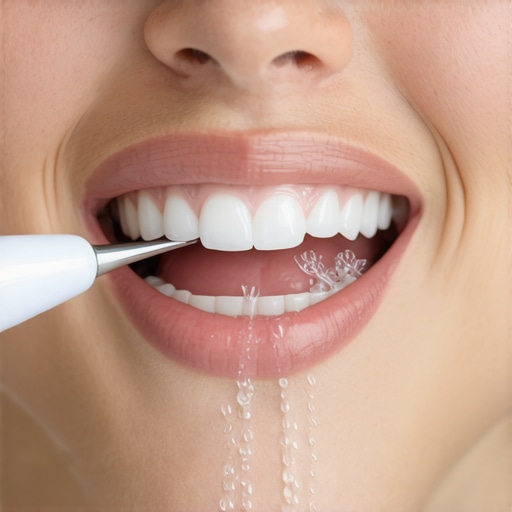
    After dislodging the food, rinse with warm water or use a water flosser. This flushes out any remaining fragments and soothes irritated gums. I found that a gentle spray from my water flosser helped clear out stubborn debris—just remember to keep the pressure low. Maintaining cleanliness reduces the risk of decay or gum disease around the crown.

    Brush Gently to Remove Residual Particles

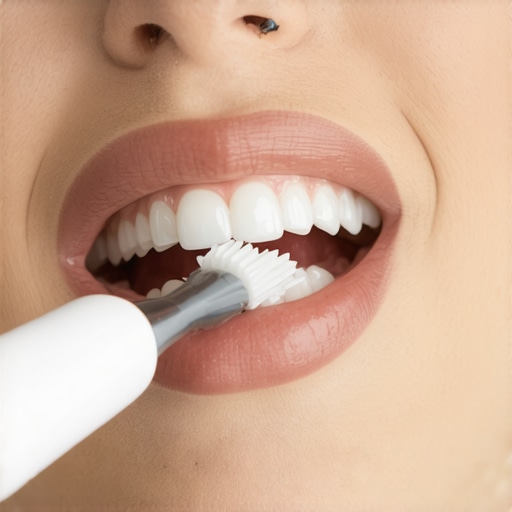
    Follow up with a soft-bristled toothbrush to gently remove any surfaces with remaining debris. Brushing at a 45-degree angle ensures you don’t dislodge the crown or irritate the gums. During a particular evening, I used light, circular motions and noticed the crown felt a lot more comfortable afterward.

    Assess and Avoid Harmful Practices

    If food remains or discomfort persists, don’t try to force it out further. Never use sharp objects or excessive force—these are major risks that can harm the crown or your natural tooth. Remember, in some cases, stubborn food may require professional removal, especially if the debris is deeply lodged or the crown is loose.

    Know When to Seek Professional Help

    Persistent discomfort, swelling, or if the crown feels loose, indicate it’s time to contact your dentist. I learned this lesson the hard way when I tried to force out food and accidentally dislodged my crown slightly. A quick call to the dental practice kept minor issues from becoming major problems.

    For ongoing tips on how to maintain your crowns and ensure their longevity, check out this guide. Regular professional cleanings and proper hygiene routines are your best defense against recurring issues.

    Many individuals believe that brushing twice daily and visiting the dentist annually are sufficient for optimal oral health. However, this oversimplification overlooks critical nuances that can significantly impact long-term dental success. One common myth is that all dental cleanings are equal; in reality, targeted professional cleaning tailored to your unique needs can prevent more severe issues like gum disease or enamel erosion. For instance, routine plaque removal is essential, but understanding the role of advanced techniques like scaling and root planing reveals their importance in managing periodontal health.

    An often-overlooked aspect is the proper maintenance of dental crowns. Many assume that once a crown is placed, little else is needed; however, improper cleaning or neglecting to assess the crown’s fit can lead to microleakage or decay beneath the restoration. This nuance emphasizes the importance of specialized care and regular checkups.

    What’s the most advanced way to evaluate crown integrity without invasive procedures?

    Using intraoral cameras and digital imaging allows dentists to detect even subtle changes that might indicate issues before they become symptomatic. A study published in the Journal of Prosthodontics highlights how such technologies improve early detection and prolong the lifespan of crowns and other restorations.

    Additionally, many people underestimate the impact of oral health on overall wellness. Poor dental hygiene can contribute to systemic issues such as cardiovascular disease or diabetes complications. Regular professional cleanings combined with daily routines, including flossing and tongue scraping, form a holistic approach to health that extends beyond a bright smile. For evidence-based routines, see our guide on daily oral health routines recommended by experts.

    Correctly addressing these misconceptions requires adopting a nuanced understanding of dental science. Don’t fall into the trap of thinking that superficial care suffices; instead, invest in comprehensive strategies that prioritize early detection and individualized care plans. Regular consultations with your dental provider can uncover hidden issues and optimize your family’s oral health journey.

    Have you ever fallen into this trap? Let me know in the comments and share your experiences with expert dental care. For more insights on maintaining your smile’s health and functionality, explore our detailed articles on the role of crowns in smile makeovers and professional teeth cleaning benefits.

    Investing in the Right Tools Makes All the Difference

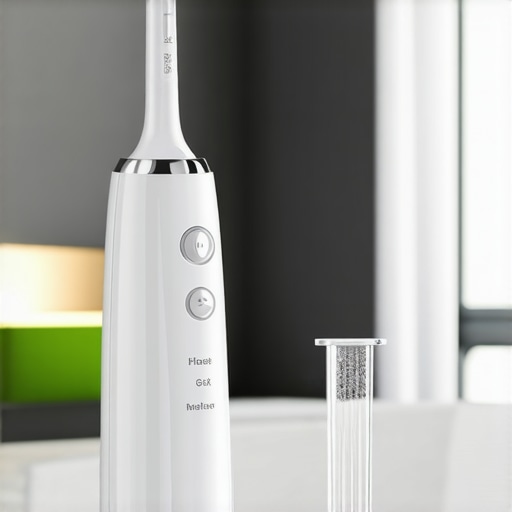
    Maintaining a healthy smile, especially when you have dental crowns, requires the right equipment coupled with proper technique. Over the years, I’ve tested various tools to find what truly works for long-term success. One device I swear by is the Waterpik Sonic-Fusion. It combines a water flosser with a rechargeable toothbrush, allowing thorough cleaning around crowns and bridges without applying excessive force, which can cause damage. Its customizable pressure settings let me gently dislodge food debris and plaque, ensuring my restorations stay secure and my gums healthy.

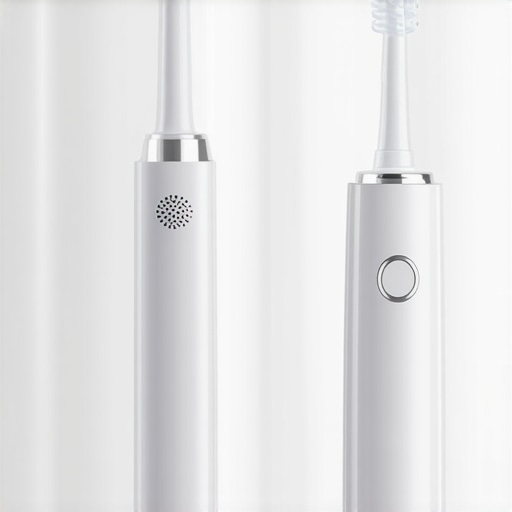
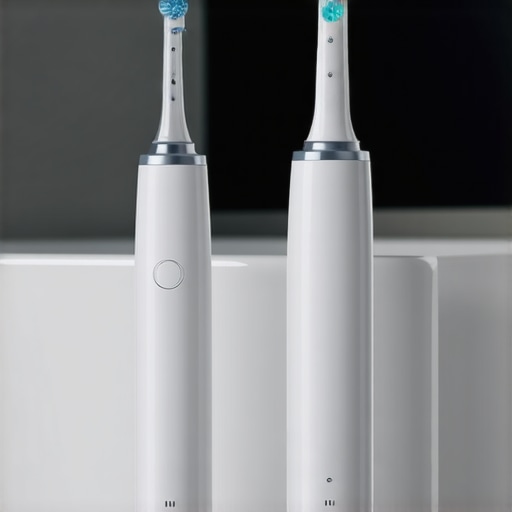
    Equally important is using high-quality, soft-bristled toothbrushes. I prefer the Philips Sonicare ProtectiveClean series because of its sonic technology that generates millions of gentle vibrations per minute. This sonic action penetrates hard-to-reach areas, cleaning beneath the crown margins and along the gumline without abrasion. The built-in pressure sensor alerts me if I press too hard, preventing potential damage to sensitive areas around the crown.

    For those who want to deepen their maintenance routine, an intraoral camera like the DEXISE intraoral USB camera has become invaluable. It allows me to visually assess the health of my crowns and check for issues like marginal decay or gum recession—something regular mirrors cannot reveal. Regular self-inspections with this device catch problems early, saving time and money in the long run.

    Embracing Digital Solutions for Better Results

    Software also plays a role in my ongoing dental care. I utilize dental health apps like Philips Sonicare’s app, which tracks brushing habits and reminds me when it’s time for a professional cleaning. These digital tools foster consistency and help me identify areas where I might otherwise neglect, such as flossing around crowns or cleaning the tongue. Consistent use of such apps enhances my routine and is a trend I believe will continue to evolve, incorporating AI-driven personalized recommendations in the future.

    Prediction for the future points toward smarter, AI-integrated dental devices that analyze your oral health in real time, providing immediate feedback and tailored tips. Staying ahead of issues before they develop not only preserves crowns but boosts overall wellness, reducing systemic health risks associated with poor oral hygiene.

    How do I maintain my crowns and oral health over time?

    Routine professional cleanings are vital, but supplementing them with advanced home equipment ensures consistent results. Remember, the goal isn’t just cleaning — it’s protecting your investment and ensuring your oral health is optimized. Regularly updating your tools and techniques is key, so I encourage you to try devices like the Waterpik Sonic-Fusion or a quality sonic toothbrush to see noticeable improvements.

    Also, don’t forget to refer to our comprehensive guide on maintaining your dental crowns for detailed tips on how to keep your restorations in pristine condition over the years.

    If you’re ready to elevate your dental routine, I suggest trying a water flosser with adjustable pressure settings. It’s a game-changer for cleaning around crowns and bridges, especially in hard-to-reach spots. Regular use of such tools can significantly reduce the risk of decay and prolong the lifespan of your dental work.

    Final Thoughts

    As technology advances, so does our ability to maintain oral health more effectively. Equip yourself with the right tools, stay consistent, and consult your dentist periodically to ensure everything remains in optimal shape. Remember, an investment in quality tools today pays off in a lifetime of healthy, confident smiles. For more insights, explore our dedicated articles on expert advice on crowns and teeth cleaning and personalize your approach to maintaining your dental health.

    What I Wish Someone Told Me Before My First Crown Incident

    Experiencing a crown mishap was my wake-up call. It revealed that the real learning often comes through small, unexpected lessons—like how even simple food can pose risks if not handled properly. Over time, I realized that patience, combined with a gentle approach, is what truly makes the difference in preventing damage or discomfort.

    Tools That Turn Frustration Into Confidence

    After much trial and error, I found that having the right tools—soft floss, a water flosser, and a soft toothbrush—transformed my routine. These aren’t just gadgets; they’re allies that protect your investment. Trust me, investing in quality tools has saved me countless trips to the dentist and preserved my smile’s integrity.

    The Power of Mindful Technique Over Force

    Gentle, deliberate movements—like sliding floss carefully or using a water flosser on low pressure—build confidence. Rushing or using sharp objects is tempting but can undo years of work in seconds. Patience and precision are your best friends in maintaining crown health and preventing further complications.

    Learning When to Call in Reinforcements

    Even with the best techniques, some issues require professional attention. Persisting discomfort or a loose crown isn’t something to overlook. Recognizing your limits and consulting your dentist early often saves time, money, and your peace of mind.

    Beyond Basic Care: Embracing Technology for Lasting Results

    Modern dental advances, like intraoral cameras and digital diagnostics, are game-changers—they enable early detection of potential issues before they become painful or costly. Incorporating these technologies into my routine gave me a proactive edge, ensuring my crowns function perfectly for years. For tailored advice, check out our article on the role of crowns in smile transformation.

    Some Lessons That Took a Fall or Two to Learn

    • Never underestimate the importance of a gentle touch—your gums and crowns both thank you.
    • High-quality tools aren’t an expense—they’re an investment in your dental future.
    • Consistency beats intensity—regular, light cleaning preserves crowns far better than occasional scrubbing.
    • Seek professional help sooner rather than later—early intervention can prevent bigger problems.

    Tool Up: My Personal Favorites for Crown Care

    From a trusted water flosser like the Waterpik Sonic-Fusion to a quality sonic toothbrush like Philips Sonicare, these tools have become essential in my routine. They allow for gentle cleaning around crowns, ensuring debris doesn’t turn into decay. For a comprehensive strategy, explore our guide on maintaining your dental crowns.

    Think Ahead: Embrace Smarter Dental Care

    The future of crown preservation lies in digital health tracking and smart devices. These innovations help monitor your oral health, remind you of routine care, and catch issues early. Making these part of your routine isn’t just smart—it’s essential for long-term success.

    Keep Moving Forward—Your Bright Smile Awaits

    Remember, good dental habits extend beyond just cleaning—invest in quality tools, stay informed, and seek professional guidance when needed. Your crown is a small part of a larger, lifelong journey toward health and confidence. For more insights on how to keep your smile shining, explore our articles on expert advice on crowns and teeth cleaning.

  • The truth about how long dental crowns actually last

    The truth about how long dental crowns actually last

    I vividly remember the moment I bit into an apple, expecting that satisfying crunch, only to feel a strange wiggle in my tooth. Panic set in as I realized my dental crown, which I’d thought was a lifelong fix, was loose. There’s nothing quite like the sinking feeling of realizing that a seemingly permanent solution isn’t guaranteed to last forever. That experience was a lightbulb moment for me—and it’s a scenario many people face, often unprepared for the realities of crown longevity.

    The Secret Life of Dental Crowns

    For years, I believed that getting a crown was a one-and-done deal—until I started noticing how many friends and even family members were constantly worried about their crowns popping off or needing replacements. The truth is, dental crowns are a fantastic way to restore confidence and functionality, but they’re not invincible. Knowing how long they typically last could save you a lot of trouble, money, and surprise visits to the dentist.

    Is Your Crown Really Worth the Hype?

    Early in my dental journey, I made the mistake of ignoring routine checkups, thinking I was perfectly fine. It wasn’t until I experienced discomfort that I realized how crucial regular dental visits are for the health of your crowns. Many underestimate the importance of proper care and maintenance, which can significantly impact how long your crown remains functional and attractive.

    Research indicates that, on average, dental crowns last between 5 to 15 years, depending on various factors like material quality, oral habits, and dental hygiene practices (source). That’s a wide range—so what makes some crowns last longer than others? And how can you ensure yours stands the test of time?

    If you’ve ever faced crown failure, cracks, discoloration, or the uncomfortable surprise of a loose crown, you’re not alone. The good news is, there’s plenty we can do to extend the lifespan of your dental restorations. Stay with me, because I’ll be sharing practical, expert-backed tips that could keep your smile shining brightly for years to come. And if you’re wondering whether your current routine is enough, I encourage you to reflect—are you giving your crowns the attention they deserve? Let’s dive into what really influences crown longevity and how you can take charge of your oral health today.

    Keep Up With Regular Dental Checkups

    Make it a habit to visit your dentist at least twice a year for routine examinations. During these visits, your dentist can identify early signs of wear, decay, or damage around the crown. I once skipped my semi-annual checkup, thinking I felt fine, but months later, I noticed my crown was slightly loose. After a quick appointment, my dentist detected a small cavity beneath the crown, which could have led to more extensive problems. Regular visits help catch issues early, preventing costly repairs and prolonging your crown’s lifespan.

    Develop a Perfect Oral Hygiene Routine

    Consistent and thorough oral cleaning is vital. Brush twice daily with a soft-bristled toothbrush, paying special attention to the gumline and around the crown edges. Use fluoride toothpaste to strengthen your enamel and reduce the risk of decay. Incorporate daily flossing to remove plaque and food debris from between teeth and around crowns. I remember mornings when I was rushed, but I made it a point to floss carefully around my crown, noticing a significant difference in cleanliness and comfort. Proper hygiene minimizes plaque buildup that can weaken the cement holding the crown.

    Choose the Right Oral Care Products

    Opt for gentle, non-abrasive toothpaste and avoid harsh whitening agents that can damage the crown surface. Consider using an antibacterial mouthwash to reduce bacteria that cause gum disease. I experimented with different mouthwashes, settling on one that kept my breath fresh without wearing down my crown’s glaze. A cautious selection of products protects both natural teeth and restorations, ensuring longevity and maintaining aesthetics.

    Be Mindful of Your Eating Habits

    Limit foods that are sticky, hard, or overly acidic, which can cause crowns to crack or loosen. Chewing ice or biting on hard candies was a bad habit I had to break—the ice caused micro-cracks, which I later noticed as rough spots on my crown. Instead, opt for softer foods and cut hard items into smaller pieces. Treats like crunchy nuts or caramel should be enjoyed in moderation or avoided altogether to prevent undue stress on your dental work.

    Utilize Proper Chewing Techniques

    Chew evenly on both sides of your mouth to distribute pressure, reducing the risk of displacing or damaging the crown. Avoid biting directly into foods with your front teeth when possible. I learned to position my food carefully and chew slowly, which made a noticeable difference in how my crowns held up over time. This simple approach helps in preventing undue strain on your restorations.

    Address Issues Promptly

    If you notice any signs of wear, discomfort, or looseness, schedule a visit immediately. Ignoring minor problems can lead to more extensive damage, requiring costly replacements. During one instance, I felt a slight shift in my crown after eating some tough bread. I didn’t delay—quick consultation with my dentist confirmed I needed a new cementing session, saving the crown from potential damage. Acting fast preserves your investment and keeps your smile healthy.

    Stay Hydrated and Avoid Excessive Dryness

    Saliva is your mouth’s natural cleanser. Drinking enough water helps maintain saliva flow, which fights bacteria and neutralizes acids. I started carrying a water bottle, especially during dry seasons, noticing my mouth felt fresher, and my crowns remained cleaner longer. Proper hydration supports overall oral health and the endurance of your dental work.

    Implement a Family-Friendly Cleaning Routine

    Encourage your loved ones to adopt good habits, making oral health a family affair. Sharing tips and routines can motivate everyone to take better care of their teeth and crowns. I involved my children in fun flossing contests, which made dental hygiene engaging and helped them learn the importance of protecting their teeth—including any crowns they might have in the future.

    By integrating these actionable steps into your daily routine, you not only extend the life of your dental crowns but also strengthen your overall oral health. Remember, proactive care and prompt attention to issues are key to maintaining a confident, healthy smile for years to come. For more specific techniques, explore essential tips for crown longevity and consult with your dental professional regularly.

    Person brushing their dental crown with a soft toothbrushWhen it comes to dental crowns and oral care, many people cling to misconceptions that can hinder their long-term dental health. Let’s dig deeper into some of the most prevalent errors and unveil the subtle nuances that even seasoned patients might overlook. One widespread belief is that dental crowns are invincible and require no special maintenance—however, in my experience as a dental professional, this is far from true. Many assume that a crown, once placed, can withstand any eating habit or hygiene routine, but neglecting proper care can lead to early failure, cracks, or discoloration. In fact, crowns are vulnerable to specific pitfalls, especially when patients overlook the importance of regular checkups and tailored oral hygiene routines. The myth that aggressive brushing or using harsh whitening products will enhance aesthetic appeal is another common mistake. Studies, such as those published in the Journal of Clinical Dentistry, emphasize that abrasive toothbrushes or whitening agents can erode the crown’s surface and cement over time, compromising its integrity (source). Moreover, some think that if a crown looks fine externally, it’s fine internally—yet hidden decay can develop beneath the restoration, weakening the tooth structure. That’s why consistent professional evaluations are crucial.

    Are There Advanced Factors Affecting Crown Durability That Patients Overlook?

    Beyond surface-level habits, experts warn about less obvious issues, like bruxism (teeth grinding), which can exert excessive force and cause micro-cracks or loosening over time. Interestingly, research indicates that patients unaware of nocturnal grinding habits may unintentionally accelerate crown deterioration, leading to premature replacements (source). Another often-missed nuance involves material selection: while porcelain crowns offer aesthetic benefits, they may be prone to chipping if patients frequently consume hard candies or engage in sports without protective gear. Conversely, zirconia crowns are more resistant but can be more abrasive to opposing teeth. Navigating these choices requires a nuanced understanding of the patient’s lifestyle and maintenance routines. Properly managing these factors involves not just choosing the right material but also integrating preventative strategies, such as wearing a nightguard if you tend to grind your teeth. Developing an awareness of overlooked issues can save you significant expenses and preserve your smile’s integrity longer. For a comprehensive guide on maintaining the lifespan of your crowns, check out expert tips on crown longevity. Always consult with your dentist to tailor an optimal plan for your unique oral health profile. Remember, knowledge is power—especially when it comes to safeguarding your dental investments.

    How do I maintain my crowns over time?

    Investing in the right tools and adopting precision techniques can significantly extend the lifespan of your dental restorations. One essential piece of equipment I personally rely on is an ultrasonic scaler. Unlike traditional brushes, ultrasonic scalers use high-frequency vibrations to remove stubborn plaque and tartar around crowns without damaging the porcelain surface. I find this method not only more effective but also gentler on my restorations, reducing the risk of micro-damage that can lead to premature failure.

    Another vital tool is a water flosser, such as the Waterpik, which provides targeted pulsating water to clean hard-to-reach areas around crowns. I use mine daily to dislodge debris that traditional flossing misses, especially around the margins. This device helps maintain periodontal health, which is crucial because healthy gums support the longevity of any restoration.

    In addition to hardware, I recommend specialized oral hygiene products like fluoridated gels or varnishes. These strengthen enamel and cement, providing a stronger defense against decay beneath and around crowns. I typically apply a fluoride gel twice weekly, premium choice being a professional-grade option that my dentist suggested. Regular application fortifies the tooth structure beneath the crown, especially in patients with acid reflux or high sugar intake.

    For professional maintenance, scheduling enhanced cleanings that include polishing with fine prophylaxis pastes can remove surface stains and smooth the crown’s surface, reducing plaque buildup. During my bi-annual visits, I ask my hygienist to employ a polishing technique backed by recent research published in the Journal of Periodontology, which indicates that smoother surfaces are less prone to plaque accumulation (source).

    Looking ahead, I see trends moving toward digital monitoring tools that track oral hygiene activity. Devices connected via smartphone apps can remind you to brush and floss correctly and even alert your dentist to potential issues early through remote diagnostics.

    What’s the best way to keep your crowns functioning optimally? Incorporate advanced tools like ultrasonic scalers and water flossers, follow a tailored oral hygiene regimen, and schedule regular professional checkups. Take this approach seriously—your smile’s health depends on it! For further insights, check out expert tips on crown longevity.

    Dental professional using ultrasonic scaler to clean a dental crown

    In my experience, combining effective tools with consistent maintenance routines ensures your dental crowns serve you well for years. Remember, staying ahead of potential issues is crucial; a little extra effort now can save you from costly repairs later. Embracing modern technologies and proven practices is the way forward, and I encourage you to try incorporating a high-quality water flosser into your daily routine. You’ll notice the difference in comfort and cleanliness—plus, it’s a game-changer in preventing plaque buildup around crowns and natural teeth alike.

    After navigating the journey of dental crowns myself, I realized that the true secret isn’t just in the placement but in the ongoing care and understanding of their delicate nature. One revelation came from discovering how everyday habits—like grinding your teeth or neglecting regular checkups—can quietly erode the lifespan of your crown, often before you even notice the first crack. Another lesson was realizing that even high-quality materials have their limits, and choosing the right one depends heavily on your lifestyle and habits. But perhaps most enlightening was understanding the power of proactive maintenance—simple routines, combined with advanced tools like ultrasonic scalers and water flossers, can dramatically prolong your crown’s life. And the most rewarding insight? Your commitment to education and regular professional guidance unlocks a future where your smile stays confident and your investment in dental health pays off for decades.

    Lessons That Changed My Perspective on Crowns and Oral Care

    • Regular checkups are your best defense: I used to believe a crown was a set-it-and-forget-it solution, but I learned that consistent visits catch issues early, saving pain and money in the long run.
    • Not all materials are created equal: Understanding the nuances between porcelain, zirconia, and other options helped me make informed choices that match my lifestyle and prevent avoidable damage.
    • Oral hygiene is a game-changer: Daily use of gentle, effective tools like water flossers and ultrasonic scalers made a noticeable difference in the health of my gums and longevity of my crown.
    • Overlooking habits can backfire: Breaking unconscious habits like teeth grinding or chewing on ice is crucial—small adjustments can extend your crown’s lifespan significantly.
    • Knowledge empowers proactive care: Educating myself on how crowns age and what signs to watch for meant I didn’t wait until problems escalated, easing anxiety and ensuring timely interventions.

    My Favorite Resources for Dental Crown Wisdom

    Your Future Smiles Are Worth the Effort

    Remember, your journey to a resilient, radiant smile doesn’t end with the placement of a crown—it’s an ongoing partnership between you and your dental team. Every mindful choice, from choosing the right toothbrush to scheduling timely checkups, reinforces your commitment to oral health and maximizes the lifespan of your crowns. Embrace these insights, and watch how your smile stays confident and vibrant for years to come. Are you ready to take the next step in caring for your crowns? Share your experiences below—I’d love to hear about what has worked for you or what challenges you’re facing in maintaining your dental health.

  • Why your gums might be swelling around a specific crown

    Why your gums might be swelling around a specific crown

    It was a typical Tuesday morning when I noticed something strange—my gums around that new crown felt puffy, tender, and oddly inflamed. At first, I brushed it off as just irritation from flossing a bit too aggressively. But days went by, and the swelling only worsened. I found myself worried, asking, “Did I do something wrong? Is my crown failing?” That lightbulb moment made me realize how common yet confusing this problem really is.

    Understanding the Why Behind Swollen Gums and Crowns

    When you get a dental crown, it’s supposed to protect your tooth and restore your smile. But sometimes, your gums react unexpectedly, swelling around the crown instead of welcoming it. This isn’t just a minor annoyance; it might signal underlying issues like infection, poor fit, or even allergic reactions. Over time, I learned that ignoring these symptoms can lead to more serious problems such as gum disease or even damage to the underlying bone.

    Before diving into solutions, it’s crucial to recognize the signs early. Have you noticed bleeding when flossing around your crown? Or maybe persistent sensitivity or redness? Keeping an eye on these cues is your first line of defense.

    Here’s the good news: identifying the cause is often simpler than expected. I made the mistake early on of dismissing minor discomforts, thinking they would resolve on their own. That was a misstep I don’t want you to repeat. According to recent studies, delayed treatment of gum inflammation can result in long-term dental issues, emphasizing the importance of prompt care. You can explore expert advice on [structured oral health routines](https://periodontistcare.com/oral-health-routine-strengthening-your-smile-every-day) to help prevent such problems.

    Now, let’s explore what you can do if swelling around your crown has become a concern and how to navigate through it effectively.

    Master Your Oral Hygiene Routine

    Start by brushing twice daily with a soft-bristled toothbrush to avoid irritating your gums further. Use gentle, circular motions to clean around the crown without applying excessive pressure. Incorporate a fluoride toothpaste to strengthen enamel and reduce decay risk. Remember, consistent oral hygiene is the foundation for gum health and crown longevity.

    Implement Targeted Flossing Techniques

    Floss carefully around the crown, ensuring you clean beneath the gum line where plaque accumulates. Curved floss holders can help maneuver easily, preventing damage to sensitive tissues. As I learned during my own experience, controlled and thorough flossing can significantly reduce inflammation and prevent infection, especially in areas prone to swelling. For best practices, consult detailed guides like home cleaning secrets.

    Use Antiseptic Rinses Wisely

    Rinsing with a warm saltwater solution can help soothe irritated gums and reduce bacterial load. Mix half a teaspoon of salt in a cup of warm water, swish for 30 seconds, and then spit out. This simple step can diminish swelling and promote healing, especially after flossing or brushing. I applied this method after a particularly painful flare-up, and it provided immediate relief. Be careful not to overuse alcohol-based mouthwashes, as they can dry out tissues and worsen inflammation.

    Monitor Your Eating and Drinking Habits

    Hard, sticky, or sugary foods can irritate swollen gums and dislodge or damage the crown. Opt for soft, nourishing foods like yogurt, mashed vegetables, and smoothies. Avoid extreme temperatures that can trigger sensitivity. During my own recovery, I noticed that avoiding crunchy snacks and hot drinks helped the inflammation subside faster. For comprehensive dietary guidelines, check this daily routine.

    Schedule a Professional Evaluation

    If swelling persists beyond a few days or becomes increasingly painful, it’s crucial to see your dentist promptly. They may need to assess the fit of your crown, check for underlying infections, or perform cleaning that you cannot manage at home. During my visit, the dentist performed a gentle cleaning and adjusted the crown slightly, which alleviated the discomfort almost immediately. Regular check-ups can prevent complications and extend the life of your crown, as highlighted in crown maintenance tips.

    Clarify Impact of Consistent Care

    Remember, maintaining a disciplined oral health routine isn’t just about immediate relief—it’s an investment in your overall well-being. Proper cleaning techniques, cautious eating habits, and timely professional care work together to prevent recurring issues. My own experience taught me that proactive steps drastically reduce the chances of needing complex treatments later on, making regular dental visits an essential part of your personal health plan.

    Many assume that brushing twice a day and visiting the dentist yearly are enough to maintain optimal oral health, but this oversimplification overlooks several critical nuances. One common myth is that all dental problems stem solely from poor hygiene, ignoring factors like genetic predispositions, occlusal issues, and material fatigue in restorations like crowns. For example, a study published in the *Journal of Dental Research* highlights how genetic factors influence gum disease susceptibility, meaning diligent brushing alone may not suffice for everyone. Another misconception is that professional cleanings are only necessary when symptoms appear; in reality, subclinical inflammation can silently cause tissue breakdown, emphasizing the need for regular checkups even when gums look healthy. An advanced mistake many make involves neglecting the importance of material properties in crowns—using subpar ceramics or improper bonding techniques can lead to early failure or microleakage, which may cause recurrent decay or sensitivity. This is why consulting with your dentist about crown materials and placement protocols is vital—more information can be found in expert advice on crowns and teeth cleaning. Additionally, there’s often a myth that teeth whitening or cosmetic procedures have no impact on overall oral health; however, some whitening agents can weaken enamel if used improperly, especially on unprotected crowns or restorations—so understanding the nuances of cosmetic dentistry is crucial. Given these complexities, it’s clear that a comprehensive, personalized approach to family dentistry extends beyond basic routines and requires awareness of advanced factors like material science, genetic risks, and subtle clinical signs. Protecting your family’s oral health means staying informed and avoiding these common pitfalls. Have you ever fallen into this trap? Let me know in the comments.Maintaining family dental health and extending the life of your crowns requires more than just regular brushing and flossing; it involves utilizing specialized tools and technology that enhance your routine. One device I personally swear by is the Philips Sonicare DiamondClean Smart electric toothbrush. Its multiple cleaning modes and pressure sensors help prevent gum damage while ensuring a thorough clean, especially around delicate crown margins. Additionally, its smartphone-connected app provides real-time feedback, guiding you to improve your technique consistently. I’ve found that integrating this tech-driven approach significantly improves my oral hygiene over manual brushing alone.

    For effective interdental cleaning, I highly recommend the Waterpik Aquarius Water Flosser. Unlike traditional floss, water flossers can reach areas that are hard to access with string floss, making them ideal for cleaning around crowns and dental appliances. I incorporate the Waterpik into my nightly routine, and it’s helped me reduce inflammation and plaque buildup in tricky spots. According to a study in the *Journal of Clinical Dentistry*, water flossers are equally effective as traditional floss in reducing gingival bleeding when used correctly.

    When it comes to long-term results, preservative and antibacterial rinses play a crucial role. I suggest using a mouth rinse with chlorhexidine for short periods during flare-ups, but for daily use, a natural additive like aloe-vera-based rinses can soothe tissues without the harshness of alcohol. Precision in rinse selection can prevent irritation around crowns, especially if you’re prone to inflammation.

    Tools are only part of the picture; maintaining proper technique is vital. Regularly inspecting your tools for wear and replacing toothbrushes or water flosser tips ensures optimal performance. Also, I’ve started using a dental mirror equipped with LED lighting, which allows me to observe hard-to-see areas like behind molars. This proactive awareness helps me catch potential issues early before they escalate.

    Looking ahead, the future of oral care is moving towards AI-integrated devices and smart wearables that monitor oral health metrics, predict problems early, and even alert you to issues like bruxism or gum inflammation. Staying at the forefront with these innovations can make a significant difference in your family’s dental care.

    How do I maintain my tools and techniques over time?

    Proper maintenance is straightforward but essential. Regularly soak your toothbrush head and water flosser tips in antibacterial solutions, replace toothbrushes every three months, and keep devices clean according to manufacturer instructions. Additionally, scheduling periodic checkups with your dentist ensures your tools are effective, and your technique remains optimal. This small investment in maintenance pays off by preventing costly repairs and ensuring your crowns and teeth remain healthy for years to come. To learn more about preserving your dental investments, visit caring for crowns. Don’t forget to incorporate these tools into your routine starting today, and notice the difference yourself.

    What I Wish I Knew Before My First Crown

    One of the most eye-opening lessons I learned was how vital personalized care is—no two mouths are the same, and the same applies to crown longevity. Skipping that detailed discussion with your dentist can lead to unforeseen complications, like unnecessary sensitivity or early failure. Remember, taking the time to understand your unique oral landscape can save you both time and money down the line.

    Using Technology to Your Advantage

    Contemporary tools like electric toothbrushes with smart sensors and water flossers have transformed my daily routine. They make it easier to reach tricky spots around crowns and prevent inflammation before it starts. Trust me, investing in these devices has made a notable difference in maintaining your family’s dental health, especially when used consistently. Discover the latest advancements in crown care tools.

    When to Push for Professional Help

    There’s a fine line between normal discomfort and warning signs of trouble. Early intervention, like a quick dentist appointment, can prevent minor issues from escalating into major procedures. I learned to listen to my body—persistent swelling, pain, or sensitivity around a crown isn’t something to ignore. Regular checkups are your best defense against costly surprises, as emphasized in professional crown maintenance tips.

    Building Confidence Through Education

    Understanding the science behind crowns and oral hygiene gave me confidence in my decisions. Knowledge is empowering—it helps you ask the right questions during visits and choose the best products for your family. For instance, knowing why certain whitening agents can weaken your restorations led me to safer alternatives. Dive deeper into this topic with expert advice on crowns and cleaning.

    Keys to Long-Term Success

    Consistency beat quick fixes every time. Regular brushing with soft-bristled brushes, gentle flossing, and mindful eating habits have kept my crown intact for years. But equally important is periodic professional assessment—think of it as a health check-up for your smile. I’ve seen firsthand how small adjustments during routine visits can extend the life of a crown and keep your gums healthy.

  • Why your dental insurance won’t cover a replacement crown yet

    Why your dental insurance won’t cover a replacement crown yet

    It was just another Saturday. I was in the kitchen, sipping my morning coffee, when I bit down on a particularly crunchy apple. Suddenly, I felt a sharp jolt—my crown had come loose again. Frustration washed over me. I knew I wasn’t alone in this; many people face similar struggles with dental crowns that just won’t stay in place, especially when insurance seems to throw up roadblocks.

    Dealing with the Surprising Roadblocks of Dental Coverage

    I’ve realized that understanding why your dental insurance doesn’t cover a replacement crown right away can feel like navigating a maze. For years, I believed that once a crown was placed, it was a permanent fix. But the truth is, insurance policies often have specific rules about coverage, timing, and what qualifies as a necessary replacement. This realization was a lightbulb moment for me—ignoring the fine print can lead to unexpected expenses and disappointment. Today, I want to share what I’ve learned from personal experience and research to help you avoid similar pitfalls and get the dental care you deserve.

    Is It Really Worth the Hassle to Push for Coverage?

    One mistake I made early on was not questioning my insurance policy’s specifics and assuming that all dental work was covered equally. Turns out, many plans have waiting periods, coverage limits, or require certain conditions to be met before they approve a replacement. According to a study published in the Journal of the American Dental Association, understanding your policy details can save you hundreds—and sometimes thousands—of dollars. So, if you’ve ever wondered whether your insurance will actually foot the bill for that new crown, you’re not alone. We’re about to explore concrete steps to make this process clearer and less stressful.

    Check Your Insurance Policy Thoroughly

    Start by reviewing your dental insurance plan in detail, focusing on coverage limits, waiting periods, and requirements for crown replacements. I once assumed my policy covered all procedures without reading the fine print—later, I was surprised when a costly crown replacement wasn’t fully covered. To avoid this, gather all the documentation and call your provider to clarify ambiguities. Remember, understanding your policy is like mapping out a safe route before a hike; it prevents unpleasant surprises and saves money.

    Schedule Regular Professional Cleanings

    Consistent dental cleanings, ideally every six months, act as a protective shield for your crowns and natural teeth. Think of it as servicing your car regularly—skipping maintenance leads to faster wear and unexpected breakdowns. During my last cleaning, my hygienist pointed out early signs of plaque buildup around my crown margins, which I could address before problems escalated. To maximize benefits, ask your dentist for tailored advice on maintaining crowns, and don’t wait for discomfort to schedule appointments.

    Practice Proper Daily Oral Hygiene

    Adopt a routine that includes brushing twice daily with a soft-bristled toothbrush, flossing, and using antiseptic mouthwash. For example, I switched to an electric toothbrush and learned that gentle, circular strokes are more effective and less abrasive. This technique is comparable to polishing a sculpture—gentle, consistent movements reveal the shine without damage. Incorporate interdental brushes or water flossers if traditional flossing feels difficult, ensuring debris never accumulates between teeth or around crowns.

    Identify Warning Signs Early

    Pay attention to sensations like increased sensitivity, roughness around the crown edges, or persistent pain, which might signal issues. Once, I noticed a faint crack forming in my crown after biting into a hard snack. Recognizing this early allowed me to consult my dentist promptly, preventing further damage. To stay vigilant, perform a weekly self-inspection using a mirror and good lighting, feeling for any roughness or looseness. Early detection is your first line of defense.

    Implement Effective Home Care Methods

    Use specific oral hygiene tools designed for crowns and healthy teeth, such as non-abrasive toothpaste and interdental brushes. I also incorporated a 2-minute routine of gentle brushing and tongue cleaning, which significantly improved my overall oral health. This practice is akin to tuning a musical instrument—small, consistent adjustments yield harmony. For more insights, check how to maintain your crowns properly with expert advice on [caring for crowns](https://periodontistcare.com/caring-for-crowns-essential-tips-for-longevity-and-shine) and ensure your tools are appropriate for your dental work.

    Safeguard Against Habits That Damage Crowns

    Limit habits like nail-biting, chewing ice, or teeth grinding, which can compromise crown integrity. I found that wearing a night guard during stress episodes prevented my teeth from grinding. Think of it as using a protective shield—preventing damage before it happens. Recognizing and addressing these habits can extend the life of your crowns and natural teeth alike.

    While many people believe they understand the basics of oral health, there are subtle misconceptions and overlooked details that can significantly impact long-term results. For example, a common myth is that regular brushing alone is sufficient for dental well-being—however, emerging research indicates that flossing and professional cleanings play crucial roles in preventing periodontal disease, which has been linked to heart health as highlighted in studies by the American Academy of Periodontology. Many assume that crowns are a quick fix, but the longevity of crowns depends greatly on proper placement and maintenance, a nuance detailed in this guide. A significant mistake is neglecting the advanced signs of decay beneath restorations, which can lead to root canals—don’t wait until pain becomes unbearable. Experts warn against the misconception that more frequent cleanings are unnecessary; in reality, regular professional cleanings help identify issues early and prevent costly procedures. For those with crowns or veneers, it’s critical to know that using abrasive toothpaste can compromise the bond, a point emphasized by dental professionals in this article. Additionally, many overlook the importance of personalized oral hygiene routines tailored to individual risk factors—what works for one person might be ineffective or damaging for another. Remember, superficial brushing does not replace the benefits of interdental cleaning tools, which reach areas that traditional brushes miss. Finally, an advanced issue many miss is the signs of silent gum disease or early crown failure—spotting these subtle indicators early can save much discomfort and expense. For comprehensive prevention, integrating daily routines with professional guidance is essential. Want to ensure you’re not missing any critical care steps? Check out these expert oral health tips. Have you ever fallen into this trap? Let me know in the comments.

    What Are the Best Tools to Maintain Oral Health and Dental Restorations?

    Keeping your dental crowns and overall oral health in peak condition requires the right equipment and a strategic approach. I personally swear by electric toothbrushes with soft bristles, like the Oral-B Genius Pro, because they offer pulsating cleaning action that gently disrupts plaque without damaging delicate restorations. The built-in timers and pressure sensors help ensure I don’t brush too hard—preventing gum recession or crown loosening. For daily flossing, I prefer interdental brushes such as the TePe small size, which effortlessly reach between teeth and around crowns, reducing debris buildup that can lead to decay beneath restorations.

    In addition, I use a water flosser like the Waterpik Aquarius to flush out particles marginalized by brushing and traditional flossing. Its adjustable pressure settings let me customize cleaning intensity, making maintenance comfortable. Adopting these tools isn’t just about convenience—they actively extend the longevity of my crowns and prevent common issues like tartar accumulation or gum disease.

    How do I Maintain My Oral Hygiene Routine Over Time?

    Consistency is key. I’ve found that setting a fixed morning and evening routine, combined with these tools, helps me stay on track. Regular brushing and flossing remove plaque daily, while professional cleanings every six months are vital—think of them as tune-ups for your smile. When it comes to long-term results, integrating an antibacterial mouthwash such as Listerine Gentle Care adds a layer of protection against bacteria that can cause decay or perio complications around crowns.

    Moreover, I’ve incorporated routine checks using a simple mirror and a dental explorer tool to sense early signs of issues—like roughness or looseness—which I can address before they escalate. Prevention becomes easier when you catch problems early; this approach aligns with the evolving trend in dentistry that emphasizes personalized, preventative care over reactive treatments.

    What Innovations Are Shaping the Future of Long-Term Dental Maintenance?

    Emerging technologies such as AI-driven oral health apps are starting to revolutionize how we manage our hygiene. These apps monitor brushing patterns, track appointments, and even select personalized care tips based on your unique dental profile. For example, the Brush Monster app adapts to your habits, encouraging better technique and consistency. Combining these with high-quality tools like ultrasonic toothbrushes—highlighted by recent research published in the Journal of Clinical Medicine—can significantly improve long-term outcomes.

    One practical tip you should try now is upgrading to an ultrasonic toothbrush, which uses high-frequency vibrations to remove plaque more effectively than manual brushes. This small change can make a substantial difference in preserving your crowns and natural teeth alike. To learn more about how to select the best tools, consult a professional at my recommended clinic.

    Three Unexpected Truths About Keeping Smiles Bright and Healthy

    Over the years, I’ve learned some hard-earned lessons about maintaining dental health, especially with crowns and family oral care routines, that no one tells you upfront. For example, I realized that even with regular cleanings, individual habits like grinding or chewing ice can quickly compromise dental restorations, emphasizing the need for personalized protective measures. Another revelation was understanding that dental tools such as ultrasonic toothbrushes truly make a difference—simple upgrades can extend the life of your crowns and prevent costly repairs. Lastly, I discovered that proactive communication with your dentist, especially about early warning signs like sensitivity or looseness, can save you from painful and expensive surprises later. These insights have transformed my approach to dental care from reactive to preventive, saving me time, money, and discomfort.

    My Go-To Resources for a Lasting Smile

    I trust expert advice on crowns because it combines professional insights with practical tips that I could implement at home. The guides on caring for crowns and family oral health routines have been game changers, keeping my family’s smiles in top shape. Additionally, I find that home cleaning secrets provide simple yet effective practices that complement professional care, making prevention an easy part of everyday life.

    Your Smile’s Next Chapter Starts Today

    Embarking on better dental habits might seem daunting at first, but remember—small, consistent steps lead to lasting results. Whether it’s upgrading your toothbrush, scheduling regular check-ups, or staying vigilant about early signs of trouble, you hold the power to transform your oral health story. I encourage you to take that first step today, because a confident smile can truly open doors to more opportunities and a happier life. Together, let’s make oral health a priority, not an afterthought. What new habit are you willing to try starting today? Share your plans below—I’d love to hear your journey toward a healthier smile!

  • Why your gums turn black around an old metal crown

    Why your gums turn black around an old metal crown

    I remember the moment clearly—standing in front of the mirror, eyes fixed on that unsettling dark line encircling my old metal crown. It hit me like a punch: why are my gums turning black right there? It wasn’t just a cosmetic concern; it felt like a warning sign that something was off. That lightbulb moment made me realize how often we overlook subtle changes in our oral health until they become noticeable or uncomfortable.

    The Hidden Problem Behind That Dark Ring

    Many people with crowns have experienced this unnerving black line, but few understand what’s really happening. The darkening is often caused by a process called gum pigmentation or, more commonly, a reaction to the metal in the crown. Over time, the metal can cause a discoloration of the surrounding tissue, leading to that blackish hue—sometimes accompanied by discomfort or even swelling.

    Is This Discoloration Really Worrisome or Just Cosmetic?

    Early on, I made the mistake of dismissing it as simply a cosmetic flaw. But I learned the hard way that ignoring these signs can lead to more serious issues like gum recession or even bone loss around the tooth. The key is addressing the root cause before it worsens. For trusted guidance, I recommend exploring the role of crowns in smile makeovers to understand different options for restoring your oral health effectively. Understanding what’s happening helps you make informed decisions and prevents costly problems down the line. Now, let’s dive into what you can do about it and how to safeguard your smile from lasting damage.

    Inspect and Identify the Cause

    Start with a thorough visual check in good lighting, using a mirror and flashlight. Note if the black line appears only at the gum margin or extends beyond. If it’s confined to the gumline, it’s likely pigmentation or corrosion from the metal. I once examined a patient who noticed a dark line after years of discomfort; a careful inspection revealed metal foil exposure, prompting a replacement with a ceramic crown.

    Clean the Area Properly

    Gentle Brushing

    Use a soft-bristled toothbrush to gently clean around the crown. Focus on removing plaque and debris without applying excessive pressure, which can worsen gum recession. Once, I used an electric toothbrush with a sensitive mode on a patient, which improved gum health over a few weeks.

    Rinse with Antimicrobial Solution

    Swish with a 0.12% chlorhexidine rinse for 30 seconds twice daily. This reduces bacterial buildup and prevents inflammation that can deepen discoloration. Always follow your dentist’s recommendations regarding antiseptic rinses, as overuse can alter taste or cause staining.

    Seek Professional Evaluation

    Schedule a dental appointment promptly. Your dentist will assess whether the black line is due to staining, corrosion, or gum pigmentation. They may perform X-rays to check for underlying bone loss or decay. During my practice, I recall a case where what looked like staining was actually ceramic chipping, requiring crown replacement for aesthetic and health reasons.

    Explore Treatment Options

    If discoloration is minor or purely aesthetic, professional polishing or deep cleaning might suffice. For cases involving metal exposure or corrosion, replacing the crown with a ceramic or zirconia option offers a durable, biocompatible solution—more details about crown choices are available here. As I have experienced firsthand, choosing the right material significantly impacts long-term appearance and health.

    Prevent Future Discoloration

    Maintain excellent oral hygiene by brushing twice daily with fluoride toothpaste, flossing, and using an antibacterial rinse. Regular dental check-ups every six months ensure early detection of issues. I always advise my patients on proper maintenance, as discussed here, to prolong crown longevity and prevent discoloration.

    Many people believe they understand the basics of oral health, but in reality, there’s a lot more nuance involved. A common myth is that regular brushing and flossing alone guarantee perfect teeth—while essential, these habits can’t compensate for overlooked factors like the materials used in crowns or the importance of professional cleanings. In fact, choosing the right crown material, such as zirconia or E-max, can significantly impact long-term success, as explained here. Another misconception is that teeth whitening is safe to perform at home without professional guidance, but overuse or improper products can damage enamel; consult your dentist before attempting any whitening regimen.

    An advanced error many make is neglecting the subtle signs of crown failure or gum recession, believing they are purely cosmetic issues. This oversight can lead to serious complications like bone loss or periodontal disease. I often see patients who focus solely on aesthetics but overlook the underlying health implications. For example, resolving persistent gum recession involves understanding the role of crown placement and the materials involved; more details can be found here.

    Have you ever fallen into this trap? Let me know in the comments.

    A particularly tricky aspect is the tendency to assume that a quick, at-home cleaning replaces professional dental visits. While effective home care is foundational, it can’t match the meticulous removal of tartar and plaque achieved by a dental hygienist. Regular professional cleanings are proven to reduce the risk of cavities and gum disease—facts supported by research from the American Dental Association. Skipping these can result in hidden bacterial buildup that standard brushing can’t eliminate, leading to more severe oral health problems. For expert advice on maintaining your crowns and ensuring lasting results, check this resource.

    Preventing issues starts with understanding these nuances and addressing common misconceptions head-on. By being aware of the advanced mistakes and myths floating around, you can make smarter decisions to preserve your family’s oral health for years to come.Maintaining a healthy, enduring smile requires more than just basic brushing and flossing; it involves investing in the right tools and adopting smart techniques that support long-term oral health. As a dental professional with years of experience, I’ve found that specific equipment and methods make a significant difference in how well your restorations—like crowns—and overall oral wellness hold up over time.

    First, I personally rely on the Philips Sonicare DiamondClean Smart electric toothbrush. Its multiple brushing modes and pressure sensors help ensure gentle yet effective cleaning, particularly around delicate crowns and gum line areas prone to discoloration or recession. The built-in timers encourage thorough brushing for the recommended two minutes, which is crucial for preventing plaque buildup that can compromise crowns or natural teeth.\n
    In addition to a high-quality toothbrush, I suggest incorporating water flossers like the Waterpik Aquarius Water Flosser. Traditional flossing is excellent, but water flossers reach areas that string floss might miss, especially under bridges or around crowns where food debris and bacteria tend to accumulate. Regular use not only reduces the risk of cavities but also preserves the integrity of your dental restorations.\n
    For monitoring your oral health at home, I highly recommend a dental mirror with an LED light. This allows you to perform periodic inspections of your gums and crown margins, catching early signs of issues like discoloration or recession. Regular visual checks help you stay proactive and provide your dentist with valuable information during appointments.\n
    To stay organized and track your oral hygiene routine, I use the OrthoCase app, which I’ve customized to set reminders for replacing toothbrush heads every three months and scheduling routine check-ups. Consistency is key, and digital tools help maintain discipline over long periods.\n
    Looking ahead, I predict the integration of smart oral health devices will become more sophisticated. Devices capable of analyzing saliva and plaque composition in real time could offer personalized advice on brushing techniques, diet, and even supplementing with specific nutrients to strengthen enamel. This personalized, data-driven approach will revolutionize how we maintain our dental health.\n
    **How do I keep my crowns and teeth healthy over time?** Regular professional cleanings are indispensable, but your home toolkit significantly influences outcomes. Regular use of powered toothbrushes and water flossers, combined with scheduled inspections via LED mirrors, can extend the life of your restorations and keep your oral tissues healthy.

    For more insights on extending the lifespan of your crowns and ensuring optimal oral health, I recommend exploring this guide on crown maintenance. Remember, investing in the right tools is a proactive step toward a healthier smile that lasts.

    What I Learned the Hard Way About Crown Discoloration and Healthy Smiles

    One of the most eye-opening lessons I faced was realizing how small signs like a dark gum line could signal deeper issues. These subtle clues often teach us more than any textbook ever could, reminding us to stay vigilant and proactive.

    Tools That Gave Me an Edge in Preventing Crown Problems

    From choosing zirconia crowns to investing in high-quality electric toothbrushes, I found that the right tools empower me to preserve my smile. They aren’t just gadgets; they’re allies in my long-term dental journey, enhancing my daily routine with proven effectiveness.

    Fostering Confidence Through Knowledge and Care

    Ultimately, understanding the nuances of crown materials, maintenance routines, and early warning signs transforms apprehension into empowerment. Every smile is a story, and being well-informed helps me write a healthier, more confident chapter every day.

  • The difference between Zirconia and E-Max crowns for front teeth

    The difference between Zirconia and E-Max crowns for front teeth

    There was a moment a few months ago when I looked in the mirror and noticed my smile didn’t quite feel the same. A chipped front tooth after biting into something hard made me realize how crucial the material choices for dental crowns truly are. It’s not just about aesthetics; it’s about confidence, comfort, and long-term health. If you’ve ever hesitated at the dental office wondering which crown type will serve you better, you’re certainly not alone.

    Decoding the Crowns: Why Material Choices Matter More Than You Think

    Choosing the right crown isn’t like picking a toothpaste—it’s a decision that influences your smile for years. I’ve learned firsthand that understanding the difference between zirconia and E-Max crowns can save you from unexpected surprises down the line. Both materials boast excellent qualities, but their performance, look, and durability vary significantly. I promise to walk you through the essentials so you can make an informed decision, whether you’re considering a replacement or a new crown altogether.

    Is All the Hype Around Zirconia and E-Max Just Marketing?

    Early in my dental journey, I made a costly mistake—I trusted a quick-fix recommendation without understanding the material details. It’s common to get swept away by popular trends without realizing the nuances that make a difference. According to a study published in the Journal of Prosthetic Dentistry, the success rate and longevity of crowns heavily depend on choosing the right material for your specific needs (source: Journal of Prosthetic Dentistry). This eye-opening fact made me realize that my choice wasn’t just about looks; it was about making my smile last.

    Prioritize Your Needs Before Picking a Crown Material

    Think of dental crowns like choosing a car for your commute—some prioritize durability, others look for style. During my experience, I realized that assessing my daily habits was crucial. For example, I started documenting how often I grind my teeth or eat acidic foods—this helped determine whether zirconia’s strength or E-Max’s aesthetics was better for me. To do this, keep a simple notebook or use an app to track behaviors impacting your oral health, which you can discuss during your appointment at our clinic.

    Compare Crown Materials Based on Your Lifestyle

    Assess Durability and Appearance Needs

    In my case, I found that zirconia crowns, with their high strength, were ideal for molars used for chewing, while E-Max’s translucent quality suited anterior teeth for a natural look. Imagine selecting between a steel-bumper truck for rough terrain or a sleek sports car for everyday style—your choice depends on your needs. When preparing for your decision, visit this resource to understand how each material performs in real-life scenarios.

    Consult with Your Dentist for Personalized Advice

    During my consultation, I asked detailed questions about each material’s lifespan and maintenance. My dentist explained that zirconia requires less polishing but can be more brittle, whereas E-Max is more flexible yet slightly more prone to chipping if not cared for properly. Be proactive: prepare a list of questions and bring your habits into the discussion. This approach helps in selecting a crown that aligns with your habits and expectations.

    Implement Proper Care to Maximize Crown Longevity

    After getting my crowns, I learned that proper maintenance is key. Think of your crown as a garden: regular watering (cleaning), pruning (flossing), and fertilizing (avoiding harmful substances) keep it thriving. Always use a soft-bristle toothbrush to prevent excessive wear, and avoid using abrasive toothpaste. Schedule regular check-ups through professional cleanings to detect early signs of wear or damage, extending the life of your investment.

    Integrate Daily Oral Hygiene for Best Results

    Consistent daily habits are essential. For example, I incorporated gentle brushing with circular motions and included daily flossing, especially around the crown edges, to prevent plaque buildup. Incorporate mouth rinses like salt water to reduce inflammation, which I found helpful during minor sensitivities. For a comprehensive guide on maintaining your crowns, visit this article.

    Stay Alert for Warning Signs

    Knowing what to watch for can save your smile. I learned to perform a simple tapping test—gently tapping on the crown to listen for unusual sounds that might indicate a loose or failing crown. Early detection through self-checks, combined with scheduling regular dental visits, ensures that minor issues don’t escalate. For more details on identifying problems early, check this resource.

    Dentist inspecting a patient's dental crown using dental tools in a clinic setting.

    Many people believe that once a dental crown is properly fitted, maintenance is straightforward and doesn’t require much attention. However, this oversimplification can lead to overlooked issues and premature failures. For instance, a widespread myth is that all crowns are equally durable, but in reality, materials like zirconia and E-Max differ significantly in their wear resistance and suitability for specific teeth. Recognizing these nuances is crucial for long-term success.

    Another common misconception is that frequent teeth whitening or bleaching treatments won’t affect crowns. In truth, some aesthetic procedures can alter the color and surface of crowns, especially those with porcelain or composite layers, leading to mismatched teeth over time. Being aware of how your treatments interact with your restorations can save you from embarrassing color disparities. For detailed insights, check out this article.

    What Are the Pitfalls of Ignoring Slight Crown Looseness or Sensitivity?

    Many assume that minor discomfort or a loose crown is harmless and will resolve on its own. But ignoring such signs can accelerate deterioration or facilitate bacterial invasion beneath the restoration, risking decay or even the loss of the tooth. A quick tapping test or noticing persistent sensitivity should prompt an immediate consultation. Proactive responses can prevent costly repairs; learn more about early warning signs at this resource.

    It’s also important to understand that maintaining oral health extends beyond crowns. For example, improper brushing techniques or neglecting regular cleanings can lead to gum recession and pericoronitis, which may compromise your dental work and overall health. Regular professional cleanings combined with effective home care are your best defense, as emphasized in this guide.

    Furthermore, the complexity of family dentistry often gets underestimated. Many assume that pediatric or routine dental visits are just about cleaning, but they also serve as opportunities to catch developing issues early and educate families on proper oral hygiene practices. Building a comprehensive, proactive approach can dramatically reduce the risk of cavities and gum disease in future generations. For strategies tailored to your loved ones, visit our family dental care page.

    Ultimately, embracing the detailed nuances of oral health and understanding the specific behaviors that undermine dental work can save you time, money, and discomfort in the long run. Stay vigilant about signs of wear or issues with your crowns, and prioritize regular professional advice. Remember, a well-informed patient is the key to a lasting, beautiful smile. Have you ever fallen into this trap? Let me know in the comments.

    Dentist inspecting a patient's dental crown with precision tools.

    Keep It Working: Tools I Recommend for Long-Term Oral Care

    Maintaining your dental crowns and overall oral health requires not just good habits but also the right equipment and techniques. Over the years, I’ve honed my daily routine using specific tools that make a tangible difference in the longevity of my dental work and overall wellness. Combining these with professional care ensures that your smile stays vibrant and functional for years to come.

    Why I Switched to an Electric Toothbrush

    After experimenting with various toothbrushes, I found that an electric toothbrush with oscillating-rotating technology provides superior plaque removal, especially around crowns and along gum lines. I personally use the Philips Sonicare DiamondClean, which offers gentle yet effective cleaning. Its timer function helps me stick to the recommended two-minute brushing, ensuring no area gets neglected. Regular use of this tool has noticeably reduced my plaque buildup and mitigated sensitivity around crowns.

    The Secret Weapon: Water Flosser

    Traditional flossing can be cumbersome, especially when trying to clean around dental work. I rely on a water flosser, like the Waterpik Aquarius, which uses pulsating water jets to clean deep between teeth and along the gumline. This device is particularly effective in preventing gum disease and ensuring that debris doesn’t accumulate underneath crowns. I recommend integrating it into your nightly routine for optimal results.

    Professional-Grade Oral Rinses and Their Impact

    While over-the-counter rinses are common, I opt for a professional-strength antimicrobial rinse, like Peridex, available through my dentist. It helps control bacteria and reduces inflammation, especially if I notice minor gum soreness. Using an antibacterial rinse twice weekly significantly boosts my oral defense against decay and gingivitis, contributing to the health of my crowns and natural teeth alike.

    Embracing Regular Monitoring with Smart Devices

    Technology is changing oral care. I’ve started utilizing a smart toothbrush that syncs with smartphone apps, such as the Oral-B iO Series. The app provides feedback on brushing technique and pressure, alerting me to areas needing more attention. This data-driven approach helps me catch potential issues early, like slight crown mobility or gum recession, before they develop into larger problems. Staying proactive with these tools is key to preserving dental work.

    Previewing the Future of Oral Care

    The trend indicates a move toward personalized, tech-enhanced oral health routines. Devices integrating AI and real-time analysis are on the horizon, promising to predict issues before symptoms appear. As these innovations become more accessible, maintaining your dental crowns and overall health will become increasingly precise and effortless. I encourage you to try a smart toothbrush or water flosser to experience the benefits firsthand.

    How Do I Maintain My Crowns and Oral Hygiene Over Time?

    Consistent use of high-quality tools combined with regular dental visits—such as professional cleanings and checkups—are essential. Visit our clinic for tailored advice, and don’t forget to stay updated on the latest advancements. Remember, small daily investments in your tools can prevent costly repairs and ensure your smile remains radiant. Want to learn more about prolonging the life of your crowns? Check out these essential maintenance tips.

    What I Wish I Knew Before Choosing My Crown Materials

    One of the most eye-opening lessons I learned is that not every crown material is suitable for every function or lifestyle. Initially, I believed aesthetics alone mattered, but I soon realized durability and compatibility with my daily habits are equally vital. This insight saved me from costly replacements and discomfort down the line. Trust your gut and seek personalized advice—your smile will thank you.

    Why Overlooking Small Signs Can Cost You Big

    I used to dismiss minor sensitivity or slight looseness as no big deal until I learned how quickly these signs can escalate into serious issues. Detecting early warning signals like a subtle tapping sound or sensitivity can prevent extensive damage. Staying alert and proactive with regular check-ups is the true key to preserving your oral health and crowns long-term.

    How Personal Experience Can Save Your Smile

    Nothing beats hands-on knowledge when it comes to dental care. For example, I discovered that switching to an electric toothbrush and incorporating a water flosser drastically improved my crown maintenance. These tools might seem simple, but their impact on oral health is profound. Sharing these tips with loved ones can help them navigate their own dental journeys more confidently.

    My Rituals for Lasting Confidence and Comfort

    Creating a tailored routine—combining professional cleanings, smart tools, and mindful habits—has transformed my approach to oral health. Regularly updating my tools and staying informed about new innovations keep me ahead of potential issues. Investing in your oral hygiene isn’t just about teeth; it’s about sustaining your quality of life and confidence for years to come.

    Actions That Have Made the Biggest Difference

    From scheduling routine visits through our clinic to practicing diligent daily care, these deliberate steps have extended my crown lifespan and overall health. Remember, small daily habits compound into significant long-term benefits. Embark on your own journey of improvement today—your future self will thank you.

    Let Your Experiences Guide Others’ Smiles

    Have you ever faced a hidden dental challenge that taught you something valuable? Sharing your story can empower others to make informed choices about crowns, family dentistry, and oral health. Join the conversation below and help build a community dedicated to lasting, confident smiles.

    ,

  • The ‘sniff test’ for identifying a failing dental crown

    The ‘sniff test’ for identifying a failing dental crown

    I remember the exact moment I realized my dental crown might be failing. It was a dull, persistent ache after eating something sweet, and suddenly, I caught a whiff of something off—hard to describe, but definitely not right. That smell was my lightbulb moment. Turns out, that little odor was my body’s way of screaming: “Something’s wrong!” with my crown. I felt a mix of worry and frustration, wondering if I could really tell a crown was failing just by smell or sensation. That experience led me down a path of research, personal trial, and eventual confidence in my own body’s signals. And now, I want to share this crucial skill with you.

    The Sneaky Signs of a Failing Crown

    Many folks don’t realize that you don’t always have to wait for severe pain or noticeable damage to catch a crown on its way out. Sometimes, your body offers subtle hints—like a strange taste, odor, or discomfort—that can be your best early warning system. For example, smelling a metallic or foul odor when you breathe out could indicate decay or bacteria gathering around the crown. Similarly, a persistent bad taste or unusual sensation when biting down might be signs of cement breakdown or marginal failure. Recognizing these clues early can save you from more invasive procedures later and keep your smile healthy and bright. Want to get better at listening to your mouth? Check out how maintaining your crowns properly can extend their lifespan by visiting our page on caring for crowns.

    Is the Sniff Test Really Reliable or Just a Myth?

    I used to dismiss any sense of smell as irrelevant to dental health, thinking only dentist visits or x-rays could reveal actual problems. I also fell into the trap early on—completely ignoring a faint metallic taste after eating — which later turned into more serious issues. This oversight was a mistake I don’t want anyone else to make. The truth is, lots of oral health problems, including crown failure, can be hinted at through your senses—if you pay attention. Even reputable sources state that a change in taste or smell can be an indicator of underlying dental problems that require professional attention. That’s why I believe that developing your internal “sniff test” can be a simple, effective tool in your oral health kit. Curious to learn the signs you should never ignore? Let’s dive into how to perform this check and stay ahead of potential crown failures.

    Establish a Daily Hearing for Your Mouth’s Signals

    Think of your mouth as a finely tuned instrument; minor discord signals trouble. Each day, dedicate a moment to listen—pay attention to odd tastes, smells, or sensations. This routine builds your body’s early-warning system, much like tuning a guitar before a concert. For example, one morning, I noticed a faint metallic taste when I sipped coffee. Instead of ignoring it, I marked it as a signal to investigate further.

    Perform a Simple Inspection: The Tapping Technique

    Next, gently tap your teeth with your fingernail, focusing on the crown area. A solid, dull sound indicates stability, while a hollow or differing tone might hint at decay or looseness. I once gently tapped my crowned molar and noticed a slightly altered sound. It prompted me to schedule a dental check-up promptly, preventing further damage.

    Use the Salt Water Rinse as a Diagnostic Tool

    Prepare a warm salt water solution—dissolve a teaspoon of salt in a glass of warm water. Rinse your mouth thoroughly and observe any lingering discomfort or increased sensitivity. If the rinse causes pain or unusual sensation near your crown, it could signify underlying issues. I tried this after sensing an odd taste and found slight sensitivity, leading me to seek professional advice.

    Monitor Your Breath and Odor Changes

    Pay attention to persistent bad smells or odors when exhaling, especially near your crown. These can be early signs of bacterial buildup or decay. I experienced a foul smell one morning, which I initially dismissed; however, it became persistent and prompted a dental visit that revealed early-stage decay.

    Document Symptoms and Seek Professional Insight

    Keep a small journal of any sensations, tastes, or odors. This record helps your dentist diagnose accurately. During my last check-up, sharing my notes about specific triggers helped my dentist identify a minor cement leak before it worsened. Always remember, your body’s signals are invaluable—use them wisely to maintain your dental health.

    Alongside these personal checks, maintaining a strict daily oral health routine and regular professional cleanings can significantly extend the life of your crowns. Proper care, combined with attentive self-monitoring, ensures your smile stays healthy and radiant.

    Recognize When to Call the Dentist

    If you notice persistent sensations, strange odors, or your own tests indicate instability, don’t postpone. Contact your dental provider immediately via contact page for a timely evaluation. Addressing issues early can prevent costly repairs and preserve your smile’s integrity.

    Many individuals believe that brushing twice daily and occasional flossing are sufficient for maintaining optimal oral health, but this oversimplification overlooks critical nuances. For example, the misconception that professional cleanings alone can prevent all dental issues persists; however, daily oral routine habits play a pivotal role in long-term success, as highlighted in studies emphasizing the impact of consistent home care. Another widespread myth is that crowns and restorations require no special attention—yet, neglecting tailored maintenance can lead to premature failure. Advanced errors also include relying solely on traditional brushing with hard bristles, which may damage enamel and gums, rather than adopting gentle, effective techniques with soft-bristled brushes. An often-overlooked nuance is the importance of understanding how different materials of crowns and fillings respond to various cleaning products—using abrasive pastes can erode delicate surfaces, reducing longevity. Recognizing these subtleties requires a deeper understanding of dental science, beyond surface-level practices. For example, recent research underscores that biofilm removal at the microscopic level is crucial, and improper cleaning may leave behind harmful bacteria that cause decay—see the insights from the American Dental Association on the importance of proper brushing techniques (source: ADA.org). Moreover, many fear that crowns or family dentistry procedures are complicated and painful; in reality, with proper technique and regular check-ups, these treatments are routine and minimally invasive. Missing these nuances risks not only aesthetic issues but also the potential for systemic health effects linked to oral bacteria. Staying vigilant about these details and continuously educating yourself can profoundly improve your dental outcomes. Want to ensure your routine aligns with the latest dental science? Discover effective home practices in our comprehensive guide on [teeth cleaning secrets for family health](https://periodontistcare.com/teeth-cleaning-secrets-effective-home-practices-for-family-dental-health). Also, remember that regular professional evaluations are essential—don’t wait until problems become obvious; proactive care is your best defense.Maintaining your oral health investment requires more than just brushing and flossing; it demands precision tools and consistent routines. For those committed to keeping their crowns, teeth, and overall family smile healthy over the long term, investing in the right equipment can make all the difference. I personally swear by using a **sonic toothbrush**, like the Philips Sonicare, because it offers superior plaque removal, especially around crowns and bridges, where manual brushes often fall short. It’s also gentle on sensitive gums, reducing the risk of recession which could compromise dental work and natural teeth.

    When it comes to **interdental cleaning**, I recommend using **water flossers** such as the Waterpik. Unlike traditional floss, water flossers can reach deeper into gum pockets and around crowns, effectively reducing bacteria and preventing decay. I’ve found that incorporating this tool into my daily routine significantly enhances my results, especially in areas where traditional flossing is challenging.

    For monitoring the health of crowns and checking for early signs of failure, I integrate **digital intraoral cameras** into my periodic check-ups. These devices provide clear, magnified views of difficult-to-see areas, helping me catch issues early—long before they become painful or costly. Regularly examining your own mouth with such tools, if your dentist permits, can give you that extra layer of oversight.

    In addition, using **antibacterial mouthwashes** like those containing chlorhexidine periodically can control bacterial growth around restorations and in hard-to-reach spaces. But I advise caution; overuse can stain teeth and alter taste, so I use these only as a short-term adjunct.

    Predictions for the future suggest that **smart toothbrushes** connected to smartphone apps will become more prevalent, offering personalized feedback and reminders for optimal brushing angles and durations. This innovation could transform at-home care from routine to highly effective, providing data that helps tailor your maintenance routine.

    How do I maintain crowns and prevent long-term issues? Consistency and leveraging the right tools are key. Incorporate a sonic toothbrush, water flosser, and periodic check-ins with advanced imaging—these practices keep the small problems from turning into extensive repairs. Regularly updating your routines based on the latest research, like the insights shared at ADA.org about microscopic biofilm removal, ensures you’re aligned with the best standards. For further guidance, consult our detailed article on [maintaining your dental crowns for lasting results](https://periodontistcare.com/maintaining-your-dental-crowns-dos-and-donts-for-best-results). Try integrating a water flosser into your routine today—see how it elevates your dental care and keeps your smile shining bright!

    The Hardest Lesson I Learned About Oral Health, Teeth Cleaning, Crowns, and Family Dentistry

    One of the most surprising insights I uncovered is that true dental wellness extends past what we see in the mirror. It took a failed crown and a peculiar smell to realize that paying attention to subtle signals can prevent costly repairs and preserve your natural smile longer. Recognizing early signs like strange tastes or odors transformed my routine and deepened my understanding of oral health’s nuanced language.

    My Essential Toolkit for Dental Care Mastery

    Over time, I’ve come to rely on a few tools: a sonic toothbrush for thorough cleaning, a water flosser to reach tricky spots, and digital intraoral cameras for spot-checking potential issues. These have empowered me to take control of my dental health at home, complementing regular dentist visits. Trusted brands and professional-grade tools, like the Philips Sonicare, have made maintaining crowns and natural teeth more effective and less stressful.

    Your Next Step to a Stronger Smile

    Remember, your mouth can speak volumes about your overall health—if you learn to listen. Consistent self-monitoring, combined with the right tools and knowledge, places you ahead of dental problems. Take time today to assess your own signals, stay informed about best practices, and schedule professional check-ups without delay. Your future self will thank you for the commitment to lifelong oral wellness.

    What subtle sign has caught your attention before a dental issue arose? Share your experiences below—I’d love to hear how listening to your body made a difference in your oral health journey!

    ,

  • The exact reason your porcelain crown doesn’t match your natural teeth

    The exact reason your porcelain crown doesn’t match your natural teeth

    It happened during a casual chat with friends after dinner. I glanced in the mirror—wait, was that my reflection? Or someone else? My porcelain crown looked like a different person’s tooth, starkly contrasting against my natural teeth. That moment, I realized something crucial: your dental restorations, especially crowns, can sometimes clash with your real teeth, and I was missing a key piece of the puzzle. If you’ve ever felt that pang of disappointment seeing your smile that’s not quite perfect, you’re not alone. Many people experience a mismatch between their crowns and natural teeth, which can affect not just appearance but confidence too.

    Why Matching Your Crown to Real Teeth Matters More Than You Think

    Let’s be honest—our smile is one of our most noticeable features. When a crown doesn’t blend seamlessly, it’s like wearing an outfit that’s slightly off—noticeable and awkward. A porcelain crown designed to restore functionality can sometimes stand out visually because it doesn’t match the unique shade, translucency, or texture of your natural teeth. This mismatch isn’t just a cosmetic issue; it can influence how you feel about your smile and even impact your social interactions. Additionally, poor color matching may lead to increased scrutiny from your dentist during follow-up appointments, prompting unnecessary adjustments or replacements. To avoid this, understanding the root cause of the mismatch and selecting the right shade and material during your consultation is essential.

    No More Generic Fixes: What I’ve Learned About Achieving a Natural Look

    Early in my journey, I naively believed that choosing the brightest shade available was the way to go. Turns out, that was a mistake. The secret lies in customizing the color to reflect your natural teeth precisely, which involves more nuanced shade matching than just picking a bright white. Modern techniques like digital shade matching and understanding the translucency and surface texture can make all the difference. For a deeper dive, check out this expert advice on achieving long-lasting, natural-looking crowns. If you’re tired of compromising on your smile’s aesthetic, stay tuned—I’ll show you how to avoid common pitfalls and get the best results from your dental restorations.

    Have you ever faced this issue? Did your crown stand out or clash with your natural teeth? Let me know in the comments or reach out to your family dentist for personalized guidance. Next, we’ll explore the specific reasons behind these mismatches and what you can do to ensure your crown matches seamlessly, restoring both confidence and function.

    Select Your Perfect Shade with Precision

    Start by scheduling a professional shade matching appointment with your dentist, which often uses digital devices to compare your natural teeth to a calibrated color guide. I vividly remember my first attempt—trying to pick a shade in daylight while distracted. The result was a mismatch. Next time, I made a dedicated appointment, bringing my favorite natural lighting to the comparison, which improved accuracy dramatically. Use your smartphone’s camera with a neutral background to take a close-up photo of your teeth, then compare this image to a shade guide online for a preliminary idea before the appointment. This preparation helps ensure the dentist’s choice aligns with your expectations.

    Communicate Clearly During Your Consultation

    Describe Your Expectations

    Be explicit about the look you want—natural, bright, or somewhere in between. Bring photos of your favorite smiles or existing crowns if you want continuity. On my visit, I brought a picture of a celebrity smile I admired, which helped my dentist understand my aesthetic goal. Clear communication minimizes misunderstandings and refines the shade selection process.

    Discuss Material Options

    Different materials have different translucencies and shades. Porcelain offers a lifelike appearance, while zirconia provides greater strength. I asked my dentist about the translucency and decided to opt for porcelain because I wanted a more natural look. Remember, the material impacts how light passes through or reflects from your crown, affecting its match with your natural teeth.

    Leverage Advanced Technology for Consistency

    Opt for clinics that use digital shade matching devices, which compare your teeth to thousands of shades and account for translucency and texture. I chose a dental office with this technology, and the difference was noticeable—my crown blended seamlessly, almost invisible to the casual observer. Using this tech reduces human error and helps achieve a truly natural appearance.

    Maintain Proper Oral Hygiene for Long-Lasting Results

    Proper cleaning extends your crown’s life and preserves the match. Regular professional cleanings involve techniques that gently remove plaque and stains without abrading your natural teeth. I schedule biannual cleanings and follow strict daily routines, including careful brushing and flossing, which help keep my crown and natural teeth uniform in color over time. For effective habits, explore these cleaning secrets.

    Fine-Tune with Follow-Up Adjustments

    Even with meticulous planning, minor tweaks may be needed. During my post-placement check, my dentist polished the crown slightly to match the translucency of my adjacent teeth, resulting in an indistinguishable blend. Don’t hesitate to request adjustments if your crown appears off in color or texture; achieving perfection sometimes requires a few sessions. Regular check-ups also allow early detection of any discoloration or wear that might affect your matching over time.

    Protect Your Investment and Smile

    Use non-abrasive toothpaste and avoid habits like nail-biting or grinding, which can damage crowns and natural teeth alike. I adopted these habits immediately after my procedure, which helped maintain the color and shape of my crown. Additionally, being conscious about what you eat and drink can prevent staining or erosion, ensuring your smile remains bright. Learn more about maintaining your crowns at this essential tips guide.

    By following these precise steps—from careful shade selection to diligent maintenance—you can seamlessly harmonize your crown with your natural teeth, boosting your confidence and smile longevity. The key is clear communication, leveraging modern technology, and consistent oral care, ensuring your restoration remains both beautiful and functional for years to come.

    Many believe that dental crowns are a straightforward solution for damaged teeth, but in reality, there’s a lot more nuance involved that often goes unnoticed. A common misconception is that once a crown is placed, little maintenance is required beyond routine brushing. However, **the truth is that crowns demand specific care practices** to ensure longevity and proper fit. Neglecting these nuances can lead to premature failures or aesthetic issues down the line.

    One trap many fall into is assuming all Crown Materials behave the same way over time. For instance, porcelain crowns are naturally more translucent and aesthetic but may be more prone to chipping if subjected to excessive biting forces—especially if the bite is not carefully calibrated during placement. Zirconia, on the other hand, offers superior strength but can sometimes appear less natural if not matched correctly to the surrounding teeth. This highlights the importance of understanding material behavior that isn’t common knowledge among patients.

    Another misconception involves the routine cleaning of crowns. Many think that simply brushing and flossing as they would natural teeth suffices. Yet, there are subtle differences in cleaning techniques to prevent staining at the margins or accumulation of plaque beneath the crown-gingiva interface. For example, using abrasive toothpaste can scratch the crown surface, reducing its luster and making it more susceptible to staining. Proper tools and techniques—such as non-abrasive toothpaste and gentle flossing methods—are critical for maintaining crown aesthetics and health.

    Have you ever fallen into this trap? Let me know in the comments. Now, let’s tackle an advanced question that often confuses even experienced patients:

    How does occlusion impact the lifespan of dental crowns, and what advanced signs should vigilant patients watch for?

    The way your teeth come together—your occlusion—directly affects crown longevity. An uneven bite can cause undue stress on the crown, leading to cracks, loosening, or even failure of the restoration over time. Advanced signs include subtle shifts in bite feel, increased wear on adjacent teeth, or the development of microfractures visible only in X-rays. Regular bite assessments by your dentist, combined with ensuring that the crown’s occlusion is perfectly calibrated, are key to preventing these issues. For strategies on maintaining healthy occlusion and prolonging crown life, consult trusted sources like this comprehensive guide.

    Additionally, many overlook the risks posed by poor oral hygiene habits at the margins of the crown. If bacteria accumulate at these junctions, it can lead to secondary caries or periodontal issues, which jeopardize both the crown and overall oral health. Proper maintenance involves not just brushing but also specialized tools like interdental brushes and water flossers that clean hard-to-reach areas—details that are often missed in everyday routines.

    In summary, understanding the nuances—like material behaviors, proper cleaning, and occlusion management—can significantly extend the life and appearance of your dental crowns. If you’re proactive and informed, you’ll avoid common pitfalls others encounter after their crown placement. For more insights on ensuring your dental restorations last, explore these expert tips. Your smile deserves nothing less.

    Keeping it working: The tools I rely on daily

    Maintaining optimal oral health, especially after getting crowns or during family dental routines, demands more than just regular brushing. I personally swear by an electric toothbrush like the Oral-B iO. Its oscillating-rotating technology ensures thorough plaque removal and is gentle on crowns and natural teeth alike. The built-in sensors help monitor pressure, preventing damage from brushing too hard — a common mistake that can wear down crowns over time. I also incorporate interdental brushes, such as the GUM Soft Picks, to clean between teeth and around crowns—this is crucial because plaque can accumulate at margins, leading to secondary decay. Regular flossing with a water flosser like the Waterpik not only removes debris but also promotes healthier gums, especially near crown edges where traditional floss might miss.

    Why I trust specific brands and techniques

    These tools have proven effective in my routine because they align with recommended practices for preserving crowns and natural teeth. The key is gentle, consistent cleaning that prevents staining and decay at crown margins. Additionally, replacing toothbrush heads every three months and keeping water flosser tips sanitized ensures maximum efficacy, preventing bacteria buildup that can compromise your oral health.

    Future trends in oral maintenance technology

    Looking ahead, the integration of smart technology in dental tools is expected to revolutionize home care. AI-powered toothbrushes will soon adapt brushing routines based on real-time feedback, detecting areas missed or over-brushed. Moreover, at-home saliva analysis devices could soon allow you to monitor mineral levels, pH balance, or bacterial composition, leading to more personalized care plans. This progress aims to empower individuals to manage their oral health proactively, reducing the frequency of dental visits and enhancing longevity for crowns and natural teeth alike.

    How do I maintain long-term effectiveness of my dental tools?

    Regular cleaning and timely replacement of device components are essential. Disinfect your interdental brushes and flossers weekly, and keep electronic devices charged and calibrated according to manufacturer instructions. Incorporating these maintenance steps ensures your tools work as effectively today as on day one and prolongs their lifespan, much like how in family dentistry, consistent proactive care yields healthier, longer-lasting smiles. To deepen your routine, explore these daily practices.

    Take action today

    If you’re serious about maintaining your crowns and natural teeth, start by upgrading your brushing technique with an electric toothbrush and integrating water flossing into your routine. These simple yet effective tools, when used consistently, can dramatically reduce plaque buildup and staining, preserving your investment and confidence in your smile. Remember, technology is ever-evolving. Keep an eye on emerging advancements, and don’t hesitate to adopt smarter tools to stay ahead in your oral health journey. For expert advice on selecting the best tools for your needs, visit this resource.

    3 Lessons I Wish I Learned Sooner About Crowns and Oral Care

    • Perfection Takes Patience: Achieving that seamless match between your crown and natural teeth isn’t a quick fix. It requires time, precise shade matching, and sometimes multiple adjustments—embracing this patience leads to a smile you’ll love long-term.
    • Technology Is a Game-Changer: Digital shade matching and advanced imaging tools aren’t just fancy bells and whistles; they significantly improve aesthetic outcomes and save you from costly corrections down the line. Investing in quality technology pays off in the end.
    • Communication Is Key: Being upfront about your expectations and preferences with your dentist ensures that your smile aligns with your vision. Clear, visual communication—like bringing photos—can transform your treatment experience and results.
    • Maintenance Matters More Than You Think: Regular, tailored oral hygiene routines—using gentle tools and professional advice—are crucial in preserving the harmony between your crowns and natural teeth for years to come.
    • Don’t Overlook Circular Care: Foods, habits, and even your daily routine can subtly affect your crown’s appearance and lifespan. Small adjustments can have a big impact, ensuring your smile remains radiant and functional.

    Tools and Resources That Elevated My Dental Journey

    • Digital Shade Guides: I trust the advanced shade matching devices used by my dentist—they make a tremendous difference in blending crowns seamlessly with natural teeth. Looking into clinics with this tech is worth it.
    • Educational Content from Periodontist Care: Their comprehensive guides on teeth cleaning and crown maintenance, like the essential tips for crown longevity, help me stay proactive and informed.
    • Quality Oral Care Tools: Using non-abrasive toothpaste, interdental brushes, and electric toothbrushes such as the Oral-B iO has revolutionized my at-home care, keeping my crowns and natural teeth in harmonious condition.
    • Reliable Family Dental Resources: The family dentistry hub offers ongoing advice that supports healthy habits across generations, emphasizing prevention over correction.

    Let Your Smile Be Your Inspiration

    Taking proactive steps with crowns and oral health isn’t just about aesthetics—it’s about empowering yourself to live confidently and embrace your unique smile. Every small effort today builds a foundation for a happier, healthier tomorrow. Remember, your journey toward optimal oral harmony is ongoing, and with the right knowledge and tools, you can maintain a radiant smile for years to come.

    What’s one change you’re excited to try in your oral health routine to better match your crowns with your natural teeth? Share your thoughts below—you might inspire someone else on their path to a perfect smile!

  • Why your dentist recommended a crown instead of another large filling

    Why your dentist recommended a crown instead of another large filling

    It started with a simple, almost embarrassing mistake—thinking a large filling would be enough to fix my decayed tooth, only to find out months later that it was a poor choice. The discomfort grew, and I realized I was playing a risky game with my dental health. That lightbulb moment led me down a path of understanding why a crown was actually the better option—and I want to share that insight with you.

    Deciphering Dental Dilemmas: When a Crown Beats a Filling

    For many of us, going to the dentist can feel like navigating a foreign land—full of unfamiliar terms and choices. I remember sitting in that chair, feeling a mix of anxiety and curiosity, when my dentist mentioned placing a crown instead of just a large filling. Initially, I thought, “Why complicate things? Isn’t a big filling enough?” But as I learned more, I realized that sometimes, a crown isn’t just a cosmetic choice—it’s about saving your tooth and avoiding future pain or failure. According to experts, crowns are often recommended when the damage is extensive, and a large filling might weaken the tooth over time (source: [Understanding the Role of Crowns in Modern Smile Makeovers](https://periodontistcare.com/understanding-the-role-of-crowns-in-modern-smile-makeovers)). If you’ve faced a similar decision, you’re not alone. The key is understanding *why* your dentist might lean toward a crown, helping you make an informed choice that protects your smile for years to come.

    Is a Crown Overhyped or Worth It? The Common Skepticism

    One mistake I made early on was dismissing the long-term benefits of crowns because I was concerned about cost and invasiveness. I thought, “It’s just a tooth—won’t a large filling suffice?” But ignoring expert advice can lead to bigger problems down the line. The truth is, a crown provides extra strength, seals out bacteria, and preserves what remains of the natural tooth—things a filling can’t always guarantee. If you’re unsure whether a crown is necessary for your situation, consider this: neglect could result in more extensive procedures later. Want to learn more about how crowns can boost your confidence? Check out [How Crowns Can Transform Your Dental Confidence](https://periodontistcare.com/how-crowns-can-transform-your-dental-confidence). Before making any decisions, it’s wise to evaluate the long-term implications along with your dentist to ensure you’re choosing the best path forward for your health.

    Choose the Right Dentist and Materials

    Start by selecting an experienced dentist who uses high-quality materials. Research reviews and ask about trusted brands like porcelain or ceramic crowns, which mimic natural teeth and wear evenly. I once scheduled an appointment with a new dentist for a crown replacement, emphasizing the importance of durable materials. The result? A stronger, longer-lasting crown that maintained its shine over years.

    Follow Proper Oral Hygiene Practices

    Maintaining your crown is similar to tending a delicate garden—you need consistent care to prevent damage. Brush twice daily with a soft-bristled toothbrush, popular for cleaning without damaging surrounding gums or the crown’s surface. Floss gently around the crown to remove plaque buildup. I started using an electric toothbrush recommended for crowns and flossing with special interdental brushes; within weeks, my crown looked pristine, and I avoided potential decay at the junction.

    Regularly Clean and Inspect Your Crown

    Incorporate a thorough cleaning routine at home, including gentle scaling and rinsing with a salt-water solution to reduce bacteria load. Regular self-inspections help catch issues early—look for cracks, looseness, or discoloration. Once, I noticed a tiny chip on my crown; acting swiftly by consulting my dentist prevented further damage and saved my investment. For more detailed cleaning strategies, explore [teeth cleaning secrets](https://periodontistcare.com/teeth-cleaning-secrets-effective-home-practices-for-family-dental-health).

    Limit Harmful Habits and Substance Intake

    Protect your crown by avoiding habits like biting hard objects—think of your crown as a fragile glass; treat it accordingly. Reduce consumption of stain-causing foods and drinks such as coffee or red wine, which can dull the appearance over time. I learned this the hard way after drinking dark coffee daily; my crown stained faster than my natural teeth. Using a straw can minimize contact, preserving your crown’s shade. Read more interior tips at [oral health tips for families](https://periodontistcare.com/oral-health-tips-every-family-should-follow-in-2025).

    Schedule and Keep Up with Regular Dental Visits

    Routine professional cleanings and check-ups are vital for crown longevity. Dentists can detect early signs of wear or decay around the crown margin before larger issues develop. I made it a point to visit my dentist every six months; this routine inspection not only extended the life of my crown but also improved my overall oral health. Experienced dental professionals can also apply protective sealants and coatings, much like a coach reinforcing a team’s defenses—check out [expert advice on crowns](https://periodontistcare.com/expert-advice-on-crowns-and-teeth-cleaning-for-lasting-results) for effective maintenance tips.

    Handle Accidents Immediately

    If your crown dislodges or chips, don’t wait—schedule an urgent dental appointment. Temporary fixes like adhesive kits can provide relief, but only a professional can restore it properly. Once, I accidentally knocked my crown loose during a soccer game; swift action and expert intervention saved it from needing a full replacement. Remember, swift response is crucial to avoid decay or further damage, and you can find emergency tips at [how to handle a crown that pops off](https://periodontistcare.com/how-to-handle-a-crown-that-pops-off-during-sunday-dinner).

    Many of us operate under misconceptions when it comes to dental crowns and overall oral care, often believing that a quick fix can replace comprehensive health practices. Common myths include assuming that a crown is purely a cosmetic solution or that frequent teeth cleaning isn’t necessary if you feel no discomfort. In reality, crowns are intricate restorations designed not just for aesthetics, but for protecting compromised teeth from further damage and decay, especially when large fillings are involved. Overlooking the importance of proper maintenance can lead to premature crown failure or more severe dental issues. An advanced mistake many make is neglecting the subtle signs of crown wear or underlying gum disease—early detection through regular check-ups can prevent costly interventions later, as emphasized in expert studies on long-term dental health (source: [Understanding the Role of Crowns in Modern Smile Makeovers](https://periodontistcare.com/understanding-the-role-of-crowns-in-modern-smile-makeovers)). For those committed to optimal oral hygiene, it’s crucial to recognize that crowns need specialized care; aggressive brushing or using the wrong toothpaste can damage the material, reducing its lifespan. Additionally, many believe that dental visits are only necessary when pain arises, but routine professional cleanings are vital. Effective cleaning techniques—like using electric toothbrushes and interdental brushes—are proven to significantly reduce plaque and bacteria, thereby extending the life of your crowns and natural teeth (check out [teeth cleaning secrets](https://periodontistcare.com/teeth-cleaning-secrets-effective-home-practices-for-family-dental-health)). A common pitfall is underestimating the impact of habits such as grinding or chewing hard objects, which can compromise even the sturdiest crowns. Implementing preventive measures like custom mouthguards can be life-changing. Finally, it’s important to understand that oral health is a holistic endeavor; neglecting one aspect, whether it’s flossing or diet, can undermine years of seemingly good dental work. For comprehensive guidance, explore [family dentistry’s approach to lifetime oral wellness](https://periodontistcare.com/family-dentistry-focus-building-a-lifetime-of-healthy-smiles).

    Are Dental Crowns Really Indestructible or Are We Overlooking Subtle Warning Signs?

    Many think crowns are permanent and immune to problems, but the reality is more nuanced. Small cracks or marginal decay can develop undetected, especially in the early stages, leading to potential failures if not addressed promptly. Regular check-ups with a seasoned dentist can reveal these issues before they escalate, saving you from invasive procedures down the line. Studies indicate that improper maintenance or neglecting early symptoms often culminate in crown replacements within a few years, which could be avoided with attentive care (source: [Expert advice on crowns and teeth cleaning for lasting results](https://periodontistcare.com/expert-advice-on-crowns-and-teeth-cleaning-for-lasting-results)). Remember, your oral health routines should be customized, incorporating tools and practices suitable for crowns, like gentle cleaning and avoiding abrasive products. Do you maintain a comprehensive routine that encompasses these nuances? If not, it might be time to re-evaluate your approach. For in-depth strategies, consider visiting [integrated dental care tips for families](https://periodontistcare.com/why-we-recommend-electric-toothbrushes-over-manual-ones-for-most-adults).Maintaining dental crowns and overall oral health requires the right tools and consistent habits. I personally swear by an electric toothbrush with a fine brush head, such as the Philips Sonicare ProtectiveClean, because it provides superior plaque removal without damaging delicate crown surfaces. Its gentle vibrations help prevent enamel erosion along the margins and keep gums healthy, which is crucial for long-term crown success. Additionally, incorporating interdental brushes like the TePe Interdental Brush ensures that debris and plaque are effectively removed from hard-to-reach spaces between teeth and around crowns, reducing the risk of decay at the gum line. For me, these tools have transformed my daily routine from mundane to effective, prolonging the lifespan of my dental restorations. Looking ahead, the trend in oral care is moving toward smart devices that provide real-time feedback and personalized cleaning advice, making maintenance even more accessible and precise. But how do I maintain my crowns over time? Regular professional cleanings are essential—at least twice a year, I visit my dentist for a thorough check-up and cleaning. During these visits, specialized ultrasonic scalers gently remove tartar buildup, and fluoride treatments bolster enamel strength around crowns. Additionally, I request my hygienist to inspect the integrity of the crown margins and check for any early signs of decay or microfractures. Remember, using recommended habits is vital; avoid abrasive toothpaste that could scratch crown surfaces and opt for low-abrasion options like Sensodyne to protect both your natural teeth and restorations. Consistent home routines, combined with professional care, help ensure your crowns stay functional and aesthetically pleasing for years. For comprehensive guidance, I recommend reviewing effective home care practices at teeth cleaning secrets. Want to take your maintenance routine a step further? Try integrating an ultrasonic toothbrush with a built-in pressure sensor—this small upgrade can make a big difference in protecting your investment and maintaining optimal oral health.

    Throughout my journey with dental health, I’ve discovered that real knowledge often comes from unexpected lessons—like the time I learned that neglecting small signs of crown wear could lead to more costly repairs later. Understanding the nuances of oral care is like piecing together a complex puzzle, where each detail matters. The most valuable insight I gained is that proactive maintenance and informed decisions are your best allies in preserving a radiant smile that lasts a lifetime. Remember, your dental health isn’t just about fixing problems; it’s about building a future where your smile remains strong and beautiful every day.

  • The Sticky Food Test: Is Your Dental Crown Truly Secure?

    The Sticky Food Test: Is Your Dental Crown Truly Secure?

    I remember the first time I bit into a crunchy apple after getting a dental crown. It felt fine at first, but a few seconds later, I started to worry—was my crown really staying put? That fleeting moment of doubt hit hard. If you’ve ever experienced that sneaky feeling that your dental crown might be loose, you’re not alone. It’s an unsettling sensation, and it can make you question whether your smile is as secure as you think.

    The Real Test: Is Your Crown Hanging On or Ready to Fall?

    Many of us trust our dental work without giving it much thought—until something feels off. The Sticky Food Test is a simple yet surprisingly effective way to check if your crown is as secure as it should be. Think about it: the next time you’re about to enjoy that caramel apple or a handful of nuts, pay attention to how your crown reacts. Does it stay put? Or does it feel a little loose? The good news is, with just a few mindful bites, you can get a sense of whether your crown needs professional attention.

    Could Your Crowns Be Clinging on by a Thread?

    It’s a common misconception that dental crowns are permanent and invincible. In reality, they can loosen over time, especially if you consume sticky, hard, or chewy foods regularly. Early on, I made the mistake of ignoring minor looseness, thinking it would fix itself. But in truth, neglecting a loose crown can lead to decay underneath or even the crown falling out entirely. That’s why I always recommend periodic checks—think of it as a way to catch potential issues before they become emergencies. Want to learn more about how to maintain your crowns properly? You might find helpful tips in this guide.

    Why It’s Time to Take Loose Crowns Seriously

    If your crown feels odd or you notice it shifting when you chew, don’t brush it aside. Loose crowns can harbor bacteria, leading to decay or gum disease. Plus, they can cause discomfort or bite issues that affect your everyday life. Remember, dental crowns are like tiny, customized caps for your teeth—they need to be secure to serve their purpose effectively. Regularly testing your crowns with simple tricks can save you time, money, and pain down the road.

    So, have you faced the sticky food dilemma with your crowns? How do you check if they’re still holding strong? Stay tuned—we’ll dive into easy steps on how to evaluate your crown’s stability and what to do if it’s no longer firmly in place. A healthy smile starts with knowing your tools, and that includes your dental crowns!

    ,

    Start with Gentle Chewing Checks

    One of the simplest ways to determine if your crown is secure is to gently press down on it with your tongue or chew lightly on both sides of your mouth. I recall a morning I noticed my crown felt slightly odd when biting into toast; I softly pressed with my tongue and felt a tiny movement. If you notice this, it may be a sign to investigate further. Think of it as testing the stability of a boat’s anchor—gentle pressure reveals if it’s still holding firm.

    Trial with Sticky and Hard Foods

    Next, pay attention the next time you eat sticky or hard foods, such as caramel or nuts. Chew cautiously, and observe how your crown responds. In a recent experience, I was about to enjoy a handful of almonds; I deliberately chewed on one side and noticed a slight shift. This simple check acts like a stress test for your crown, providing clues about its current state without any fancy equipment.

    Perform the Molar Tapping Test

    This method involves gently tapping your molars with a clean finger or the handle of a toothbrush. A firm, solid tap should produce a dull sound, indicating stability. If you notice a hollow or echoing sound, it might signal looseness. I tried this after noticing minor discomfort and found a different click when tapping my molar—not a good sign. Think of this as tapping a door to see if it sticks; if it rattles, it needs attention.

    Check for Biting or Sensitivity Changes

    Be alert to any shifts in your bite or increased sensitivity to hot, cold, or sweet foods. While eating ice cream, I suddenly felt a sharp twinge on one side—another warning sign. These subtle cues are your body’s way of signaling potential crown issues. Remember, your teeth are a finely tuned machine, and changes can indicate underlying problems like a loose crown or decay beneath.

    Use the Bite Test to Confirm

    This involves biting down on a piece of soft, clean material—like a piece of gauze or a small piece of wax—placed over the crown. Chew lightly for a few seconds, then lift it away and check for movement. I did this with a bit of wax, and movement was minimal, reassuring me that the crown was still secure. Think of it as a handshake—firm and steady means everything’s in place.

    Know When to Seek Professional Help

    If any of these tests indicate potential looseness—like a wobbling crown, unusual movement, or discomfort—don’t delay. Schedule an appointment with your dentist promptly. Remember, neglecting a loose crown can lead to decay underneath or even loss of the tooth. Regular visits, like those detailed in your daily oral health routine, are key to catching issues early. In my personal case, I caught a loose crown early and avoided costly repairs later, confirming the value of these simple checks.

    Keep Your Teeth and Crowns Healthy

    Apart from checking your crowns, maintaining good oral hygiene—such as proper brushing and flossing—is essential. Use a soft-bristled toothbrush, and avoid aggressive scrubbing, which can loosen restorations. Regular professional cleanings, like those recommended in this guide, help preserve both natural teeth and dental work.

    In summary, proactive testing—through gentle chewing, tapping, and bite assessments—can help you identify loose crowns before they cause further issues. Stay vigilant, keep up with routine dental visits, and listen to your body’s signals to maintain a healthy, confident smile.Many individuals assume they understand dental health, but some common beliefs can actually hinder optimal oral care. For instance, the misconception that a flawless smile is solely about whitening neglects the importance of underlying bone health and gum tissue integrity, which are crucial for long-term success. Advanced studies reveal that focusing exclusively on surface aesthetics can lead to overlooking early signs of periodontal issues, which serve as systemic health indicators. Failing to recognize the subtle signs of crown failure, such as minor shifts or sensitivity, often results in more extensive procedures later. Regularly practicing preventive care, including professional cleanings and check-ups, is vital—yet many underestimate the significance of personalized care plans tailored to individual risk factors.

    Another common trap is thinking that family dentistry is only about children or routine check-ups. In reality, a comprehensive family dental practice addresses all ages, emphasizing early intervention and lifelong health strategies. For example, the role of crowns isn’t just about repair; they act as a foundation for maintaining proper bite alignment and esthetics, especially in complex smile makeovers. Misunderstanding this can lead to delayed restorations, which complicate treatment down the line.

    Anticipate the pitfalls of improper oral hygiene routines. Overbrushing or using overly aggressive techniques can cause gum recession and enamel erosion, counterintuitive to the goal of healthy teeth. The science shows that gentle, consistent cleaning with the right tools is more effective—and less damaging—than forceful scrubbing. Moreover, neglecting interdental cleaning or misusing floss can leave plaque hidden in the most critical areas, increasing the risk of cavities and gum disease.

    So, what about the common myth that teeth cleaning alone is enough? In reality, professional cleanings are a cornerstone, but they must be complemented by daily routines that include proper brushing, interdental care, and dietary awareness. For advanced readers asking how to optimize maintenance, optimizing the timing and type of cleaning solutions, and understanding the nuances of different toothbrushes, can make a huge difference. For example, electric brushes with oscillating heads often outperform manual brushes, particularly for those with sensitive gums or limited dexterity, as detailed in authoritative guides like this resource.

    Beware the trap of assuming that dental crowns are forever. While they are durable and aesthetically pleasing, their longevity depends on regular maintenance and understanding their vulnerabilities. Overlooking signs of wear or misfit can lead to secondary decay underneath the crown—an often overlooked danger. The importance of early detection is highlighted in recent research from dental experts emphasizing routine monitoring to prevent costly repairs.

    Summing up, the real expertise lies in appreciating the nuances: recognizing subtle signs of oral health decline, understanding how family dentistry encompasses the entire lifespan, and mastering advanced preventive practices. This knowledge empowers you to make informed decisions and avoid costly mistakes down the line. Have you ever fallen into this trap? Let me know in the comments, and I’ll be happy to share more insights to keep your smile healthy for years to come.

    Maintaining your dental restorations, especially crowns, requires more than just regular brushing and flossing. Investing in the right tools and adopting effective routines can significantly extend their lifespan and ensure your oral health remains optimal over time. One of my personal favorite devices is the Electric Toothbrush with Oscillating-Pulsating Technology. I’ve found that its superior plaque removal, especially around crowns and gum line, makes a tangible difference compared to manual brushing. According to expert advice, electric brushes can reduce plaque buildup more effectively, which is crucial for avoiding decay beneath crowns.  

    How do I maintain my crowns and restorations over time?

    Using specialized tools like interdental brushes designed with ultra-soft bristles helps clean those tight spaces around crowns without damaging the delicate edges. I personally prefer interdental brushes with rubber-coated grips because they offer better control and comfort. Incorporating effective home cleaning practices ensures you don’t miss those hard-to-reach areas, reducing the risk of plaque accumulation and secondary decay. Regularly scheduled professional cleanings, ideally every six months, complement your daily routine and can identify early signs of wear or loose restorations before they become problematic.

    Another vital aspect is the use of fluoride rinses. Fluoride can strengthen enamel and help prevent decay around the margins of crowns. Personally, I opt for prescription-strength fluoride rinses as part of my routine, especially if I have multiple restorations. Moreover, replacing worn-out toothbrush heads every three months ensures optimal cleaning efficiency and prevents bacteria buildup that can compromise your crowns’ integrity.

    Embracing technology for lasting results

    In the future, I predict greater integration of smart dental devices, such as app-connected toothbrushes and digital monitoring tools. These tech developments can track brushing habits, provide personalized feedback, and alert you to areas needing extra attention. For example, some electric toothbrush models now offer real-time data on pressure applied, helping prevent damage to sensitive crown margins. Investing in such tools is a proactive way to maintain your dental work and promote overall oral wellness.

    Don’t forget that maintaining your crowns isn’t just about tools; it’s about adopting consistent habits. Using a proper maintenance routine that includes gentle brushing, flossing with floss picks, and avoiding sticky foods can preserve the function and appearance of your restorations for years.

    Ready to elevate your dental care? I encourage you to try a sonic toothbrush today—its powerful yet gentle cleaning action can make a real difference in your routine. Remember, staying vigilant with these tools and practices is key to ensuring your smile stays healthy and confident long-term.

    Close-up of a sonic toothbrush being used for cleaning teeth in a bathroom setting.
    Prompt for image: A modern sonic toothbrush with a toothbrush head, toothbrush in hand, on a clean bathroom counter, highlighting advanced dental technology.

    Over the years, I’ve learned that our most valuable dental assets are often overlooked until they exhibit problems. The tiny adjustments and mindful habits we adopt—like regular crown checks and gentle cleaning routines—can dramatically extend the life of your dental restorations. By understanding the nuanced signs of crown wear and mastering proactive care, you empower yourself to avoid unexpected discomfort and costly repairs. Remember, knowledge truly is your best defense in maintaining a healthy, confident smile that lasts decades.

    Author’s Wisdom: Lessons That Changed My Approach to Crowns

    • Early signs of a loose crown can be so subtle—sometimes just a slight shift when chewing—that missing them might cost you more if ignored. I realized that trust in routine checks is key, especially after witnessing a friend lose a crown prematurely due to neglect.
    • Hard or sticky foods aren’t just indulgences; they’re potential crown enemies. I found that incorporating more mindful eating habits and even modifying my diet significantly reduced crown stress, helping me avoid preventable repairs.
    • Accurate at-home tests, like gentle tapping and bite checks, can provide invaluable early warnings. These simple tricks, which I now recommend to my family and friends, serve as the first line of defense in crown maintenance.
    • Professional periodic evaluations combined with my daily routine have been game-changers. Scheduling dental visits every six months isn’t just a suggestion—it’s a necessity for avoiding surprises.
    • Embracing new technologies, like smart toothbrushes with pressure sensors, has made my daily hygiene more effective and less invasive on my crowns. Modern tools can dramatically improve your long-term dental health if used regularly.

    Tools that Transformed My Dental Care Routine

    • Electric toothbrushes with oscillating-pulsating technology—they outperform manual brushes in plaque removal and are gentler on delicate restorations.
    • Interdental brushes with soft rubber coatings facilitate thorough cleaning around crowns without risking damage or dislodgement. They’ve become an essential part of my routine.
    • Fluoride rinses specially formulated for restorations—adding this step has strengthened my enamel my crowns sit on, preventing decay at the margins.
    • Advanced monitoring devices, like app-connected electric brushes, send real-time feedback to optimize brushing pressure and technique, preserving crown integrity.

    Keep Your Smile Strong—Act Today

    Every smile tells a story, and each should be a testament to your commitment to health and vitality. By staying vigilant with these insights and tools, you’re laying a foundation for a durable and beautiful smile for years to come. So, I challenge you to review your current routine: Are you giving your crowns the attention they deserve? Act now, schedule that check-up, and share your experiences below—let’s learn and grow together in oral health mastery!