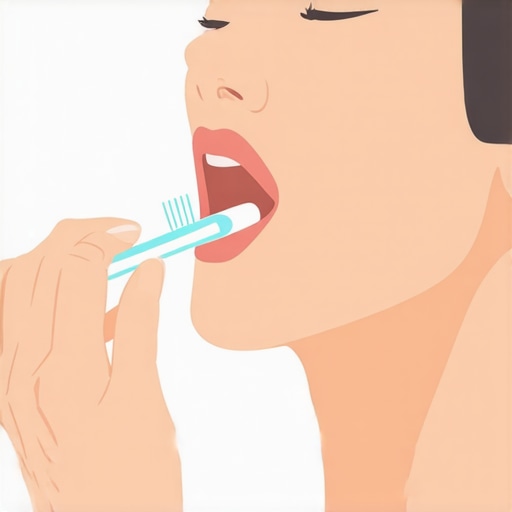
The first time I tried to clean my tongue thoroughly, I nearly vomited into the sink. It was embarrassing, uncomfortable, and honestly, I felt like giving up altogether. Sound familiar? Many of us grapple with the gag reflex when it comes to tonguing, but a clean tongue isn’t just about fresh breath—it’s crucial for overall oral health. A buildup of bacteria on the tongue can lead to problems like bad breath and even contribute to gum disease. Today, I want to share proven techniques to help you clean your tongue effectively without triggering that unpleasant gag reflex.
Why Proper Tongue Cleaning Matters More Than You Think
When I first learned about the importance of tongue hygiene, I was surprised. Many people focus solely on brushing their teeth, but neglect that stubborn area at the back of the tongue. Interestingly, research shows that bacteria on the tongue can harbor up to 50% of the oral biofilm that causes bad breath and dental decay. Proper tongue cleaning can improve your breath, reduce bacteria, and even support overall systemic health. If you’ve ever noticed your mouth feeling fuzzy or your breath lingering long after brushing, it might be due to that neglected tongue area. Keep reading, because I promise we’ll turn this uncomfortable task into a manageable routine.
Overcoming the Gag Reflex: Simple Strategies That Work
Is Tongue Cleaning Actually Worth the Hype?
Early on, I made the mistake of trying to clean my tongue with a stiff toothbrush right at the back without preparing myself. That only made the gag reflex worse, and I gave up after two attempts. Trust me, I get it. The gag reflex can make tongue cleaning seem like an insurmountable challenge, but there are effective ways to work around it. If you’ve faced similar frustrations, you’re not alone. The key lies in learning gentle techniques and choosing the right tools. Want a step-by-step plan that won’t leave you overwhelmed? Keep reading, because I’ll show you how to take control of this routine.
Start Gentle and Breath Fresh
Begin by rinsing your mouth with lukewarm water to loosen plaque and bacteria. Take a deep breath through your nose to relax your gag reflex. I remember my first attempt—fighting the urge to gag—I found that inhaling calmly helped reduce the sensation, making the process smoother.
Select the Right Tool for Comfort and Effectiveness
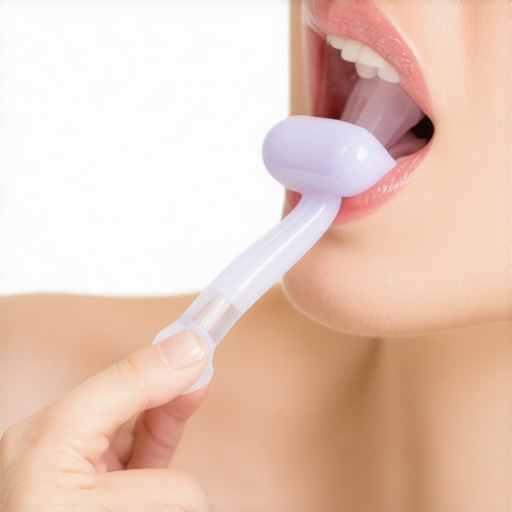
Use a soft-bristled tongue scraper or a silicone tongue cleaner instead of a stiff toothbrush. I once tried using a stiff brush at the back of my tongue, which triggered a strong gag response. Switching to a silicone scraper made a noticeable difference—less discomfort and more effective cleaning. For a visual guide, consider a tool that gently contours to the tongue’s shape, making scraping easier and safer.
Position and Technique: The Core of Effective Cleaning
Position the scraper correctly
Hold the scraper at the back of your tongue, applying gentle pressure. Avoid pressing too hard, as this can cause irritation. I learned to start at the middle of the tongue and work forward, rinsing the tool frequently to remove bacteria and debris.
Scrape in a systematic motion
Use slow, gentle strokes from back to front, covering the entire surface—center and sides. Think of it like sweeping—if you press too hard, you’ll irritate your taste buds and trigger gag reflexes. Remember, the goal is to remove buildup without discomfort.
Manage Gag Reflex by Building Tolerance
To gradually reduce gag sensitivity, start by scraping the front part of your tongue daily. Over a week, slowly extend the scraping area farther back. For instance, I began scraping just the middle of my tongue, then gradually moved towards the rear as I became more comfortable. Consistency and patience are key.
Incorporate Proper Rinsing and Frequency
After scraping, rinse your mouth thoroughly with water or an alcohol-free mouthwash. Doing this twice daily—morning and night—can significantly reduce bacteria and improve breath. I found that sticking to a routine made tongue cleaning feel like an effortless part of my oral hygiene, similar to regular teeth brushing.
Additional Tips to Enhance Results
For better outcomes, avoid eating or drinking immediately after cleaning, allowing the mouth to remain fresh longer. If you have a dental crown or any restorations, regularly check the surrounding areas—sometimes buildup hides there and can be confused with issues discussed on [Why a crown might feel loose](https://periodontistcare.com/the-30-second-mirror-check-that-catches-gum-disease-before-it-bleeds). Regular cleaning keeps bacteria from forming around these restorations, extending their lifespan.
 Many patients enter the dental office believing they fully understand their crowns and oral health, but some misconceptions can undermine their long-term dental success. One widespread myth is that a tooth doesn’t need attention if it doesn’t hurt, leading to neglect of minor issues that could escalate, like tiny cracks or decay beneath crowns. Experts suggest regularly assessing your restorations through detailed exams; for instance, the ‘why you might need a crown even if the tooth doesn’t hurt’ article highlights how seemingly minor problems can become significant without perceptible pain. Moreover, many believe that once a crown is placed, it’s forever and requires no further maintenance. In reality, crowns are susceptible to wear, chipping, or bacterial infiltration if not properly cared for, emphasizing the importance of routine check-ups and good hygiene. A common trap is over-reliance on brushing alone, neglecting flossing around crowns and electronic interdental cleaners that reach difficult spots. Ignoring these details may lead to secondary decay or gum issues, which are often mistaken for normal aging or insignificant. An advanced mistake many overlook involves the subtle changes in the gum tissue surrounding crowns. For example, minor recession can compromise the seal of the restoration, potentially causing sensitivity or decay underneath. Learning to recognize early signs of deterioration helps prevent more invasive procedures later. For those curious about the nuances, consider the question: *How does the material composition of crowns influence their longevity and tissue response?* Recent studies, such as the one from the Journal of Prosthetic Dentistry, reveal that bio-compatible materials like zirconia not only last longer but also reduce inflammatory responses compared to older porcelain-fused-to-metal options. Staying informed about material choices can impact your decisions and oral health outcomes. A critical mistake many make is assuming all crowns are equally effective, but the choice of material and technique affects durability and tissue health. For a comprehensive review, check out the article on ‘why 2026 dental crowns no longer cause gum graying’. Remember, maintaining your crowns isn’t just about aesthetics; it’s about preventing secondary problems that could threaten your natural teeth and overall health. Don’t overlook small changes—regular dental visits and vigilant home care are your best defense. Have you ever fallen into this trap? Let me know in the comments.
Maintaining your dental crowns, teeth cleaning routines, and overall oral health requires more than just basic brushes and floss. Having the right tools can make a significant difference in ensuring long-term success and comfort. I personally recommend investing in a high-quality tongue scraper like the Oral-B Glide Soft Tongue Cleaner. Its silicone surface is gentle yet effective, helping me maintain a bacteria-free tongue without triggering my gag reflex. Over time, I’ve noticed fewer bad breath episodes and a cleaner feeling after brushing.
In addition, I rely heavily on an electric sonic toothbrush such as the Philips Sonicare DiamondClean. The advanced oscillating motion not only improves plaque removal but also helps preserve the integrity of crowns and restorations by providing consistent, gentle cleaning. Using this tool daily has helped reduce plaque buildup around my crowns, which I usually check through regular self-assessment routines.
How do I maintain my dental health tools over time?
I recommend thoroughly rinsing and replacing your tongue scraper every three to six months, depending on usage. For your electric toothbrush, periodic replacement of the brush heads—roughly every three months—is essential to prevent bacterial buildup and maintain efficacy. Keeping your tools clean and in good condition contributes to your overall health and extends the lifespan of your restorations, reducing the chances of secondary decay or sensitivity. As research indicates, proper maintenance of tools can prolong crown life, ensuring you get the most out of your investment.
Looking ahead, I believe technological innovations will continue to revolutionize at-home dental care, with smart devices that monitor your oral health status and alert you to potential issues before they become serious. For now, incorporating effective tools like the silicone tongue cleaner and sonic toothbrush into your daily routine is a proven step toward long-lasting oral health and crown preservation. Don’t forget: regular check-ups with your dentist complement your home care, helping to catch subtle signs of trouble early — knowledge that can prevent costly procedures later.
Ready to elevate your oral hygiene? Try replacing your manual toothbrush with a high-quality sonic toothbrush and see the difference it makes in maintaining your crowns and natural teeth alike. Consistent use of the right tools can truly keep your smile working beautifully for years to come.
What I Wish I Had Known About Tongue Cleaning Early On
One of the most eye-opening lessons I learned is that rushing through tongue cleaning can do more harm than good. I used to clean aggressively, thinking I was improving my breath, but that often triggered my gag reflex and left my mouth feeling worse. The real breakthrough was adopting gentle, consistent scraping and understanding my body’s signals.
Additionally, I discovered that focusing solely on the front of my tongue overlooks a major source of bacteria and bad breath. Spending just a few extra seconds cleaning the back with the right tools made a noticeable difference in my daily confidence.
The Best Resources That Elevated My Oral Care Routine
For anyone serious about maintaining their crowns and overall oral health, I highly recommend the latest research on bio-ceramic crowns. It transformed my understanding of material choices and longevity. The smart hygiene techniques shared in the associated guides helped me fine-tune my routine to prevent secondary decay and protect my restoration investments. Lastly, I depend on trusted brands like the Philips Sonicare for daily cleaning — their technology is a game-changer.
Keep Your Smile Bright—And Your Confidence High
Remember, mastering tongue hygiene and understanding how to care for your crowns isn’t just about aesthetics—it’s an investment in your overall health. Each small step, like choosing the right tools and routines, builds toward a more confident, healthier you. Don’t wait for minor issues to turn into costly repairs. Take action today, and your future self will thank you.
Have you ever struggled with the gag reflex when cleaning your tongue? Share your experiences below, and let’s learn from each other’s journeys to better oral health.