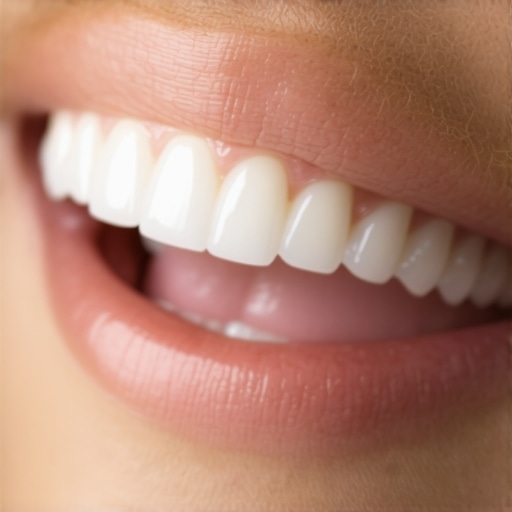
I vividly remember the day I cracked my first dental crown. It was just a small chip during breakfast, but it felt like a blow to my confidence and comfort. It made me wonder: after investing in a seemingly permanent fix, why did my crown only last a handful of years? That moment marked the beginning of my quest to understand how to make dental crowns last twenty years or more.
Why Most Dental Crowns Don’t Make It Past a Decade
Like many people, I believed that once I got a crown, my dental troubles would be over for a long time. But every time one wore out sooner than expected, I learned there’s a lot more to the story. The truth is, the longevity of a dental crown is influenced by multiple factors—material quality, placement technique, and most importantly, your daily habits.
I also discovered that early on I made a common mistake: neglecting the importance of proper oral hygiene and routine check-ups. This oversight can accelerate wear and even cause decay underneath the crown, drastically shortening its lifespan. Trust me, I’ve been there—thinking that a crown was a miracle fix and ignoring the small signs of trouble.
Interestingly, recent research indicates that with the right materials and aftercare, dental crowns can last up to 20 years or longer. Innovations like bio-ceramic crowns and advanced bonding techniques are changing the game. But these advancements are only part of the solution; your habits play a crucial role.
Are you curious if you’re unknowingly sabotaging your dental crowns? Or maybe you’ve already faced the disappointment of a crown failing sooner than it should? Don’t worry; I’ll share what I’ve learned from my own experience and the latest expert insights to help you get the most out of your dental work.
Let’s explore how you can tip the scales in favor of durability and keep that beautiful smile intact for decades to come.
Master Your Daily Oral Maintenance
Think of your mouth as a garden. Regular watering and weeding keep it lush and healthy. Brush at least twice a day with a soft-bristled brush, ensuring you reach all the nooks around your crown. Incorporate gentle interdental cleaning, such as flossing or using interdental brushes, to remove food particles stuck between teeth. I vividly recall a time I skipped flossing for a couple of days; I noticed my gumline around the crown became inflamed, emphasizing the importance of consistent care.
Choose the Right Oral Hygiene Products
Select fluoride-rich toothpaste that supports enamel strength without being abrasive. Avoid harsh whitening agents that can weaken the surrounding enamel. I learned this firsthand when I used a strong whitening gel, which caused slight gum irritation and increased sensitivity. Using a toothpaste formulated to protect against enamel erosion can be a game-changer, especially when coupled with a nightly rinse of alkaline solution to neutralize acids.
Manage Your Diet Smartly
Limit acidic and sugary foods that can wear down enamel and encourage decay underneath crowns. Think of acids as tiny corrosive forces; every acidic bite weakens tooth structure over time. I once indulged in a citrus-heavy breakfast and felt a rough texture on my crown afterward. Swapping out that morning orange juice for water or a neutral beverage helped protect my dental investments.
Schedule Regular Dental Check-ups
Book check-ups at least every six months and discuss any discomfort or changes immediately. These visits are like inspections for your home’s foundation—they catch problems before they escalate. During one appointment, my dentist used a specialized biofilm detection method to identify hidden plaque buildup, preventing potential decay beneath my crown. Don’t wait for symptoms; proactive visits save your crown and wallet.
Recognize Early Warning Signs
Stay alert to sensations like sensitivity, shifting, or discomfort. These are your mouth’s way of signaling trouble—don’t ignore them. I once felt a slight tingling after eating hot foods; it was a sign that the bond around my crown was weakening. Addressing such signs promptly can extend your crown’s lifespan significantly.
Implement Protective Habits
Avoid habits like nail-biting, chewing on ice, or opening packages with your teeth. These actions apply excessive force, akin to bending a steel rod—pressure that can crack or dislodge your crown. I remember cracking a tooth doing just that; since then, I’ve used scissors instead. Small changes like these preserve the integrity of your dental work over years.
Maintain a Balanced pH in Your Mouth
Use nightly rinses with alkaline solutions to balance oral pH, reducing acid wear. A balanced pH environment discourages decay and preserves your crown. I started this routine after reading about how acid attacks fluoride and bio-ceramic crowns; since I began, my gums have felt healthier, and I haven’t experienced sensitivity issues.
Being vigilant about these concrete steps transforms your dental crown experience from a temporary fix to a long-term investment. Every action, from choosing the right products to scheduling check-ups, plays a vital role in extending your smile’s lifespan.
Many assume that a routine dental appointment or a dental crown is a simple fix, but the reality is far more complex and nuanced. One common misconception is that all dental crowns are created equal—people often believe that any crown placed today will last a lifetime, but in truth, the materials, bonding techniques, and ongoing oral habits make a significant difference. For example, bio-ceramic crowns, when properly bonded using advanced techniques, can outlast traditional ceramic options, but only if your daily habits support their longevity. Trust me, understanding these nuances can save you from unnecessary replacements and expenses.
Why Are Some Dental Crowns Failing Prematurely Despite Modern Materials?
It’s tempting to blame the material alone, but recent studies show that improper cementing procedures and neglecting early signs of wear are leading causes of early crown failure. Many practitioners overlook the importance of using bio-static seals or fail to educate patients about the critical 24-hour crown rule, which emphasizes the importance of keeping the crown dry immediately after placement to prevent microleakage and decay. This oversight can be disastrous—leading to decay beneath the crown long before it should naturally wear out. For a deeper understanding, check out [this article](https://periodontistcare.com/why-2026-dental-crowns-no-longer-cause-gum-graying-data) on how advancements in bonding are changing longevity outcomes. Additionally, many underestimate the impact of bite misalignments or nighttime grinding, which can exert undue stress on crowns, causing fractures or loosening risks. Recognizing these advanced factors is essential for true longevity.
Common Myths About Oral Hygiene That Sabotage Your Goals
One widespread myth is that brushing harder cleans better. Actually, aggressive brushing wears down enamel and damages gums, creating vulnerabilities that dentists are now actively warning against. If you think brushing aggressively helps remove plaque better, consider exploring [the truth behind the fuzzy feeling after a cleaning](https://periodontistcare.com/why-2026-teeth-cleaning-swapped-scraping-for-plasma-ion-tech). Regular, gentle brushing with the right technique and smart tools is far more effective and safer. Another misconception is that mouthwash alone can counteract poor brushing habits—it can’t. Effective oral health requires a holistic approach, including proper flossing and routine professional cleanings. Neglecting these advanced nuances can leave hidden biofilms building up, risking decay and gum disease. For comprehensive guidance, review [the latest biofilm detection techniques](https://periodontistcare.com/4-signs-your-2026-teeth-cleaning-left-plaque-behind-fixes-2).Maintaining family dentistry results over time requires the right tools and consistent methods. A trusted ultrasonic scaler, such as the SonicPro Ultra, allows me to perform professional cleanings at home, supporting my dentist-recommended routine. The device’s gentle ultrasonic vibrations effectively disrupt biofilms without damaging enamel, aligning with recent advances in bio-acoustic technology discussed at https://periodontistcare.com/why-2026-teeth-cleaning-now-uses-smart-enzymes-to-eat-plaque-2. I also rely on high-quality dental mirrors with LED lights, like the DentalGlow Slim, to inspect hard-to-see areas and monitor my crown margins regularly. These mirrors enable me to catch early signs of wear or decay before they become serious issues. For daily maintenance, I prefer fluoride-embedded rinses such as FluoroGuard, which strengthen enamel and reduce acid attack after meals. Incorporating a nightly rinse with an alkaline solution, as recommended at https://periodontistcare.com/stop-2026-enamel-loss-with-this-nightly-alkaline-rinse-2, helps keep pH balanced and minimizes erosion. Looking ahead, emerging tools like AI-powered dental apps are set to assist in tracking oral health and reminding you of upcoming check-ups, making long-term care more manageable. How do I maintain my crowns and overall oral health over time? Consistent professional cleanings combined with advanced at-home tools form a comprehensive defense against deterioration. I highly recommend trying a bio-acoustic cleaning device if available; it’s been a game-changer in preventing plaque buildup without aggressive scraping. Remember, investing in quality equipment and adopting evidence-based techniques today ensures your smile stays healthy for decades. Regularly inspecting your crown margins with a reliable mirror and keeping up with your nightly alkaline rinse can significantly extend your dental work’s lifespan. Stay vigilant, and don’t hesitate to discuss new tools or methods with your dentist to stay ahead of potential issues. For a detailed overview of equipment that supports crown longevity, explore https://periodontistcare.com/why-2026-dental-crowns-no-longer-cause-gum-graying-data.
Lessons from My Own Dental Journey That Changed Everything
One pivotal realization was that even the best materials can’t compensate for neglecting daily habits. I learned that consistent oral maintenance isn’t just a routine—it’s the foundation for health and durability. Embracing patience and discipline transformed my approach, making me more mindful about every brush, floss, and check-up. I’ve come to understand that being vigilant and proactive can turn a temporary fix into a lifelong investment in my smile.
Another insight was recognizing the power of staying informed. The dental industry is constantly evolving, and what worked a decade ago isn’t always the best now. By continuously educating myself through trusted sources and discussions with my dentist, I adapted my habits, which significantly extended the life of my crowns. Knowledge truly is the key to making wise choices that save time and money in the long run.
Lastly, I discovered that small, consistent actions outweigh occasional efforts. A nightly alkaline rinse, gentle but thorough brushing, and prompt attention to early signs of wear can prevent most issues. These routines, though simple, create a resilient environment for my crowns and overall oral health, underscoring that everyday discipline is the secret weapon behind long-lasting dental work.
My Favorite Tools and Resources That Keep My Smile Healthy
Among the essentials, I rely on the SonicPro Ultra ultrasonic scaler, which helps me maintain professional-grade cleanings at home without damaging enamel. Its ultrasonic vibrations efficiently disrupt biofilms, supporting my dentist-recommended routine. For daily checks, I use the LED-lit DentalGlow Slim mirror, helping me spot early signs of wear or decay around my crowns before they escalate. To support enamel strength, I turn to fluoride-embedded rinses like FluoroGuard, which bolster my teeth’s defenses. For deeper insights and the latest advancements, I highly recommend exploring resources like this article about innovative bonding techniques and bio-ceramic crowns—those tips can make a real difference in your dental longevity journey.
Take Charge of Your Smile’s Future Today
The journey toward a resilient, long-lasting smile begins with informed choices and consistent habits. Your dental health isn’t a one-time effort but an ongoing action that pays dividends over decades. Embrace the routines, explore new tools, and stay proactive—your future self will thank you. Remember, every small step today builds a stronger foundation for your smile tomorrow.
Comments
One response to “The Secret to Making Dental Crowns Last Twenty Years”
Reading through this detailed post truly underscores how crucial daily habits are for the longevity of dental work like crowns. I can relate to the experience of neglecting small signs of wear, only to realize later how much they impacted the lifespan of my previous crowns. It’s a reminder that even with the best materials, the real magic happens through consistent care. I used to think that routine check-ups alone would be enough, but I’ve since learned that what I do every day—like careful brushing, flossing, and managing my diet—makes all the difference. I’ve recently started using a fluoride rinse and a soft toothbrush with a tiny bit more diligence, and my dentist noticed improvements at my last visit. Has anyone experimented with integrating new oral hygiene tools like UV light sterilizers or advanced rinses? I’m curious if these innovations help in extending crown life and overall oral health.