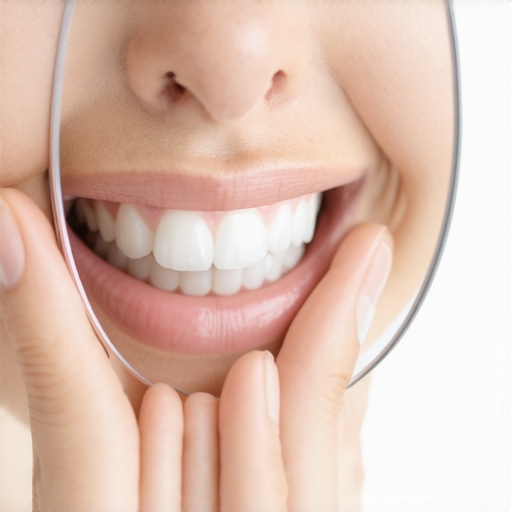
It happened during my nightly routine—one moment I was brushing away, and the next, I noticed a tiny speck of blood on my gum line. At first, I brushed it off as just a minor irritation. But then I remembered how easily gum disease can sneak up without obvious symptoms until it’s too late. That lightbulb moment made me realize how often we overlook the early signs of periodontal issues—until bleeding becomes a real problem.
The Power of a Quick Mirror Look
Few habits are as simple—and as overlooked—as a quick check with a mirror after brushing. Yet, that 30-second glance could be your first line of defense against gum disease. I became determined to catch problems early, saving myself discomfort—and possibly big dental bills down the line. And let me tell you, this easy habit became a game-changer.
Are You Sabotaging Your Gums Without Knowing It?
Early missteps like brushing too hard or ignoring changes in gum color can exacerbate issues. When I first started, I was guilty of ignoring minor bleeding, thinking it was just a one-time thing. But ignoring these signals is a common mistake, and I paid the price with more bleeding and sensitivity. Trust me, I wish I had known sooner about simple indicators to look for during that quick mirror check. Want to know the worst part? Many of us miss these early signs because we don’t know what to look for—hence the importance of this habit.
Research shows that early detection of gum problems can prevent progression to more severe issues that lead to bleeding, bad breath, and even tooth loss. So, if you haven’t added this brief check into your routine, you might be missing critical early warnings. Curious about other habits that could be injuring your gums? For example, poor brushing techniques can severely damage enamel and gums—learn about common mistakes in this guide.
Now that I understand what to look for, I’m ready to share the key indicators and how to perform a quick, effective mirror check that could save your smile. Ready to take a proactive step towards healthier gums? Let’s dive into the specifics.
Develop a Routine for Daily Gum Inspection
Start by choosing a consistent time after brushing, such as right before bed or upon waking. Use a clean, well-lit mirror to get a clear view of your gums and teeth. I remember one evening, I noticed a tiny red line along my gum margin just after brushing—this quick check alerted me to early inflammation before it worsened. Incorporate a gentle tongue sweep around your gums to feel for rough or swollen areas. This tactile method complements the visual check, helping you spot issues even if they’re not immediately visible.
Learn to Recognize Warning Signs
Focus on changes in color, texture, and bleeding. Healthy gums are firm and pink; redness, swelling, or bleeding—especially when brushing or flossing—are red flags. For instance, I once ignored minor bleeding on that evening’s glance; the next day, the bleeding intensified. Catching it early allowed me to adjust my flossing technique and prevent severe gum issues. Remember, bleeding gums are often the first indicator of periodontal trouble, so treat any bleeding as a warning signal.
Perfect Your Brushing and Flossing Technique
Effective technique is crucial—brushing should be gentle, not abrasive, like cleaning delicate glass. Use a soft-bristled brush, angling 45 degrees toward the gum line. For flossing, slide gently along the tooth surface, curving around each tooth, avoiding snap motions that can damage gums. I once tried a more aggressive flossing style, which caused bleeding; switching to gentle, methodical flossing improved my gum health quickly. Avoid common mistakes such as brushing too hard, which can erode enamel and gum tissue. Learn more about protecting enamel in this guide.
Use Supplements and Products Wisely
Incorporate antibacterial rinses or chewables designed to lower biofilm buildup. Be cautious about products that might strip enamel; check around your toothpaste’s effects. Recent advances, like peptide-infused bonding agents, can even contribute to healing gums and strengthening tissue. I experimented with a night rinsing routine using alkaline solutions, which significantly reduced morning gum swelling over a week. Just remember, products are adjuncts—consistent cleaning and inspections are irreplaceable.
Inspect Tongue and Inner Cheeks for Clues
Beyond gums, examine your tongue and inner cheeks for white patches, sores, or texture changes. These can signal bacterial overgrowth or early infections. I once noticed a small white spot that didn’t hurt—turns out, it was an early mineral deficiency. Keeping tabs on all oral surfaces ensures you catch issues before they escalate into pain or decay.
While it’s common to think that brushing and flossing are all it takes for a bright, healthy smile, many people overlook complex nuances that can significantly impact oral health. One prevalent misconception is that aggressive brushing is better for cleaning—yet, in reality, overbrushing can cause gum recession and enamel erosion, especially if combined with the use of hard-bristled brushes. Experts warn that improper technique can do more harm than good, emphasizing the importance of gentle, targeted cleaning. Additionally, many believe that frequent professional cleanings alone ensure optimal health, but neglecting daily habits like proper brushing, flossing, and diet choices undermines these visits.
Another common myth revolves around family dentistry practices. Some assume that cosmetic procedures like crowns or veneers are purely for appearance; however, advanced materials like bio-ceramic crowns can also prevent decay and protect teeth from further damage. Unfortunately, a frequent mistake is choosing outdated materials or neglecting updates on newer techniques. For instance, resin hybrid crowns that bond seamlessly with natural tissue eliminate issues like grinding down adjacent teeth and reduce discomfort—yet, many still opt for traditional options, unaware of these innovations.
So, what advanced mistakes do many overlook? One involves underestimating the importance of pH balance in your oral environment. Maintaining a neutral pH helps prevent demineralization and promotes remineralization, but many ignore this aspect, leading to increased sensitivity and decay. Regular use of pH-balanced rinses can make a meaningful difference. In fact, recent research highlights that integrating pH balance into daily routines is a game-changer—checking the acidity levels can prevent enamel erosion and even help in healing early decay, as discussed in studies on bio-mineralization techniques.
Curious about how your habits might be sabotaging your oral health? For example, believing that all mouthwashes are equally beneficial is a trap. Many contain alcohol or harsh chemicals that strip enamel and disrupt oral microbiome balance. Instead, choosing formulas with gentle, enzyme-based cleaners can actually promote health. Moreover, many overlook the danger of common pitfalls like rinsing immediately after brushing, which washes away fluoride and impairs remineralization. Learning to time your rinses correctly improves fluoride retention and strengthens teeth over time.
Make sure you’re not falling for these misconceptions—your smile might depend on it. For instance, some think that more frequent flossing is always better, but aggressive flossing can damage gums; learning proper technique is crucial. Additionally, understanding the nuanced differences among dental materials and techniques, like how bio-ceramic crowns can fuse with natural tissue to prevent future decay, helps in making informed choices.
Are you aware of the advanced nuances that could be harming your smile? Take a moment to evaluate your habits—are you unknowingly making these mistakes? Sharing this knowledge might just help someone you care about. If you’re curious about the latest innovations that can improve your dental outcomes, check out resources on resin hybrid crowns or bio-mineral healing methods. Have you ever fallen into this trap? Let me know in the comments.
Maintaining your oral health over the years requires more than just regular brushing and flossing; it involves utilizing the right tools and adopting proven methods to ensure your smile stays healthy and vibrant.
Invest in High-Quality Dental Devices
Personally, I swear by using a Sonicaire Sonic Toothbrush because of its ability to disrupt biofilm effectively. The oscillation frequency exceeds 40,000 strokes per minute, which neurobiologists note is optimal for breaking down stubborn plaque without damaging enamel. Unlike standard brushes, this device reaches deeper into gum pockets, making daily cleaning both efficient and gentle. I also rely on an ultra-soft yet effective floss designed specifically for sensitive gums, ensuring I remove debris without irritation.
Implement Advanced Oral Inspection Techniques
To detect early signs of issues, I incorporate a LED oral light with magnification into my routine. This allows me to examine my gums, tongue, and inner cheeks more thoroughly. The ability to spotlight subtle discolorations or swelling helps catch problems before they escalate. The trend towards using bio-mineral crowns is promising, as they facilitate healing and strengthen the teeth long-term, especially when monitored regularly.
Leverage Digital Monitoring and Apps
Recognizing the value of tracking my oral health, I use a dedicated app connected to my smart toothbrush. It records brushing duration, pressure, and coverage, providing feedback to improve technique. By reviewing these statistics weekly, I can spot patterns like uneven brushing time or missed zones, prompting me to adjust. The future of family dentistry seems to lean more towards digital health trackers, empowering users to maintain proper habits outside the dental chair. Explore more about this trend with infrared nerve scans incorporating technology into routine checkups.
Where Do I Imagine This Trend Going?
Looking ahead, I predict the integration of AI-powered diagnostics with personal health devices will revolutionize how we maintain our oral hygiene. Imagine smart toothbrushes that not only track but also analyze your saliva for early markers of disease, alerting you to schedule a professional evaluation before symptoms emerge. This shift toward preventative and preemptive care promises to drastically improve long-term outcomes and minimize invasive procedures.
How do I maintain these tools over time?
Regularly replacing components like brush heads (every 3 months), updating app software, and calibrating digital devices are crucial. Just as with crowns and restorations—such as resin hybrid crowns—proper upkeep ensures longevity. Schedule periodic professional checkups to calibrate your tools and receive personalized guidance. Combining state-of-the-art equipment with consistent care will make sure your oral health remains a lifelong priority. Remember, investing in the right tools and knowing how to use them wisely sets a foundation for sustained dental wellness.
Over the years, I’ve learned that the smallest habits can make the biggest difference in oral health—things I wish I knew when I first started taking care of my teeth. One of the most eye-opening lessons was realizing how critical early detection is; a simple mirror check could have caught minor issues before they escalated. Recognizing that seemingly insignificant signs—like a tiny bleed or slight discoloration—can be the first clues to bigger problems changed my entire approach to daily care.
Uncovering Hidden Truths About Teeth Maintenance
- Consistent, proactive inspections trump reactive treatments. I used to wait until discomfort appeared, but now I catch issues early with quick mirror checks, saving money and avoiding discomfort.
- Gentle techniques protect your investment. Overbrushing and harsh flossing can damage gums and enamel—learning the right methods has transformed my habits.
- Choosing the right tools can boost your routine. Investing in high-quality, smart dental devices has made my daily cleaning more effective and less risky.
- Diet and supplements are part of the equation. Incorporating pH-balanced rinses and targeted supplements supports long-term oral health.
Tools That Changed My Perspective
- **Sonicaire Sonic Toothbrush:** Its high-frequency oscillations break down plaque effectively without damaging delicate tissue, a game-changer for my daily routine.
- **LED Magnification with Light:** Allowing a thorough inspection of hard-to-see areas helps me spot early warning signs.
- **Oral Health Apps:** Keeping track of my habits and receiving instant feedback motivates me to maintain better techniques.
- **Bio-mineral Crowns:** These advanced restorations promote healing and strength, reducing future risks.
Embrace the Future of Smiles
As technology continues to evolve, so does our ability to care for our teeth smarter, faster, and more comfortably. From AI-powered diagnostics to bio-ceramic materials, the innovations I’ve explored make me excited about the endless possibilities for protecting and restoring oral health. Remember, a proactive approach—armed with knowledge and the right tools—can ensure your smile remains vibrant well into the future.
My Biggest Lesson About Oral Health
- Don’t underestimate the power of early detection. Spotting issues before symptoms appear saves time, money, and discomfort. Trust your mirror and intuition—early signs are your friends.
- Proper technique is everything. Gentle brushing, correct flossing, and quality tools make all the difference over time.
- Stay informed about new innovations. Modern materials and methods can vastly improve longevity and comfort—dive into resources like resin hybrid crowns or bio-ceramic solutions.
Where To Go Next
If you want to deepen your understanding, explore reputable guides on family dentistry practices, the benefits of bio-mineral crowns, or advanced brushing techniques. Trusting expert-curated content can empower you to make smarter choices for your family’s oral health.
Your Smile’s Next Chapter Starts Today
Every small step you take today can lead to a lifetime of confident, healthy teeth. By combining awareness, the right tools, and a proactive mindset, you’re setting the stage for a future where dental worries are minimal, and your smile shines brighter than ever.
Have you ever noticed a sign that turned out to be the first hint of a bigger problem? Let me know below—your experience might inspire someone else to start their journey toward better oral health!
,
Comments
One response to “The 30-Second Mirror Check That Catches Gum Disease Before It Bleeds”
I really relate to this post—overlooking those early warning signs like minor bleeding or discoloration can really lead to bigger issues if we’re not careful. I started doing regular mirror checks after brushing, and it’s made me more aware of my gum health. I’ve also found that using a soft-bristled brush and gentle flossing techniques improve my overall comfort and prevent damage. I think the part about inspecting tongue and inner cheeks is often underestimated; those areas can show early signs of infection or other issues. Has anyone else noticed changes in their mouth’s texture or color that turned out to be something more serious? Personally, I’ve learned that small, consistent habits really do add up for long-term health. I’d love to hear other tips on how to make these quick checks part of a busy routine or how to spot subtle signs early on.