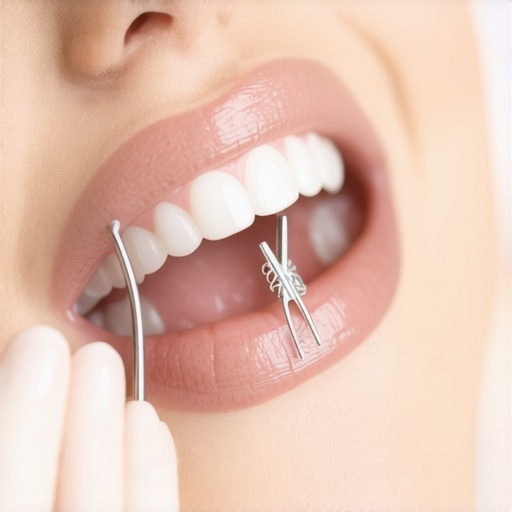
I remember the moment vividly: I sat in the dental chair, finally getting that long-overdue crown after months of tooth sensitivity and irritability. But as I left, something felt off—my bite was uneven, and I couldn’t shake that nagging doubt: Is my new crown messing with my natural bite? It was a lightbulb moment that made me realize I wasn’t alone. Many people overlook subtle signs that their dental crown isn’t fitting quite right, leading to discomfort, jaw pain, or even long-term damage.
The Hidden Danger of a Poorly Fitting Crown
If you’ve ever experienced a strange sensation when biting down after a crown placement, you might be wondering if it’s normal. The truth is, an ill-fitting crown can cause more than just discomfort; it can disrupt your entire bite and accelerate wear on your natural teeth. The frustrating part is that these issues are often sneaky—gradually worsening without immediate warning signs and convincing you that everything is fine.
Assessing Your Bite Experience
Start by gently biting down on a clean, dry piece of dental floss or a thin piece of paper. If you notice uneven pressure or a gap between your teeth, it could indicate that your crown isn’t fitting properly. Recall a time I experienced this firsthand when biting into an apple; I immediately felt a strange sensation, prompting me to schedule a check-up. This quick test is your first sign to take action.
Performing a Visual Inspection
Use a mirror and a uniform light source to examine your crowned tooth. Look for uneven margins, rough edges, or gaps where the crown meets the natural tooth surface. Remember when I noticed tiny spaces during my own inspection—I caught a minor mismatch early, preventing subsequent discomfort. Regular inspection helps identify issues before they escalate.
Understanding How Crowns Bond to Teeth
Dental crowns are attached using advanced bonding agents that infiltrate microscopic gaps, similar to how grout holds tiles. If this bond weakens or misaligns, it can cause discomfort or looseness. I once had a crown that felt slightly loose after a few months, leading me to consult my dentist immediately. Recognizing subtle signs of bonding failure ensures timely fixes.
Utilizing the Bite Adjustment Procedure
When my bite was unexpectedly uneven, my dentist performed a bite adjustment—gently filing down high spots on the crown to restore harmony. This process involves removing small amounts of material to fine-tune the contact points. It’s a precise task; too much filing can cause discomfort, so it requires an experienced clinician. The goal is to achieve a comfortable, even bite that feels natural.
Fine-Tuning the Occlusion
After initial adjustments, I used a shading material to check for contacts during chewing—pressing gently to ensure everything was balanced. This step minimizes post-procedure discomfort and prevents undue stress on adjacent teeth. Be meticulous with this process or seek professional guidance.
Performing the 24-Hour Bite Test
Post-adjustment, I waited 24 hours, then repeated the initial bite test to confirm comfort and proper fit. Any lingering discomfort or uneven sensation indicated further adjustment was needed. Patience here ensures that the crown integrates seamlessly with your bite, reducing future complications. Remember, indeed, small tweaks make a big difference.
Leveraging Expert Knowledge for Perfect Fit
If doubts persist, consult specialists like a periodontist for advanced assessment or consider a digital bite analysis—akin to upgrading from analog to high-definition. They can utilize tools that measure bite forces and contact points with precision, avoiding guesswork. This proactive approach helps prevent issues like gum irritation or bite misalignment in the long run by understanding your oral dynamics better.
Maintaining Your Crown’s Health
Regular home care, including gentle brushing and avoiding hard foods, supports your crown’s longevity. Incorporate techniques like bio-occlusion checks discussed here to keep your jaw joint healthy. Consistent check-ups enable your dentist to catch subtle misfits early, much like tuning an instrument before a concert. Prevention is always better than correction when it comes to dental health.
Many assume that once a dental crown is in place, their dental health is straightforward and maintenance is simple. However, in my experience, there are subtle nuances where common beliefs can lead you astray. For example, the myth that dental crowns are entirely maintenance-free is false; they require specific care to prevent issues like bonding failure or sensitivity. Understanding the advanced technology behind modern crowns, such as bio-ceramic materials that mimic natural teeth more effectively, is crucial for long-term success. Additionally, many overlook how improper bite habits, like grinding, can compromise both natural teeth and crowns prematurely, leading to unnecessary repairs. One common pitfall is neglecting regular assessments—think you’re fine because there’s no pain, but silent problems like micro-gaps or biofilm buildup can threaten your oral health. Did you know that using outdated cleaning techniques may leave behind harmful biofilm, increasing decay risk? For instance, bio-acoustic buffing, a recent innovation, can reduce plaque more effectively without damaging enamel. To go even deeper, experts suggest that assessing bite force distribution with digital analysis can prevent uneven wear—a nuance often skipped by patients and even some dentists. This is especially relevant because uneven forces can cause crowns to loosen or fracture over time, highlighting the importance of precise occlusion adjustments. Are you aware that certain materials, like graphene-enhanced crowns, outperform traditional porcelain in durability and sensitivity? Staying informed about these advancements can dramatically enhance your outcomes. Never underestimate how small habits—like avoiding hard foods or using gentle, mineral-rich rinses—support the longevity of both your natural teeth and restorations. Recognizing these nuanced facts and avoiding common traps ensures you’re not just reactive but proactive in your oral health. Remember, continuous learning and regular professional evaluations are your best tools against silent, progressive damage. Have you ever fallen into this trap? Let me know in the comments.
Maintaining your dental restorations requires a combination of the right tools, regular professional care, and a proactive mindset. Personally, I rely on advanced equipment like bio-thermal cameras to detect temperature sensitivities early, allowing timely interventions before minor issues escalate into bigger problems. These tools provide real-time insights that traditional methods can’t match, empowering me to take immediate action and prevent discomfort or damage.
One device I highly recommend is the bio-acoustic buffing system. This innovative technology uses sound waves to clean teeth more effectively without applying harsh abrasives, which can damage sensitive bio-ceramic crowns. Regular use of this equipment during professional cleanings maximizes plaque removal while preserving the integrity of your restorations. For at-home maintenance, I suggest using electric toothbrushes equipped with micro-vibration technology, which improves plaque removal around crowns and implants without exerting excessive force that might loosen bonding seals.
Additionally, software like bio-acoustic buffing plays a crucial role in detecting hidden biofilm buildup—often the silent culprit behind crown failure. Incorporating such technology into regular check-ups can prevent micro-leaks and gum irritation, prolonging the lifespan of your dental work. As these advancements become more mainstream, I predict future trends will include AI-powered diagnostic tools that analyze bite force distribution and predict potential crown loosening before it occurs.
How do I maintain my crowns over time? The secret lies in combining state-of-the-art diagnostic tools with disciplined home care routines. For instance, incorporating nightly mineral rinses formulated with bio-available calcium and phosphate can strengthen surrounding enamel, especially when used alongside gentle brushing with soft-bristled brushes. Moreover, recent research highlights the importance of regular gum health assessments that can reveal early signs of inflammation impacting crown stability. By regularly monitoring these factors, you can catch issues early and avoid costly repairs down the line.
Remember, advanced techniques like bio-bonding and digital occlusion analysis are setting new standards for longevity. I encourage you to discuss with your dentist the possibility of integrating these tools into your routine. For example, trying out a high-precision bite force analyzer can give you a clear picture of uneven load distribution—many patients overlook this aspect, yet it’s vital for long-term crown health. The key is consistency, combined with leveraging the latest innovations for proactive maintenance—much like tuning a finely crafted instrument before a performance.
What I Wish I Knew When I First Got My Crown
One of my most powerful realizations was that even the most advanced crowns require ongoing attention and subtle adjustments. I once believed that once a crown was placed, my work was done, only to learn that small habits—like chewing on hard candies—could compromise its longevity. Recognizing the importance of regular, proactive care became a turning point in my dental health journey.
How the Right Tools Made All the Difference
Discovering technologies like bio-acoustic buffing and digital bite analysis transformed my approach. These tools aren’t just gadgets—they’re game-changers that provide detailed insights I didn’t have access to before. They helped me identify micro-biofilm buildup and uneven bite forces early, preventing costly repairs and discomfort down the line.
The Power of Personal Vigilance
Maintaining a healthy crown isn’t solely the dentist’s responsibility. Simple at-home practices, such as gentle brushing with soft bristles and mindful chewing habits, play a crucial role. I’ve also found that regular self-inspections using a mirror to check margins and gum tissue can catch minor issues before they escalate. Empowering yourself with knowledge keeps your smile resilient.
Transforming My Perspective on Oral Health
Learning about innovations like peptide-infused bonding agents and bio-ceramic materials shifted my understanding of durability and comfort. Knowing that these advancements can significantly extend the lifespan of restorations motivates me to stay informed and engaged. It’s about building a partnership with your dental team, not just getting a crown and walking away.
Key Lessons That Could Save You Time and Money
- Never underestimate the value of regular bite force assessments—imbalances can cause crowns to loosen prematurely.
- Embrace emerging technologies and ask your dentist about integrating tools like infrared scans or AI-based diagnostics into your routine.
- Maintain a disciplined home care regimen tailored for crowns: gentle brushing, avoiding hard foods, and periodic self-checks can detect problems early.
- Stay curious about new materials and techniques—materials like graphene-enhanced crowns or bio-integrative options might be right for your specific needs.