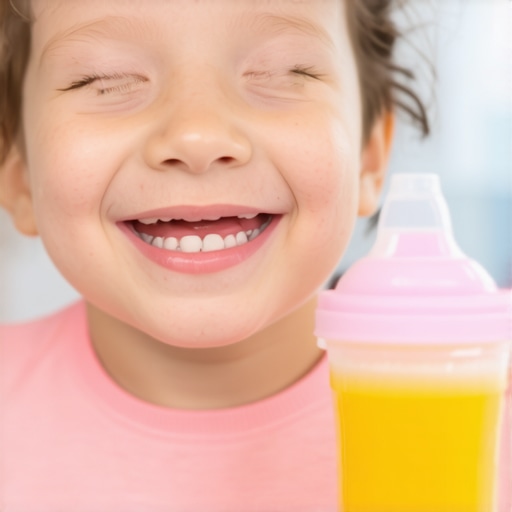
I remember the first time I caught my toddler with a bright, cherry-red sippy cup, her cheeks flushed from a sweet giggle, her tiny teeth glinting in the sunlight. It looked adorable, honestly. But beneath that innocent smile, a small alarm bell started ringing in my head. I realized I had been unknowingly setting her up for a dental battle—one I wasn’t prepared for. That moment was a lightbulb: the so-called “healthy” fruit juices and flavored drinks I proudly offered her every day might be doing more harm than good.
The Hidden Dangers of Frugal Juice: More Than Just Sugar
Many parents like myself are under the impression that if a beverage is “healthy” or packed with vitamins, it’s safe. That’s a tempting misconception. But the truth is, some of these drinks are silently eroding your child’s dental health, especially their front teeth—those little pearly shields that show their vibrant personality. Frequent sipping on sugary or acidic juices creates the perfect storm for enamel erosion, cavity formation, and even early signs of dental decay. I learned this the hard way after noticing my daughter’s teeth looked dull and stained, despite her eating well and brushing regularly. Turns out, those colorful drinks aren’t as innocent as they seem. According to recent research, acidic beverages can weaken the enamel, making teeth more vulnerable to decay and sensitivity. For example, a study published in the Journal of Pediatric Dentistry highlighted how fruit juices with high acidity can accelerate enamel erosion in children.
But don’t worry—this isn’t just a warning; it’s a chance to take action. Today, I want to guide you through understanding the core risks and, more importantly, how to protect your little one’s precious smile from these midnight sneaky attacks. We’ll explore practical steps to prevent long-term damage and ensure your toddler’s teeth stay strong and healthy.
Is the Juice Hype Really Overblown?
One common mistake I made early on was assuming that switching to “fruit-flavored” drinks was enough to keep her healthy. I thought that if it said “no added sugars” or “vitamin-fortified,” it must be safe. But I overlooked the fact that acidity and frequency matter just as much, if not more, than sugar content alone. That oversight could have led to lasting dental issues. If this sounds familiar, rest assured—you’re not alone. Many parents are unaware of how everyday choices ripple into long-term oral health. To learn more about how certain beverages impact enamel, check out this detailed guide on how juice and mouthwash can stunt enamel growth. Understanding these subtle influences is crucial for making informed decisions.
Now that we recognize the problem, let’s dive into how to effectively shield our children’s teeth—so your next family picnic doesn’t turn into a dental nightmare in disguise.
Bust the Sugar and Acid Myth in Your Daily Routine
Start by replacing sugary and acidic drinks with water or herbal teas, which neutralize acidity and prevent enamel erosion. I once caught my daughter sneaking a flavored drink, so I poured out the remaining juice and prepared a fun, colorful water infusion with slices of berries and citrus. It was a messy ordeal—juice splattered everywhere—but it immediately cut her desire for sugary beverages and made hydration appealing. This simple switch reduces acid exposure and shields her teeth from damage.
Implement Proper Brushing Techniques
Brush with a Soft Touch and the Right Tools
Use a soft-bristled toothbrush and educational toothpaste designed for toddlers. Think of your child’s teeth as delicate saplings—abrasive brushing can scar the surface. I remember gently guiding my kid’s hand as she brushed, making sure she covered all surfaces without applying too much pressure. This ensures plaque is removed without harming enamel. Additionally, encourage brushing in small circles rather than back-and-forth motions, which are more effective and gentle on enamel.
Timing Matters
Wait at least 30 minutes after consuming acidic drinks before brushing. Rinsing with water immediately afterward is a good idea—it can help dilute acids and prevent early erosion. For instance, after my daughter finished her orange juice, I handed her a cup of plain water for a quick rinse, then waited before brushing. This step prevents acids from softening enamel, which vigorous brushing could then wear away.
Limit Snacking and Sipping During the Day
Frequent sipping keeps teeth bathed in acid, increasing erosion risk. Create a daily drinking schedule: offer drinks at mealtimes only. I set timers to remind my family to avoid habitual sipping, much like feeding plants only during watering times. When my daughter wanted a snack, I substituted healthier options like cheese or nuts, which are less damaging and help remineralize teeth. Additionally, avoiding prolonged exposure to drinks—like sipping on juice for hours—reduces the acid attack duration.
Schedule Regular Dental Check-Ups
See your dentist at least twice a year for routine cleanings and evaluations. Modern procedures like ph balance checks during cleanings help identify early signs of enamel erosion. In one instance, I took my daughter for her check-up, and the hygienist noticed early enamel thinning. The dentist recommended specific treatments, like applying remineralizing agents, to bolster her enamel before cavities formed. Regular visits serve as a safety net, catching issues before they escalate.
Use Enamel Protecting Products
Incorporate mouthwashes and topical agents that strengthen enamel. When I learned that some mouthwashes can be harmful if they contain excess acids, I switched to manufacturer-approved options with a neutral or alkaline pH—more like a shield for her teeth. Shielding your child’s enamel is like applying a protective armor; it prevents acid attack and promotes mineral growth. For stubborn sensitivity or erosion, consider advanced solutions like bio-mineral rinses designed to rebuild enamel layers from within.
Educate Through Fun and Consistency
Make oral health education engaging and consistent. Use stories, games, or visual aids to teach your child about healthy habits. I created a chart with stickers for each good brushing and drinking choice, turning routines into a game. Over time, my daughter started recognizing which drinks were safe and would remind herself to brush gently. Establishing these habits early builds a foundation that lasts a lifetime, making dental care an enjoyable part of daily life rather than a chore.
Many assume that brushing thoroughly twice a day and visiting the dentist regularly are enough to maintain optimal oral health. However, even seasoned dental professionals often fall into nuanced traps that compromise long-term results. For example, a common misconception is that more frequent flossing always equals better gum health, but overzealous flossing can cause tissue damage if not done correctly. A study published in the Journal of Periodontology highlights how improper flossing technique can lead to recession instead of prevention, emphasizing the importance of proper training rather than mere frequency.
Another subtlety involves family dentistry practices, where many overlook the critical role of timing and material choice in crowns. While a crown might seem like a simple fix for a damaged tooth, the type of material used—whether traditional porcelain or bio-integrative options—can significantly impact bone preservation and future dental stability. Advanced crown techniques, like those described in this article, demonstrate how selecting the right materials not only prevents sensitivity but also supports ongoing bone health.
Beware of the myth that all dental restorations are equally durable and compatible with natural tissue. Many believe that getting a crown is a one-time fix, but the reality involves considering factors such as bio-compatibility, fit, and bonding techniques. For instance, crowns infused with bio-active agents can promote tissue regeneration and prevent gaps that lead to decay, a step beyond conventional inlay or overlay procedures. If you’re exploring crown options, it’s worthwhile to learn about cutting-edge methods like bio-mineral crowns, which can heal teeth from within.
Have I Really Mastered My Oral Care Routine?
Many think that standard practices like brushing and flossing suffice, but subtle errors—such as rinsing immediately after brushing or using low-quality mouthwash—can undermine efforts. For example, using a mouthwash with an inappropriate pH can actually weaken enamel over time, as explained in recent research. To avoid these pitfalls, consider consulting your dentist about smart oral products and techniques tailored to your specific needs.
Don’t forget the critical impact of nightly routines. A quick rinse before bed is good, but neglecting to address nighttime enamel erosion from acid reflux or dietary acids could lead to long-term damage. Innovative solutions, like nightly alkaline rinses, are proven to help restore the pH balance and protect enamel, ensuring your efforts last well into the future. For comprehensive strategies, see how integrating these habits can prevent family cavity outbreaks or rebound sensitivity. Understanding these nuanced factors can genuinely elevate your dental health. Many overlook the importance of material choice, technique precision, and timing, which are pivotal for truly resilient teeth and gums. Are you implementing these advanced insights? Have you ever fallen into this trap? Let me know in the comments, and let’s share strategies for healthier smiles.Maintaining a radiant, healthy smile over the long term requires more than just basic brushing and annual visits. Equipping yourself with the right tools and understanding advanced methods can make a significant difference. I personally rely on a combination of high-tech equipment and scientifically proven routines to ensure my family’s oral health stays top-notch.
One essential tool I swear by is a **sonic toothbrush**. Its superior oscillation frequency effectively removes plaque more thoroughly than manual brushing, especially in hard-to-reach areas. For my children, I choose models with gentle modes and built-in timers to promote proper brushing duration. It’s important to replace toothbrush heads every three months, as worn bristles lose effectiveness—an easy habit to overlook but critical for maintaining enamel integrity.
In addition to a good toothbrush, I incorporate a **bio-adhesive remineralizing gel** into our nightly routine. These gels are packed with nano-hydroxyapatite particles that help repair micro-damage to enamel, especially after exposure to acidic drinks. Applying it before bed ensures the minerals have ample time to integrate into the tooth surface without interference from eating or drinking. Regular use has noticeably reduced sensitivity and improved the overall strength of my family’s teeth.
When it comes to maintaining **crowns** and other restorations, I recommend tools that support both precision and ongoing health. A **laser-powered scaler** used during professional cleaning not only removes stubborn biofilm but also minimizes tissue damage and promotes healing. Modern techniques like **bio-integrative crowns** are game-changers—they facilitate bone preservation and reduce the risk of gaps, which can harbor bacteria causing decay. For long-term success, ask your dentist about innovative crown materials and bonding agents that support tissue health, such as peptide-infused bonding agents shown to enhance tissue attachment.
For those seeking an at-home maintenance edge, I suggest adopting an **alkaline rinse** routine before bedtime. This simple step neutralizes acids lingering in the mouth from the day’s meals and drinks, creating a protective barrier over the enamel. Incorporating a pH-balanced mouthwash, verified through recent ph balance checks, ensures that you’re not unknowingly weakening your teeth.
Looking ahead, the future of oral health is trending toward **bio-active, regenerative solutions**. Products infused with peptides and bio-minerals are already showing promise in aiding enamel repair and tissue rebuild without invasive procedures. As technology advances, expect these options to become more accessible, offering a proactive approach to long-term dental wellness.
How do I maintain **long-term oral health**? Consistently using targeted tools like sonic toothbrushes, mineral-rich gels, and pH-balanced rinses forms a robust foundation. Regular professional evaluations with cutting-edge techniques like bio-mineral crowns and laser scaling ensure issues are caught before they develop into big problems. I highly recommend trying an advanced tip like incorporating a nightly alkaline rinse—it’s a simple addition that can significantly reinforce your enamel’s resilience and support your journey toward lifetime dental health.In my journey as a parent dedicated to my child’s well-being, I learned that some of the most common dental habits could be quietly undermining her health without us realizing it. Fear of missing subtle signs led me to discover the significance of choosing the right products, timing routines properly, and questioning conventional advice. I realized that ensuring a lifetime of healthy teeth isn’t about quick fixes but about understanding the intricate dance between acidity, enamel strength, and regenerative options—like exploring how smart cleaning techniques and material choices make a real difference. It’s these nuanced insights that empower us to advocate for better tools and practices, transforming regular dental routines into powerful defenses against erosion and decay. Remember, meaningful change begins with informed decisions—so keep questioning, learning, and refining your approach to family dental health.
Comments
One response to “The Sippy Cup Trap: Why ‘Healthy’ Juice Is Silently Eroding Your Toddler’s Front Teeth”
Reading this post really opened my eyes to the hidden dangers of seemingly innocent drinks for our little ones. I’ve always believed that ‘healthy’ juices are a safe choice, but it’s alarming to learn how acidity can silently erode enamel over time. I’ve started substituting with infused water, adding slices of cucumber and berries, which my kids actually enjoy! It made me wonder, though—how do other parents balance giving treats or drinks that kids love while protecting their teeth? Are there other natural options or routines you’ve found effective? I’d love to hear tips on keeping hydration fun and safe without sacrificing the necessary nutrients and taste that kids crave. The idea of using remineralizing gels before bed is also intriguing—does anyone have experience with specific brands or products that have truly made a difference in strengthening enamel? This comprehensive approach to oral health makes me realize how much our daily choices impact long-term dental wellness. Keep sharing your insights, everyone—knowledge is truly power when it comes to our children’s health!