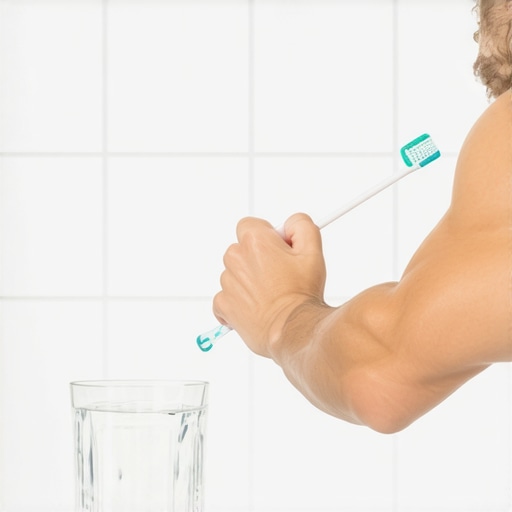
I vividly recall a night when I brushed my teeth, my mouth feeling fresh and squeaky clean—until I rinsed immediately afterward. Almost instantly, I felt a strange sensation of dullness and skepticism creeping in. It was as if I was undoing all the good I had just done. That lightbulb moment led me down a rabbit hole of research and personal trial, revealing that something as simple as rinsing right after brushing might be sabotaging my oral health.
Why rinsing right after brushing can actually harm your teeth
For years, I believed the more I rinsed, the cleaner my mouth would be. But I wasn’t aware that rinsing immediately can wash away the fluoride and beneficial agents in toothpaste before they have a chance to work. Fluoride helps remineralize enamel, fighting cavities and strengthening teeth, and if it’s rinsed away too soon, you’re missing out on its full benefits. In fact, a study published by the American Dental Association confirms that waiting at least 30 seconds after brushing to rinse allows fluoride to absorb better, leading to stronger teeth over time.
Questions you might be asking
Maybe you’re thinking, “Is this really worth changing my routine?” Or, “Can a small adjustment really make a difference?” I get it—change can feel unnecessary or confusing. Early in my journey, I made the mistake of dismissing this advice altogether, thinking it was just another dental fad. But the truth is, adjusting even one habit, like delaying your rinse, can yield noticeable improvements. Want to learn how to optimize your brushing routine for maximum protection? Keep reading. I’ll show you easy strategies to make this simple change stick and explain why it matters.
Are you tired of feeling like your dental efforts are wasted? Or perhaps you’ve noticed new sensitivity or lingering plaque despite brushing regularly? You’re not alone, and you’re in the right place. Together, we’ll explore the science-backed reasons behind this overlooked step and how to incorporate it seamlessly into your daily routine.
Ready to boost your oral health confidence? Let’s get started with the practical steps to stop rinsing too soon and protect your teeth better than ever before.
Adjust Your Rinsing Timing Immediately
Start by setting a timer for 30 seconds after brushing before you rinse. During this waiting period, imagine the fluoride molecules like tiny soldiers sinking into your enamel, reinforcing it against cavities. When I first tried this on a hectic evening, I simply brushed, set a 30-second countdown on my phone, and resisted the urge to rinse. The first night was messy—my tongue felt awkward without rinsing, and I kept glancing at the clock. But by the next morning, my teeth felt noticeably smoother, and I noticed less sensitivity.
Use Gentle, First-Watch Rinses
Choose a mild, fluoride-rich rinse to complement your routine if you feel you must rinse afterward. Avoid strong mouthwashes that can strip away fluoride prematurely. Think of it like watering a plant; gentle watering ensures the nutrients stay in the soil longer, promoting healthier growth.
Incorporate Strategic Timing for Other Oral Care Tasks
Plan your flossing or interdental cleaning after waiting period, not immediately after brushing. This ensures you’re not washing away fluoride from your enamel. For instance, I always floss after the 30-second wait, which feels odd but becomes a habit really fast, like tying shoelaces. This sequence—brush, wait 30 seconds, floss—maximizes fluoride exposure for stronger teeth.
Adjust Your Family Routine As Well
Educate children or family members to wait their turn with rinsing. Use a timer app during bedtime brushing sessions to create a consistent habit. In my experience, sticking to a timer made everyone more conscious, and my kids started asking, “Can we wait 30 seconds today?” that turned into a bonding moment over good habits.
Reinforce with Nutritional and Lifestyle Choices
Limit nighttime snacks that leach minerals from your teeth, as discussed in the nightly snack guide. Your oral health isn’t just about brushing; what you eat and drink affects fluoride absorption and enamel strength. I replaced sugary snacks with cheese and nuts, which are rich in minerals that support remineralization. These small substitutions bolster your routine and help your teeth absorb fluoride more effectively.
Use Appropriate Oral Care Devices
Opt for modern electric toothbrushes that have timers and pressure sensors. They ensure you don’t rush or over-brush, which can damage gums and enamel. During my trial, I used a device that paused every 30 seconds to remind me to switch quadrants, ensuring even coverage.
Stay Consistent and Observant
Consistency is key; stick to this routine daily for several weeks and observe changes in teeth and gum health. Keep a simple journal noting any sensitivity or improvements. When I kept a routine, I noticed less plaque buildup and felt my teeth were more resilient—proof that these small but intentional changes work.
Remember, delaying rinsing post-brushing isn’t just a small tweak; it’s a strategic move to make your fluoride work harder for you. By following these concrete steps and incorporating them into your daily habits, you’ll strengthen your oral defenses and enjoy healthier teeth over time.
Many people believe that brushing harder or more often ensures better oral health, but in reality, this approach can cause more harm than good. Overbrushing can erode enamel and damage gums, leading to sensitivity and recession. It’s a common misconception that aggressive brushing is effective; however, the technique matters more than brute force. Moreover, some think that flossing is only necessary if food is visibly stuck between teeth, but skipping daily flossing allows plaque to build up in areas difficult to reach, increasing decay risk. This misunderstanding may prevent proper prevention strategies. Additionally, many assume that professional cleanings are sufficient to maintain oral health, but neglecting daily habits and at-home care can undermine even the most frequent visits. \n \nAnother nuanced trap relates to the use of certain dental materials, such as resin hybrid crowns. The myth that all crowns grind down or damage natural teeth over time has been challenged by recent studies indicating that, when properly placed, these crowns can coexist without wear issues. For example, research published on the benefits of resin hybrid crowns shows their durability and compatibility. \n \nBut beware of the misconception that dental treatments like crowns are purely invasive or unnecessary, leading some to delay necessary procedures. In truth, outdated beliefs and lack of awareness about advances in dental science can cause more harm. For instance, waiting too long for a crown after initial decay can result in further damage, but new bio-mineral crown technologies now promote healing and preservation of the underlying tooth structure, as explained in other articles. \n \nA critical nuance that often escapes attention is the importance of understanding the role of biofilm in oral health. Many patients overlook that ongoing plaque accumulation, especially biofilm that hardens into tartar, is the primary culprit behind gum disease and cavities. Regular teeth cleaning, especially with smart enzymes designed to target biofilm, can dramatically reduce these risks. Failure to grasp this can lead to misguided self-care routines or neglecting professional intervention. \n \nSo, what’s the big takeaway? It’s essential to differentiate myths from facts and stay updated with scientific advances. For a deeper look into advanced preventative techniques, check out our detailed guide on how smart enzymes revolutionize teeth cleaning. Remember, investing in your knowledge about nuanced aspects of oral health can save you from costly and painful procedures later. Have you ever fallen into this trap? Let me know in the comments.
Invest in Quality Equipment for Ongoing Care
Maintaining optimal oral health over the years requires choosing the right tools that deliver consistent results. I personally swear by an electric toothbrush with advanced features like pressure sensors and timers, such as the Oral-B iO. Its pressure sensor helps prevent overbrushing, which can erode enamel and damage gums. The built-in timer ensures each quadrant receives adequate attention, promoting thorough cleaning. Regularly replacing brush heads, roughly every three months, keeps the bristles effective and prevents bacterial buildup, as recommended by dental professionals.
Leverage Modern Technology for Better Outcomes
Smart flossers, like the Quip Electric Floss, connect to smartphone apps and remind you when to floss, fostering consistent habits. Using devices with such connectivity reminds me to floss daily, which is crucial since plaque in hard-to-reach areas can lead to cavities—especially in children, as noted in our guide on pediatric cavity prevention. Additionally, advances in teeth whitening LED activators or enamel-strengthening dentifrices add an extra layer of protection and aesthetics, supporting long-term results.
Routine Maintenance: Stick to a Schedule
Consistency is the foundation of dental health. Set a routine that you follow diligently—morning and night brushing, daily flossing, and regular professional cleanings. Scheduling bi-annual checkups with your dentist ensures early detection of issues like biofilm buildup, which can cause gum disease if neglected. During these visits, ask your dentist about emerging treatments such as bio-mineral crowns, which not only restore the tooth but promote healing without invasive procedures, as discussed in our detailed bio-mineral crown article.
Prediction I See for Future Tool Development
Looking ahead, I believe dental technology will focus more on bio-responsive materials that actively promote tissue regeneration, reducing the need for traditional crowns and fillings. Wearable sensors could continuously monitor plaque accumulation or oral pH, alerting you when to take action, much like the smart health tech in other fields. Staying updated with these advancements will be vital for maintaining effective oral hygiene routines and avoiding costly procedures down the line.
How do I maintain my dental tools over time?
Proper maintenance of your oral health devices is key to their efficacy and longevity. Rinse electric toothbrush heads thoroughly after each use, remove and replace brush heads as recommended, and store them in an open, dry area to prevent bacterial growth. For flossers, clean or replace the tips regularly—most are designed for about a month of use. Also, follow your manufacturer’s instructions for any advanced devices like whitening LEDs or ultrasonic cleaners. Regularly inspecting and cleaning your tools ensures they perform at peak levels, preventing bacteria buildup that can compromise results and cause oral infections. Remember, quality tools combined with proper maintenance will support your oral health journey for years to come. For instance, the use of an ultrasonic cleaner, similar to those used for jewelry, can deeply sterilize your toothbrush, contributing to a healthier mouth.
To make a real difference, I recommend incorporating an electric toothbrush with pressure sensors and a smart flossing tool into your routine. These investments not only ensure thorough cleaning but also help you stay consistent without the hassle. Try this approach for the next month and observe the improvements in your gum health and overall smile. Your teeth will thank you!
Stay proactive, and remember—great oral health is a lifelong commitment that pays off in confidence and comfort. For more advanced tips, explore our articles on smart enzymes in cleaning and resin hybrid crowns.
The Unexpected Wisdom I Gained About Dental Care
- I realized that my obsession with brushing harder was actually damaging my enamel more than I thought, teaching me that technique outweighs brute force in oral health.
- Discovering the science behind fluoride absorption opened my eyes to how simple timing adjustments can make a significant difference in cavity prevention.
- Seeing how biofilm and tartar build-up silently damage teeth encouraged me to prioritize regular professional cleanings with advanced tech like smart enzymes, rather than relying solely on at-home routines.
- Learning about new materials such as resin hybrid crowns shifted my perspective from viewing dental work as invasive to understanding how modern innovations promote healing and durability.
- Keeping my dental tools properly maintained became a personal ritual that ensures their effectiveness, saving me from unnecessary dental issues.
My Top Picks for Deepening Your Oral Health Knowledge
- The science behind resin hybrid crowns: I trust this resource because it demystifies modern materials and their benefits in preserving natural teeth.
- Smart enzymes in teeth cleaning: This article introduced me to revolutionary cleaning techniques that actively break down plaque, making professional cleanings more effective.
- Preventive habits for children: A must-read for families aiming to instill healthy routines early that pay off for years to come.
- Bio-mineral crowns and healing: An inspiring look at how cutting-edge biomaterials are transforming restorative dentistry into a healing journey rather than just repair.
Seize Your Smile’s Future Today
Your journey toward optimal oral health is ongoing, and every small change can have a profound impact. Embracing these insights and integrating best practices empowers you to maintain a confident, pain-free smile well into the future. Remember, the commitment to understanding your dental health today paves the way for a lifetime of bright, healthy teeth.
What’s one new habit you plan to try based on this article? Share your thoughts below and let’s encourage each other on this journey to better dental wellness!
Comments
3 responses to “Stop Rinsing Your Mouth Right After Brushing: Here’s Why”
Reading about delaying rinsing after brushing really resonated with me. I used to rinse immediately and thought I was doing a good job, but I never considered how much fluoride might be washed away before it could benefit my enamel. Since I’ve started waiting at least 30 seconds, I’ve noticed my teeth feel smoother and less sensitive, especially in the mornings. It’s such a simple change but makes a noticeable difference. I also started using a gentle fluoride rinse, as the post suggests, which seems to reinforce the fluoride’s benefits effectively.
What strategies do others use to help remember to wait before rinsing? I find setting a timer or using a phone reminder helpful, but I wonder if there are other tips to make this habit stick in the long run. Also, has anyone noticed improvements with other parts of their routine, like flossing or dietary changes, by adopting this delay? Would love to hear more personal experiences or suggestions to enhance this simple yet impactful habit.
This article really hits home for me because I used to rinse immediately after brushing without considering that I might be washing away fluoride benefits. Since I started delaying rinsing by at least 30 seconds, I’ve noticed a tangible improvement in the overall texture and strength of my teeth. I especially appreciate the tip about using gentle, fluoride-rich rinses if I feel the need to rinse afterward—I’ve found it makes a noticeable difference without compromising fluoride retention.
One challenge I face is remembering to wait, especially in the mornings when I’m rushing. I’ve started setting my phone alarm as a reminder, which helps. But I’m curious—does anyone have other effective tricks or routines to reinforce this delay habit? Also, I wonder how this small change might affect other aspects of oral health, like reducing sensitivity or reversing early signs of enamel erosion. Has anyone seen improvements in their overall dental health after adopting this practice?
It made me think, maybe I should also review my diet and snack choices more carefully, as it can further support stronger teeth alongside this simple timing change. Would love to hear more success stories or suggestions from others who have made similar adjustments.
I completely agree with this approach. I used to rinse immediately after brushing, thinking it was the best way to feel fresh, but I didn’t realize I was potentially washing away fluoride’s benefits. Waiting those crucial 30 seconds really made a noticeable difference for me—my teeth feel stronger, and I’ve experienced less sensitivity over time. Implementing a timer or alarm has become a reliable trick to help me stick to the delay. I also started being more mindful of my diet, reducing sugary snacks late at night which can weaken enamel and counteract my efforts.
I wonder, though, what are other effective ways to reinforce this habit? Do you think incorporating it into a broader oral care routine, like flossing or using specific mouth rinses, amplifies the benefits? It seems small, but the impact on cavity prevention and enamel health can be quite significant if consistently practiced. Would love to hear others’ personal tips or experiences on maintaining this habit in busy routines or with family members, especially kids. It’s such a simple change but one that truly contributes to long-term dental health.