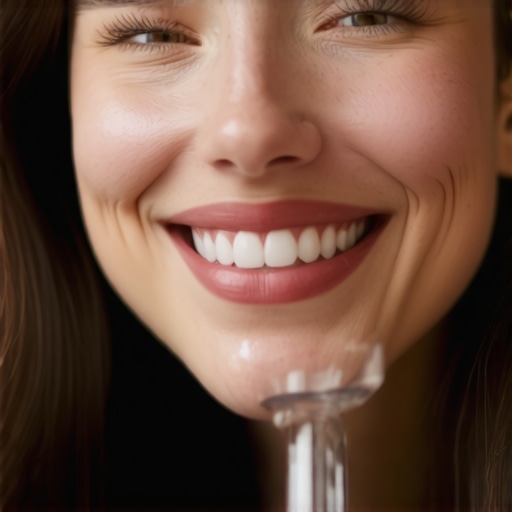
I’ll never forget the evening I caught my reflection in the hallway mirror after a three-course dinner party. I had spent the night laughing, sipping a gorgeous vintage Syrah, and generally feeling like the life of the party—until I saw my teeth. They weren’t just stained; they were a haunting shade of bruised eggplant. In a panic, I ran to the bathroom and scrubbed my teeth with the fury of a person trying to remove rust from a vintage truck. That was my first big mistake. It turns out, that frantic scrubbing did more damage to my enamel than the wine ever could. I’ve spent years figuring out how to balance my love for a full-bodied red with my desire for a bright, healthy-looking smile. You don’t have to choose between a dry Malbec and a confident grin, and you definitely don’t need to spend a fortune on treatments that leave your mouth feeling like it’s been through a chemical wash. Today, I’m showing you the exact routine I use to protect my smile while enjoying every sip without the regret.
Stop Scrubbing Your Enamel Away After Every Glass
The most painful lesson I learned is that wine is a double-whammy of acidity and pigment. When you drink, that acid temporarily softens your tooth surface. If you go in with a toothbrush immediately, you’re basically sanding down your protective layer. It’s a common trap many of us fall into, and it’s one of the primary reasons why hard brushing actually makes your teeth look darker over time as the yellowish dentin underneath starts to peek through. I used to think I was being proactive, but I was really just speeding up the staining process. Instead, you need to think about preventing stains on your front teeth before that first sip even hits your lips. By focusing on hydration and timing, you can enjoy your evening without the purple-tooth hangover. According to the American Dental Association, the pH level of wine is enough to cause significant erosion if not managed, but drinking water alongside your glass can help neutralize those acids and wash away the tannins before they have a chance to settle in.
Is It Really Possible To Stay Bright Without Giving Up the Grapes?
I get it. You’ve tried the whitening strips that make your teeth zing with sensitivity, or maybe you’ve looked into keeping your smile white without expensive kits and felt a little skeptical. It feels like a losing battle when you’re fighting against something as dark as a Cabernet. But the secret isn’t in some miracle product; it’s in a few clever habits and getting expert advice on teeth cleaning that actually accounts for your lifestyle. I’ve found that a few simple shifts—like what you eat with your wine—can make a massive difference. Have you ever felt like you had to hide your smile after just one glass of wine? I’ve been there, and I’m telling you, there is a better way that doesn’t involve quitting your favorite hobby.
Flush Your Mouth Every Three Sips
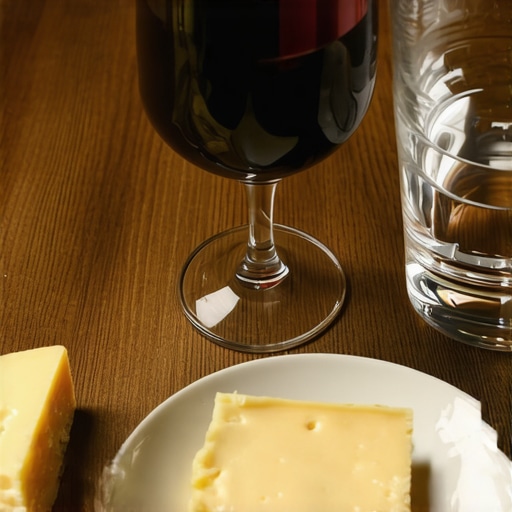
Tannins are essentially the glue of the wine world. They love to bind to proteins, and unfortunately, your teeth are covered in a thin protein film called the pellicle. Think of it like this: if you pour ink on a wet sponge, it spreads; if you pour it on a sponge already saturated with clear water, it has a much harder time sinking in. This is why I always keep a glass of sparkling or still water handy. By alternating sips, you’re constantly rinsing away those pigments before they can latch onto your enamel. It’s a simple oral health routine that makes a massive difference by the end of the night. Every sip of water helps dilute the acidity and physically washes the staining agents off the surface of your teeth before they can settle into the microscopic pores of your enamel.
Use Hard Cheese as a Protective Barrier
There is a scientific reason why wine and cheese are such a classic pairing, and it’s not just about the flavor. Hard cheeses like Manchego or aged Cheddar are rich in calcium and fats that create a temporary waxy coating over your teeth. This barrier acts like a raincoat, letting the wine slide off rather than soaking in. I remember being at a wedding once where the red wine was exceptionally ‘stainy’—the kind that turns your lips purple instantly. I spent most of the cocktail hour hovering near the charcuterie board, making sure I had a bit of cheese before every glass. While my friends were checking their reflections in their phone screens every five minutes, my smile stayed clear. This is one of those teeth cleaning secrets that feels like a cheat code because you’re actually enjoying your food while protecting your enamel.
Remove Plaque Before You Start Pouring
Wine doesn’t just stain your teeth; it stains the ‘fuzz’ on your teeth. Plaque is incredibly porous and acts like a magnet for red wine pigments. If you haven’t brushed in several hours, you have a sticky layer of bacteria waiting to soak up every drop of Malbec. One of the best things you can do is perform a thorough cleaning about an hour before you head out. When your teeth are smooth and polished, there’s nothing for the tannins to grab onto. I used to think that brushing right before a glass of wine would make the wine taste like mint—which it does—but I’ve learned to time it better. If you brush about 45 minutes before that first glass, you strip away the ‘sticky’ film without the lingering menthol flavor ruining your palate. However, make sure you’re using a soft brush; why your dentist wants you to stop using hard bristles is largely about avoiding the micro-scratches that actually trap more stains over time. A smooth, healthy surface is your first line of defense.
Mind Your Crowns and Fillings
If you have dental work, you have to be even more vigilant. While modern porcelain is quite resistant to discoloration, the junction where the crown meets your natural tooth can be a weak spot for staining. I’ve seen how easily those edges can darken, which is why learning how to keep your porcelain crown from staining is vital for long-term aesthetics. The same rules apply: keep the area clean and hydrated. If you notice that your dental work is picking up color faster than your natural teeth, it might be a sign that the surface has become slightly roughened. This is a common topic in family dentistry focus sessions, as maintaining the integrity of restorations requires a different approach than just scrubbing harder. Understanding the impact of regular teeth cleaning on these specific materials will ensure your smile stays uniform in color, regardless of what’s in your glass. By keeping these boundaries smooth and polished through expert advice on crowns and teeth cleaning, you prevent the ‘halo effect’ where the edge of your restoration looks significantly darker than the rest.
Stop Chasing That Neon-White Glow
One of the biggest misconceptions I see is the idea that ‘white’ is synonymous with ‘healthy.’ In reality, some of the strongest teeth have a natural, slightly off-white or ivory hue. I’ve seen people go to extremes with abrasive charcoal pastes or high-concentration peroxides, only to realize they’ve accidentally caused permanent damage. When you over-whiten, you risk thinning your enamel to the point of transparency. This is the real reason some teeth are naturally yellower than others despite care; the yellow dentin underneath starts to show through the thinned protective layer. If you’re in this boat, you need to pivot your strategy and look into the best way to whiten teeth if you have thin enamel without further compromising your structure. True oral health is about the integrity of the surface, not just the brightness of the shade.
Why Does Your New Crown Feel Odd When You Breathe In?
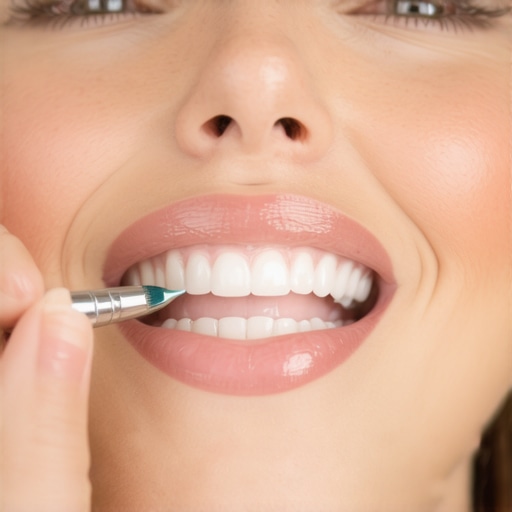
It’s a question I get all the time from friends who have recently invested in their smiles. You get a beautiful restoration, but then you notice a strange sensation when you inhale cold air or sip a chilled drink. Many panic and think the procedure failed, but why your new crown feels cold when you breathe in often comes down to temporary nerve inflammation or the conductivity of the material. It’s a nuance that many general guides skip over. This is where expert advice on crowns and teeth cleaning becomes vital; you need to know how to distinguish between normal adjustment periods and a seal that has actually failed. A study published in the Journal of Esthetic and Restorative Dentistry highlights that the bonding process for modern restorations is incredibly precise, and even a microscopic gap can lead to this sensitivity. If the feeling persists, it’s time to look into maintaining your dental crowns with a focus on seal integrity rather than just surface shine.
Keep Your Restorations From Smelling Like Last Week’s Lunch
Here is the ‘oops’ factor no one likes to talk about: the smell. If you have a bridge or a crown, it is remarkably easy for microscopic food particles to become trapped in the tiny crevices where the prosthetic meets the gum line. If your hygiene routine isn’t tailored specifically for these restorations, bacteria will flourish. Learning how to stop your crown from smelling like old food isn’t just about social confidence; it’s a direct indicator of your periodontal health. This is a common trap in family dentistry focus: treating a crown like a natural tooth and forgetting it has unique needs. You must use specific flossing techniques or interdental brushes to clear that ‘hidden’ plaque. Without this attention to detail, the impact of regular teeth cleaning is halved, and you risk losing the very tooth the crown was meant to save. Have you ever fallen into this trap of neglecting the ‘junction’ of your dental work? Let me know in the comments.
Look Closer at the Family Dynamic
In a household setting, we often assume everyone’s teeth should look the same, but that is a mistake that leads to unnecessary anxiety. For instance, many parents panic when they see their child’s permanent incisors coming in. They look startlingly yellow compared to the surrounding baby teeth. However, why your child’s new adult teeth look yellow is actually a biological norm; permanent teeth naturally have more dentin and a larger pulp chamber. It’s a nuance of oral health tips every family should follow: stop comparing apples to oranges. By understanding these growth stages and prioritizing oral health routine strengthening for each specific age group, you can maintain a high standard of care without the stress of chasing a ‘perfect’ look that might actually be unhealthy. If you have more questions about your specific dental work, don’t hesitate to contact us for a tailored consultation.
Upgrade Your Gear Without Breaking the Bank
After years of trial and error, I’ve realized that the tools in your bathroom cabinet are just as important as the professional visits. I used to think a manual brush was ‘good enough,’ but the data suggests otherwise. According to a landmark study by the Cochrane Database of Systematic Reviews, people who use an electric toothbrush see an 11% reduction in plaque at one month and a 21% reduction at three months compared to manual brushing. I personally use a sonic-powered brush with a built-in pressure sensor. This isn’t just a gimmick; it’s a safeguard. When you’ve been enjoying a glass of red, your enamel is vulnerable. If I press too hard, the brush flashes red, forcing me to back off before I do damage. This is a vital part of my oral health routine strengthening efforts, ensuring I’m cleaning efficiently without the ‘abrasion’ I mentioned earlier.
Why I Switched to a High-Pressure Water Flosser
For anyone with dental work, standard floss can sometimes feel like trying to clean a narrow alleyway with a piece of string. I’ve found that a water flosser is a total game-changer for caring for crowns. It reaches the tiny gaps between the crown and the gum line that manual flossing often misses. I’ve seen first-hand how much food debris—and red wine residue—it can flush out even after I thought I was clean. If you’ve ever worried about the role of crowns in your overall look, remember that they only stay beautiful if the gum health around them is pristine. By using the ‘massage’ setting on my flosser, I’m not just cleaning; I’m stimulating blood flow to the gums, which prevents the receding edges that can make a crown look artificial. 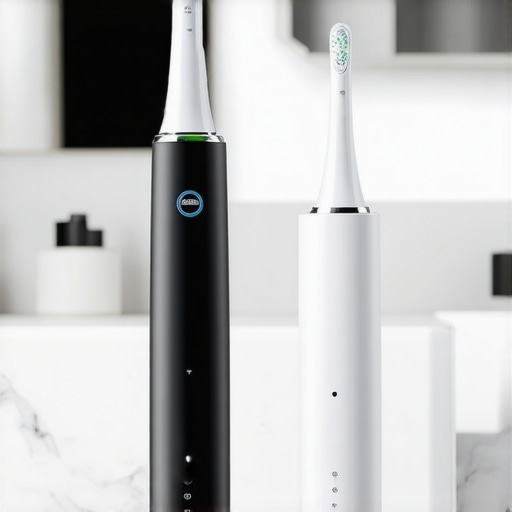
How do I maintain my dental restorations over time?
Maintaining your smile is less about big, expensive procedures and more about the ‘maintenance dos and don’ts’ you follow daily. I always stick to a strict list of maintaining your dental crowns, which includes avoiding ‘ice-crunching’ habits and using a non-abrasive whitening toothpaste that doesn’t rely on harsh silicas. I also recommend checking in with family dentistry focus specialists who can perform a bite-alignment check. Sometimes, as we age, our bite shifts slightly, and that wine-stained crown might be taking more force than it was designed for. Regular professional oversight ensures that the impact of regular teeth cleaning lasts years rather than months.
Watch for the Rise of Smart Oral Bio-Sensing
Looking ahead, the trend is moving toward ‘bio-sensing’ toothbrushes that can actually analyze the chemical composition of your saliva. Imagine a brush that tells you if your mouth is too acidic after that glass of Pinot Noir! In the next five years, I predict we will see app-integrated tools that give us real-time feedback on mineral loss. This will take the guesswork out of teeth cleaning secrets and turn our daily routines into a personalized science experiment. Until then, my best advice is to embrace the tech we have now. Start by setting a literal timer for two minutes tonight; most of us stop at 45 seconds without realizing it. Give your smile the full two minutes it deserves.I’ll never forget the evening I caught my reflection in the hallway mirror after a three-course dinner party. I had spent the night laughing, sipping a gorgeous vintage Syrah, and generally feeling like the life of the party—until I saw my teeth. They weren’t just stained; they were a haunting shade of bruised eggplant. In a panic, I ran to the bathroom and scrubbed my teeth with the fury of a person trying to remove rust from a vintage truck. That was my first big mistake. It turns out, that frantic scrubbing did more damage to my enamel than the wine ever could. I’ve spent years figuring out how to balance my love for a full-bodied red with my desire for a bright, healthy-looking smile. You don’t have to choose between a dry Malbec and a confident grin, and you definitely don’t need to spend a fortune on treatments that leave your mouth feeling like it’s been through a chemical wash. Today, I’m showing you the exact routine I use to protect my smile while enjoying every sip without the regret.
Stop Scrubbing Your Enamel Away After Every Glass
The most painful lesson I learned is that wine is a double-whammy of acidity and pigment. When you drink, that acid temporarily softens your tooth surface. If you go in with a toothbrush immediately, you’re basically sanding down your protective layer. It’s a common trap many of us fall into, and it’s one of the primary reasons why hard brushing actually makes your teeth look darker over time as the yellowish dentin underneath starts to peek through. I used to think I was being proactive, but I was really just speeding up the staining process. Instead, you need to think about preventing stains on your front teeth before that first sip even hits your lips. By focusing on hydration and timing, you can enjoy your evening without the purple-tooth hangover. According to the American Dental Association, the pH level of wine is enough to cause significant erosion if not managed, but drinking water alongside your glass can help neutralize those acids and wash away the tannins before they have a chance to settle in.
Is It Really Possible To Stay Bright Without Giving Up the Grapes?
I get it. You’ve tried the whitening strips that make your teeth zing with sensitivity, or maybe you’ve looked into keeping your smile white without expensive kits and felt a little skeptical. It feels like a losing battle when you’re fighting against something as dark as a Cabernet. But the secret isn’t in some miracle product; it’s in a few clever habits and getting expert advice on teeth cleaning that actually accounts for your lifestyle. I’ve found that a few simple shifts—like what you eat with your wine—can make a massive difference. Have you ever felt like you had to hide your smile after just one glass of wine? I’ve been there, and I’m telling you, there is a better way that doesn’t involve quitting your favorite hobby.
Flush Your Mouth Every Three Sips
Tannins are essentially the glue of the wine world. They love to bind to proteins, and unfortunately, your teeth are covered in a thin protein film called the pellicle. Think of it like this: if you pour ink on a wet sponge, it spreads; if you pour it on a sponge already saturated with clear water, it has a much harder time sinking in. This is why I always keep a glass of sparkling or still water handy. By alternating sips, you’re constantly rinsing away those pigments before they can latch onto your enamel. It’s a simple oral health routine that makes a massive difference by the end of the night. Every sip of water helps dilute the acidity and physically washes the staining agents off the surface of your teeth before they can settle into the microscopic pores of your enamel.
Use Hard Cheese as a Protective Barrier
There is a scientific reason why wine and cheese are such a classic pairing, and it’s not just about the flavor. Hard cheeses like Manchego or aged Cheddar are rich in calcium and fats that create a temporary waxy coating over your teeth. This barrier acts like a raincoat, letting the wine slide off rather than soaking in. I remember being at a wedding once where the red wine was exceptionally ‘stainy’—the kind that turns your lips purple instantly. I spent most of the cocktail hour hovering near the charcuterie board, making sure I had a bit of cheese before every glass. While my friends were checking their reflections in their phone screens every five minutes, my smile stayed clear. This is one of those teeth cleaning secrets that feels like a cheat code because you’re actually enjoying your food while protecting your enamel.
Remove Plaque Before You Start Pouring
Wine doesn’t just stain your teeth; it stains the ‘fuzz’ on your teeth. Plaque is incredibly porous and acts like a magnet for red wine pigments. If you haven’t brushed in several hours, you have a sticky layer of bacteria waiting to soak up every drop of Malbec. One of the best things you can do is perform a thorough cleaning about an hour before you head out. When your teeth are smooth and polished, there’s nothing for the tannins to grab onto. I used to think that brushing right before a glass of wine would make the wine taste like mint—which it does—but I’ve learned to time it better. If you brush about 45 minutes before that first glass, you strip away the ‘sticky’ film without the lingering menthol flavor ruining your palate. However, make sure you’re using a soft brush; why your dentist wants you to stop using hard bristles is largely about avoiding the micro-scratches that actually trap more stains over time. A smooth, healthy surface is your first line of defense.
Mind Your Crowns and Fillings
If you have dental work, you have to be even more vigilant. While modern porcelain is quite resistant to discoloration, the junction where the crown meets your natural tooth can be a weak spot for staining. I’ve seen how easily those edges can darken, which is why learning how to keep your porcelain crown from staining is vital for long-term aesthetics. The same rules apply: keep the area clean and hydrated. If you notice that your dental work is picking up color faster than your natural teeth, it might be a sign that the surface has become slightly roughened. This is a common topic in family dentistry focus sessions, as maintaining the integrity of restorations requires a different approach than just scrubbing harder. Understanding the impact of regular teeth cleaning on these specific materials will ensure your smile stays uniform in color, regardless of what’s in your glass. By keeping these boundaries smooth and polished through expert advice on crowns and teeth cleaning, you prevent the ‘halo effect’ where the edge of your restoration looks significantly darker than the rest.
Stop Chasing That Neon-White Glow
One of the biggest misconceptions I see is the idea that ‘white’ is synonymous with ‘healthy.’ In reality, some of the strongest teeth have a natural, slightly off-white or ivory hue. I’ve seen people go to extremes with abrasive charcoal pastes or high-concentration peroxides, only to realize they’ve accidentally caused permanent damage. When you over-whiten, you risk thinning your enamel to the point of transparency. This is the real reason some teeth are naturally yellower than others despite care; the yellow dentin underneath starts to show through the thinned protective layer. If you’re in this boat, you need to pivot your strategy and look into the best way to whiten teeth if you have thin enamel without further compromising your structure. True oral health is about the integrity of the surface, not just the brightness of the shade.
Why Does Your New Crown Feel Odd When You Breathe In?
It’s a question I get all the time from friends who have recently invested in their smiles. You get a beautiful restoration, but then you notice a strange sensation when you inhale cold air or sip a chilled drink. Many panic and think the procedure failed, but why your new crown feels cold when you breathe in often comes down to temporary nerve inflammation or the conductivity of the material. It’s a nuance that many general guides skip over. This is where expert advice on crowns and teeth cleaning becomes vital; you need to know how to distinguish between normal adjustment periods and a seal that has actually failed. A study published in the Journal of Esthetic and Restorative Dentistry highlights that the bonding process for modern restorations is incredibly precise, and even a microscopic gap can lead to this sensitivity. If the feeling persists, it’s time to look into maintaining your dental crowns with a focus on seal integrity rather than just surface shine.
Keep Your Restorations From Smelling Like Last Week’s Lunch
Here is the ‘oops’ factor no one likes to talk about: the smell. If you have a bridge or a crown, it is remarkably easy for microscopic food particles to become trapped in the tiny crevices where the prosthetic meets the gum line. If your hygiene routine isn’t tailored specifically for these restorations, bacteria will flourish. Learning how to stop your crown from smelling like old food isn’t just about social confidence; it’s a direct indicator of your periodontal health. This is a common trap in family dentistry focus: treating a crown like a natural tooth and forgetting it has unique needs. You must use specific flossing techniques or interdental brushes to clear that ‘hidden’ plaque. Without this attention to detail, the impact of regular teeth cleaning is halved, and you risk losing the very tooth the crown was meant to save. Have you ever fallen into this trap of neglecting the ‘junction’ of your dental work? Let me know in the comments.
Look Closer at the Family Dynamic
In a household setting, we often assume everyone’s teeth should look the same, but that is a mistake that leads to unnecessary anxiety. For instance, many parents panic when they see their child’s permanent incisors coming in. They look startlingly yellow compared to the surrounding baby teeth. However, why your child’s new adult teeth look yellow is actually a biological norm; permanent teeth naturally have more dentin and a larger pulp chamber. It’s a nuance of oral health tips every family should follow: stop comparing apples to oranges. By understanding these growth stages and prioritizing oral health routine strengthening for each specific age group, you can maintain a high standard of care without the stress of chasing a ‘perfect’ look that might actually be unhealthy. If you have more questions about your specific dental work, don’t hesitate to contact us for a tailored consultation.
Upgrade Your Gear Without Breaking the Bank
After years of trial and error, I’ve realized that the tools in your bathroom cabinet are just as important as the professional visits. I used to think a manual brush was ‘good enough,’ but the data suggests otherwise. According to a landmark study by the Cochrane Database of Systematic Reviews, people who use an electric toothbrush see an 11% reduction in plaque at one month and a 21% reduction at three months compared to manual brushing. I personally use a sonic-powered brush with a built-in pressure sensor. This isn’t just a gimmick; it’s a safeguard. When you’ve been enjoying a glass of red, your enamel is vulnerable. If I press too hard, the brush flashes red, forcing me to back off before I do damage. This is a vital part of my oral health routine strengthening efforts, ensuring I’m cleaning efficiently without the ‘abrasion’ I mentioned earlier.
Why I Switched to a High-Pressure Water Flosser
For anyone with dental work, standard floss can sometimes feel like trying to clean a narrow alleyway with a piece of string. I’ve found that a water flosser is a total game-changer for caring for crowns. It reaches the tiny gaps between the crown and the gum line that manual flossing often misses. I’ve seen first-hand how much food debris—and red wine residue—it can flush out even after I thought I was clean. If you’ve ever worried about the role of crowns in your overall look, remember that they only stay beautiful if the gum health around them is pristine. By using the ‘massage’ setting on my flosser, I’m not just cleaning; I’m stimulating blood flow to the gums, which prevents the receding edges that can make a crown look artificial.
How do I maintain my dental restorations over time?
Maintaining your smile is less about big, expensive procedures and more about the ‘maintenance dos and don’ts’ you follow daily. I always stick to a strict list of maintaining your dental crowns, which includes avoiding ‘ice-crunching’ habits and using a non-abrasive whitening toothpaste that doesn’t rely on harsh silicas. I also recommend checking in with family dentistry focus specialists who can perform a bite-alignment check. Sometimes, as we age, our bite shifts slightly, and that wine-stained crown might be taking more force than it was designed for. Regular professional oversight ensures that the impact of regular teeth cleaning lasts years rather than months.
Watch for the Rise of Smart Oral Bio-Sensing
Looking ahead, the trend is moving toward ‘bio-sensing’ toothbrushes that can actually analyze the chemical composition of your saliva. Imagine a brush that tells you if your mouth is too acidic after that glass of Pinot Noir! In the next five years, I predict we will see app-integrated tools that give us real-time feedback on mineral loss. This will take the guesswork out of teeth cleaning secrets and turn our daily routines into a personalized science experiment. Until then, my best advice is to embrace the tech we have now. Start by setting a literal timer for two minutes tonight; most of us stop at 45 seconds without realizing it. Give your smile the full two minutes it deserves.
The Hardest Lessons I Learned on My Path to a Better Smile
After years of experimenting, I’ve realized that the most expensive treatments are useless if your foundational habits are broken. The biggest ‘lightbulb moment’ for me was discovering that teeth cleaning secrets aren’t about intensity, but about consistency and chemistry. I also learned that natural yellowing isn’t always a sign of neglect; sometimes it’s just the reality of how our bodies age, and fighting it too hard with harsh chemicals can backfire. Lastly, I’ve seen that dental health is a team effort. Finding a provider that understands the family dentistry focus means your children won’t have to repeat the same mistakes you did.
My Essential Toolkit for Lasting Radiance
To maintain my results, I rely on a few specific tools every single day. First, a high-quality water flosser is non-negotiable for caring for crowns and bridges. I also use an alkaline mouth rinse to balance the pH levels in my mouth after acidic meals. Finally, I keep a log of my dental visits to ensure I never miss a professional cleaning. I trust these methods because they prioritize the biology of the mouth over temporary aesthetic fixes.
Take Control of Your Dental Journey Today
Your smile is an investment that pays dividends in confidence every time you laugh or share a glass of wine with friends. Don’t let the fear of staining or the confusion of complex routines stop you from enjoying life. By focusing on smart oral health practices and seeking professional guidance, you can maintain a grin that is both beautiful and resilient. It’s time to stop hiding and start smiling. Have you ever felt like you had to choose between your favorite drink and a bright smile? Let me know in the comments below!