
I remember sitting in that beige waiting room, palms sweating more than my six-year-old’s. The high-pitched whine of the drill started up behind the door, and I felt Leo’s hand tighten around mine until his knuckles turned white. I’d told him it was just a ‘spinning toothbrush.’ That was my first big mistake. When he realized I’d lied, the trust vanished instantly. It wasn’t just about a cavity anymore; it was about the betrayal of the person who was supposed to protect him. We ended up leaving that day without a single tooth touched, and I felt like a total failure at family dentistry. Since then, I’ve spent hours talking to experts and trial-and-erroring my way through pediatric dental anxiety. Today, I’m going to show you exactly how to rebuild that trust and help your child face the drill without the meltdown. We are going to move past the panic and get your child’s oral health routine back on track.
Stop Sugarcoating the Scary Parts
For a long time, I thought that minimizing the situation was the way to go. I’d say things like, ‘It won’t hurt a bit!’ or ‘It’s just a little noise.’ This is a trap. Kids are smarter than we give them credit for. When they hear that drill, they know something significant is happening. Instead of downplaying it, I started learning how to explain the dental drill to a nervous child using honesty and age-appropriate metaphors. According to the American Academy of Pediatric Dentistry (AAPD), about 20% of school-age children experience significant dental fear. You aren’t alone, and your child isn’t being ‘difficult’—they are having a physiological response to a perceived threat. I learned the hard way that if I don’t validate that fear, it only grows. Have you ever felt like you were losing the battle before you even got into the dentist’s chair? Let me know in the comments if you’ve dealt with a full-blown waiting room strike!
Will my kid ever actually sit still for this?
It’s the question that keeps us up at night before an appointment. We worry about the safety of the procedure and the potential for a lifetime of dental trauma. The truth is, many children can transition from terror to tolerance if we change our approach. We often focus so much on the appointment itself that we neglect the impact of regular teeth cleaning and positive exposure. If the only time they see the dentist is for a scary procedure, they’ll never feel safe. Building a foundation of trust starts with smaller wins, like mastering how to get your toddler to sit still during a dental exam before you ever move on to the more invasive stuff. We’re going to break down the exact steps to desensitize the experience, so the drill becomes just another tool, not a monster in the closet.
Turn Your Bathroom Into a Low-Stress Training Zone
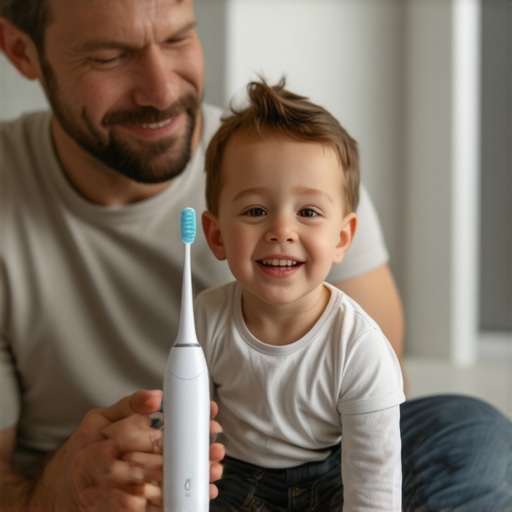
I started the rebuilding process right at the bathroom sink. If the high-pitched hum of the office was the trigger, I had to bring that sound into our safe space on our own terms. We began the process by learning how to transition your child to an electric toothbrush without a fight. At first, Leo wouldn’t even let me flick the switch. I didn’t push it. Instead, I let him hold the brush against his palm to feel the vibration—I called it the ‘Buzzy Bee’ tickle. Within a week, he was the one ‘driving’ the brush. This small win shifted the power dynamic; he was no longer a passive participant in his oral health routine, but the commander of the equipment.
Explain the Dental Drill Without Using Scary Words
When the conversation inevitably turns to the actual work, like a filling or a crown, clarity is your best friend, but the vocabulary you choose matters immensely. I’ve found that comparing a dental drill to a tiny, high-speed vacuum works wonders. I tell Leo that the dentist uses a ‘water-whistler’ to wash away the ‘sugar bugs’ that are trying to build houses in his teeth. If your child needs a restoration, don’t just say ‘you need a cap.’ Instead, focus on understanding the role of crowns in modern smile makeovers as a protective shield. I explain that a crown is like a custom-made helmet for a tooth that’s been injured, helping it stay strong so they can keep eating their favorite crunchy snacks without pain.
Reclaim the Dental Chair With Low-Stakes Visits
One of the biggest mistakes I made early on was only taking Leo to the dentist when there was a problem. This created a negative association that was hard to break. To fix this, we scheduled what I call ‘no-poke’ visits. We went in specifically for a professional prophy cleaning because it is a low-stakes procedure. I made sure he knew ahead of time: ‘Today is just about making your teeth shiny; no one is doing any fixing today.’ This helped him master how to get your toddler to sit still during a dental exam by removing the fear of the unknown. When he realized he could leave the office without feeling pain, the wall of anxiety began to crumble. This consistency reinforces the impact of regular teeth cleaning as a positive, healthy habit rather than a punishment.
Teach the Why Behind the Tooth Helmet
If the dental work involves more than a simple cleaning, such as a pediatric crown, the education doesn’t stop once the appointment is over. I had to sit down and walk Leo through caring for crowns: essential tips for longevity and shine. He originally thought that once the ‘helmet’ was on, that tooth was invincible and didn’t need brushing. I used the analogy of a knight in armor—even a knight has to wash his suit to keep it from getting rusty. By framing family dentistry as a team effort between the parent, the child, and the doctor, you remove the ‘us vs. them’ mentality that fuels so many waiting room meltdowns. We even looked at photos of why ceramic crowns are the best choice for your front teeth versus back molars, turning a scary medical necessity into a fun science lesson about how different materials keep our bodies safe.
Moving beyond just the visit itself, we need to talk about the ‘between times’—the 99% of your life spent away from the dentist’s chair. This is where most of us accidentally sabotage our progress by falling for marketing myths. I spent years buying the ‘organic’ and ‘natural’ labels, thinking I was protecting Leo, only to find out I was actually making his enamel more vulnerable. Let’s dig deeper into why common sense isn’t always good science in the world of family dentistry.
The Sticky Trap Even ‘Healthy’ Parents Fall For
Most parents think they are doing a great job by swapping out Snickers bars for organic fruit leathers or gummy vitamins. I was one of them. But here is the nuance that many people get wrong: bacteria do not care about ‘organic’ labels; they care about how long the sugar stays glued to the tooth surface. In my experience, a piece of chocolate that melts quickly and washes away is often safer for the enamel than a ‘healthy’ fruit snack that stays lodged in the grooves for hours. A study published in the Journal of Dentistry found that the physical form of carbohydrates—specifically stickiness—is more predictive of caries development than the total amount of sugar consumed. When you’re looking for oral health tips every family should follow in 2025, prioritize frequency and texture over the ‘source’ of the sugar. This is a classic example of why fruit snacks are often worse for kids than chocolate bars. Have you ever fallen into this trap? Let me know in the comments!
Why Your Natural Toothpaste Might Be Doing More Harm Than Good
There is a growing trend toward fluoride-free, ‘natural’ toothpastes. While the intention to reduce chemicals is noble, it often ignores the physiological reality of remineralization. Without fluoride, or a proven alternative like hydroxyapatite, your child’s teeth lose their primary defense mechanism against acid attacks. I’ve seen parents diligently brush their kids’ teeth twice a day, only to be shocked by three cavities at the next check-up because their toothpaste lacked the necessary minerals to repair microscopic wear. This is a significant risk factor, especially for developing permanent teeth. Understanding why natural toothpastes without fluoride might be a risk for your kids is crucial for long-term health. If you are worried about fluoride, talk to your dentist about expert advice on crowns and teeth cleaning for lasting results rather than cutting out essential minerals entirely.
Does a crown actually make a tooth invincible?
If you think a pediatric crown is a ‘set it and forget it’ solution, you are falling into a dangerous trap. I used to think that once Leo’s tooth was capped, it was essentially bulletproof. The reality is far more complex. The crown itself won’t decay, but the margin—the tiny seam where the crown meets your natural tooth—is the most vulnerable spot in the entire mouth. If that margin isn’t kept meticulously clean with a proper oral health routine, bacteria can seep underneath. This is called ‘recurrent decay,’ and it’s the silent killer of dental restorations. You must learn how to tell if your dental crown has a small leak before it turns into a major infection. This hidden nuance is why we emphasize caring for crowns: essential tips for longevity and shine. It isn’t just about the aesthetics; it is about protecting the structural integrity of the tooth underneath from becoming a hidden hotspot for bacteria.
Stop Guessing and Start Using Tools That Actually Clean
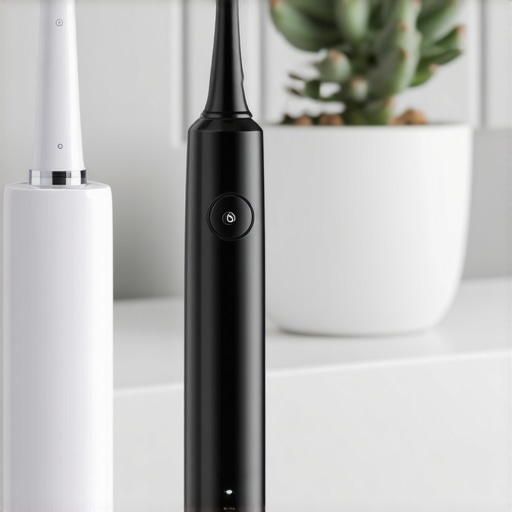
Once I understood that the margin of a crown was the ‘weakest link’ in Leo’s mouth, I went on a mission to find the best home equipment. I used to think a regular toothbrush was fine, but I was wrong. I’ve personally transitioned the whole house to sonic technology. My specific choice is a brush that offers at least 30,000 vibrations per minute. Why? Because it creates ‘non-contact’ cleaning through fluid dynamics, pushing bubbles into those tight spaces between teeth. According to a landmark study by the Cochrane Library, electric toothbrushes provide a 21% reduction in plaque compared to manual ones after just three months. This isn’t just a luxury; it’s a foundational part of our oral health routine. If you’re still using a manual brush, you’re essentially fighting a high-tech war with a wooden stick.
The One Tool That Saved My Son’s Crowns
If there is one thing I’ve learned about expert advice on crowns and teeth cleaning for lasting results, it’s that traditional flossing is often the first thing kids (and tired parents) skip. To fix this, I introduced a countertop water flosser. It was a game-changer for Leo. Instead of the ‘sawing’ motion of string floss which can sometimes irritate the gums, the pressurized water gently flushes out debris from the crown margins. It makes maintaining your dental crowns almost effortless. We also saw a massive decrease in ‘pink in the sink’ during his teeth cleaning secrets routine. In the next five years, I expect we’ll see more bio-sensing toothbrushes that can actually analyze your saliva for acidity levels in real-time—essentially a laboratory in your bathroom.
How can I make these dental results last for a decade or more?
Maintenance isn’t a sprint; it’s a marathon. You have to think about the mechanical stresses you put on your teeth every night. I noticed I was waking up with a sore jaw, which meant I was likely grinding—a nightmare for anyone with expensive dental work. I started using a custom-fitted guard and found that how a simple night guard can save you thousands in future dental work is not an exaggeration. It protects the porcelain from fracturing and keeps the underlying teeth stable. When you combine this with the impact of regular teeth cleaning every six months, you’re creating a ‘shield’ for your investment. Don’t wait for a chip or a leak to take action; proactive care is always cheaper than reactive surgery. My challenge to you this week: swap one manual tool for an electric version and see the difference in your next check-up.
The Moment Everything Finally Clicked for Us
I realized that my own anxiety was the biggest trigger for Leo. If I walked into the office expecting a fight, he gave me one. Once I shifted to treating the dentist as a teammate in our family dentistry journey, his posture changed. Also, I learned that ‘perfect’ is the enemy of ‘done.’ Even a mediocre brush session is better than a skipped one during a meltdown. Most importantly, I stopped lying about the sensations; telling him he’d feel a ‘pinch’ instead of ‘nothing’ rebuilt the bridge of trust I’d accidentally burned.
What We Use to Keep the Sugar Bugs Away
For parents looking for a head start, I swear by the American Academy of Pediatric Dentistry’s parent portal for evidence-based advice. At home, we use a timer app that turns teeth cleaning secrets into a game rather than a chore. We also keep a ‘progress calendar’ where Leo gets a sticker for every night he uses his water flosser without being asked. If your child already has restorations, check out our guide on maintaining your dental crowns to ensure you’re using the right pressure and techniques to keep those margins clean.
#IMAGE_PLACE_HOLDER_E#
Raising a Child Who Isn’t Afraid of the Chair
You are doing a great job, even on the days when it feels like a battle at the bathroom sink. By focusing on a consistent oral health routine and choosing honesty over ‘white lies,’ you are building a foundation of trust that will last a lifetime. Whether you are dealing with your first cavity or looking for expert advice on crowns and teeth cleaning for lasting results, remember that every small win counts toward a future of confident smiles. Have you ever struggled with getting your child to be honest about their tooth pain? Let me know below.