I’ll never forget the first time I saw a bright, angry red bulge on my daughter’s gum line. I was convinced she’d somehow poked herself with a toy or, worse, developed a flash infection overnight. I spent three hours on a Saturday morning Googling every possible dental catastrophe before her pediatrician calmly told me, ‘It’s just a molar, honey.’ My heart stopped racing, but my curiosity didn’t. Why on earth did a normal milestone have to look so much like a medical emergency? Seeing your child in discomfort is hard enough, but when their mouth looks like a battlefield, it’s natural to feel out of your depth. I remember thinking I was failing because her gums were so vibrant and swollen. But here is the truth: that redness is just the body doing its job. Today, we’re going to peel back the curtain on why those gums turn crimson and exactly how you can tell the difference between ‘growing pains’ and a real problem. By the time you finish reading, you’ll know exactly what to look for and when to simply reach for a chilled washcloth.
Stop Stressing Over the Swelling and Redness
When a tooth is preparing to make its grand entrance, it doesn’t just slide through the gums like a hot knife through butter. It’s more of a slow-motion push. This pressure causes the surrounding tissue to become inflamed, which is why you see that localized redness. In my early days as a parent, I made the classic mistake of thinking I needed to ‘help’ the tooth break through by gently rubbing a metal spoon against the gum with a bit too much force. All I did was cause a tiny bit of bleeding and a lot of unnecessary tears. I learned the hard way that patience—and maybe a few how to soothe a teething baby techniques—is usually the best medicine. My focus on family dentistry focus has taught me that these red spots are actually a sign of healthy blood flow to the area. This blood flow is necessary for the erupting tooth to move. It’s essentially a construction zone in your baby’s mouth.
Could This Redness Actually Be a Dangerous Infection?
I know what you’re thinking: ‘But what if it’s an abscess or a cyst?’ It is a terrifying thought. While 99% of the time it is just a tooth, I’ve seen parents panic over eruption cysts—which are essentially dark or bluish-red bruises on the gum where the tooth is about to emerge. According to the American Dental Association (ADA), while these can look terrifying, they are typically harmless and resolve on their own once the tooth finally pops through the surface. However, if that redness is accompanied by a high fever or any visible pus, that’s when you need to pivot and call a professional. Most of the time, keeping up with a solid oral health routine even before the teeth arrive is the best way to keep things clean and prevent any secondary issues. Have you ever looked in your child’s mouth and felt that immediate ‘oh no’ gut reaction, only to realize later it was just a new tooth making its debut? I’d love to hear your ‘teething panic’ stories in the comments below. Let’s dive deeper into what else you might see during this phase that looks weird but is actually perfectly normal.
Effective Strategies to Handle the Teething Heat
When you notice that flare-up on your baby’s gum line, your immediate goal is to reduce the inflammation without introducing bacteria. Think of the gum tissue like a taut balloon; the tooth is the air inside trying to expand. To relieve the pressure, you need to provide a counter-force. Start by gently wiping the area with a clean, damp piece of gauze. This not only cleans away irritating saliva but also helps you establish a solid oral health routine from the very beginning. I found that doing this twice a day significantly reduced the ‘angry’ look of the gums during my son’s first molar breakthrough.
Master the Art of the Chilled Massage
Cold is your best friend when dealing with localized redness because it constricts the blood vessels and numbs the nerve endings temporarily. However, avoid anything frozen solid, which can cause ‘ice burn’ on delicate tissues. I once tried a frozen bagel—a tip from a neighbor—and it was a sticky, messy disaster that ended with my daughter gagging on a piece of dough. Instead, take a clean washcloth, dip one corner in water (or chamomile tea for its natural anti-inflammatory properties), and chill it in the refrigerator for twenty minutes. The texture of the cloth acts like a soft teeth cleaning tool while the cold provides immediate relief.
Protect the Surrounding Skin from Drool Rash
Excessive drool is the byproduct of all that gum activity, and it can make the redness look even worse if a rash develops on the chin. When the skin stays wet, it breaks down, making the whole mouth area look like a medical crisis. Use a barrier cream or a simple swipe of coconut oil on the chin to keep the moisture from sitting directly on the skin. Keeping the face dry helps you focus on what is happening inside the mouth. In our household, we used a rotating system of four bibs a day just to keep up. This attention to detail is a core part of a proactive family dentistry focus. 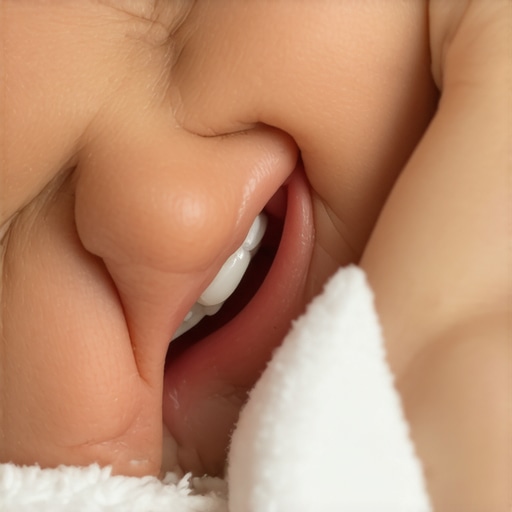
Know When the Redness Signals a Problem
While most redness is just a sign of an incoming tooth, you must be able to spot the outliers. An eruption cyst—a dark, bluish-red bubble—is common, but a true infection usually brings friends: pus, a foul odor, or a fever over 101 degrees. If the redness spreads significantly beyond the site of the emerging tooth, it is time to check in with a professional. Following oral health tips every family should follow in 2025 will help you stay ahead of these issues by knowing exactly what ‘baseline’ healthy gums look like for your specific child. Avoid sugary distractions or fruit-based teething biscuits, as why fruit snacks are often worse for kids than chocolate bars applies even to the youngest snackers; the sticky residue can aggravate the already sensitive gum tissue.Let’s dig deeper into the myths that often lead parents astray. For years, I believed the old wives’ tale that a high fever was a standard side effect of a new molar. In my experience, however, attributing a real fever to teething is one of the most dangerous ‘oops’ factors in early parenting. Everyone says the gums get hot because of the tooth, but science tells a different story. A landmark study published in the journal Pediatrics confirmed that while a slight elevation in temperature is common, a true fever (over 100.4°F) is almost never caused by teething alone. If you see a high number on the thermometer, don’t just blame the gums; look for other symptoms like an ear infection or a virus. This is a crucial distinction that helps you avoid missing a real medical issue while you’re waiting for a tooth to pop. 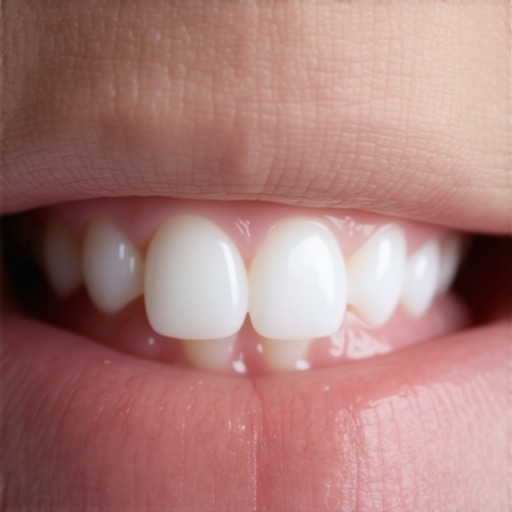
Why Do Some Teeth Come in Out of Order?
Many parents panic if the bottom incisors don’t show up first. While there is a ‘standard’ timeline, the sequence is far less important than the symmetry. If the left side has a tooth and the right doesn’t after six months, that’s when you should bring it up during a family dentistry focus checkup. This nuance is often missed because we are so focused on the ‘redness’ that we forget to look at the overall architecture of the mouth. Sometimes, a permanent tooth might even start peek-a-boo play too early, and you’ll need to know what to do when your child’s permanent tooth grows in behind a baby tooth. Maintaining an eagle eye on the order of eruption is an advanced way to stay proactive.
Skip the Medicated Gels to Protect Their Blood Oxygen
Another common trap involves those ‘soothing’ gels. I see so many well-meaning parents reaching for topical anesthetics the moment they see a red gum. The FDA has issued strong warnings against benzocaine for infants because it can lead to methemoglobinemia, a serious condition that reduces the amount of oxygen in the blood. Even ‘homeopathic’ tablets have faced recalls due to inconsistent levels of belladonna. Instead of risking a chemical reaction, stick to the basics found in oral health tips every family should follow in 2025. The safest route is always physical counter-pressure or cold, as detailed in my guide on how to soothe a teething baby without using medicated gels. This approach ensures you aren’t just masking a symptom with a potentially toxic substance. Finally, don’t let the ‘sticky’ feeling on new teeth fool you into thinking they are dirty. That film is often just excess saliva protein, but it can trap bacteria quickly. Establish a routine early using teeth cleaning secrets like using a soft finger brush before the first birthday. Have you ever fallen into the ‘teething fever’ trap or used a product you later regretted? Let me know in the comments below.
Once the dust settles and those first baby teeth are fully erupted, you’re not just a parent anymore; you’ve effectively become a dental maintenance technician. I realized early on that the transition from a simple silicone finger brush to a “real” toothbrush is where many families lose momentum. In my house, we treat the oral health routine like a high-stakes mission because the habits formed now dictate the dental bills of the future. I personally swear by the “two-minute timer” method, but not just any kitchen timer. We use smart-connected brushes that gamify the experience for the kids while giving me a data-driven look at where they are missing spots.
Authority in this space comes from understanding the micro-details. For instance, according to a landmark study published in the Journal of Clinical Periodontology, consistent interdental cleaning combined with mechanical brushing can reduce plaque levels by up to 40% more than brushing alone. Yet, so many of us skip the flossing or water-flossing step because it feels like a chore rather than a necessity. When you see those first signs of adult teeth or if you are managing your own restorative work, precision becomes your best friend.
How do I maintain my family’s oral health over time?
The secret isn’t just “brushing harder”; it’s about the specific tools you choose for the long haul. For the adults in the house, especially if you’ve invested in a family dentistry focus that includes restorative work, you need specialized care. I’ve learned that maintaining your dental crowns requires more than just a quick swipe. I avoid hard-bristled brushes like the plague—they’re basically sandpaper for your gums and the margins of your dental work. Instead, I use a high-end sonic brush with a pressure sensor. This isn’t just about being fancy; it’s about preserving the seal of those crowns so they don’t develop leaks or decay underneath, which is essential for maintaining your dental crowns dos and donts.
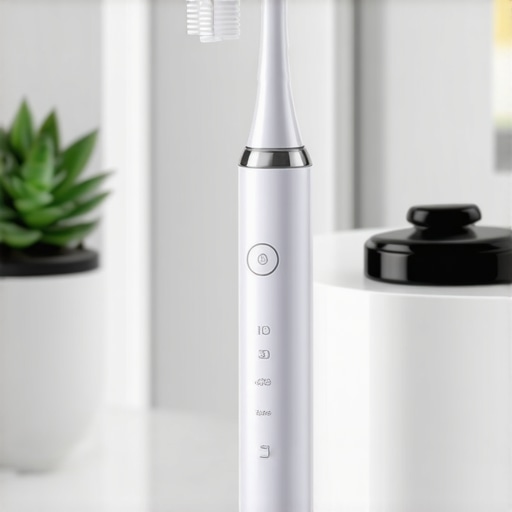
For my kids, I found that the move to electric was a total game-changer. If you’re struggling with a stubborn toddler, learning how to transition your child to an electric toothbrush without a fight is the best investment of your time you’ll ever make. I recommend the ones with a small, round oscillating head because they mimic the movements used during a professional prophy. As we look toward the future, I predict we’re going to see a massive shift toward AI-integrated oral cameras. Imagine being able to snap a high-resolution photo of a suspicious red spot or a potential cavity and have an app tell you if it’s an emergency before you even pick up the phone. It’s the ultimate evolution of the proactive oral health routine we’re all striving for.
In the meantime, don’t forget the power of the deep clean. While home care is vital, understanding why ultrasonic cleaning is faster and more comfortable than hand scaling helps take the fear out of those bi-annual visits. Professional intervention is the only way to reach the stubborn tartar that your sonic brush simply can’t touch. My advanced tip for you today? Start using a dedicated stainless steel tongue scraper every single morning. It’s a five-dollar tool that will change your breath and your taste buds forever by removing the biofilm that brushes often just smear around. Try it for one week and see if you can ever go back to life without it. If you have specific questions about gear, always seek out expert advice on crowns and teeth cleaning for lasting results to ensure your tools match your unique dental landscape.
The Proactive Habits That Actually Save Your Kids’ Enamel
Through years of trial and error, I’ve discovered that the biggest wins in family dentistry aren’t found in expensive treatments, but in the tiny details of your daily oral health routine. For example, did you know that rushing to the sink after a snack can actually do more harm than good? Learning why you should never brush your teeth immediately after eating citrus saved my daughter’s enamel from premature wear; we now wait at least 30 minutes to let the saliva neutralize the acids. Another “aha” moment was realizing that professional help is about more than just checking for cavities. Understanding the impact of regular teeth cleaning on overall oral wellness changed how I prioritize our six-month visits. It’s not just a cleaning; it’s a reset button for the entire body’s inflammatory response.
The Specialized Gear That Makes Brushing Less of a Battle
I’m a firm believer in using the right tool for the job. To keep our household’s smiles bright, I rely on a few specific items that go beyond the basic manual brush. First, the debate between tools is settled for us; reading up on the truth about manual vs electric toothbrushes for kids convinced me to make the switch to oscillating heads early on. The mechanical advantage and plaque removal efficiency are simply too high to ignore. My essential toolkit includes a high-quality stainless steel tongue scraper to remove biofilm, smart-connected toothbrushes that gamify the experience, and soft-bristled heads that protect the gums during a flare-up.
Step Into Your New Family Dental Routine
The redness you see today on your baby’s gums is just a temporary phase of growth, but the way you handle it sets the stage for a lifetime of health. By staying calm, using cold pressure instead of medicated gels, and focusing on a consistent oral health routine, you are teaching your child that their mouth is worth caring for. Don’t let the “teething panic” distract you from the bigger picture—building a healthy foundation that lasts until their adult teeth arrive. #IMAGE_PLACEHOLDER_E# Which part of the teething journey has been the most unexpected for your family so far? Let me know in the comments below!