
I remember the first time it happened. I woke up, stretched my jaw, and felt a tiny, sickening click against my tongue. My molar crown—the one I’d saved up for months to get—felt like it was floating. Panic set in. I spent the next twenty minutes in the bathroom mirror, obsessively poking it, convinced it was going to fall into my cereal bowl. Early on in my journey with family dentistry, I made the rookie mistake of thinking I could just bite down really hard and “reset” the crown myself. In reality, I was probably just making the underlying issue worse. If you’re feeling that weird morning wiggle, you aren’t alone, and it’s usually not a sign that your tooth is falling out—but it is a sign that your mouth is trying to tell you something important.
Stop Waking Up to That Wobbly Feeling
The reason your crown feels unstable specifically when you wake up is almost always linked to what’s happening while you’re dreaming. Most people don’t realize they are clenching their jaw with hundreds of pounds of pressure throughout the night. This constant micro-trauma can fatigue the dental cement or slightly inflame the periodontal ligament. When I first started researching maintaining your dental crowns, I was shocked to learn how much damage a stressful night’s sleep can do. If you’re experiencing this, you need to know how to handle a loose dental crown before you accidentally swallow it or damage the natural tooth underneath. Today, we’re going to get to the bottom of why that seal is failing and how you can wake up with a rock-solid smile again.
Is a slightly loose crown really a dental emergency?
It’s tempting to ignore a tiny bit of movement, especially if it seems to “tighten up” after you’ve been awake for an hour. But here is the realistic truth: a crown that moves is a crown that leaks. According to the American Dental Association, even microscopic gaps can allow bacteria to seep under the restoration, leading to decay that you can’t see or feel until it’s too late. I learned this the hard way when a “minor” loose feeling turned into a full-blown root canal because I waited too long. Whether you have ceramic crowns for your front teeth or a sturdy molar cap, the mechanics are the same. Have you ever felt that terrifying little wiggle when you’re brushing your teeth in the morning? Tell me in the comments, because catching it early is the difference between a simple rebonding and a total replacement. Often, how a simple night guard can save you from this entire ordeal is the best-kept secret in oral health. Let’s dive into the specific mechanics of why your bite might be the secret culprit.
Identify the wiggle before you panic
First, perform a gentle tactile test to determine the severity of the issue. Use your tongue or a clean finger to see if the movement is lateral (side-to-side) or vertical (lifting away from the gum). Understanding how to tell if your dental crown is cracked or just the cement helps you decide if you need a same-day emergency visit or if a temporary home fix will suffice. If the crown moves but stays seated, the adhesive seal is likely compromised. This is the most common reason dental crowns fall out, and catching it at the ‘click’ stage is much better than swallowing the restoration during dinner.
Why you should never reach for the superglue
If the crown actually detaches, do not panic. Most importantly, knowing why you should never use superglue to fix a broken dental bridge or crown is critical for your safety. Household glues contain toxic chemicals and can cause permanent damage to the natural tooth structure underneath. I once saw a patient who tried to use industrial adhesive to save a molar; the dentist had to perform an intensive grinding procedure just to remove the toxic residue, turning a simple rebonding into a complex replacement. Instead, keep the area clean and follow expert advice on crowns and teeth cleaning to ensure no bacteria gets trapped in the gap while you wait for a professional to see you.
The two-minute temporary home fix
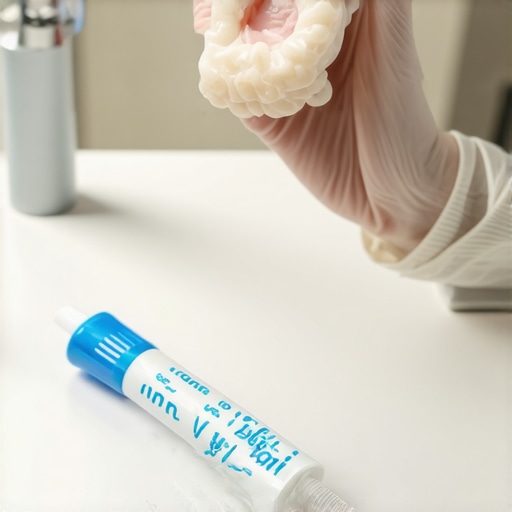
For a short-term solution, you can use a small dab of temporary dental cement or even a tiny amount of toothpaste from a drugstore kit. First, ensure the tooth and the inside of the crown are completely dry—moisture is the enemy of a good seal. It is like trying to put tape on a wet cardboard box; it simply won’t stick. Place a tiny amount of the temporary adhesive inside the crown and press it firmly over the tooth, biting down on a piece of gauze to ensure it is level. I once tried to do this in a rush without drying the tooth, and the crown slid around in my mouth like a hockey puck on ice. Taking that extra minute to dry the area is the difference between a secure fix and a choking hazard. While it is seated, you must still follow strict maintaining your dental crowns protocols, such as avoiding sticky candies that act like a vacuum on your dental work.
Why your night guard is the ultimate insurance policy
If your crown feels loose specifically in the morning, the mechanical force of grinding is the likely culprit. Think of your crown like a custom-fitted hat for your tooth; if you are constantly pulling and pushing on that hat with hundreds of pounds of pressure every night, the glue eventually turns to dust. Learning how a simple night guard can save you from recurring failures is the best way to protect your investment. The guard acts as a shock absorber, preventing the vibrations that shatter the dental cement. Furthermore, you should learn how to tell if your dental crown has a small leak, as nighttime pressure can force bacteria deep into the gaps created by a failing seal. When cleaning around the area, avoid the ‘sawing’ motion with floss. I learned the hard way that pulling floss straight up can pop a loose crown right off; instead, thread the floss through and pull it out sideways. This small adjustment is one of the most effective teeth cleaning secrets for anyone with restorative dental work.
I used to think that once a crown was seated, that tooth was basically invincible. It is a common misconception in family dentistry: we treat these restorations like they are made of titanium armor. But here is the nuance most people miss: the crown protects the visible top of your tooth, but it actually creates a new vulnerability at the ‘margin’—the tiny line where the porcelain meets your natural tooth. If you have ever thought, ‘I don’t need to floss this one as much because it is fake,’ you are falling for the most dangerous trap in oral health.
Why your crown isn’t a suit of armor
One of the biggest ‘oops’ factors I see is people neglecting the gum line of their new restoration. We often assume that because porcelain cannot decay, the tooth is safe. However, the root structure underneath is still very much alive and susceptible to bacteria. If you are not caring for crowns with the same—or even more—diligence as your natural teeth, you are asking for trouble. In fact, a study published in the Journal of Prosthetic Dentistry highlights that ‘marginal leakage’ is a primary cause of secondary caries. This means bacteria can sneak in through microscopic gaps. If you do not know how to tell if your dental crown has a small leak, you might be housing a cavity right under your expensive investment without even knowing it.
Can a tooth really decay under a solid-looking crown?
The short answer is a terrifying ‘yes.’ This is why the impact of regular teeth cleaning is so vital. A professional hygienist isn’t just cleaning the surface; they are checking that marginal seal. Most people believe that if a crown looks white and shiny, it’s healthy. But the real health is happening at the gum line. Have you ever noticed your gums turning a different color or feeling ‘itchy’ around a restoration? Have you ever fallen into this trap of thinking your crowned tooth was ‘finished’ and didn’t need maintenance? Let me know in the comments.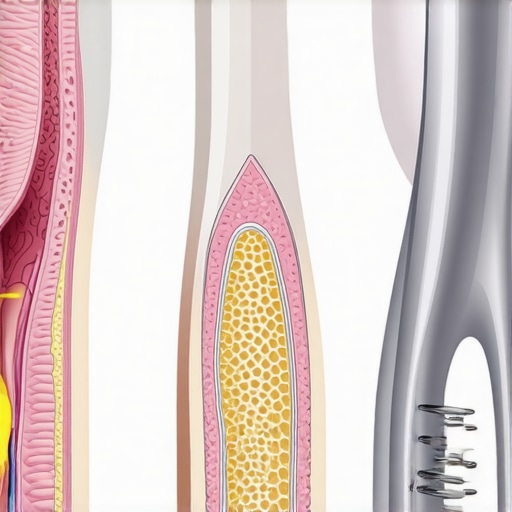
The ‘scrubbing’ trap that ruins your gums
Another nuance involves the way you clean. While you might want to scrub that porcelain to keep it bright, you must be careful. For instance, why you should never brush your teeth immediately after eating citrus applies double to crowned teeth. The acid softens your natural enamel at the margin, and aggressive scrubbing can lead to recession, exposing the ‘dark line’ or the root itself. I’ve seen patients who were ‘obsessive’ brushers end up needing replacements much sooner because they literally scrubbed their gums away from the crown. Understanding the truth about how long a porcelain crown actually lasts means realizing that longevity depends on your gum health, not just the strength of the ceramic. It’s a delicate balance of being thorough without being destructive.
The water flosser technique I swear by
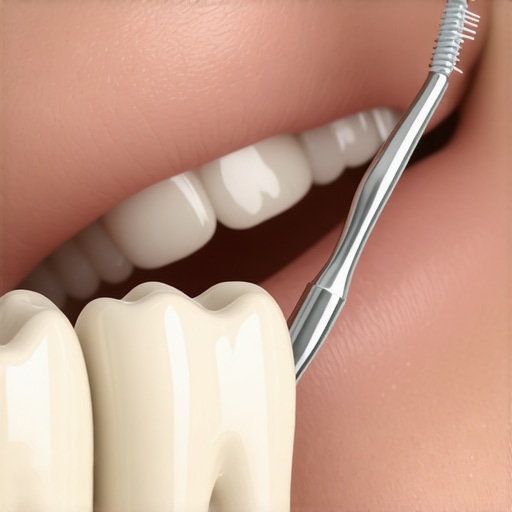
Once I realized that my molar crown wasn’t a set-it-and-forget-it shield, I upgraded my toolset. Many people buy a water flosser and just spray it aimlessly, but if you want to protect your investment, you need to target the ‘pockets’ where the crown meets the gum. I use a ‘Plaque Seeker’ tip, which has tiny tufts of bristles designed specifically for restorations. Instead of just blasting water, I trace the margin at a 45-degree angle. This is one of those teeth cleaning secrets that prevents the ‘marginal leakage’ I mentioned earlier. If you aren’t doing this, you’re leaving a microscopic buffet for bacteria right at the seam of your restoration.
Interdental brushes beat traditional string every time
I stopped relying solely on string floss for my crowned teeth years ago. Why? Because string often fails to contour to the unique shape of a crown’s base. I switched to TePe interdental brushes, which come in specific sizes. For my back molars, where I have zirconia crowns for back molars, a size 4 (yellow) fits perfectly. It physically scrubs the sides of the teeth in a way string simply can’t. If you’re serious about family dentistry and long-term health, you need to find the brush size that fits your gaps. This mechanical action is the only way to disrupt the biofilm that hardens into tartar.
How do I maintain my dental crowns for the long haul?
Maintenance is about consistency and the right chemistry. Beyond physical cleaning, I recommend using a high-fluoride toothpaste like PreviDent 5000 at night. You don’t rinse it out; you spit and let that extra fluoride sit on the margins to remineralize any exposed natural tooth. This is a core part of a professional oral health routine. According to Dr. Gordon Christensen of the Clinicians Report, the most common reason crowns fail is not the material breaking, but the tooth underneath decaying. By using a prescription-strength fluoride, you’re essentially ‘bulletproofing’ the most vulnerable part of your smile. This level of expert advice on crowns is what separates a 5-year crown from a 20-year one.
The future of crown care is digital
Looking ahead, I predict we will see a massive shift toward AI-integrated home scanners. Imagine a small attachment for your smartphone that can detect ‘leaks’ or early signs of recession before you even feel a ‘click’ in your bite. We are moving away from reactive dentistry toward a model where the impact of regular teeth cleaning is augmented by real-time data at home. This trend will make oral health tips for 2025 focus more on preventative technology than just manual brushing. If you want to stay ahead, ask your dentist about digital margin checks during your next gum therapy session or standard cleaning. My challenge to you: pick up a pack of interdental brushes this week and see how much more debris you find compared to your standard floss; the results will shock you.
What I Learned After My First Crown Failure
The biggest lightbulb moment in my personal journey was realizing that a dental crown is a second chance, not a permanent shield. If you feel that tiny morning wiggle, don’t view it as a failure of the work, but as a timely message from your body. I’ve learned that the ‘margin’—that tiny seam where the porcelain meets your gum—is the most important square millimeter in your mouth. Truly caring for crowns means obsessing over that seam more than the shiny surface. Catching a ‘click’ early is essentially a gift to your bank account; it’s the difference between a five-minute rebonding and a three-week replacement process.
#IMAGE_PLACEHOLDER_E#
My Daily Essentials for a Leak-Proof Smile
I don’t leave my dental health to chance anymore, and neither should you. My personal toolkit involves three non-negotiables that have kept my restorations solid for years. First, I swear by a dedicated oral health routine that includes interdental brushes rather than just string floss. Second, I always keep a high-quality night guard by my bedside to manage the pressure that causes these failures. Finally, I trust the data from regular check-ups—if you’re ever in doubt about a strange feeling in your jaw, you should contact us or your local specialist immediately to ensure that seal is still intact. These simple changes are how how crowns can transform your dental confidence from a source of anxiety into a reason to smile.
Don’t Let a Small Click Become a Big Regret
Taking control of your dental health is one of the most rewarding investments you can make. It might feel overwhelming to think about margins, seals, and night guards, but remember that every small habit you start today protects your smile for the next decade. Whether you are navigating your first restoration or maintaining a full set, you have the power to stop the wiggle before it starts. The future of your family dentistry success is built one brush at a time. Have you ever noticed a strange clicking sound while eating, or did your crown give you a morning surprise? Let me know your experience in the comments below!