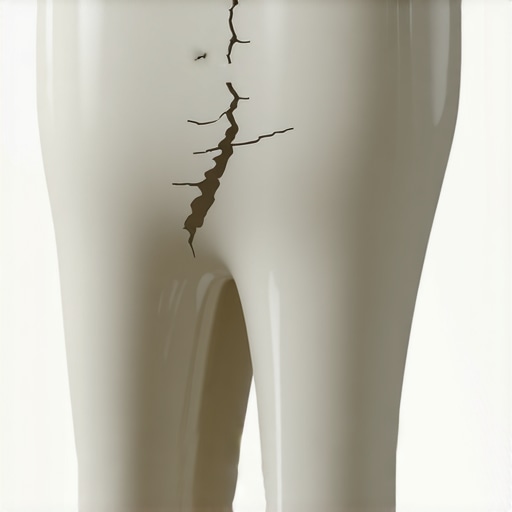
I was halfway through a bowl of popcorn—the dangerous kind with the half-popped kernels—when I heard a sound that didn’t belong in my mouth. It was a sharp, crystalline click. My heart sank instantly. I’ve always been proud of my commitment to family dentistry and keeping my own teeth in check, but that one sound threw me into a spiral of ‘what if’ scenarios. Was the porcelain shattered, or was the adhesive just tired after a decade of service?
My $1,500 Mistake of Waiting Too Long
When I first felt that crown shift, I ignored it because it didn’t throb. I thought I knew better. I figured as long as I wasn’t in agony, I could wait for my next regular teeth cleaning. That was a huge blunder. By the time I finally sat in the chair, bacteria had seeped under the loose edge. I want to save you from that. Today, we’re breaking down the physical cues—the smells, the tastes, and the ‘wiggle factor’—that differentiate a simple fix from a structural disaster. Have you ever felt your crown move just a fraction of a millimeter while eating?
Is this tiny wiggle actually worth the panic?
It’s easy to talk yourself out of a dental appointment when the symptoms are subtle. You think, ‘Maybe I’m just imagining it.’ But here is the reality: a study published in the Journal of Prosthetic Dentistry notes that ‘biological complications’ like recurrent decay are significantly more common when crown margins are compromised. If your cement is failing, your tooth is essentially an open door for decay. We’re going to figure out if you need to call your dentist today or if you can breathe until Monday.
The Suction Test and Other Secret Signals
One of the most reliable ways to tell if it’s just the cement involves what I call the ‘sticky test.’ If you’ve noticed your dental crown feels loose when you eat sticky candy, you’re likely dealing with a cement bond failure. A crack, on the other hand, usually brings a sharp, lightning-bolt pain when you release your bite. Understanding these expert tips on crowns can be the difference between a simple repair and a full extraction.
How to Handle a Loose Dental Crown Before You Can See the Dentist
First, you must stop the ‘tongue-testing.’ It is a natural reflex to wiggle a loose tooth with your tongue to gauge the movement, but with a crown, you are essentially pumping bacteria directly into the vulnerable stump. Think of your crown like a lid on a jar of preserves; once that seal is broken, the ‘spoiling’ begins. I remember a weekend in Tahoe where my back molar crown felt like a loose floorboard. Every time I breathed in cold air, it was like a tiny ice pick hitting my nerve because I had a small leak in the dental crown and didn’t realize it. If you are in this limbo, your first job is to minimize movement. If the crown is still attached but wobbly, avoid chewing on that side entirely until you can get professional help.
Don’t reach for the household adhesives
The absolute worst thing you can do—and I have seen this happen more often than you would think—is trying to DIY a permanent fix with industrial glue. Knowing the danger of using superglue to fix a broken dental crown is vital because those chemicals are toxic and can cause the living nerve inside your tooth to die. If the crown comes off completely, clean the inside of the crown gently with a toothbrush and use a tiny dab of pharmacy-grade temporary dental cement or even a bit of toothpaste as a makeshift adhesive. It is a temporary bridge to keep the tooth covered, not a permanent solution.
Identify if the seal is truly compromised
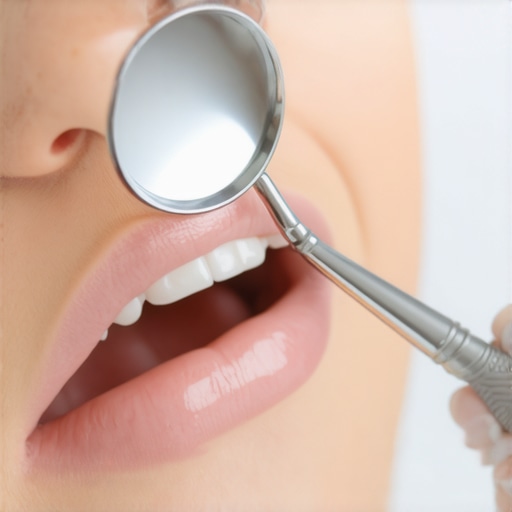
You need to know how to spot a failing bond before the crown pops off mid-meal. A tell-tale sign is a sour or metallic taste that seems to emanate from that specific tooth. This is often trapped bacteria or fermenting food particles that have found a home in the microscopic gap between the porcelain and your natural tooth. If you catch this early, a dentist can often just clean and recement it. During this waiting period, stick to the best foods to eat after you get a new dental crown—soft things like yogurt, mashed potatoes, or lukewarm soup. Avoid anything crunchy that could catch the edge of the porcelain and lever it off completely.
Why crowns fail and what you can do right now
The reality is that even the best dental work has a lifespan. Identifying the most common reason dental crowns fall out and how to fix it usually points back to two things: recurrent decay or the ‘washout’ of the cement. If your gums have receded, the margin of the crown is exposed to the elements. You can mitigate further damage by being extra diligent with your oral health routine. When I had my own ‘popcorn incident,’ I switched to a soft-bristled brush and focused on the gum line, ensuring no extra debris was being forced into the gap. This bought me enough time to get into the clinic without needing a full extraction or a root canal.
Keep the area clean without aggressive scrubbing
While you wait for your appointment, maintaining hygiene is a delicate balance. Use a salt water trick to calm gum inflammation around the loose crown. Gently swish warm salt water to kill bacteria without the physical pressure of a toothbrush hitting the loose margin. If you must brush the area, use a very soft touch and avoid flossing around that specific tooth, as the upward pull of the floss is often enough to dislodge a weakened crown entirely.
Let’s dig deeper into the nuances that most people—and even some general practitioners—often overlook. We are told from childhood that brushing harder is better, but this is a dangerous fallacy. In fact, many people who are hyper-vigilant about their oral health routine end up causing more damage through ‘over-zealous hygiene’ than those who are slightly more relaxed.
Why Your ‘Perfectly Clean’ Teeth Might Actually Be at Risk
The biggest myth I encounter is that a ‘squeaky clean’ feeling immediately after a meal is the ultimate goal. However, if you’ve just enjoyed an orange, a soda, or even a healthy salad with vinaigrette, picking up your brush is a mistake. A study in the British Dental Journal explains that acid temporarily softens the enamel, and brushing immediately afterward effectively ‘sands down’ your protective layer. This is why you should never brush your teeth immediately after eating citrus fruits. Waiting at least 30 to 60 minutes allows your saliva to neutralize the acidity and remineralize the surface. Have you ever fallen into this trap? Let me know in the comments.
Does the Material of Your Crown Change How You Clean It?
It absolutely does. Many patients assume all crowns are created equal, but choosing zirconia crowns for back molars introduces a different set of maintenance needs compared to traditional porcelain-fused-to-metal (PFM). Zirconia is incredibly tough, but it can be more abrasive on the opposing natural teeth if you have a grinding habit. Furthermore, while the crown itself won’t decay, the microscopic ‘shelf’ where the crown meets the gum is a magnet for plaque. If you use a water flosser, watch out: the common mistake you are making with your water flosser is using it at such a high pressure that it actually pushes debris under the gum line or detaches the delicate gingival seal from the crown margin.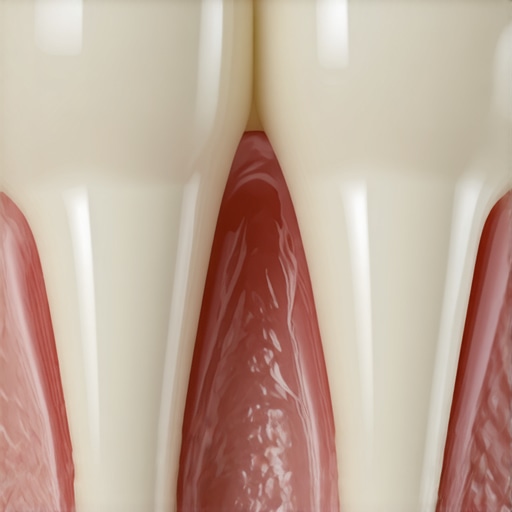
The Hidden Trap of Abrasive Whitening
Another ‘oops’ factor I see constantly in family dentistry involves the trend of charcoal-based products. While they promise a Hollywood smile, the truth about charcoal toothpaste and long-term enamel wear is sobering. These particles are far too abrasive for the margins of your dental work. Over time, they create micro-scratches in the porcelain, making it look dull and allowing stains to penetrate deeper than ever before. Following expert advice on crowns means moving away from ‘trendy’ abrasives and focusing on pH-balanced, low-RDA (Relative Dentin Abrasivity) pastes. I also suggest being wary of how you floss; pulling upward too sharply can catch the edge of an older crown. Instead, always pull the floss through the side to avoid any vertical leverage that might compromise a weakened cement bond. In a family setting, parents often make the mistake of assuming children’s crowns don’t need the same scrutiny as adult versions. A loose crown on a primary tooth can lead to infections that affect the adult tooth developing underneath. Truly maintaining your dental crowns requires a uniform standard of care across all ages.
Stop the Slow Decay Before It Starts
Once we move past the panic of a loose crown, the conversation shifts to longevity. I often tell my friends that the best way to avoid another expensive bill is to treat your dental work like a high-performance engine rather than a set-it-and-forget-it appliance. This means moving beyond the basics and looking at your oral health routine through the lens of precision. For me, that meant ditching the manual brush entirely. I switched to a sonic-powered brush specifically because the high-frequency vibrations create fluid dynamics that reach into the microscopic spaces where my crown meets the natural tooth. This is where caring for crowns becomes a game of millimeters.
The Specific Gear That Keeps My Smile Intact
I don’t just buy whatever is on sale; I select tools based on how they interact with my anatomy. I personally rely on interdental brushes—those tiny, tapered brushes—rather than traditional string floss for my crowned molars. Why? Because research from the American Academy of Periodontology indicates that mechanical plaque removal in the col area (the dip in the gum between teeth) is more effective with interdental brushes when space permits. I also keep a dedicated cleaner for my nocturnal habits. Since I grind my teeth, I use a night guard, and I’ve learned the hard way that cleaning a night guard correctly is non-negotiable to prevent fungal overgrowth that can irritate the gums surrounding a crown.
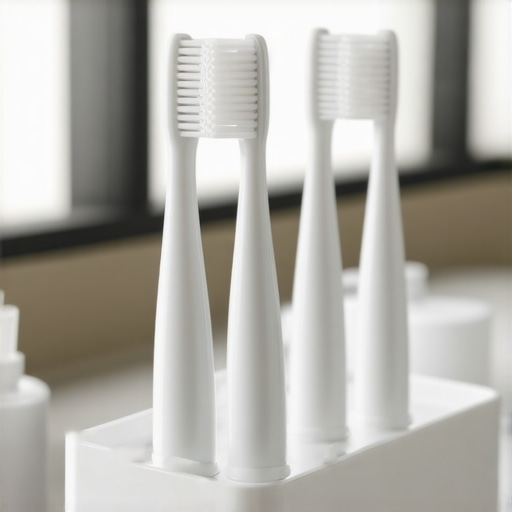
How do I maintain my dental work for decades instead of years?
Consistency is the boring answer, but the specific method is what truly matters. You need to identify your specific risk factors. If you have deep grooves, we often look at home practices for family dental health like using a pH-neutralizing mouthwash. If your mouth environment is too acidic, your cement can dissolve faster over time. I predict that in the next five years, we will see smart crowns equipped with micro-biosensors that alert your phone the second bacteria begins to seep under the margin. Until then, we rely on the human touch. Even with the best home care, there is no substitute for regular teeth cleaning to remove the calcified buildup that a brush simply cannot budge. In fact, knowing what a professional prophy cleaning removes helps you realize that your home tools are only half the battle. I challenge you to try one specific advanced tip this week: buy a pack of plaque-disclosing tablets. Chew one after you think you have finished brushing. It will stain the remaining biofilm bright purple, showing you exactly where your crown is vulnerable. It is a humbling but necessary reality check for anyone serious about their smile.
I was halfway through a bowl of popcorn—the dangerous kind with the half-popped kernels—when I heard a sound that didn’t belong in my mouth. It was a sharp, crystalline click. My heart sank instantly. I’ve always been proud of my commitment to family dentistry and keeping my own teeth in check, but that one sound threw me into a spiral of ‘what if’ scenarios. Was the porcelain shattered, or was the adhesive just tired after a decade of service?
My $1,500 Mistake of Waiting Too Long
When I first felt that crown shift, I ignored it because it didn’t throb. I thought I knew better. I figured as long as I wasn’t in agony, I could wait for my next regular teeth cleaning. That was a huge blunder. By the time I finally sat in the chair, bacteria had seeped under the loose edge. I want to save you from that. Today, we’re breaking down the physical cues—the smells, the tastes, and the ‘wiggle factor’—that differentiate a simple fix from a structural disaster. Have you ever felt your crown move just a fraction of a millimeter while eating?
Is this tiny wiggle actually worth the panic?
It’s easy to talk yourself out of a dental appointment when the symptoms are subtle. You think, ‘Maybe I’m just imagining it.’ But here is the reality: a study published in the Journal of Prosthetic Dentistry notes that ‘biological complications’ like recurrent decay are significantly more common when crown margins are compromised. If your cement is failing, your tooth is essentially an open door for decay. We’re going to figure out if you need to call your dentist today or if you can breathe until Monday.
The Suction Test and Other Secret Signals
One of the most reliable ways to tell if it’s just the cement involves what I call the ‘sticky test.’ If you’ve noticed your dental crown feels loose when you eat sticky candy, you’re likely dealing with a cement bond failure. A crack, on the other hand, usually brings a sharp, lightning-bolt pain when you release your bite. Understanding these expert tips on crowns can be the difference between a simple repair and a full extraction.
How to Handle a Loose Dental Crown Before You Can See the Dentist
First, you must stop the ‘tongue-testing.’ It is a natural reflex to wiggle a loose tooth with your tongue to gauge the movement, but with a crown, you are essentially pumping bacteria directly into the vulnerable stump. Think of your crown like a lid on a jar of preserves; once that seal is broken, the ‘spoiling’ begins. I remember a weekend in Tahoe where my back molar crown felt like a loose floorboard. Every time I breathed in cold air, it was like a tiny ice pick hitting my nerve because I had a small leak in the dental crown and didn’t realize it. If you are in this limbo, your first job is to minimize movement. If the crown is still attached but wobbly, avoid chewing on that side entirely until you can get professional help.
Don’t reach for the household adhesives
The absolute worst thing you can do—and I have seen this happen more often than you would think—is trying to DIY a permanent fix with industrial glue. Knowing the danger of using superglue to fix a broken dental crown is vital because those chemicals are toxic and can cause the living nerve inside your tooth to die. If the crown comes off completely, clean the inside of the crown gently with a toothbrush and use a tiny dab of pharmacy-grade temporary dental cement or even a bit of toothpaste as a makeshift adhesive. It is a temporary bridge to keep the tooth covered, not a permanent solution.
Identify if the seal is truly compromised
You need to know how to spot a failing bond before the crown pops off mid-meal. A tell-tale sign is a sour or metallic taste that seems to emanate from that specific tooth. This is often trapped bacteria or fermenting food particles that have found a home in the microscopic gap between the porcelain and your natural tooth. If you catch this early, a dentist can often just clean and recement it. During this waiting period, stick to the best foods to eat after you get a new dental crown—soft things like yogurt, mashed potatoes, or lukewarm soup. Avoid anything crunchy that could catch the edge of the porcelain and lever it off completely.
Why crowns fail and what you can do right now
The reality is that even the best dental work has a lifespan. Identifying the most common reason dental crowns fall out and how to fix it usually points back to two things: recurrent decay or the ‘washout’ of the cement. If your gums have receded, the margin of the crown is exposed to the elements. You can mitigate further damage by being extra diligent with your oral health routine. When I had my own ‘popcorn incident,’ I switched to a soft-bristled brush and focused on the gum line, ensuring no extra debris was being forced into the gap. This bought me enough time to get into the clinic without needing a full extraction or a root canal.
Keep the area clean without aggressive scrubbing
While you wait for your appointment, maintaining hygiene is a delicate balance. Use a salt water trick to calm gum inflammation around the loose crown. Gently swish warm salt water to kill bacteria without the physical pressure of a toothbrush hitting the loose margin. If you must brush the area, use a very soft touch and avoid flossing around that specific tooth, as the upward pull of the floss is often enough to dislodge a weakened crown entirely.
Let’s dig deeper into the nuances that most people—and even some general practitioners—often overlook. We are told from childhood that brushing harder is better, but this is a dangerous fallacy. In fact, many people who are hyper-vigilant about their oral health routine end up causing more damage through ‘over-zealous hygiene’ than those who are slightly more relaxed.
Why Your ‘Perfectly Clean’ Teeth Might Actually Be at Risk
The biggest myth I encounter is that a ‘squeaky clean’ feeling immediately after a meal is the ultimate goal. However, if you’ve just enjoyed an orange, a soda, or even a healthy salad with vinaigrette, picking up your brush is a mistake. A study in the British Dental Journal explains that acid temporarily softens the enamel, and brushing immediately afterward effectively ‘sands down’ your protective layer. This is why you should never brush your teeth immediately after eating citrus fruits. Waiting at least 30 to 60 minutes allows your saliva to neutralize the acidity and remineralize the surface. Have you ever fallen into this trap? Let me know in the comments.
Does the Material of Your Crown Change How You Clean It?
It absolutely does. Many patients assume all crowns are created equal, but choosing zirconia crowns for back molars introduces a different set of maintenance needs compared to traditional porcelain-fused-to-metal (PFM). Zirconia is incredibly tough, but it can be more abrasive on the opposing natural teeth if you have a grinding habit. Furthermore, while the crown itself won’t decay, the microscopic ‘shelf’ where the crown meets the gum is a magnet for plaque. If you use a water flosser, watch out: the common mistake you are making with your water flosser is using it at such a high pressure that it actually pushes debris under the gum line or detaches the delicate gingival seal from the crown margin.
The Hidden Trap of Abrasive Whitening
Another ‘oops’ factor I see constantly in family dentistry involves the trend of charcoal-based products. While they promise a Hollywood smile, the truth about charcoal toothpaste and long-term enamel wear is sobering. These particles are far too abrasive for the margins of your dental work. Over time, they create micro-scratches in the porcelain, making it look dull and allowing stains to penetrate deeper than ever before. Following expert advice on crowns means moving away from ‘trendy’ abrasives and focusing on pH-balanced, low-RDA (Relative Dentin Abrasivity) pastes. I also suggest being wary of how you floss; pulling upward too sharply can catch the edge of an older crown. Instead, always pull the floss through the side to avoid any vertical leverage that might compromise a weakened cement bond. In a family setting, parents often make the mistake of assuming children’s crowns don’t need the same scrutiny as adult versions. A loose crown on a primary tooth can lead to infections that affect the adult tooth developing underneath. Truly maintaining your dental crowns requires a uniform standard of care across all ages.
Stop the Slow Decay Before It Starts
Once we move past the panic of a loose crown, the conversation shifts to longevity. I often tell my friends that the best way to avoid another expensive bill is to treat your dental work like a high-performance engine rather than a set-it-and-forget-it appliance. This means moving beyond the basics and looking at your oral health routine through the lens of precision. For me, that meant ditching the manual brush entirely. I switched to a sonic-powered brush specifically because the high-frequency vibrations create fluid dynamics that reach into the microscopic spaces where my crown meets the natural tooth. This is where caring for crowns becomes a game of millimeters.
The Specific Gear That Keeps My Smile Intact
I don’t just buy whatever is on sale; I select tools based on how they interact with my anatomy. I personally rely on interdental brushes—those tiny, tapered brushes—rather than traditional string floss for my crowned molars. Why? Because research from the American Academy of Periodontology indicates that mechanical plaque removal in the col area (the dip in the gum between teeth) is more effective with interdental brushes when space permits. I also keep a dedicated cleaner for my nocturnal habits. Since I grind my teeth, I use a night guard, and I’ve learned the hard way that cleaning a night guard correctly is non-negotiable to prevent fungal overgrowth that can irritate the gums surrounding a crown.
How do I maintain my dental work for decades instead of years?
Consistency is the boring answer, but the specific method is what truly matters. You need to identify your specific risk factors. If you have deep grooves, we often look at home practices for family dental health like using a pH-neutralizing mouthwash. If your mouth environment is too acidic, your cement can dissolve faster over time. I predict that in the next five years, we will see smart crowns equipped with micro-biosensors that alert your phone the second bacteria begins to seep under the margin. Until then, we rely on the human touch. Even with the best home care, there is no substitute for regular teeth cleaning to remove the calcified buildup that a brush simply cannot budge. In fact, knowing what a professional prophy cleaning removes helps you realize that your home tools are only half the battle. I challenge you to try one specific advanced tip this week: buy a pack of plaque-disclosing tablets. Chew one after you think you have finished brushing. It will stain the remaining biofilm bright purple, showing you exactly where your crown is vulnerable. It is a humbling but necessary reality check for anyone serious about their smile. #IMAGE_PLACEHOLDER_E#
What My Most Expensive Dental Bill Taught Me About Silence
The most profound lesson I ever learned didn’t come from a textbook, but from a bill for $1,500. First, silence is not safety. In the world of family dentistry, we often assume no pain means no problem, but microscopic decay is a silent tenant. Second, your tongue is a terrible diagnostic tool; every time you ‘check’ the wiggle, you are actually weakening the bond further. Finally, dental cement is a consumable, not a permanent weld. If you treat your crown like a biological part of your body that needs active protection rather than a piece of armor, you’ll save yourself thousands in the long run.
The Gear I Use to Keep My Restorations Rock Solid
I have built a personal toolkit that focuses specifically on caring for crowns with precision. I swear by a high-frequency sonic toothbrush because the sonic waves help disrupt biofilm in the margins that bristles can’t quite reach. I also use plaque-disclosing tablets once a month to ensure I’m not missing the shelf where the crown meets the gum. For those who deal with nighttime grinding, following the proper way to clean a night guard is essential to ensure you aren’t reintroducing bacteria to your restorations every single night.
Take Control of Your Smile Today
At the end of the day, a dental crown is an investment in your confidence and your health. By staying proactive and understanding the subtle signs of wear, you can ensure that your ‘popcorn moments’ remain enjoyable rather than expensive. Whether you are perfecting your oral health routine or seeking expert advice on crowns, the power to keep your smile intact is in your hands. Don’t wait for the pain to start—your future self will thank you for the extra five minutes of care today. Have you ever had a crown pop off at the absolute worst moment? Let me know your story in the comments below!