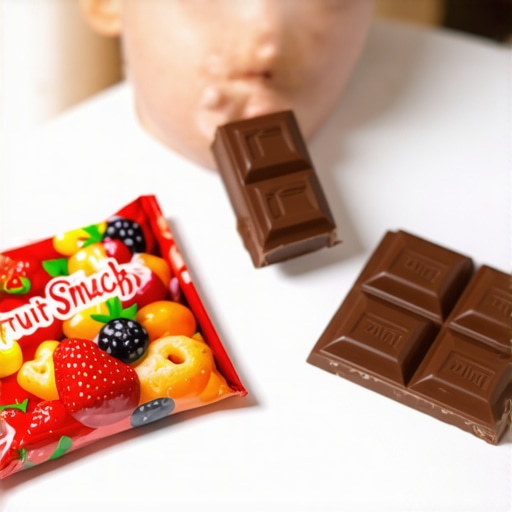
I remember the moment vividly—the sickening crack of a molar during our family picnic, followed by the urgent rush to the dentist. It was a lightbulb moment for me, realizing that those tiny fruit snacks I’d been innocently handing my kids every day might be doing more harm than good. It’s a common misconception that because fruit snacks are marketed as healthy, they must be gentler on young teeth. But after digging into the science—and making some mistakes myself—I’ve come to see the truth: many fruit snacks are worse for your kids’ dental health than chocolate bars.
The Hidden Dangers Lurking in Sweet Little Packs
Fruit snacks often seem like a guilt-free treat—bright, appealing, and marketed as made with real fruit. But the reality is a bit more complex. Many of these snacks contain added sugars and sticky binders that cling to teeth, creating a perfect environment for decay. Unlike chocolate, which is typically washed away quickly with saliva or brushing, sticky fruit gummies tend to stick around longer, feeding bacteria that erode enamel over time. This pattern can lead to cavities that require more than just a quick fix; they may demand crowns or root canals in severe cases.
Personal experience played a big role in opening my eyes. Early on, I neglected the importance of reading ingredient labels and thought if it looked like fruit, it was harmless. I made the mistake of assuming that all snacks labeled as ‘fruit’ were safe. That’s why I often recommend families take a closer look at product ingredients and opt for healthier options. Want to learn what effective home practices can help protect your family’s smiles? Check out these teeth cleaning secrets.
Even more surprising is the fact that many parents aren’t aware of the subtle ways that snack choices influence long-term oral health. A simple switch—being mindful of sticky textures and sugar content—can significantly reduce cavity risks. I’ve seen firsthand how making small adjustments at snack time can lead to healthier teeth and fewer visits to the dentist.
But before we dive into practical steps, I need to address a common concern. Some skeptics might ask: “Are fruit snacks really that bad? I’ve seen some ‘healthy’ options at the store.” The truth is, not all fruit snacks are created equal. However, most still contain added sugars and preservatives that can pose risks. It’s about understanding what to look for and making informed choices. To get a clearer idea of what your family should be doing, consider reading these essential oral health tips.
Is the Health Halo Worth the Risk? Or Am I Overreacting?
In my early days of parenting, I believed that choosing the ‘healthier’ snack options meant I was doing right by my children. But I learned the hard way that even snacks labeled as “made with real fruit” can contain harmful additives. It’s a mistake I see many parents make—assuming that marketing hype equates to safety. The key is to look beyond the label and examine the ingredient list.
Now, I approach snack time with a new perspective—prioritizing whole, unprocessed foods and limiting sticky, sugar-laden treats. If you’ve faced the challenge of balancing convenience, health, and kids’ preferences, you’re not alone. The good news is that with a little knowledge and planning, you can turn snack time into an opportunity for better oral health and long-term dental wellness.
So, are you ready to discover effective strategies to keep your children’s smiles healthy and bright? Let’s explore how small changes can make a big difference—and why understanding the true content of snack foods is essential for your family’s well-being. For more comprehensive guidance, you might want to explore expert advice on crowns and teeth cleaning that can, in the end, support your efforts to maintain strong teeth for years to come.
Choose Whole, Unprocessed Foods for Snacks
Start by swapping fruit snacks for whole fruits like apples, berries, or sliced oranges. These foods stimulate saliva production and help wash away acids and sugars, reducing cavity risk. I once replaced fruit gummies with apple slices during a family picnic, and the immediate difference in my child’s comfort and my peace of mind was noticeable—less sticky residue and fewer fussies about dental discomfort.
Limit Sticky and Sugary Treats
Sticky snacks cling to teeth longer, feeding bacteria and eroding enamel. To prevent this, set specific snack times and encourage rinsing with water afterward. I remember a day when my kids finished a pack of sticky peach gummy bears, and I immediately handed them water to rinse. The result? Less residue left behind, and I observed fewer signs of discomfort the following day.
Use Smart Label Reading to Make Better Choices
Look for snacks with minimal added sugars and no artificial binders. If a product’s ingredient list features high-fructose corn syrup or sticky gums like carnauba wax, it’s best to skip. By regularly checking labels, I avoided many tempting treats that seemed healthy but contained hidden sugars, protecting my children’s developing teeth.
Implement Consistent Oral Hygiene Habits
Brushing twice daily with soft-bristled brushes is essential. Think of your child’s teeth as delicate creatures that need gentle, thorough cleaning—like tending to a prized garden. I personally set a routine after meals, ensuring my kids rinse, brush, and floss. It’s messy at first—I remember toothpaste everywhere—but persistence pays off with healthier teeth and fewer cavities.
Timing Matters After Eating or Snacking
Wait about 30 minutes after consuming acidic foods or sugary snacks before brushing. Brushing immediately can damage enamel softened by acid exposure. I learned this the hard way when my child’s enamel showed signs of wear after a quick brush post-orange juice. Now, I remind myself and my family to wait, using this time to hydrate or rinse with water instead.
Schedule Regular Dental Visits
Biannual checkups catch issues early—much like a gardener inspecting for pests before they cause widespread damage. During visits, a dentist can apply sealants, professional cleanings, and evaluate for early decay. I’ve noticed that proactive checkups, coupled with at-home care, significantly cut down on emergency visits. To ensure longevity for dental restorations like crowns, following professional advice—such as those outlined at these guidelines—is key.
Many people assume that routine dental visits are just about cleaning teeth and checking for cavities, but there’s much more beneath the surface. A prevalent misconception is that all dental restorations, like crowns, are permanent and maintenance-free. In reality, crowns require diligent care and understanding of their unique needs. For instance, porcelain crowns are durable but can chip if subjected to excessive force or hard foods. Regular checkups help catch early signs of wear or issues that could compromise their longevity. Moreover, some believe that professional teeth cleaning isn’t essential if they brush and floss daily. However, expert guidance reveals that plaque buildup often occurs in areas that even diligent home care misses, making professional cleanings a crucial component of comprehensive oral health—more details can be found at this resource. One nuance often overlooked is the importance of addressing gum health as a foundation for overall dental wellness. Healthy gums support teeth and prevent issues like recession or bone loss, which many wrongly associate solely with cavities.
Among the advanced traps is the misconception about teeth whitening procedures. Many think they are entirely safe, but improper or overused whitening agents can damage enamel and increase sensitivity. A study published in the Journal of Esthetic and Restorative Dentistry emphasizes that professional supervision ensures safe bleaching tailored to individual cases. Additionally, some believe that crowns or veneers can last forever with no special care—false. Their lifespan depends on factors like bite force, diet, and hygiene habits. Proper maintenance, including avoiding hard foods and following your dentist’s advice on cleaning, can extend their durability—see these tips.
Let’s discuss the often unspoken truth about mouthguards for children who grind their teeth—many parents don’t realize that a poorly fitted mouthguard can cause more harm than good, leading to misalignment or irritation. Custom-fitted options, although more expensive upfront, offer better protection and comfort, preserving the integrity of developing teeth and jaws.
Now, a deeper question for the savvy reader: How do advanced imaging techniques like CBCT scans influence the detection of subtle dental issues before they become visible clinically? Experts agree that 3D imaging provides unparalleled detail, enabling early diagnosis of problems such as root infections or bone loss, which traditional X-rays might miss. This proactive approach can save time, discomfort, and costs, ensuring your family’s dental health remains robust over the years—more insights can be found at this article.Maintaining excellent oral health over time requires more than just good habits; it demands using the right tools and staying updated on the latest technology. Personally, I rely on an electric toothbrush with proven plaque removal capabilities, such as the Philips Sonicare DiamondClean, because its sonic vibrations help reach areas manual brushes tend to miss, especially around crowns and braces. Regular replacement of the brush head—every three months—is crucial to maintain effectiveness and prevent bacteria buildup, an often-overlooked aspect that can significantly influence long-term results. For professional cleanings, I recommend scheduling appointments with a dental hygienist equipped with ultrasonic scalers, which efficiently disrupt plaque and calculus without harming delicate gum tissue.
Regarding dental software, I use a digital appointment management system that sends automatic reminders—this reduces missed visits and ensures consistent care, which is vital for early detection of potential issues before they escalate. Modern dental clinics are increasingly adopting intraoral cameras; these devices provide high-resolution images of hard-to-see areas, allowing for more precise diagnoses and patient understanding. I suggest insisting on this technology during visits, especially if you’re managing crowns or dealing with complex restorations. It not only enhances diagnostic accuracy but also boosts patient confidence.
From a home-care perspective, I recommend water flossers with adjustable pressure settings, such as the Waterpik Aquarius, particularly for families with braces or dental implants. They are gentler yet more effective at removing debris than traditional floss, and their ease of use encourages consistent daily habits. Incorporating a tongue scraper alongside brushing can further reduce bacteria, improving overall oral health.
Looking ahead, I predict these tools will become smarter—integrating AI to monitor brushing techniques and suggest personalized advice. Apps connected to electric toothbrushes are already tracking your brushing patterns and providing feedback, which I believe will become standard in the near future.