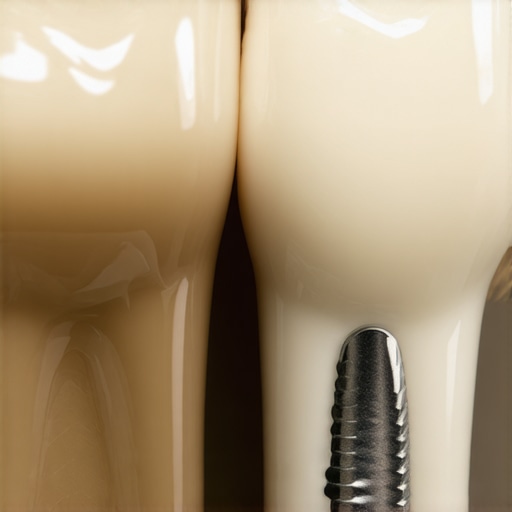
I vividly remember the first time I noticed a dental crown that looked completely natural—no dark line at the gum, just a seamless, tooth-like finish. It struck me how much that tiny detail affected not only the aesthetics but also my confidence. Until then, I had assumed all crowns looked the same, but that lightbulb moment changed everything for me. Now, I want to share what I’ve learned about why some crowns blend seamlessly with your natural teeth, while others expose a noticeable dark line. This knowledge can help you avoid costly disappointments and choose the best options for your smile.
Understanding the Difference: Why Do Some Crowns Look So Natural?
Our smiles are complex, and so is the art of restoring them. The key difference often lies in the materials used and how they are crafted. If you’ve ever looked in the mirror and noticed a dark line around a crown, you might wonder what causes it and whether it can be prevented. The truth is, the type of crown material and the way it’s placed can make all the difference in achieving a natural look.
Many dental professionals now favor materials like zirconia and porcelain because of their excellent color-matching qualities. These materials can be manufactured to mimic the translucency and texture of real enamel, making the crown nearly indistinguishable from natural teeth. Conversely, crowns made from older materials such as metal or metal-ceramic hybrids may be more prone to showing a dark line, especially if the gum recedes over time.
But it’s not just about material choice. The clinician’s technique—such as how they fit the crown and manage the gum tissue—is equally vital. Well-placed crowns with subtle margins that sit flush with the gum line tend to look much more natural. Poorly fitted crowns or those with visible margins can create that dreaded dark line, undermining your confidence.
In fact, a common mistake I initially made was neglecting to ask about the specific composition of the crown material. I assumed all crowns were created equal, but I learned that not all materials age the same or look as realistic. When I improved my understanding, I was able to ask better questions and advocate for treatments that prioritized aesthetics.
If you’ve ever been frustrated with a crown that looks artificial or strange, you’re not alone. This issue affects many people, especially after years of dental work. But don’t worry—knowing what causes these differences allows you to make informed decisions.
In the next sections, I’ll walk you through the specific factors that influence how natural your crowns look and share tips on how to choose the best options. Plus, I’ll include insights from dental experts that can help you achieve a smile that truly feels and looks like your own.
Start with Expert Consultation and Material Choice
My journey began during a routine checkup when my dentist explained the importance of choosing the right crown material. I scheduled an appointment with a specialist who recommended zirconia for its durability and translucency. During this consultation, I asked specific questions about the materials that best mimic natural teeth and the techniques to avoid visible margins. Making an informed choice upfront set the foundation for a natural-looking result.
Prepare Your Teeth and Gums Properly
Next, I ensured that my teeth were thoroughly cleaned and any decay addressed before the crown placement. Think of it like preparing a canvas for a painting—clean, smooth, and dry. My dentist used a gentle yet precise cleaning process, removing plaque and shaping the tooth to fit the crown perfectly. Proper preparation minimizes gaps and helps the crown sit flush with my natural tooth, reducing the risk of unsightly margins or dark lines over time.
Create Precise Impressions for a Perfect Fit
Getting accurate impressions was crucial. I watched as my dentist took a detailed mold of my tooth using a soft putty-like material. This step is akin to casting a custom mold—it captures every contour and defect, ensuring the crown fits snugly without gaps. I remember asking how recent digital impressions could improve accuracy, which led me to consider clinics utilizing modern technology for better precision and aesthetics.
Choose the Right Shade and Translucency
Matching the crown’s color to my natural teeth was an eye-opener. I held color tabs next to my teeth, and my dentist fine-tuned the shade to blend seamlessly. The translucency of zirconia or porcelain allows light to pass naturally through, mimicking real enamel. For me, selecting a shade slightly lighter prevented the crown from looking too opaque. This step is vital; a poorly matched crown can stand out like a sore thumb, defeating its purpose.
Bond the Crown with Careful Technique
During placement, my dentist used meticulous adhesive techniques. The crown was seated with controlled pressure, ensuring a precise fit. Excess cement was carefully cleaned, and the margins were polished to a smooth finish. These subtle adjustments prevent the formation of dark lines that tend to appear when the margin sits slightly below the gum line or if cement seeps out. I learned that patience and attention to detail during bonding make all the difference.
Follow Up and Maintain Your Smile
After the procedure, I scheduled a follow-up to check the crown’s fit and my gum health. Regular brushing, flossing, and avoiding overly hard foods helped preserve the appearance and integrity of my crown. Using proper oral hygiene routines, such as those outlined in this guide, ensures longevity and keeps the crown looking natural for years to come. Periodic professional cleanings also prevent plaque buildup around the margins, maintaining healthy gums and a seamless aesthetic.
Applying these concrete steps transformed my understanding of crown placement from a simple procedure to a precise craft. Each phase, from material selection to maintenance, influences how natural your crown will look and feel. When done right, the result is a smile that truly blends in, boosting your confidence every time you grin.
When it comes to oral health, many believe that regular brushing and flossing are sufficient, but the truth is, there’s a lot more beneath the surface that often gets misunderstood. A common myth is that any electric toothbrush automatically provides better cleaning than manual ones; however, research shows that technique often outweighs technology. Ensuring you’re using a toothbrush with the right bristle firmness and replacing it at proper intervals are crucial steps many overlook, leading to ineffective cleaning and even gum damage. Furthermore, many think that professional cleanings can substitute for daily routines, but experts emphasize that consistent at-home care is the foundation of lasting oral health. Did you know that neglecting the subtle nuances of cleaning techniques can accelerate plaque buildup and lead to periodontal issues? For instance, improper brushing angles or inadequate flossing can leave hidden plaque in hard-to-reach areas, causing decay and gum disease over time.
#### How Do Advanced Oral Hygiene Practices Impact Long-Term Dental Stability? Beyond basic brushing and flossing, incorporating techniques like interdental brushes or water flossers can markedly improve plaque removal efficacy, especially in areas prone to accumulation. Studies from the American Dental Association reveal that tailored approaches, such as periodic use of antibacterial mouthwashes or specific interdental cleaning devices, contribute significantly to preventing cavities and periodontal disease, especially in patients with crowns or dental implants. These nuances are often underestimated by patients who believe that a one-size-fits-all routine is adequate.
In dental restoration, understanding the intricate differences among crown materials is vital. For example, zirconia crowns are more resistant to chipping compared to porcelain, but that doesn’t mean they mask the importance of meticulous placement and maintenance. Neglecting these detailed considerations can cause premature failure or aesthetic issues. Take note that improper cementation techniques or failure to follow specific maintenance protocols, such as avoiding certain foods or habits, can jeopardize the longevity of your restorations. For detailed guidance, expert advice on crowns and teeth cleaning highlights strategies that ensure durability and impeccable appearance.
It’s also essential to recognize that the way your family approaches regular dentistry can influence lifelong oral health. A frequent misconception is that visits to the family dentist are only necessary when problems arise; however, regular checkups facilitate early detection of issues like silent caries or gum recession, often unnoticed by patients. Establishing comprehensive, personalized routines with your dentist can help you avoid common pitfalls, such as incorrect flossing techniques or neglecting interdental spaces. To create a resilient foundation, exploring [family dentistry’s focus on building a lifetime of healthy smiles](https://periodontistcare.com/family-dentistry-focus-building-a-lifetime-of-healthy-smiles) is highly recommended.
Have you ever fallen into this trap? Let me know in the comments. Remember, understanding these subtle but critical nuances can make all the difference in maintaining optimal oral health and avoiding unnecessary treatments.Achieving long-lasting oral health and ensuring your dental crowns remain pristine requires more than just regular brushing. The right tools can make a significant difference in maintaining your smile over time. Personally, I swear by high-quality electric toothbrushes like the Oral-B Genius X, which combines oscillating and rotating motions to thoroughly remove plaque from hard-to-reach areas. Its built-in sensors provide real-time feedback on brushing technique, helping me improve my routine and prevent gum recession that could expose dark margins around crowns.
For interdental cleaning, I prefer Water Flossers such as the Waterpik AQUEDENT, which use pulsating water streams to dislodge debris and plaque from between teeth and around crowns. Unlike traditional floss, these devices are gentler on gums and more effective at cleaning below the gum line, especially for those with sensitive periodontal tissue or dental restorations.
In addition, I recommend using an ultrasonic scaler for professional maintenance sessions. These devices emit high-frequency vibrations that break down tartar and bacterial colonies more efficiently than manual scalers. Regular professional cleanings with ultrasonic equipment can extend the lifespan of crowns, prevent peri-implantitis, and ensure the gum tissue around restorations stays healthy.
To complement physical tools, I advise employing quality antibacterial mouthwash, such as those containing chlorhexidine, which helps reduce bacterial load without damaging enamel or soft tissues. Integrating this into your daily routine can help prevent infections that compromise crown margins or lead to decay.
Predicting future trends, I believe that advancements in AI-powered diagnostics and smart toothbrushes will further personalize oral care routines, catching issues early and customizing cleaning approaches based on individual saliva chemistry and plaque composition. Embracing these innovations now positions you ahead in maintaining your oral health.
### How do I maintain my tools over time? Properly caring for your dental tools is essential. Rinsing toothbrushes thoroughly after each use, replacing brush heads every three months, and sterilizing interdental devices periodically with UV sanitizers ensures their effectiveness and longevity. Remember, a well-maintained tool is your best ally against plaque buildup and crown deterioration.
To stay informed on the latest tools and techniques, consider exploring our comprehensive guide on teeth cleaning secrets. Leveraging these advanced tools and consistent maintenance practices will help you preserve your smile’s aesthetics and function for years to come. For more detailed advice on crown care, visit our expert recommendations on maintaining your dental crowns for optimal results.
What I Wish I Knew About Crowns Before My First Procedure
One of the most eye-opening lessons I learned was the significance of material selection and how it directly impacts the crown’s natural appearance. Choosing zirconia or porcelain over traditional metals transformed my smile from artificial to authentic, boosting my confidence immensely.
Why Precision and Technique Trump Material Alone
Even the most advanced materials can fall short if the placement isn’t meticulous. I realized that precise fitting, gentle handling of gums, and flawless margins make all the difference in avoiding that unwelcome dark line and achieving a seamless blend with natural teeth.
The Power of Informed Questions During Consultation
Engaging with my dentist and asking specific questions about the types of crowns, translucency, and their long-term behavior saved me from surprises later. Informed decisions lead to satisfying results, especially when aesthetic outcomes matter most.
Personalizing Shade Selection for Optimal Aesthetics
Holding shade guides next to my teeth and communicating openly about translucency and brightness allowed me to select a crown shade that harmonized perfectly. Small details like this can elevate your smile’s natural look significantly.
Post-Procedure Care: Maintaining That Natural Glow
Regular hygiene routines, avoiding abrasive foods, and routine professional checkups helped my crown stay pristine and natural-looking longer. Consistent maintenance is essential to preserve appearance and function over time.