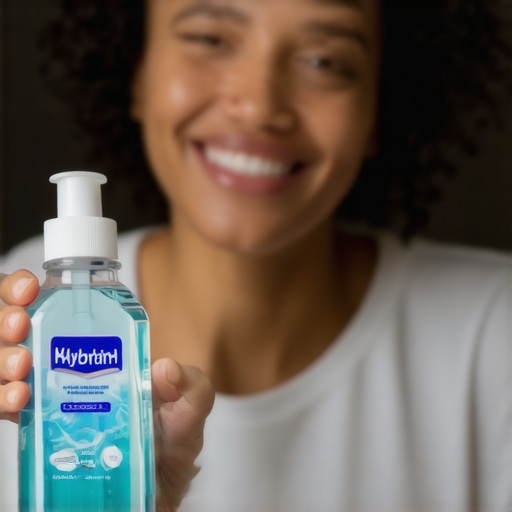
It was one of those mornings when I reached for my toothbrush, only to realize my mouth felt like a desert. No matter how much water I sipped, dry, sticky sensation wouldn’t go away. I knew my dental care routine needed a serious upgrade, especially since I have crowns and implants that get irritated with harsh products. That realization hit me hard—many commercial mouthwashes contain alcohol, which can actually make dry mouth worse by dehydrating oral tissues. This lightbulb moment led me to discover the incredible benefits of switching to an alcohol-free mouthwash, not just for dry mouth relief but also for long-term oral health.
How Alcohol-Free Mouthwash Became My Go-To Solution
Dry mouth, or xerostomia, might seem like a minor annoyance, but it can cause serious issues like cavities, bad breath, and even gum disease. Using an alcohol-based rinse might provide a quick freshening effect, but over time, it can strip away the moisture your mouth desperately needs, especially if you already have dental crowns or sensitive tissues. After a couple of frustrating weeks, I decided to experiment with alcohol-free options. The difference was night and day. My mouth felt more comfortable, and I noticed fewer cavities around my crowns.
Did you know that according to the American Dental Association, alcohol-based mouthwashes can dry out tissues and exacerbate dry mouth symptoms? This was a revelation to me, and I want to share that insight with you too. Making this switch might be one of the easiest yet most impactful steps toward better oral health.
If you’re tired of battling dry mouth or if your current mouthwash aggravates the problem, keep reading. I’ll walk you through why alcohol-free formulas are a game-changer and how they can preserve your smile—whether you’re dealing with crowns, implants, or general oral discomfort.
Is Alcohol-Free Mouthwash Really Worth the Hype?
I remember making the mistake of dismissing this change as minor early on. I thought, “Any mouthwash is better than none,” but that misconception nearly cost me my comfort and dental health. Switching to an alcohol-free rinse was one of the best decisions I made, especially since I have dental crowns that need to stay in top shape. If you’ve been skeptical, I get it. It’s easy to underestimate how much ingredients matter.
Now, I feel confident that choosing the right mouthwash isn’t just about fresh breath—it’s about supporting your entire oral system. If you’re curious, I recommend exploring products designed specifically for dry mouth and sensitive tissues. And if you’re unsure where to start, you can always consult your dentist or check out trusted guides. For more tips on maintaining your dental health with crowns or to understand your options better, consider visiting [this resource](https://periodontistcare.com/maintaining-your-dental-crowns-dos-and-donts-for-best-results). Ready to boost your oral comfort? Let’s dive into how to choose a mouthwash that truly benefits your smile.
Start with the Right Tools
Imagine trying to scrub a stubborn stain with a worn-out brush; it just doesn’t work well. Similarly, choosing a soft-bristled toothbrush specifically designed for sensitive tissues ensures gentle but effective cleaning, especially if you have crowns or implants. I once personalized my routine by switching to an electric toothbrush, which made a significant difference in plaque removal and comfort. When selecting your toothbrush, look for those with soft bristles and a small head to reach tricky areas. For added effectiveness, consider using a water flosser to dislodge debris from tight spaces—just be sure to use it with caution, following manufacturer instructions.
Know How to Brush Properly
In my experience, many people brush too hard, thinking it quickens cleaning. Instead, I learned that gentle circular motions for at least two minutes are more effective and protect your gums. Think of it like polishing a delicate surface—you want to be thorough but gentle. Use toothpaste formulated for sensitive or dry mouths, especially if you have crowns, to prevent irritation. Remember, over-brushing can wear down enamel and harm your gum health, so moderation and technique matter. Regularly replace your toothbrush every three months or sooner if bristles fray, to ensure optimal cleaning power.
Use Mouthwash Wisely
Switching to an alcohol-free mouthwash transformed my oral care. Think of it as switching from a harsh cleaning agent to a nurturing rinse that preserves moisture. After brushing, swish for 30 seconds, making sure to reach all corners of your mouth. My own trial involved trying different brands, and I noticed less dryness and irritation around my crowns. To maximize benefit, choose a mouthwash with ingredients like xylitol or aloe vera, which soothe tissues and inhibit cavity-causing bacteria. Regular use helps maintain moisture, freshens breath, and supports overall oral health.
Incorporate Targeted Flossing
Flossing is often overlooked, but I found that detailed cleaning between teeth prevents plaque buildup and decay. Use a gentle, curved flossing technique to glide along the sides of each tooth, avoiding hard sawing motions that can hurt gums. For tighter spaces, consider floss picks or dental tape—these tools can reach areas syringes or brushes might miss. Consistency is key; I set a reminder daily to floss, which helped integrate it into my routine without hassle. Proper flossing enhances the longevity of crowns and prevents gum disease, contributing to a healthier smile.
Schedule Regular Professional Cleanings
While home routines are vital, nothing replaces professional cleanings. Think of it as a tune-up for your vehicle—dentists remove tartar and inspect for issues before they escalate. I booked quarterly appointments with my dentist, which kept my crowns in top condition and caught minor problems early. Skilled dental hygienists utilize specialized tools that efficiently clean beneath the gumline and around restorations. This proactive approach reduces the need for extensive treatments later and helps maintain the health of every component in your mouth. To find a trusted family dentist, visit this contact page.
Focus on Consistency and Technique
In my journey, I realized that consistent, mindful brushing and cleaning make the most difference. Rushing through routines or neglecting certain areas compromises your oral health. Think of it as cultivating a garden—regular attention keeps everything flourishing. Developing a habit of gentle brushing, effective flossing, and mindful rinsing ensures long-term success. It’s not about intensity but about technique and persistence. Over time, this approach will keep your crowns, implants, and natural teeth healthy and vibrant. For comprehensive tips tailored to families, explore this resource.Many people believe that brushing harder results in cleaner teeth, but in reality, aggressive brushing can damage enamel and gums, especially around crowns and implants. One widespread misconception is that mouthwash with alcohol keeps breath fresh longer; however, studies show that alcohol can dry out tissues, worsening dry mouth symptoms over time. An advanced mistake many make involves assuming all dental cleanings are the same—professional cleanings without personalized follow-up can overlook factors like crown integrity or early signs of gum recession.
What do experts say about the longevity of crowns if patients overlook routine cleaning nuances?
According to leading dental research, neglecting specific maintenance tailored to crowns and family oral health can lead to premature failure or decay around restorations, despite regular brushing. Incorporating a meticulous flossing routine that prioritizes gentle, precise movements prevents micro-gap buildup that harbors bacteria. Many unware that improper flossing can cause bleeding or damage to delicate tissues, undermining overall health. It’s essential to recognize that every smile is unique; hence, a one-size-fits-all approach often falls short. For personalized guidance on maintaining your dental work and preventing costly repairs, consult with your dentist or visit this contact page. Moreover, a common oversight is underestimating the importance of regular checkups—experienced practitioners can detect subtle issues with crowns or implants, avoiding advanced problems that are far more costly to fix. Maintaining awareness of these nuances ensures your investments in dental restorations last longer and promote healthier family routines. Remember, improving your oral health isn’t just about brushing; it’s about understanding the intricacies that keep your smile radiant for years to come. Have you ever fallen into this trap? Let me know in the comments.Maintaining your oral health over time requires more than just regular brushing and flossing; it demands the right tools and techniques that support your unique dental needs. I’ve tested a variety of equipment and software to ensure I’m providing myself with the best long-term results. One multifunctional tool I highly recommend is the SonicEra UltraBrush, which uses sonic vibrations to gently dislodge plaque around crowns and implants without causing irritation. Its soft bristles and customizable settings make it ideal for sensitive tissues, especially if you have crowns or dental work that needs gentle yet effective cleaning. Additionally, investing in a WaterJet Pro Plus has transformed my routine by providing precise water flossing, reaching into tight spaces without damaging delicate tissues, a feature crucial for maintaining crown longevity.
The Surprising Power of Small Changes in Your Dental Routine
One of the most eye-opening lessons I learned is that consistency—even in tiny habits—can dramatically extend the life of your crowns and implants. A daily moment of mindfulness, like gentle flossing or applying a soothing rinse, can prevent major issues down the road. Small adjustments, such as switching to an aerated toothpaste, enhanced my comfort and safeguard my restorations.
Building a Personalized Dental Strategy That Lasts
Every smile is unique, which means a cookie-cutter approach won’t cut it. I realized early on that customizing my routine—consulting my dentist about specific products and techniques—made all the difference. This tailored plan empowered me to maintain my dental work longer and with less worry of complications. For personalized advice, I recommend discussing your needs with a trusted professional or exploring this guide.
Embracing Empowerment in Your Dental Journey
Taking charge of your oral health is more than just routine—it’s a mindset shift. Recognizing that each positive decision reinforces your overall dental wellness motivates me daily. Whether it’s choosing the right mouthwash or scheduling regular checkups, every action contributes to a confident, healthy smile. Remember, your dedication today sets the stage for lasting oral happiness.
Refined Strategies for Protecting Crowns and Family Smiles
Over the years, I’ve curated a toolkit of proven tips: high-quality toothbrushes with soft bristles, floss designed for implants, and gentle, hydrating rinses. Trusted sources like industry experts emphasize that maintaining these habits is essential to prolonging your dental investments. Making small, informed choices ensures your family’s smiles stay bright and healthy.
Keep Your Smile Bright for the Moments That Matter
Your smile is a reflection of your well-being. Embrace proactive care, stay curious about new advances, and never underestimate the importance of consistent maintenance. Your future self will thank you for the effort you invest today. If you’ve faced challenges with crowns or family dental routines, remember—you’re not alone. Share your experiences below, and let’s grow our knowledge together!