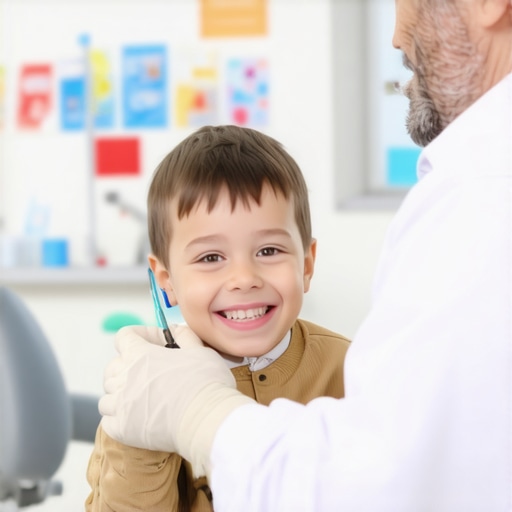
I still remember the moment my little one’s eyes widened in horror the first time she heard the whir of the dental drill during a routine visit. Her tiny fists clenched, and she looked at me like I’d just told her the sky was falling. That day, I realized something crucial—fear of the dental drill isn’t just about the sound; it’s about the unknown, the perceived pain, and a whole lot of misunderstanding. If you’ve ever faced a similar situation, you know how stressful it can be to see your child scared stiff before even sitting in the chair.
Breaking Down the Noise: Why Kids Fear the Dental Drill—and How to Calm Them
Children’s imaginations are powerful and often run wild when faced with unfamiliar dental tools. The sound of the drill, often described as high-pitched and loud, can trigger anxiety and even panic. As a parent or caregiver, my first mistake was assuming that explaining the drill in simple terms would suffice. But I learned that the key is to make the experience less intimidating and more understandable.
According to experts, fears about dental equipment can be alleviated through early education and positive framing. I discovered that a little creativity and a lot of patience can turn a stressful situation into a manageable—sometimes even positive—experience. And I’ll share how I did just that, so you can help your child face their dental fears with confidence.
Have you ever felt like nothing you said could distract or comfort your child during dental visits? If so, you’re not alone. Many parents make the mistake of avoiding honest explanations out of fear of worsening the anxiety. But honesty combined with age-appropriate language and reassurance often works best. Remember, children are remarkably perceptive, and they pick up on your doubts more than your words.
By understanding what makes the dental drill frightening and how to approach it properly, you’ll be better equipped to turn those dreaded visits into teachable moments. Stay tuned—I’ll walk you through practical strategies that made a difference in my family’s journey toward stress-free dental care. For additional tips on easing dental fears, you can also explore resources like [family dentistry tips](https://periodontistcare.com/family-dentistry-focus-building-a-lifetime-of-healthy-smiles) which emphasize gentle communication.
Ready to transform your child’s dental visit from a nightmare into a manageable experience? Let’s dive into the steps that will help you prepare both your child and yourself for a calmer, more positive appointment.
Make the Environment Less Intimidating
Start by creating a friendly, welcoming space at home that mimics the dental office atmosphere. Use colorful toothbrushes, posters, or even a mini dental kit to familiarize your child with dental tools in a playful setting. For example, I purchased a child-friendly toothbrush and played a game where we pretended to be dentists, naming each tool and explaining their purpose. This approach reduces the fear of unfamiliar equipment and makes the actual visit feel like an extension of a fun activity.
Use Distraction to Shift Focus
During the appointment, distraction techniques can divert your child’s attention away from uncomfortable procedures. Bring along their favorite toy, tablet, or songs. I once held a small stuffed animal that I pretended was ‘braver than us’, which kept my child’s hands busy and mind engaged. The key is to keep their mind occupied so they don’t dwell on the sounds or sensations. Consider also explaining what’s happening in simple, reassuring terms, like “The drill is just like a tiny turbo that cleans your teeth”—much like a car engine, but funnier and less technical.
Implement Gradual Exposure
Don’t rush into the most intimidating procedures. Instead, break down the visit into small, manageable steps over multiple positive experiences. I remember initially just sitting in the dental chair with my child, rewarding calm behavior with stickers. Over time, we introduced gentle examinations and light polishing. This gradual approach builds trust and confidence, especially if your child has had previous negative experiences or fears. Consistency and patience are vital; a little each visit helps demystify the process.
Involve Your Child in the Process
Empower your child by explaining their role in maintaining a healthy smile. Demonstrate proper brushing technique with a mirror and let them try it themselves. Sometimes, I let my little one hold the toothbrush during the appointment, which helps them feel in control. This way, they connect their actions—like brushing and rinsing—with the outcome: a clean, shiny smile. For more tips on family oral health routines, visit oral health routines.
Use Positive Reinforcement and Rewards
Always praise your child for their bravery, no matter how small the step. Stickers, small toys, or a special treat can reinforce good behavior. I learned that after each appointment, my child received a sticker for being so brave, which made subsequent visits easier. It’s important to avoid emphasizing fear or discomfort. Instead, frame the experience as a success story, saying, “Wow, you did such a good job sitting still!” This builds a positive association with dental visits and encourages cooperation next time.
Seek Support from Your Dentist
Communicate openly with your child’s dentist about their fears. Ask for child-friendly explanations, and inquire if they have behavioral techniques or sedation options for especially anxious children. Many dental practices are experienced with pediatric patients and can adapt their approach to suit your child’s needs. For more insights, explore family dentistry principles that focus on calming techniques and patient comfort.
Many believe that dental crowns are a simple fix for damaged teeth, but there’s more nuance involved. A common misconception is that crowns last forever without upkeep, yet neglecting proper care can lead to premature failure or discoloration. For instance, many assume that once a crown is placed, it requires no further attention—this isn’t true. Regular maintenance, including proper cleaning routines and avoiding hard foods, is crucial for longevity. Overlooking the importance of these steps can result in issues like loosening or chipping, which might have been preventable. Additionally, some think crowns are purely cosmetic, but they also play a vital role in restoring function, alignment, and protecting underlying tooth structure. Misunderstanding this can lead to underestimating the importance of choosing the right material—whether porcelain, zirconia, or metal—and the procedure’s complexity.
Why do some crowns seem to fail prematurely despite proper care?
This question addresses a common challenge. Factors such as improper placement, poor oral hygiene, and grinding habits can all contribute to early crown failure. A study published in the Journal of Prosthetic Dentistry highlights that patients with bruxism are at higher risk of crown chipping or loosening if preventive measures aren’t taken, like using a night guard. It’s essential to work closely with your dentist to understand your specific risks and ensure that your crown’s design suits your lifestyle.
Another hidden nuance involves the importance of surrounding gum health. Chronic inflammation or gum disease can undermine the stability of crowns, leading to recession or even total loss if ignored. Regular checkups and maintaining excellent oral hygiene—using techniques like flossing around crowns and cleaning carefully—is key. For comprehensive guidance on caring for your crowns, you can explore expert advice on [crowns’ longevity](https://periodontistcare.com/caring-for-crowns-essential-tips-for-longevity-and-shine).
Furthermore, many fail to realize that the material choice impacts not just appearance but also durability and biocompatibility. For example, porcelain crowns mimic natural teeth aesthetically but may be more prone to chipping than zirconia, which offers greater strength. Selecting the right material involves balancing aesthetic desires with functional needs, often requiring professional consultation. To better understand these nuances, visit [how crowns can transform your dental confidence](https://periodontistcare.com/how-crowns-can-transform-your-dental-confidence).
Lastly, I want to warn about the trap of DIY repairs or temporary fixes. Using superglue or attempting to reattach a loose crown at home can cause more harm than good, potentially leading to infections or damage to the tooth. Always consult your dentist to assess and properly address crown issues to ensure both safety and effectiveness.
Have you ever fallen into this trap? Let me know in the comments. Recognizing these hidden nuances and myths empowers you to make informed decisions about your oral health, ensuring your crowns and natural teeth remain healthy and functional for years to come.Maintaining your dental crowns and overall oral health requires more than just regular brushing. It involves using the right tools and techniques that can ensure longevity and prevent issues down the line. Personally, I swear by a few specific items that have truly made a difference in my routine, and I encourage you to consider incorporating them into your regimen.
First, I highly recommend investing in an electric interdental cleaner, like the Waterpik Sonic-Fusion. Unlike traditional floss, this device combines water flossing with traditional brushing, providing a comprehensive clean that reaches beneath the gumline and around crowns effectively. I personally use this after meals, especially when I’m traveling or pressed for time, because it saves both effort and energy while delivering superior results.
Second, a quality magnifying mirror is indispensable. I prefer a lighted, magnifying mirror because it allows me to spot plaque buildup or food debris around my crowns and along the gumline. This practice helps me catch any issues early before they develop into bigger problems. Regular self-inspections can make a significant difference in ongoing maintenance.
For routine cleaning, I swear by a soft-bristled, ADA-approved electric toothbrush like the Oral-B iO Series. The oscillating motion combined with pressure sensors ensures I clean thoroughly without damaging underlying tissues or the crown margins. Plus, the timer feature encourages me to brush for the recommended two minutes. Regular, gentle brushing with this tool is essential, especially around crowns, to prevent plaque buildup that could lead to decay or gum irritation.
Beyond mechanical tools, using a remineralizing toothpaste that contains fluoride or even CPP-ACP (casein phosphopeptide-amorphous calcium phosphate) has been beneficial. These products help strengthen the enamel and protect both natural teeth and the delicate margins of crowns. Remember, maintaining enamel integrity is crucial for the longevity of crowns and overall dental health.
Looking ahead, I predict that oral health technology will continue to evolve, with smarter devices that can detect early signs of decay or crown failure before symptoms appear. Digital health monitoring through connected devices might become standard, allowing both patients and dentists to track and respond proactively.
If you’re wondering how to keep your crowns in top shape, I suggest starting with using a water flosser combined with a good electric toothbrush. Implementing these two tools into your daily routine significantly enhances the effectiveness of your oral hygiene efforts. For more insight into caring for crowns, explore tips for crown longevity.
Don’t wait until problems arise. Try integrating a water flosser and a magnifying mirror into your regimen today, and watch how your oral health improves over time. Remember, precision and consistency are key to keeping your crowns working well for years to come.
Lessons that Catch You Off Guard About Crowns and Oral Health
One of the most unexpected lessons I learned was how crucial personalized care truly is. What works for one person might not suit another, especially when it comes to crowns and maintaining them. I’ve realized that trusting my dentist’s tailored advice, rather than generic tips, makes a significant difference. Additionally, I discovered that patience in adopting new routines—like precise flossing techniques—can drastically extend the lifespan of crowns. Lastly, seeing dental health as a lifelong journey rather than a series of isolated appointments has reshaped my entire approach, encouraging me to stay proactive and committed to regular checkups to avoid surprises.
The Tools and Tips That Changed How I Care for My Smile
My essential toolkit now includes an ADA-approved soft-bristled electric toothbrush and a quality water flosser. These tools, coupled with fluoride and CPP-ACP remineralizing pastes, help me preserve both natural teeth and crowns. I also swear by a magnifying mirror for spot-checking hard-to-see areas. For further insights, I often visit this resource, which offers expert advice on sustaining crown longevity. Additionally, books like “The Dental Care Revolution” have deepened my understanding, inspiring me to stay diligent and informed about modern oral health practices.
Let Your Smile Lead the Way: Embrace the Journey
Taking charge of your dental health, especially regarding crowns and family dentistry, is empowering. Every positive step you take today builds a foundation for a healthier, more confident tomorrow. Remember, your commitment can inspire others—so start now. If you’re ready to make impactful changes, explore this guide for practical tips and motivation. Your smile is your best accessory—nurture it with care, and watch your self-assurance flourish.