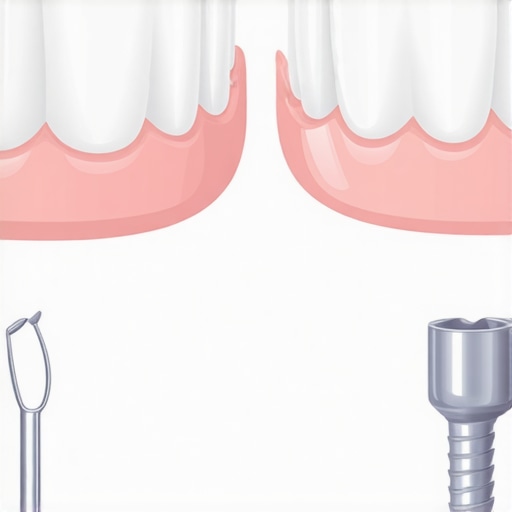
Have you ever sat in the dentist’s chair, staring at your reflection, and wondered if there’s a smarter way to handle a missing tooth? I remember my own lightbulb moment years ago, after a failed attempt at a crown that left my smile uneven and my confidence shaken. It was then I realized that choosing between a dental bridge, crown, or implant isn’t just about quick fixes—it’s about making a decision that impacts long-term health and happiness.
Why Do We Always Feel Torn Between Different Dental Options?
Living with dental issues is personal and sometimes overwhelming. I used to think that a crown was always the go-to, but I later learned that isn’t necessarily true for everyone. When a tooth is missing, the options aren’t just about filling space; they influence your bite, jaw health, and overall comfort. For many, a dental bridge offers a practical and durable solution that can be more beneficial than opting for an implant, especially in the early stages of treatment planning. Knowing your options and understanding their implications is key, and I promise, you’ll find clarity as we delve into the secrets of effective teeth cleaning and proper oral hygiene practices that support your choice.
Is a dental bridge really worth the hype over a crown or implant?
Early in my career, I made the mistake of dismissing bridges as outdated. I was wrong. Misjudging this option was a mistake rooted in a lack of understanding of its benefits. In truth, a properly placed dental bridge can restore your smile swiftly, often without the invasiveness of implants and at a lower cost. Today, I aim to help you avoid that rookie mistake by sharing insights that have helped my patients gain confidence and preserve their dental health.
Master Your Daily Oral Hygiene Routine
Start with brushing at least twice daily using a soft-bristled toothbrush, gently angling it to clean along the gumline. I remember a patient who Inconsistent brushing led to early staining on her crown—she never realized that proper technique extends the lifespan of your dental restorations. Use fluoride toothpaste to reinforce your enamel and prevent decay around the crown. Incorporate daily flossing, ensuring you clean beneath the crown margins to remove plaque. For added protection, consider using interdental brushes in tight spots, mimicking the way a craftsman meticulously polishes a delicate piece, ensuring no debris remains.
Implement Effective Cleaning Techniques
Replace your toothbrush every 3-4 months or sooner if the bristles fray—worn bristles can’t clean effectively. Opt for electric toothbrushes with a timer to guarantee thorough sessions. When flossing, curve the floss gently around each tooth in a C-shape, reaching beneath the gumline without causing irritation. This step is crucial to prevent gum disease that can threaten your restoration. Regular use of antiseptic mouthwash can reduce bacterial buildup, acting like a shield to maintain your oral health.
Pay Attention to Your Crown’s Condition
Regularly inspect your crown for any signs of loosening, chipping, or discoloration. I once had a patient who noticed a slight wiggle in her crown but dismissed it until she experienced discomfort; early detection can save you from complex repairs. If you notice a rough edge or pain during biting, schedule an appointment promptly. Do not attempt DIY fixes—using superglue or other household substances can cause more harm than good. Instead, consult your dentist, who can assess and address issues professionally.
Schedule Routine Dental Check-Ups
Visit your dentist at least twice a year for professional cleanings and evaluations. During these visits, your dental hygienist will remove tartar buildup, which, if left unchecked, can compromise your crown’s adhesion. These check-ups are also an opportunity to discuss any concerns about your restoration’s longevity. Proper professional maintenance is like routine tune-ups for a car—key to keeping everything running smoothly for years to come.
Be Mindful of Dietary Choices
Avoid excessive consumption of stain-causing foods and drinks like coffee, tea, and red wine. If you indulge, rinse your mouth or brush your teeth afterward. Hard foods such as ice or hard candies can crack or chip your crown; treat your dental work with care, much like fragile glassware. Using a straw when drinking staining beverages can minimize contact with your teeth, helping preserve your crown’s appearance and integrity.
Protect Your Teeth During Activities
Engage in sports or physical activities with a mouthguard to prevent accidental impacts. Clenching or grinding your teeth can also put undue stress on your crown—consider discussing a night guard if you notice teeth grinding at night. Think of it as protecting a valuable piece of art—adequate safeguards extend its lifespan and functionality.
Stay Informed and Proactive
Educate yourself about the signs of crown failure and proper maintenance. For comprehensive guidance, explore resources like caring for crowns. Remember, proactive steps today prevent costly repairs tomorrow, ensuring your smile remains bright, healthy, and confident for years to come. Regular communication with your dental team is essential—don’t wait for discomfort to seek help.
Many assume that understanding dental crowns and oral health is straightforward, but true expertise reveals complex subtleties that most overlook. For example, a common myth is that crowns last forever with minimal maintenance—but in reality, neglecting proper care, like inconsistent oral hygiene or ignoring early signs of wear, can drastically shorten their lifespan, despite what many believe. Additionally, people often think all crowns are porcelain or that they’re quick fixes, but advanced materials like zirconia offer superior durability and biocompatibility—details that only seasoned professionals consider for long-term success.
Why do some crowns fail prematurely despite good hygiene, and what are the subtle signs most miss?
Research shows that micro-leakage, unnoticed by patients, can lead to secondary decay beneath crowns—an insidious issue that can cost you thousands if undetected. This highlights the importance of precise placement and regular check-ups, even when you feel perfectly fine. Moreover, many fail to realize that oral health extends beyond just brushing and flossing; factors like occlusion issues or saliva quality also influence crown longevity. To master these nuances, visit this expert guide and stay proactive. Remember, understanding these hidden details empowers you to avoid costly repairs and maintain a vibrant smile for decades. Don’t fall into the trap of superficial care—becoming truly informed is your best investment in dental health. Have you ever fallen into this trap? Let me know in the comments.
How do I maintain my dental crowns over time? A proactive approach is essential for lasting results. First, invest in a high-quality electric toothbrush like the Oral-B Genius X. Its oscillating-rotating action, combined with a built-in timer, ensures you brush thoroughly for the recommended two minutes, reducing plaque buildup around the crown margins. Incorporate interdental brushes like the TePe Interdental Brush, which I personally use daily, to clean hard-to-reach areas and prevent micro-leakage—an often overlooked cause of crown failure. Regular use of an antiseptic mouthwash, such as listerine, adds an extra layer of protection by reducing bacterial load, especially around the gumline.
Maintaining your crowns also involves scheduling routine check-ups. I recommend visits at least twice a year, where your dentist can inspect for any early signs of wear or shifting. During these visits, they may perform professional cleanings with ultrasonics—a powerful tool I trust for its efficiency in removing tartar without damaging the restoration. Consulting your dentist about custom night guards if you grind or clench helps preserve the integrity of your crowns long-term, preventing undue stress and cracks.
Stay aware of dietary habits; avoiding hard foods like nuts or candies minimizes the risk of chipping. Using a straw can help reduce contact with staining beverages and maintain the crown’s aesthetic appeal.
Looking ahead, I believe advances like AI-powered toothbrushes and augmented reality apps for personalized oral hygiene coaching will become mainstream, making maintenance even more effective. For now, combining these proven tools with consistent habits can significantly extend the lifespan of your crowns.
To give your dental restorations the best fighting chance, I encourage you to try the ultrasonic cleaning methods I mentioned. They’re a game-changer, and you’ll notice how much cleaner your mouth feels afterward. For personalized guidance tailored to your unique needs, consider reaching out through our contact page. Regular professional care coupled with these tools is your best defense for a healthy, confident smile that lasts for years to come.
What I Wish I Knew When I Started with Crowns and Family Dentistry
Early in my career, I underestimated the importance of personalized oral health. I learned that every smile is unique, and a one-size-fits-all approach often leads to unnecessary repairs or discomfort. Real insight came from listening to my patients’ stories and understanding their daily habits. This taught me that true dental success combines clinical expertise with genuine compassion and attention to detail.
Building My Toolbox: Resources That Deepened My Confidence
Over the years, I’ve relied on certain tools and references that have become my pillars for effective family dentistry and crown care. For instance, tips for caring for crowns provide practical advice that I frequently share with patients to enhance longevity. Books on modern smile makeovers continue to inspire me with innovative techniques that improve patient outcomes. These resources have empowered me to offer the best, tailored care to every family I serve.
Nurturing Passion Through Regular Reflection and Action
My journey has shown me that maintaining a passion for family dentistry and crowns involves continuous learning and proactive engagement. Never hesitate to ask your dental team about new techniques or technology—staying informed can make a real difference. Remember, your smile is more than aesthetics; it’s a reflection of your overall health. Embrace the process, stay curious, and your confidence will flourish. How are you taking proactive steps to care for your family’s smile today?