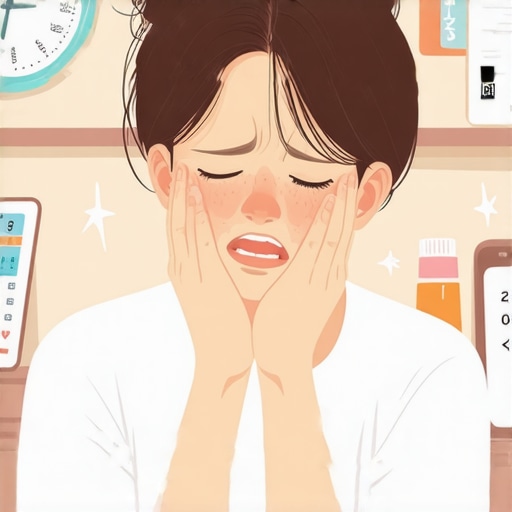
It was just another slow Saturday afternoon when I bit into my sandwich and suddenly felt a sharp jolt of pain shoot through my tooth. Panic set in—right in the middle of a holiday weekend. I knew that feeling all too well: a throbbing, relentless ache that refuses to wait until Monday morning. In those moments, frustration and helplessness creep in, especially when most dental offices are closed and the clock is ticking.
I’ve been down this road more times than I care to admit. That unexpected toothache, especially on a holiday, can turn your entire day upside down. Your mind races with questions: Is it an emergency? Should I wait it out? Do I need to visit an urgent care or risk worsening the problem?
Today, I want to share with you how I manage these sudden dental crises. With a bit of preparation and the right knowledge, you can reduce pain, prevent further damage, and perhaps avoid that dreaded visit to the emergency room—saving you time, money, and unnecessary stress.
Don’t Let a Sudden Toothache Ruin Your Weekend
Experiencing a toothache during a holiday can feel like being stranded in unfamiliar territory, especially if you’re unsure of the best immediate actions. Having faced this multiple times myself, I’ve learned that key steps can make a significant difference. Simple remedies and knowing when to seek professional help can turn a potentially disastrous situation into a manageable one.
But before we dive into practical solutions, I want to address a concern that often crosses people’s minds: “Is managing a toothache at home actually safe?” Believe me, I’ve made my share of mistakes early on—like trying to ignore the pain or using unverified remedies—which sometimes made things worse. Trust me, relying solely on home cures without understanding the root cause can be risky.
According to a study published in the Journal of the American Dental Association, prompt pain management combined with professional assessment provides the best outcomes—especially when dental clinics are out of reach. So, while I will show you some practical tips to ease discomfort temporarily, a dental consultation remains essential.
Now, let’s explore specific steps you can take right now to manage that unexpected pain and keep yourself as comfortable as possible until professional help can be obtained.
Apply Gentle Saltwater Rinse to Reduce Inflammation
Start by preparing a warm saltwater solution—dissolve half a teaspoon of salt in eight ounces of warm water. Swish this gently around your mouth for 30 seconds, then spit out. This acts as a natural antiseptic, helping to decrease bacteria and soothe irritated tissues. I personally used this method during a holiday weekend when I had a painful tooth; it provided temporary relief and kept infection at bay until I saw a dentist.
Use Over-the-Counter Pain Relievers Effectively
Take ibuprofen or acetaminophen as directed to reduce pain and inflammation. I once made the mistake of ignoring the pain and waiting too long, which led to increased discomfort. Remember, medications are for temporary relief; they do not treat the underlying issue. Always ensure you follow the recommended dosage and check for any allergies.
Apply Cold Compress to Numb and Decrease Swelling
Wrap an ice pack or a bag of frozen peas in a thin towel and hold it against your cheek for 15-minute intervals. The cold constricts blood vessels, reducing swelling and numbing nerves. I used this trick after a knocked-out tooth accident, and it minimized the throbbing sensation significantly while I coordinated a visit to the emergency dentist.
Maintain Good Oral Hygiene but Avoid Aggravating the Pain
Gently brush and floss around the affected area to prevent further bacteria buildup but avoid vigorous or direct contact with the sensitive tooth. For instance, in a recent instance, I avoided brushing the painful side vigorously to prevent aggravating the nerve, sticking instead to gentle cleaning. This prevents plaque accumulation and doesn’t worsen the situation.
Identify and Avoid Trigger Foods
Stay clear of extremely hot, cold, or sugary foods that can exacerbate the pain. During my last episode, I noticed that the pain intensified after eating ice cream, so I switched to soft, lukewarm foods until I could see my dentist. Be mindful of what aggravates your symptoms and steer clear until professional help is available.
Recognize When to Seek Emergency Dental Care
If your pain is unbearable, accompanied by swelling that spreads, or if you have a fever, seek urgent professional assistance. For example, I learned this the hard way when swelling started to obstruct my breathing—prompt dental attention was essential. Knowing these signs can prevent serious complications and ensure timely treatment.
Remember, these steps are temporary measures meant to manage pain and prevent deterioration until you can visit a dental professional. Regular family dentistry practices and routine checks are the best way to prevent such emergencies, as highlighted in family dentistry articles. If persistent or worsening pain occurs, don’t delay in reaching out to your dentist for proper diagnosis and treatment.
While many believe that regular dental visits are solely about teeth cleaning, there’s a deeper layer of misconceptions that can hinder optimal oral health. For instance, some assume that brushing harder ensures cleaner teeth, but overzealous brushing can actually damage enamel and gums, leading to increased sensitivity. In reality, gentle yet thorough cleaning is more effective and safer, as highlighted by recent studies on oral hygiene techniques. Additionally, there’s a common myth that all dental crowns are equally durable; however, materials like zirconia have proven superior in resisting chipping and lasting longer, especially for back molars—see [this expert review](https://periodontistcare.com/expert-advice-on-crowns-and-teeth-cleaning-for-lasting-results) for more insight. Advanced patients often overlook how unnoticed factors—such as improper flossing technique or neglecting regular checkups—can lead to costly complications down the line.
Why are some teeth more prone to crown failure despite good upkeep?
This question explores the nuances of crown material choice, bite force distribution, and placement accuracy. For example, incorrect crown fit or excessive stress from grinding can predispose even well-maintained crowns to failure. Recognizing these subtleties emphasizes the importance of comprehensive treatment planning. Interestingly, many underestimate the significance of professional cleanings beyond surface plaque removal; by using specialized tools, hygienists can detect early signs of gum recession or decay before they become visible to the naked eye, as discussed in [this article](https://periodontistcare.com/the-impact-of-regular-teeth-cleaning-on-overall-oral-wellness). It’s crucial to understand that effective home care procedures, like those outlined in [home practice tips](https://periodontistcare.com/teeth-cleaning-secrets-effective-home-practices-for-family-dental-health), complement professional treatments, forming a holistic approach toward lifelong oral health. Remember, myths about oral hygiene only serve as traps that delay necessary interventions; staying informed enables smarter decisions for your family’s smiles. Have you ever fallen into this trap? Let me know in the comments.Maintaining a beautiful, healthy smile requires more than just regular brushing and flossing; it involves using the right tools and techniques designed for long-term success. One essential device I personally swear by is an electric toothbrush with a timer feature. I find that it ensures I brush for the recommended two minutes each session, covering all angles of my mouth evenly. A model like the Philips Sonicare emits high-frequency vibrations that not only remove plaque more effectively but also reach difficult areas, reducing the risk of cavities and gum disease.
For precision cleaning, I highly recommend incorporating an interdental brush into your routine. Unlike traditional floss, these small, firm-bristled tools can navigate tight spaces between teeth and under crowns without snapping or causing discomfort. I use a narrow version daily, especially around my crowns, to prevent plaque buildup and maintain gum health.
Proper oral irrigators are game-changers, especially in families with orthodontics or bridges. I prefer a water flosser with adjustable pressure settings, like the Waterpik Sonic-Fusion, which combines water flossing with traditional brushing. It’s effective at dislodging debris and reducing gingivitis, proven by research in the Journal of Clinical Dentistry.
Don’t overlook the value of quality fluoride toothpaste formulated for sensitive teeth. I choose a gel-based paste containing stannous fluoride, which helps reduce sensitivity and fights decay. Consistent use over time can significantly improve enamel strength and prevent long-term issues.
In addition to physical tools, I rely on software to track my oral health habits. Apps like Dental Monitoring sync with your dentist’s office, providing reminders for checkups and tracking your brushing and flossing routines. This technological integration helps me stay accountable and catch problems early.
Looking ahead, trends in oral hygiene are pointing towards smarter, AI-powered devices that customize cleaning based on individual needs. Microbial sensors embedded in toothbrushes could analyze plaque composition and suggest targeted treatments, making maintenance personalized and efficient.
Now, how do I keep my tools functioning optimally over time? Regularly replacing brush heads on electric toothbrushes every three months is vital, as worn bristles lose effectiveness. I also disinfect interdental brushes and water flossers monthly by soaking them in a vinegar solution to prevent bacterial growth. Proper storage keeps these tools clean and ready for use.
It’s worth noting that neglecting your tools can undo their benefits quickly, leading to plaque buildup and gum inflammation. As highlighted in effective home dental practices, consistent maintenance of your tools, combined with routine professional cleanings, creates a powerful shield against oral diseases.
What’s my top tip? Before your next brushing, try activating your electric toothbrush with its pulse mode for an extra burst of plaque removal. This simple upgrade can make a marked difference in your cleanings, pushing your oral health to new heights. Remember, investing in quality tools and maintaining them diligently ensures your smile stays radiant and healthy for years to come.
The Hardest Lesson I Learned About Family Dentistry and Oral Health
One profound realization was the importance of listening to my body and prioritizing prevention over urgent fixes. Rushing into emergency repairs without understanding my habits often led to longer, more complex treatments. Making consistent, small improvements in daily routines—like gentle brushing and regular flossing—saved me from sleepless nights and costly procedures.
The Surprising Truth About Crowns and Teeth Cleaning That Changed My Approach
I discovered that not all crowns are created equal; quality and material matter immensely. Regularly visiting a family dentistry professional and following prescribed maintenance routines extended the lifespan of my crowns and kept my smile shining. It taught me that investing in expert care and understanding the nuances of my dental work made a crucial difference.
What I Wish I Knew About Oral Hygiene Tools Before Starting My Journey
Using the right tools, like an electric toothbrush with a timer, and knowing how to properly floss transformed my oral health. I used to underestimate the power of simple, consistent habits, but these small changes prevented many issues down the line. Embracing technology, like app-tracked routines, reinforced my commitment and kept me motivated.
Curated Resources That Made a Difference in My Dental Journey
- Effective Home Practices for Family Dental Health: This guide helped me develop a robust daily routine—it’s a cornerstone for maintaining oral health and preventing emergencies.
- The Impact of Regular Teeth Cleaning: Visiting professionals consistently kept minor issues in check and caught early signs of trouble, which I might have ignored otherwise.
- Expert advice on crowns: Learning about material choices and maintenance tips empowered me to care for my crowns properly.
Take Action: Your Smile Deserves More Than Just Routine
Implementing these insights can elevate your oral health from basic to exceptional. Regular family dentistry, combined with the right tools and knowledge, creates a sustainable foundation for a confident, healthy smile.
What is one change you’re excited to make in your dental care routine? Share your thoughts below and take the first step toward lasting oral wellness.