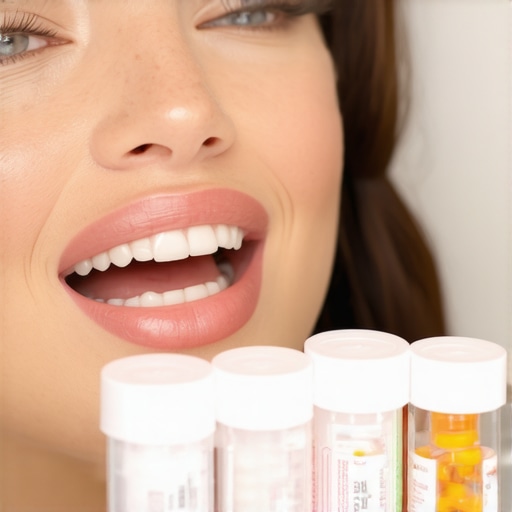
It was a typical Monday morning, and I was fumbling around my bathroom trying to brush my teeth before rushing out the door. Suddenly, I felt a strange, metallic taste in my mouth—not from my toothpaste, but from a minor irritation I hadn’t noticed before. That’s when I realized I had forgotten to mention a new medication to my dentist during my last checkup. It was a lightbulb moment that changed how I view dental visits forever.
The Hidden Link Between Medications and Oral Health
Many people underestimate the importance of sharing your medication list with your dental professional. What might seem like a minor detail can have significant implications for your oral health. Medications can influence your gums, cause dry mouth, or even affect how your teeth respond to treatments. I learned early on that neglecting this information could lead to unexpected complications, like delayed healing or even more severe issues such as infections or bleeding.
Will Your Medications Sabotage Your Smile?
One mistake I made was assuming my medications didn’t matter in a dental context. That was a rookie error. Since then, I’ve come to understand that over 500 drugs can cause adverse oral health effects, including dry mouth, inflammation, or increased bleeding—everything from antihistamines to blood thinners. The key is communication. When my dentist asked about my medications, I realized it wasn’t just a routine question but a vital piece of the puzzle to ensure safe and effective dental care. Want to avoid unexpected surprises in your next checkup? Make sure to keep an up-to-date list of all medications, including supplements and over-the-counter drugs. If you’re unsure about how your meds might impact your dentistry, check out [this article](https://periodontistcare.com/expert-advice-on-crowns-and-teeth-cleaning-for-lasting-results) for more insights. Are you currently facing a similar dilemma or have you ever overlooked this crucial detail? Share your experience in the comments below—you’re not alone! As we explore further, I’ll guide you through why your medication history can make the difference between a smooth appointment and a stressful one, and how you can prepare to protect your smile effectively.
Master Your Daily Oral Care Routine
Start with a high-quality toothbrush that suits your needs, such as a soft-bristled electric brush, which mimics a gentle massage and removes plaque effectively. I once switched from manual to electric toothbrushes and noticed a significant reduction in gum irritation within a week—proof that choosing the right tool makes a difference. Use a fluoride toothpaste and replace your toothbrush or brush head every three months to ensure maximum cleaning power.
Perfect Your Brushing Technique
Position your toothbrush at a 45-degree angle to your gums, and use gentle, circular motions to clean each tooth thoroughly. Avoid aggressive scrubbing, which can damage gums and enamel. I learned this the hard way after a DIY attempt at cleaning my teeth with too much force—causing gum recession. Take about two minutes for the entire mouth, ensuring you reach all surfaces, especially near crowns and along the gumline. Curious about how to adapt your brushing for dental restorations? Check out this article.
Floss with Precision
Use about 18 inches of dental floss, winding it around your middle fingers. Gently slide the floss between teeth, curving it around each tooth in a C shape and moving it up and down to remove plaque and food particles. Don’t snap the floss into your gums; instead, slide it gently. I once skipped flossing for a week and experienced fresh bleeding—yet another lesson in consistency.
Incorporate Mouthwash Wisely
Choose an alcohol-free antiseptic mouthwash to reduce bacteria and freshen breath. Swish for at least 30 seconds, making sure it reaches all areas, including behind your molars. In my routine, I add mouthwash after brushing and flossing, which helps reach those tricky spots around crowns or bridges. For extra protection, consider mouthwashes with fluoride; they toughen enamel and prevent decay.
Schedule Regular Dental Visits
Visit your dentist every six months for professional cleaning and checkups. During my last visit, the hygienist used a device similar to a high-pressure water jet—this effectively removed stubborn plaque and polished my teeth. If you have crowns or dental work, inform your dentist beforehand so they can tailor your cleaning method. Want tips on maintaining your crowns? Visit this guide.
Protect and Maintain Your Crowns
To keep crowns shiny and lasting longer, avoid biting into hard foods like ice or nuts, which can chip the material. Use a mouthguard if you grind your teeth at night. I once cracked a crown by biting into a tough caramel—lesson learned the hard way. Regularly inspect your crowns for signs of wear or looseness, and schedule a checkup if you notice any issues. Proper care now prevents complex and costly repairs later. For detailed advice, see this article.
Focus on Long-Term Dental Confidence
Remember, consistent daily habits, proper technique, and regular professional care are your best defenses against dental problems. Integrating these steps into your routine is like maintaining a well-oiled machine—every part needs attention to run smoothly. Personally, committing to these habits transformed my smile from dull to dazzling, reinforcing my confidence in every social interaction.
Many individuals believe that brushing twice daily and skipping the dentist is enough to maintain optimal oral health, but this oversimplification masks several common misconceptions that can undermine your efforts. For instance, the myth that vigorous brushing cleans better is misleading—aggressive scrubbing can damage gums and enamel, leading to sensitivity and recession. True effective cleaning involves gentle, thorough motions, typically at a 45-degree angle, and appropriate tools, like a soft-bristled toothbrush, which most people underestimate. Also, a prevalent mistake is over-reliance on flossing alone; while essential, flossing cannot reach all areas, especially behind crowns or in deep periodontal pockets, where interdental brushes or water flossers might better serve you.
Another misconception revolves around family dentistry: many assume that once a child’s teeth are clean, there’s nothing more to worry about. However, familial routines should include education on preventing cavities and managing habits like thumb-sucking, which can affect bite development and crown longevity. This is where understanding the nuances of crowns becomes crucial. Crowns aren’t just cosmetic—they play an essential role in restoring function and preventing further decay. Yet, many believe crowns are final fixes, ignoring the importance of ongoing care and the risks of micro-leaks that can cause secondary decay beneath the restoration. Regular checkups are vital to detect such issues early.
**Make sure your approach aligns with these advanced insights**, such as paying attention to the condition of your crowns and understanding their impact on your long-term oral health. For example, improper crown care, or neglecting their maintenance, can lead to complications like loosening or fracture, ultimately compromising your investment in your dental health. If you’re curious about prolonging the life of your crowns or want tailored tips for your family’s oral care routine, check out this guide.
The importance of advanced knowledge becomes clear when you realize that improper brushing or neglecting crown maintenance can cause issues that are costly and invasive to fix later. Studies show that micro-leakages beneath crowns are a leading cause of recurrent decay—highlighting the need for vigilant maintenance and professional evaluations. So, are you ready to improve your oral health strategies and avoid common pitfalls? Share your experiences in the comments and keep learning.
**Have you ever fallen into this trap? Let me know in the comments.**Maintaining your oral health over time requires more than just brushing and flossing; it demands investing in the right tools and establishing consistent routines. Personally, I rely heavily on a combination of electric toothbrushes with adjustable settings and specialized cleaning devices to keep my family’s smiles bright and healthy. For instance, I swear by the Sonicare DiamondClean, which offers multiple brushing modes tailored for sensitive gums and stubborn plaque areas, making daily cleaning more effective and less abrasive. Using a device with a pressure sensor ensures I don’t inadvertently damage my crowns or gums when brushing too hard, a common mistake that can lead to long-term issues. When it comes to flossing, I opt for interdental brushes in tight spaces, especially around crowns and bridges, because they remove plaque more efficiently than traditional floss in those hard-to-reach spots. Incorporating an ultrasonic scaler at home, paired with professional cleanings, can also significantly reduce tartar buildup, prolonging the lifespan of dental restorations and preventing micro-damages. Software tools like Dental Monitoring’s app facilitate remote check-ins with my dentist, allowing for early detection of any issues before they escalate. As dental technology evolves, I predict that integrating AI-powered toothbrushes will become standard, offering real-time feedback to optimize technique and ensure thorough cleaning. For long-term results, consistency is key—set reminders to replace your toothbrush or brush head every three months, and schedule biannual professional cleanings. If you want to ensure your dental crowns last and your family’s smiles stay healthy, consider exploring advanced maintenance tools that suit your needs—your future self will thank you. How do I maintain my oral appliance habits over time? By pairing manual diligence with high-quality, smart tools that provide real-time feedback, I’ve turned routine care into an effective defense against future dental issues. For more tips on caring for crowns specifically, check out this detailed guide. Don’t hesitate to test one of these advanced tools today—upgrading your routine might just be the game-changer you need for long-lasting dental health.
The Hidden Lessons That Transformed My Approach to Oral Care
One of the most profound lessons I learned was the importance of transparency with my dentist about every medication I was taking. Discovering how drugs can subtly influence gums and enamel changed my entire perspective on routine visits. I now realize that being proactive and sharing accurate medication details can prevent unforeseen complications and ensure tailored care. Another insight was recognizing how small daily habits—like gentle brushing and targeted interdental cleaning—play a crucial role in maintaining both aesthetics and health. Over time, I understood that investing in quality tools and proper techniques can drastically extend the lifespan of crowns and restorations. Finally, I learned that regular professional evaluations aren’t just about cleaning; they’re about catching potential issues early. This proactive approach has saved me from costly repairs and helped me sustain a radiant, confident smile.
My Must-Have Resources for Optimal Dental Health
For those eager to elevate their oral care routine, I recommend this comprehensive guide to crown maintenance, which offers practical tips to prolong the life of restorations. I trust this resource for effective at-home cleaning practices tailored for families. When exploring advanced tools, my personal favorite is the Sonicare DiamondClean toothbrush, known for its gentle yet thorough cleaning—something I found invaluable for sensitive gums. For ongoing education, I turn to this portal which combines scientific research with practical advice, helping me stay ahead in my oral health journey.
Your Smile Deserves the Best Attention Today
Remember, your commitment to consistent, mindful oral care isn’t just about aesthetics—it’s an investment in your overall health and confidence. Taking small steps now, like reviewing your medication list before appointments or upgrading your cleaning tools, can have a lasting impact. Your journey toward a healthier, brighter smile begins with the choice to prioritize yourself. So why not start today? Your future self will thank you for the effort and care you invest now.
What’s been your biggest breakthrough in managing your dental health? Share your story below—I’d love to hear what shifted your perspective and helped you enjoy a more confident, pain-free smile!
,