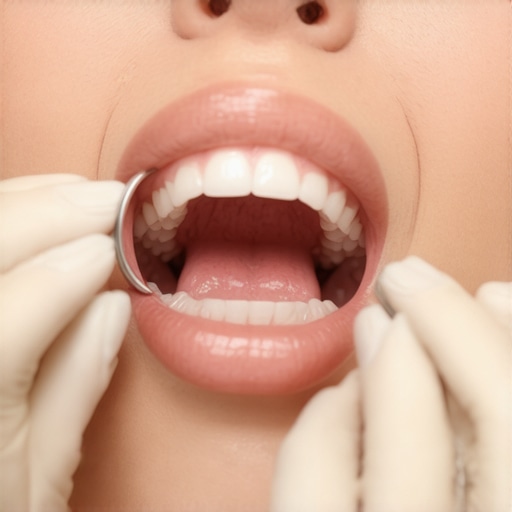
It was late afternoon, and I was sitting in my dentist’s chair, nervously eyeing that lingering taste of yesterday’s coffee. Suddenly, the hygienist asked, “Have you noticed any strange sensations or discoloration on your tongue lately?” I froze. Honestly, I hadn’t given my tongue much thought—until that moment. Later, I realized how often I overlooked the simple yet crucial checkups my dentist performs, especially the routine probing of my tongue.
The Surprising Significance of the Tongue in Oral Health
Thinking back, I remembered my first encounter with this seemingly minor habit. It struck me that my dentist’s gentle examination of my tongue was more than just a routine courtesy—it’s a vital window into my overall health. The tongue can reveal early signs of infections, nutritional deficiencies, or even systemic conditions like diabetes. Many people dismiss these checks as unnecessary, but trust me, they’re a small step with significant implications.
If you’ve ever wondered why your dentist always glances at your tongue during cleanings and exams, you’re not alone. That quick flick of the tongue can be a life-saving move. In fact, studies show that oral signs—like changes in the tongue—can sometimes be the first indicators of health issues elsewhere in the body. For example, a white-coated tongue might signal a yeast infection, while irregular patches could hint at early oral cancer. Recognizing these signs early can lead to prompt treatment and better outcomes.
In this post, I’ll break down exactly why your dentist’s quick check of your tongue matters so much—and share some tips to keep your oral health in top shape. Whether you’re a dental health fanatic or someone who only visits when pain strikes, understanding these details can empower you to be proactive about your wellness.
Is the Tongue Check Just a Cosmetic Gesture or a Crucial Step?
Early in my dental journey, I made the mistake of thinking that tongue examinations were just routine protocol—something to get through quickly. But I learned that overlooking this small step might mean missing early warnings of serious conditions. That’s why I now pay attention when my dentist glances at my tongue, and I encourage you to do the same. Want to learn how to keep your tongue healthy and spot potential issues before they escalate? Stay tuned, because I’ve got some practical advice coming up.
Begin with Consistent Daily Practices
Brushing your teeth twice a day forms the foundation of oral health. Use a soft-bristled toothbrush and fluoride toothpaste to gently clean all surfaces, including your tongue. Incorporate tongue scraping or brushing to remove bacteria that contribute to bad breath and other issues. Remember, thoroughness beats speed—spend at least two minutes brushing, ensuring your tongue gets equal attention.
Master Proper Technique for Effective Cleaning
Think of brushing like polishing a valuable antique; you want gentle, precise strokes that reach every nook. Position your toothbrush at a 45-degree angle to your gums and use circular motions. Don’t forget to clean your tongue from back to front, reaching the entire surface. Micro-story: I once rushed through my routine, only to notice my breath was worse and my tongue coated with bacteria. After adjusting my technique and dedicating extra seconds to my tongue, I saw immediate improvement.
Integrate Tools for Enhanced Results
Consider using a tongue scraper or an electric toothbrush with specialized modes. This helps remove stubborn bacteria and plaque more effectively than manual brushing alone. For example, I started using a silicone tongue scraper, which comfortably covers more surface area and increases cleaning efficiency. Incorporate floss daily to dislodge food particles and plaque between teeth, preventing decay and gum disease.
Adopt a Thematic Oral Hygiene Routine
Establish a consistent sequence: brush, floss, rinse, and scrape. Think of it as a mini-mission where each step builds on the last to optimize your mouth’s health. Regularly replace your toothbrush every three to four months or sooner if bristles fray; worn tools are less effective. Use alcohol-free mouthwash to reach areas your brush might miss, especially after meals.
Schedule Regular Dental Checkups and Cleanings
Set appointments every six months with your dentist, and don’t skip these visits. Professional cleanings remove tartar buildup that daily routines can’t handle, reducing the risk of gum disease. During my last visit, my hygienist pointed out areas I overlooked, giving me specific advice on brushing angles and techniques. Proactively checking your tongue during visits can alert you to early signs of infections or systemic health issues, making these appointments more than just routine—they become vital health milestones.
Stay Vigilant for Changes and Seek Prompt Attention
Observe your tongue and teeth for anomalies like discoloration, irregular patches, or persistent soreness. Use visual cues as early warning signals; think of them as your body’s way of whispering for help. If you notice anything unusual, schedule a consultation promptly. Remember, early intervention often prevents more complex issues down the line. For comprehensive strategies on maintaining crowns and preventing damage, explore these tips for dental crowns.
While many believe that dental crowns are just cosmetic fixes or that brushing alone guarantees perfect oral health, the truth is far more nuanced. A prevalent misconception is that once a crown is placed, little maintenance is needed; however, neglecting proper care can lead to premature failure. For example, understanding the materials used in crowns, such as zirconia versus porcelain, can influence longevity significantly—more than most people realize. For deeper insights, visit these expert tips on crown maintenance.
Are You Overlooking the Impact of Proper Technique in Daily Cleaning?
Many assume that brushing and flossing are enough, but advanced matters like correct brushing angle and pressure are crucial. Incorrect technique can cause gum recession or wear down enamel, undermining your oral health over time. Intriguingly, studies reveal that improper brushing may do more harm than good, especially around crown margins or gum line. Learn more about effective home practices here. Moreover, many overlook that regular professional cleanings do more than maintain aesthetics—they are vital in preventing periodontal disease, which links to systemic conditions like heart disease, as highlighted in this study.
The Hidden Danger of Common Oral Health Practices
For example, some people think using abrasive whitening toothpaste or harsh mouthwashes can improve their smile instantly. But, these products can erode enamel if misused, especially on sensitive crowns or natural teeth. A surprising nuance is that overuse of whitening products can lead to uneven coloration, making restorations stand out negatively. For comprehensive advice, read this guide. Additionally, habitual habits like chewing ice or using teeth as tools can jeopardize both crowns and natural teeth, leading to cracks or dislodgement—mistakes best avoided. Expert advice here emphasizes that understanding material limitations and daily habits significantly extends the lifespan of dental work. So, ask yourself, are you unknowingly compromising your dental investments? How might adjusting your routine help you preserve that healthy smile longer? Have you ever fallen into this trap? Let me know in the comments.
Maintaining your dental restorations and overall oral health requires more than just routine brushing and flossing. Investing in the right tools and adopting effective maintenance strategies can significantly extend the lifespan of crowns and keep your mouth healthy. One indispensable tool I personally rely on is the electric toothbrush with a mounting mode. It provides consistent, gentle cleaning that reaches difficult areas around crowns and natural teeth, reducing plaque buildup and preventing decay. The oscillating-rotating action of my model, which I use daily, ensures thorough removal without excessive pressure, safeguarding delicate crown margins. Expert advice emphasizes that such tools are essential for long-term success.
Additionally, I incorporate specialized interdental brushes designed for effectively cleaning tight spaces—a task critical around crowns and bridges. These small brushes slide smoothly between teeth and under pontics, preventing food entrapment and bacterial growth. I’ve found that using them daily, especially after meals, curtails the risk of secondary decay and gum disease. For stubborn biofilm, I turn to ultrasound plaque removers. Though more advanced, these devices vibrate at high frequencies to dislodge plaque from hard-to-reach areas, making them a solid investment if you’re serious about oral health. Learn more about their benefits.
How do I maintain my dental restorations over the years?
Preventive measures are key. Regular professional cleanings—generally every six months—are vital in removing tartar and checking the integrity of crowns. I schedule my appointments proactively, ensuring that any early signs of wear or micro-leaks are promptly addressed. Using a fluoride rinse after brushing strengthens enamel and shields against acid erosion, especially around crown margins. Many underestimate the importance of avoiding hard foods or abrasive toothpaste, which can cause chipping or wear over time. Staying vigilant about these factors, along with consistent home care and using effective tools, ensures your crowns stay functional and aesthetically pleasing for years to come. To gain deeper insights into best practices, visit this resource.
Looking ahead, the trend leans toward smarter, connected dental tools that actively monitor plaque levels and remind you when to brush or floss. Imagine toothbrushes that sync with smartphone apps, providing real-time feedback on your technique. Embracing such innovations will make long-term maintenance even more effective. For now, I recommend trying out a high-quality electric toothbrush coupled with interdental brushes—it’s a game-changer in preserving your dental investments and maintaining oral health efficiently.
If you’re ready to take your crown care to the next level, consider incorporating ultrasonic plaque removers into your routine. Their proven efficacy, as noted in scientific research, makes them a worthwhile addition. Start today by trying one of these advanced tools to see immediate improvements in your oral wellness.
< >
>
Lessons That Changed My Perspective on Dental Care
- Realizing that my daily routine isn’t just about fresh breath but about catching early signs of systemic health issues. A small anomaly in my tongue or gums could have gone unnoticed if I ignored the routine checks.
- Understanding that tools like electric toothbrushes and interdental brushes are not luxuries but essential partners in preserving my investments in dental restorations. Investing in quality tools has paid off in longevity and confidence.
- Recognizing that my dentist’s quick glance during checkups is a window into my overall health, not just my oral cavity. That simple check can be a lifesaver in disguise.
My Go-To Resources for a Smile That Lasts
- Expert guidance: I trust the advice from this resource because it combines professional expertise with real-world tips, making it actionable and applicable.
- Tools for maintenance: My electric toothbrush with specialized modes, as recommended here, has transformed my routine. It’s reliable and gentle, yet effective in removing plaque around crowns.
- Educational insights: I often revisit this guide for deep dives into crown care, ensuring I stay ahead of potential issues.