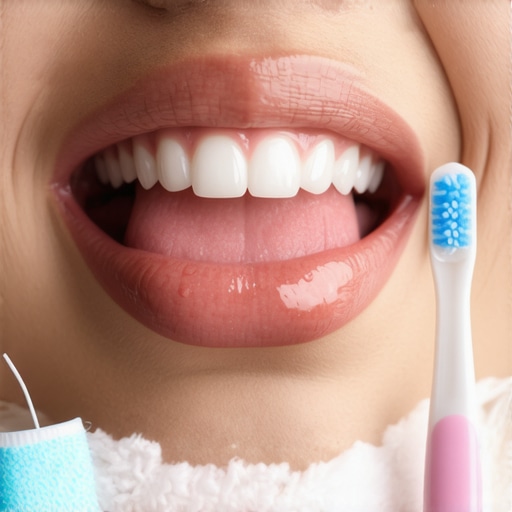
I remember the first time I finished a thorough brushing, only to feel that unmistakable sticky sensation clinging to my teeth. It was both frustrating and confusing. Despite spending extra time with floss and mouthwash, that lingering film just wouldn’t go away. Sound familiar? If you’re nodding along, you’re not alone. Many people experience this odd sensation, and it’s more common than you might think.
Can You Get a Fresh Start with Your Teeth?
Understanding why your teeth feel sticky after brushing isn’t just about satisfying curiosity; it can impact your overall oral health. That sticky feeling often signals that there’s more at play than just leftover food particles. It could be an indicator of plaque buildup, residue from certain foods or drinks, or even the effects of dental restorations like crowns. Today, I’ll share my personal journey and insights so you can reclaim that clean, fresh feeling every time you brush.
The Myth of the Perfect Brush: Are We Missing Something?
Early on, I made the mistake of thinking that increasing my brushing time or switching to a more expensive toothpaste would solve the problem. But as I learned, overbrushing can sometimes harm your gums and enamel rather than help. A better understanding of your routine and the causes behind that sticky feeling can make all the difference. For trustworthy tips on effective cleaning practices, check out these effective home practices.
Choose the Right Tools for Daily Cleaning
Start by selecting a soft-bristled electric toothbrush, which provides consistent motion and reduces the risk of gum damage. Use a fluoride toothpaste that suits your sensitivity level. I once tried switching to a manual brush during a camping trip; however, the vibrations of my go-to electric brush made cleaning faster and more thorough, especially around crowns and hard-to-reach areas.
Master Technique with Proper Brushing
Angle and Motion Matter
Hold your brush at a 45-degree angle against your gums. Use gentle circular motions rather than harsh back-and-forth scrubbing, which can irritate gums and wear down enamel. I learned this the hard way when I neglected the proper angle and ended up with minor gum sensitivity. This technique mimics professional cleaning standards and minimizes damage.
Brush All Surfaces
Ensure you brush the fronts, backs, and chewing surfaces of every tooth. Don’t forget the inside of your front teeth—angle your brush vertically and make gentle strokes. While cleaning my own teeth, I found that dedicating at least two minutes ensures all surfaces are addressed thoroughly.
Incorporate Flossing into Your Routine
Use a waxed floss to slide gently between teeth, curving the floss around each tooth in a C-shape. This action removes plaque and debris that your brush can’t reach. After getting used to this step, I noticed my gums looked healthier within a week, and my breath stayed fresher longer.
Rinse with Purpose
Use an antibacterial mouthwash to reduce bacteria and lingering film. Swish for at least 30 seconds, making sure every corner is reached. This step is especially beneficial if you have crowns, as it helps prevent plaque buildup spots around their edges. I add mouthwash after every thorough brushing session, which leaves my mouth feeling clean and refreshed.
Target Specific Concerns Effectively
Caring for Crowns and Restorations
Use a non-abrasive brush and avoid harsh scrubbing over crowns to prevent damage. Pay extra attention to the margins where plaque can hide, and once a week, gently floss around restorations. Regular check-ups help identify any issues early. I have crowns myself, and diligent cleaning has extended their longevity.
Manage Sensitivity Post-Procedure
If your teeth or crowns feel sensitive after cleaning, use desensitizing toothpaste and avoid overly hot or cold rinses. Over time, proper technique reduces sensitivity, and I reduced mine by switching to a specially formulated toothpaste for sensitive teeth.
Schedule Regular Professional Cleanings
Visit your dentist every six months for a professional cleaning that removes tartar and ensures your routine stays on track. This is the best way to tackle stubborn plaque on crowns or in hard-to-clean spots. During my last visit, the hygienist recommended a specific cleaning technique that I now incorporate into my daily routine, drastically reducing that sticky film sensation.
Many people believe that brushing harder removes more plaque, but in reality, aggressive brushing can damage your gums and enamel, leading to sensitivity and recession. It’s a common misconception that more thorough cleaning always means tougher brushing; instead, gentle yet effective techniques are key, as highlighted by experts in dental health. Additionally, some assume that crowns don’t require special care beyond regular brushing, but improper maintenance can shorten their lifespan and cause complications, emphasizing the need for targeted advice from your dentist. Did you know that using abrasive toothpaste may wear down both natural teeth and crowns over time, making it crucial to select the right products for your specific needs? Furthermore, many overlook the importance of proper flossing techniques around crowns—they should be gently cleaned without damaging the restoration. For advanced insights on maintaining your dental work, check out these expert tips. When it comes to family dentistry, there’s a tendency to defer regular check-ups thinking they’re unnecessary if there’s no pain, yet early detection of issues like micro-leaks or gum disease can prevent costly repairs later. Have you ever fallen into this trap? Let me know in the comments. Recognizing these nuances is vital for long-term oral health and preserving your smile. Regular professional cleanings adjusted to your unique needs can mitigate many of these common pitfalls, especially around crowns and restorations, and ensure your routine truly benefits your oral health. Literacy about these hidden factors transforms routine care into a powerful tool against future problems, so stay informed and proactive.Maintaining your oral health over time requires more than just regular brushing and flossing; it calls for investing in the right tools and adopting effective routines. One of my top recommendations is a high-quality electric toothbrush, such as the Oral-B Genius X. I personally use it because its oscillating-rotating technology ensures a thorough clean, especially around crowns and bridges, which can be tricky to clean manually. Additionally, the built-in timers help me stay on track, guaranteeing a full two-minute brush each session. For improved gum health, I favor a water flosser like the Waterpik Aquarius, which effectively removes plaque and debris from between teeth without harsh abrasions. I find it particularly useful around dental restorations to prevent buildup that can cause that persistent sticky feeling. Regular use of interdental brushes for tighter spaces enhances cleaning around crowns and fixed bridges, reducing the risk of plaque accumulation and cavities. To keep track of my routine and progress, I utilize dental tracking apps like Dental Monitoring, which allow me to upload photos and receive feedback from my dentist remotely. As technology advances, I predict that smart toothbrushes integrated with AI and augmented reality will become standard, offering personalized guidance and real-time feedback for even better outcomes. How do I maintain my tools over time? I ensure my electric toothbrush heads are replaced every three months, following the manufacturer’s instructions, to maintain optimal cleaning efficiency. I also regularly descale my water flosser and replace attachments as recommended by the manufacturer to prevent bacterial buildup. Proper maintenance prolongs the lifespan of these tools and ensures consistent performance. For detailed advice on caring for your crowns and restorations, visit this resource. Remember, investing in reliable, specialized tools and maintaining them diligently can significantly improve your oral health outcomes and preserve your smile for years to come. For more insights on effective home practices, check out these expert tips. Don’t forget to schedule regular dental check-ups, where your professional can assess your tools’ effectiveness and suggest updates as technology evolves. Try incorporating a smart electric toothbrush into your routine today and take control of your long-term oral health.
The Hidden Lessons Behind Every Sticky Feel
One of the biggest revelations in my dental journey was realizing that a lingering sticky sensation isn’t just a minor annoyance—it’s often a sign that I’ve missed a crucial step or fallen into a common trap. For me, understanding that gentle, thorough cleaning and the right tools matter more than brute force was a game-changer. Sometimes, a small tweak in technique or switching to a specialized toothbrush can make all the difference in feeling genuinely fresh after your routine.
Must-Have Tools That Keep Your Smile Bright
I’ve curated a set of trusted tools that truly elevate my oral health: from my electric toothbrush (the Oral-B Genius X, which I’ve found unbeatable for crowns and tricky spots) to my Waterpik Aquarius water flosser, which effortlessly clears debris without damaging sensitive gums. Incorporating interdental brushes for narrow spaces has also helped me prevent plaque buildup around restorations. These aren’t just gadgets—they’re investments in your long-term smile health.
Everyday Actions That Prevent Hidden Damage
Consistent, mindful technique is vital. Holding your brush at a 45-degree angle and using gentle circular motions protect your gums and enamel, especially when dealing with crowns. Flossing isn’t just about removing debris—it’s about gently cleaning margins around restorations to prolong their life. And don’t underestimate the power of regular professional cleanings—they’re essential in catching issues before they become discomfort or costly repairs, as emphasized in these expert tips.
Insider Wisdom That Changed My Practice
- Overbrushing can do more harm than good: Gentle, effective brushing beats aggressive scrubbing every time. I learned to listen to my gums and avoid harsh movements, which preserved my enamel and prevented sensitivity.
- Choosing the right toothpaste matters: Abrasive products wear down crowns and natural teeth alike. I now select non-abrasive, fluoride-rich options tailored for sensitive teeth and restorations, available through trusted dental brands.
- Don’t overlook the power of technology: Apps that monitor your routine and remind you to replace brush heads or flossers keep my habits consistent. As AI advances, I believe smart toothbrushes will revolutionize home dental care even further.
Tools and Resources That Elevated My Routine
- Effective home practices guide: Offers step-by-step routines to optimize daily cleaning habits.
- Caring for crowns resource: Essential tips to extend the lifespan of your restorations.
- Expert advice on crowns: Deep insights from specialists on maintenance and longevity.
Your Journey Starts Now—Keep Smiling Bright
Every smile is unique, and investing time in mastering your personal dental routine ensures that your confidence shines every day. Remember, a truly clean smile is built on the right tools, gentle techniques, and consistent professional care. Don’t wait for problems to surface—take proactive steps today to enjoy lifelong oral wellness with that fresh, sticky-free feeling always within reach.