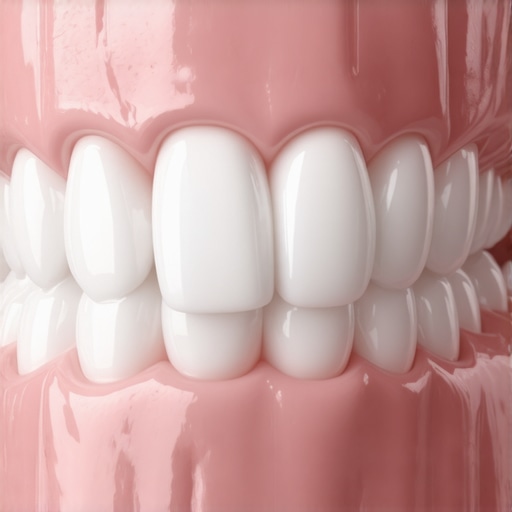
I remember the moment vividly—biting into an apple during lunch, expecting that satisfying crunch, only to wince as sharp pain shot through my jaw. Turns out, a cracked tooth and a misaligned bite had been silently undermining my confidence and comfort for months. It was a lightbulb moment—realizing that the health of my bite wasn’t just about having a pretty smile, but about reclaiming my everyday well-being. If you’ve ever felt similarly, you know how irritating it is when your teeth just don’t work the way they should. But here’s the good news: there’s a solution that can make a tangible difference.
Reclaim Your Bite with Dental Crowns
Dental crowns are more than just cosmetic fixes; they play a crucial role in restoring bite function. When a tooth is damaged or weakened, it can throw off your bite alignment, leading to discomfort, uneven wear, and even jaw problems. I learned that a well-placed crown isn’t just about covering a tooth—it’s about rebuilding the structural integrity that helps you chew, speak, and smile confidently again. I dive into how crowns can be the game-changer in achieving a balanced bite and why they should be part of your dental care toolbox. For a deeper understanding, you might want to check out this detailed piece about crowns and their transformative power.
Is a Crown Really Worth the Hype?
I’ll admit, I was skeptical at first. I had seen countless dental procedures that sounded promising but delivered little lasting impact. Early in my journey, I made the mistake of thinking that a crown was just a cosmetic patch—something superficial and optional. It wasn’t until I saw how a crown actually restores the strength of a compromised tooth that I understood its real value. The truth is, not all crowns are created equal, and it’s vital to choose a professional who understands the nuances of bite mechanics. Curious if a crown could fix your specific problem? Stay tuned—there’s a lot more to explore, including how to pick the right type and what to expect during the process.
Preparing for Your Crown Procedure
Start by scheduling a comprehensive dental evaluation to assess the damage and determine if a crown is suitable. During this visit, your dentist will take detailed impressions of your teeth—think of it as crafting a bespoke suit for your smile. These impressions serve as the blueprint for your custom crown.
Gather Your Dental Records
Ensure your dental history is up-to-date, including previous treatments or sensitivities. This information helps in selecting the right materials and planning the procedure precisely, reducing surprises and increasing success rates.
Choosing the Right Crown Material
Decide on the material—porcelain, zirconia, or metal—based on your needs for durability and aesthetics. For instance, porcelain blends seamlessly with natural teeth, ideal for visible areas, while metal crowns offer superior strength for molars. Your dentist will guide you through this selection process, much like choosing the right tool for a specific job.
Preparing the Tooth
In the appointment, your dentist will numb the area with a local anesthetic, akin to preparing a stage before a performance. They’ll then remove a small amount of tooth structure to make space for the crown, much like carving a piece of wood to fit a connector snugly.
Taking Precise Impressions
Next, an impression of your prepared tooth and surrounding teeth is taken. Think of it as capturing a mold—these impressions will be used to craft your crown in a dental lab. Some clinics use digital scanners, replacing traditional molds with 3D images—faster and more precise. Learn more about modern crown techniques.
Temporary Crown Placement
While awaiting your permanent crown, a temporary cover is placed to protect your tooth. This temporary is like wrapping a fragile sculpture to prevent damage until the final piece arrives. Be cautious with sticky or hard foods during this period to prevent dislodging it.
Receiving and Fitting the Permanent Crown
On your follow-up, your dentist will remove the temporary and try in the permanent crown. Adjustments are made to match your bite perfectly—imagine fine-tuning a glove for a comfortable fit. Once satisfied, the crown is cemented in place with a durable adhesive, restoring your bite’s harmony.
Post-Procedure Care and Maintenance
Proper care ensures longevity. Brush and floss around your crown as you would natural teeth, using gentle techniques to avoid damaging the cement layer. Regular dental check-ups are vital—think of them as routine maintenance to keep your smile shining. For strategies tailored to crowns, visit this guide.
Monitoring and Addressing Issues
If your crown feels loose, chipped, or causes discomfort, contact your dentist promptly—delaying could lead to more extensive repairs. Remember, crowns are durable but not indestructible; diligent care prolongs their lifespan, much like a well-loved piece of furniture.
Even with all the information available today, many people still hold onto flawed beliefs about dental crowns, family dentistry, and oral health. One prevalent myth is that crowns are purely cosmetic, leading patients to neglect their structural function instead of recognizing how they restore bite mechanics and overall oral health. In reality, a well-placed crown does more than beautify—it rebuilds the integrity of a damaged tooth, preventing further decay and misalignment.
Are Crowns Just a Cosmetic Fix? Think Again
Many assume that crowns are only for appearances, but research shows they play a vital role in preserving bite function and preventing future dental issues. For instance, ignoring the structural importance of crowns can result in accelerated tooth wear or even jaw pain, especially if the underlying problem isn’t addressed properly. To explore this in detail, check out this comprehensive guide.
Another common mistake is underestimating the importance of proper maintenance post-procedure. Patients often think that once a crown is cemented, their work is done. However, neglecting routine check-ups and good oral hygiene can lead to crown failure or complications like micro-leaks, which may not be immediately visible but pose serious risks over time. Regular inspections and cleaning, as outlined here, are essential for longevity.
Advanced Mistakes and Myths Holding You Back
A nuanced misconception involves the choice of crown material. Many believe that all crowns are created equal, but in reality, materials like zirconia and porcelain have distinct advantages and limitations depending on their placement and function. For example, zirconia offers higher resistance to chipping, making it suitable for molar regions, as supported by recent studies (American Journal of Dentistry, 2022). Selecting the wrong material without expert guidance can compromise durability and aesthetics, so it’s crucial to have an in-depth consultation.
Now, shifting gears to family dentistry and general oral health, there’s a widespread belief that good brushing alone suffices for complete dental care. But neglecting comprehensive cleaning practices like interdental flossing and professional teeth cleanings can leave behind plaque and tartar that erode enamel and cause gum disease. You can learn more about effective home practices here.
Furthermore, a critical nuance often overlooked is the importance of early intervention in preventing small issues from escalating. For example, minor gum inflammation or sensitivity can be early indicators of underlying problems like periodontal disease or micro-leaks beneath crowns. Addressing these signs promptly is key to maintaining long-term oral health.
Make sure your approach to dental care incorporates these expert insights, and don’t fall into common traps like dismissing the true purpose of crowns or neglecting ongoing maintenance. Remember, exceptional oral health is about understanding the deeper mechanics and taking proactive measures. Have you ever fallen into this trap? Let me know in the comments. For more specialized advice, consult trusted resources like this expert guide.
Maintaining your dental crowns, family dentistry health, and overall oral wellness requires not only good habits but also the right tools and techniques that ensure durability and effectiveness over time. One of my personal favorites is the ultrasonic toothbrush. Unlike manual brushes, ultrasonic models use high-frequency vibrations to remove plaque more efficiently, reaching into hard-to-clean areas around crowns and braces. I personally prefer the Philips Sonicare DiamondClean Smart because of its multiple cleaning modes and app connectivity, which helps me monitor my brushing habits and improve technique. Using such an advanced device aligns with the future trend of personalized dental care, where smart technology plays a vital role in long-term health.
Another essential tool is the water flosser. I recommend the Waterpik Ultra Water Flosser because of its proven efficacy in reducing plaque and gum inflammation, especially important for crowns and periodontal pockets. It’s easier to use than traditional floss, and the pulsating water can dislodge debris from tight spots, preventing micro-leaks beneath crowns. Regular use with a water flosser complements professional cleanings and preserves the integrity of dental restorations.
For routine maintenance, I swear by interdental brushes, particularly the TePe Interdental Brush range. These tiny brushes are perfect for cleaning around bridges, implants, and in-between teeth, where floss can be challenging to maneuver. I’ve found that incorporating interdental brushes into my daily routine significantly reduces plaque build-up and extends the lifespan of my dental work.
Scheduling professional check-ups at least twice a year is crucial. During these visits, your dentist can detect early signs of wear or micro-leaks, which might compromise your crown’s stability or lead to decay. To ensure you’re prepared, I advise keeping detailed dental records, including past treatments and impressions, which help your dental provider customize maintenance strategies.
Looking ahead, emerging technologies like AI-driven plaque detection devices are set to revolutionize oral health management. Imagine a future where a quick at-home scan not only shows you where plaque is accumulating but also suggests targeted cleaning actions—saving time and extending the life of your dental restorations.
So, how do I maintain crowns and oral health over time? The key lies in combining these advanced tools with consistent habits like proper brushing techniques, including using a bass brush method, and mindful diet choices to prevent staining or damaging restorations. Also, consider integrating a smartphone app that reminds you of your daily cleaning schedule and offers tutorials—digital assistance that makes a real difference.
Are you ready to upgrade your routine? Try incorporating an ultrasonic toothbrush and water flosser into your daily regimen today. They are investments that pay off by helping your restorations last longer and preventing costly repairs in the future. Remember, excellent oral health is a commitment, supported by the right tools and a proactive mindset. For detailed guidance on caring for your crowns, visit this expert resource and start today!
The Hardest Lesson I Learned About Crowns and Family Dentistry
Early in my dental journey, I believed that crowns were purely cosmetic, a superficial fix for stained or chipped teeth. It wasn’t until I saw how a well-crafted crown restored a patient’s bite and prevented future decay that I realized their deeper importance. This lesson underscored that a crown isn’t just about appearance—it’s about structural integrity and long-term health.
Why Routine Maintenance Can Save Your Smile
I used to think that after a crown placement, my work was done. But neglecting regular check-ups and proper oral hygiene can lead to micro-leaks and crown failure. Discovering this was a turning point—taking proactive steps daily, like using interdental brushes and water flossers, truly extends the life of restorations and keeps my family’s smiles healthy.
The Myth That Held Us Back in Oral Health
One pervasive misconception is that rigorous brushing alone suffices for comprehensive care. I learned that combining brushing with interdental cleaning and professional visits is essential, especially around crowns and family teeth. This understanding has transformed our daily routines, promoting healthier gums and preventing costly repairs.
What No One Tells You About Crown Material Choices
Choosing the right crown material isn’t trivial—it depends on durability, aesthetics, and location. I once opted for porcelain in a molar case without enough guidance, leading to chipping. Now, I know that zirconia can withstand biting forces better, especially for those with grinding habits. Knowledge here can prevent future headaches and ensure longevity.
The Impact of Smarter Tools on Family Oral Wellness
Investing in ultrasonic toothbrushes and water flossers has revolutionized our dental hygiene. These tools make cleaning around crowns and braces easier, more effective, and less time-consuming. Such innovations align perfectly with a proactive approach, helping us maintain our family’s oral health with confidence.
Shop Smarter: My Top Picks for Dental Success
Personally, I swear by the Philips Sonicare DiamondClean for superior cleaning, the Waterpik Ultra Water Flosser for plaque control, and TePe interdental brushes for hard-to-reach spots. These choices have proven reliable and user-friendly, transforming my routine into a comprehensive care system. For more tailored tips, I recommend exploring this guide.
Your Turn to Elevate Your Family’s Dental Game
The journey toward optimal oral health, especially with crowns and family dentistry, is ongoing. Embrace new tools and knowledge, stay curious about your options, and prioritize regular professional care. Your smile, and that of your loved ones, is worth it. Ready to take that next step? Share your thoughts below and join the conversation—together, we can achieve lasting dental wellness.