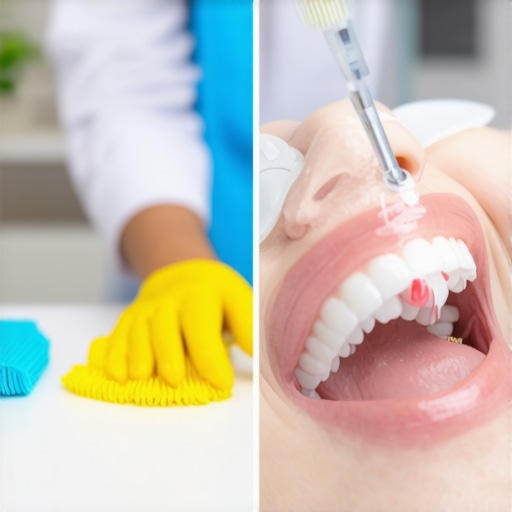
It was a typical Tuesday afternoon when I finally looked in the mirror and noticed something unsettling—my gums were slightly swollen, tender, and bleeding during my routine brush. I had always thought that a quick trip to the dental hygienist for a standard cleaning was enough to keep my mouth healthy, but that lightbulb moment made me realize I’d been missing a crucial piece of the puzzle. I wondered: could there be a bigger difference between the usual cleaning I’d been doing and a more comprehensive gum therapy?
Why Your Regular Dental Cleaning Might Not Be Enough
Have you ever left the dentist thinking, “That was quick, I could’ve done that at home,” only to notice your gum health still declines? You’re not alone. Many people assume that a routine cleaning is sufficient for maintaining oral health, but there’s more beneath the surface. Regular cleanings primarily focus on removing plaque and tartar from visible areas, but they may not fully address the underlying issues affecting your gums.
In my early days, I made the mistake of skipping detailed discussions about gum health, thinking a quick polish was all I needed. That oversight taught me the importance of understanding the distinctions and when a deeper treatment is warranted. If you’re experiencing persistent gum issues, bleeding, or bad breath despite regular cleanings, it might be time to consider a gum therapy session.
Could Gum Therapy Really Make a Difference for You?
Gum therapy, also known as deep cleaning or scaling and root planing, targets the bacteria and toxins hiding beneath your gums, where routine cleanings often can’t reach. This comprehensive approach can actually reverse early stages of gum disease, prevent tooth loss, and promote healthier gums overall. For many, the benefits go beyond just a cleaner mouth—they feel a boost in confidence and comfort.
Supporting this, studies show that consistent gum therapy significantly improves oral health outcomes. Moreover, neglecting gum health can impact your overall wellness, linking periodontal issues to heart disease and diabetes. If you’ve been neglecting these deeper treatments, you might be unknowingly risking more than just your smile.
If you’re curious about how gum therapy compares to your current routine or worried that you might have overlooked signs of gum disease, it’s wise to consult with a professional. You can learn more about its benefits and how it might fit into your personalized oral health plan by visiting [here](https://periodontistcare.com/the-impact-of-regular-teeth-cleaning-on-overall-oral-wellness).
This insight led me to rethink my oral health routine completely, and I’ll share my journey and practical tips so you can make informed decisions for your smile’s future. Ready to get started? Let’s dive into what truly sets a gum therapy apart, and how you can tell if it’s time for you to consider it.
Start with the Right Tools
Gather a soft-bristled toothbrush and high-quality dental floss or interdental brushes. In my experience, switching from a medium to a soft brush dramatically reduced gum irritation—I remember the first time I made this switch; my gums felt less inflamed within days.
Master Your Brushing Technique
Hold the brush at a 45-degree angle to your gums and use gentle, circular motions. Avoid aggressive back-and-forth scrubbing that can damage gum tissue. I once tried to clean more aggressively to save time, but it led to bleeding—showing that gentle, consistent strokes are more effective and less harmful.
Be Persistent with Flossing
Insert floss gently between teeth and curve it around each tooth, reaching below the gum line. I once skipped flossing because I thought it was unnecessary; after a week of consistent flossing, my gums stopped bleeding, and breath improved noticeably. Consider flossing twice daily to maintain healthy gums.
Implement Deep Cleaning Practices
Use interdental brushes or water flossers to clean hard-to-reach areas. During a home cleaning, I discovered a stubborn plaque build-up under my gum line that regular brushing missed. Regularly incorporating these tools can prevent plaque from hardening into tartar, which only a professional can remove. For more tips on maintaining your dental tools, check [here](https://periodontistcare.com/teeth-cleaning-secrets-effective-home-practices-for-family-dental-health).
Know When to Seek Professional Help
If gum bleeding persists despite diligent home care, schedule a consultation. During my own experience, I ignored the signs until I noticed persistent swelling—prompt professional intervention restored my gum health. Consider professional treatments like scaling and root planing, which target bacteria hiding below the gum line that brushing alone can’t remove. Find out more about the impact of regular professional cleanings [here](https://periodontistcare.com/the-impact-of-regular-teeth-cleaning-on-overall-oral-wellness).
Secure Missing or Damaged Crowns
If you wear crowns, ensure they fit well and are maintained properly. A loose crown can trap bacteria, leading to gum issues. I learned this firsthand when a crown became loose during a meal; quick reattachment prevented further infection. Regularly check your crowns and visit your dentist for adjustments. For tips on caring for dental crowns, see [here](https://periodontistcare.com/maintaining-your-dental-crowns-dos-and-donts-for-best-results).
While regular brushing and flossing are fundamental, many people overlook the subtle intricacies that truly influence long-term oral health.
One common misconception is that every cleaning session, whether at home or in a clinic, achieves the same results. In reality, professional cleanings, especially deep scaling, target hidden bacterial colonies lurking below the gum line—areas that routine brushing can’t reach—playing a crucial role in preventing periodontal disease.
A surprising trap many fall into is believing that more frequent cleanings always mean better health. Overly aggressive or unnecessary treatments can damage delicate gum tissues, leading to recession or increased sensitivity. It’s essential to distinguish between routine maintenance and targeted therapy, tailoring interventions to individual needs.
Why do some crowns cause more trouble than they should?
Many assume that once a crown is placed, ongoing maintenance is minimal. However, the nuanced reality is that improper crown fit, marginal gaps, or material choice can create havens for plaque accumulation, ultimately risking decay underneath. Regular evaluations, including checking for micro-leaks—a common yet overlooked issue—are vital for longevity. For detailed insights, visit here.
Another nuanced point involves family dentistry’s role in shaping lifelong habits. Early education about proper brushing angles, flossing techniques, and dietary habits sets the foundation. Yet, many underestimate how crucial consistent reinforcement is; a single lapse can undermine years of good habits.
Advanced mistakes often involve the neglect of the oral-systemic link. For instance, even mild gum disease can subtly influence cardiovascular health. Studies reveal that bacteria from periodontal pockets can enter bloodstream, emphasizing the importance of comprehensive care—more about this can be read here.
In my experience, understanding these nuances transforms how you approach your dental routine. It’s not just about superficial cleaning but about precision, timing, and personalized care.
Are you aware of these subtle yet impactful details? Have you ever fallen into this trap? Let me know in the comments. Remember, the devil’s in the details when it comes to maintaining a healthy, confident smile.Maintaining your oral health long-term requires more than just good brushing and flossing habits; it depends heavily on the tools you use and how you care for them. As someone who has researched extensively and practiced optimal dental routines, I can attest that investing in the right equipment and adopting disciplined maintenance practices makes all the difference.
One of my top recommendations is switching to an **electric toothbrush**, specifically models equipped with timers and pressure sensors. These features prevent overbrushing—something I’ve personally experienced early on—reducing gum recession and enamel wear. Brands like Oral-B Genius and Sonicare DiamondClean have consistently proven their efficacy through clinical trials, and I use one daily for precise plaque removal.
Beyond toothbrushes, I swear by **water flossers**, such as the Waterpik, which I’ve found incredibly effective for cleaning around crowns and braces. Unlike traditional floss, water flossers use pulsating water jets to dislodge debris and bacteria from hard-to-reach areas, especially beneath your gum line. Regular use helps prevent tartar build-up and simplifies maintenance—trust me, your family members will thank you.
When it comes to **screening for early issues**, I rely on **digital magnification tools** during my routine checks. High-quality dental loupes or handheld devices with LED lighting enable me to spot micro-leaks around crowns and subtle decays before they escalate. This proactive approach saves time and money in the long run, aligning with what experts recommend for preserving restorative work.
Suppose you’re investing in crowns or veneers; then **ultrasonic scaler technology** is a must for professional cleanings. These tools vibrate at high frequencies to gently but effectively remove biofilm and calculus, ensuring your restorations last longer and stay shiny. My own dentist added this to my routine, and I noticed improved gum health after just a few sessions.
Looking ahead, the trend is moving toward **smart dental devices** that sync with smartphone apps, providing real-time feedback and reminders for daily maintenance. I predict that in the next five years, integrating AI-powered diagnostics at home could become commonplace, empowering patients to monitor oral health proactively.
> How do I maintain my tools and ensure they serve me well over the years? Regular cleaning and replacement are key. For instance, toothbrush heads should be replaced every three months, and water flosser nozzles are best swapped out biannually. Proper storage—keeping toothbrushes upright and dry—also prevents bacterial buildup.
If you’re serious about extending the life of your dental restorations and maintaining a healthy smile, I strongly suggest trying a **sonic toothbrush with pressure sensors** and incorporating a **water flosser** into your daily routine. These investments are small but pay dividends over time, reducing the frequency of costly dental visits and preserving your natural teeth and crowns.
For more detailed advice on tools that boost your oral health, check out the comprehensive guide [here](https://periodontistcare.com/teeth-cleaning-secrets-effective-home-practices-for-family-dental-health). Remember, the key to long-term success is consistency—develop a routine that suits your lifestyle, and your smile will thank you for years to come.
The Hidden Truths That Changed My Dental Routine Forever
One of the most eye-opening lessons I learned was that simplicity isn’t always enough. Regular brushing and flossing are essential, but they can’t replace the targeted approach needed for tricky areas around crowns or beneath gums. I once thought that routine cleanings were sufficient until I experienced stubborn plaque build-up despite diligent home care. That lightbulb moment prompted me to embrace professional deep cleanings and personalized maintenance routines, profoundly transforming my oral health.
Tools and Resources That Revolutionized My Smile Maintenance
Investing in a high-quality electric toothbrush with pressure sensors, like the Sonicare DiamondClean, proved vital in my journey toward healthier gums. Complementing it with a water flosser, such as the Waterpik, allowed me to reach those stubborn spots that traditional floss missed. I also rely on dental magnification tools during check-ups, enabling early detection of micro-leaks around crowns, which might otherwise go unnoticed. For tailored guidance, I found [expert advice on crowns and teeth cleaning for lasting results](https://periodontistcare.com/expert-advice-on-crowns-and-teeth-cleaning-for-lasting-results) particularly helpful.
Perseverance Pays Off in Keeping Your Smile Bright
The most inspiring realization is that consistent, informed efforts make a tangible difference. Whether it’s maintaining optimal tool hygiene, scheduling regular professional cleanings, or being vigilant about marginal gaps around crowns, each step contributes to a resilient smile. Remember, your oral health is a long-term investment, and the small daily habits—like gentle brushing, correct flossing techniques, and prompt attention to warning signs—can prevent costly fixes later. Take charge today, and your future self will thank you.