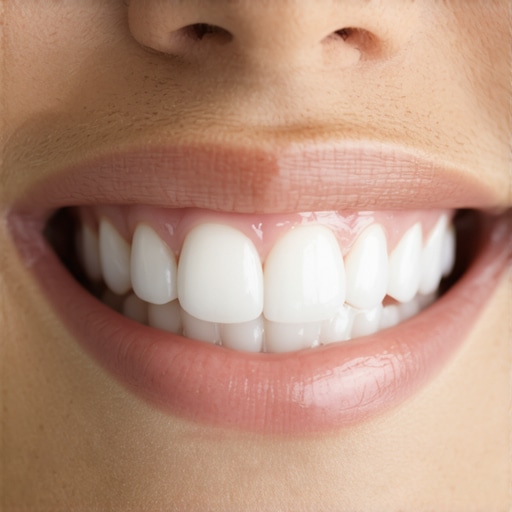
I remember the exact moment I realized I needed to address my stained teeth. It was during a family dinner, and I caught my reflection in a shiny spoon. Instead of feeling confident, I felt self-conscious about my smile. That lightbulb moment made me dive into researching safe whitening methods, especially because my enamel is unusually thin. If you’ve ever felt that pang of hesitation before smiling or avoiding photos, you’re not alone.
Why Choosing the Right Whitening Method Matters More Than Ever
For those of us with thin enamel, the quest for a brighter smile isn’t just about aesthetics—it’s about protecting what’s vulnerable. Conventional whitening products often contain bleaching agents that can be too harsh, leading to increased sensitivity or even damage. I learned this the hard way early on, mistakenly thinking that all whitening treatments are safe. That mistake cost me some discomfort and the need for a more cautious approach.
Is The Buzz About Whitening Products Actually Worth the Hype?
Many over-the-counter options promise quick results, but for people with delicate enamel, they can do more harm than good. I once tried whitening strips without proper guidance, and my teeth became painfully sensitive. This experience taught me that not all whitening methods are suitable for everyone, especially if you have specific concerns like thin enamel. I now recommend following a tailored plan that focuses on both whitening and strengthening your enamel. For detailed guidance, visit this resource to learn how to incorporate daily routines that safeguard your oral health.
Understanding the roots of your enamel’s sensitivity can help you avoid costly mistakes and long-term damage. Before jumping into any whitening regimen, consider consulting with a dental professional who can assess your enamel health. They can recommend the safest options tailored to your needs, such as gentle in-office whitening or protective treatments that fortify your enamel. This way, you get that brighter smile without risking your oral health.
In the upcoming sections, I’ll share practical, proven steps to safely whiten your teeth while preserving the integrity of your enamel. Have you faced similar doubts or concerns about whitening treatments? Share your experience—I’d love to hear from you!
Prep Your Teeth Like a Pro
Begin with a thorough cleaning to remove surface plaque and debris. Use a soft-bristled toothbrush and fluoride toothpaste to avoid irritating sensitive areas. Think of it like decluttering a workspace before a big project—cleaning prepares the terrain for effective whitening. I once skipped this step and found my whitening gel unevenly distributed, leading to patchy results. Don’t make that mistake; always start with a clean surface.
Select the Right Whitening Method
Opt for Gentle Options Specific for Enamel
Choose whitening products with low peroxide concentrations or opt for professional treatments tailored for thin enamel. I experimented with over-the-counter strips without guidance, which caused heightened sensitivity. Consulting with a dental professional ensures you get a safe, effective solution. For a detailed look at safe in-clinic whitening, visit this resource.
Use Enamel-Strengthening Products in Tandem
Incorporate fluoride rinses or remineralizing gels to fortify enamel during whitening. Think of it as reinforcing the walls of a house before repainting—strengthening prevents damage. Once, after a whitening session, I applied a fluoride gel regularly, which minimized sensitivity and preserved my enamel integrity.
Master Proper Application Techniques
Follow manufacturer instructions precisely; avoid overuse. Apply gel to each tooth with a small brush or the provided applicator, ensuring even coverage. I once applied too much gel, resulting in excess spilling into my gums, causing irritation. Using the correct amount safeguards sensitive tissue and optimizes results.
Incorporate Daily Oral Care for Longevity
Maintain a consistent routine: brush twice daily with a soft brush, floss, and rinse with a remineralizing mouthwash. Integrate these habits in tandem with whitening for cumulative benefits. Think of this as watering a plant regularly to keep it healthy; consistent care prevents degradation and ensures your brighter smile lasts. I found that adding a fluoride rinse after whitening preserved my enamel’s strength week after week.
Schedule Professional Check-Ups
Regular dental visits allow your dentist to monitor enamel health and adjust your treatment plan. During a routine cleaning, your dentist can identify early signs of sensitivity or damage. I once noticed increased sensitivity and promptly consulted my hygienist, who recommended specific protective treatments. Don’t neglect these check-ups—they’re vital for safe whitening journeys.
Monitor and Adjust as Needed
Pay attention to your teeth’s response. If you experience discomfort, pause treatments and seek dental advice. Remember, whitening isn’t a race; patience and care lead to lasting, safe results. I learned this by listening to my teeth—when sensitivity spiked, I slowed down, allowing my enamel to recover before continuing.
Avoid Harmful Temptations
Steer clear of DIY solutions like baking soda or charcoal that can erode enamel. Although tempting for quick fixes, these abrasives can strip protective layers, leading to increased sensitivity. Trust scientifically supported methods and consult your dentist regularly for guidance.
By following these concrete steps, you prioritize your oral health while achieving a brighter smile. Remember, patience and proper technique are your best allies in safe whitening.
Many assume that dental crowns are a straightforward solution for damaged teeth, but the reality is far more nuanced. While crowns can dramatically improve both function and aesthetics, misconceptions about their longevity and impact on overall oral health persist. **Contrary to popular belief, not all crowns are created equal, and choosing the wrong type or neglecting proper maintenance can compromise your oral health in the long run**.
One common myth is that crowns instantly strengthen a tooth, but in fact, improper placement or subpar materials can lead to failure or aesthetic issues. For example, some believe that metal crowns are outdated, yet zirconia or porcelain-fused-to-metal options often outperform purely ceramic variants in durability—only if correctly selected for the patient’s needs. It’s vital to consult with a specialist who understands these nuances; for deeper insights, check this detailed guide on crowns in smile makeovers.
**The ‘Oops’ factor involves neglecting the importance of proper cements and adhesives**. Using low-quality cement or ignoring the bonding technique can result in microleakage, which fosters decay underneath the crown and leads to sensitivity or even eventual crown failure. This links to the significance of choosing experienced practitioners who use evidence-based protocols, as highlighted in their expert advice on crown longevity.
How can I tell if my crown is failing before it becomes critically problematic?
Early signs include persistent sensitivity, discomfort during bite, or visible discoloration at the margins. Regular dental check-ups are essential—they allow your dentist to detect micro-leakages or marginal deterioration early. Remember, proper maintenance routines extend crown lifespan and prevent complicated complications.
Another overlooked aspect is the role of daily oral hygiene. Many think that brushing and flossing are sufficient, but neglecting to incorporate gentle interdental cleaning or avoid abrasive toothpastes can erode crowns and surrounding tissues. Ensuring your routine supports crown longevity is crucial—think of your crowns as investments, requiring regular care to keep them shining and functional for years.
Lastly, beware of the trap of DIY fixes or temporary solutions, which can cause damage. For example, using superglue or other adhesives on a loose crown is a common yet harmful mistake. These substances are not biocompatible and can complicate professional treatment later on. When in doubt, consult your dentist instead of risking further damage. For comprehensive tips, visit their expert tips on caring for crowns.
In summary, understanding the sophisticated aspects of crowns and oral health means recognizing that customization, material choice, proper placement, and diligent maintenance are key. Don’t be lured into thinking that a crown is a quick fix; instead, see it as part of a broader, ongoing commitment to your oral wellness. Have you ever fallen into this trap? Let me know in the comments.
Keep Your Oral Health System Running Smoothly
Maintaining your oral health long-term requires more than just daily brushing and flossing. Investing in the right tools is essential to keep your smile bright and your gums healthy. One device I personally swear by is the water flosser. Unlike traditional floss, I find that water flossers effectively remove debris between teeth, especially around crowns and braces, without causing gum irritation. I’ve upgraded to the electric toothbrushes with oscillating-rotating heads because they provide superior plaque removal and are gentler on sensitive areas, which is crucial for those with crowns or engineered restorations.
My routine also includes a remineralizing gel applied weekly. This strengthens enamel, reducing sensitivity and ensuring my whitening efforts last. For software, I rely on dental monitoring apps that remind me when it’s time for check-ups or new supplies. Staying vigilant with these tools helps me detect issues early and prevents costly repairs down the line.
What’s Next for Dental Maintenance
The horizon looks promising with the integration of smart toothbrushes equipped with AI. These devices analyze your brushing habits in real-time, offering tailored guidance to maximize effectiveness. As technology advances, I predict we’ll see even more personalized oral care, combining device diagnostics with professional interventions seamlessly—think of it as having a dentist in your pocket. To stay ahead, I recommend trying a high-tech electric toothbrush and syncing it with your preferred dental app. It’s a game changer for long-term health and aesthetics.
How do I keep my crowns and restorations in prime condition over time?
Consistent maintenance is key. Regular teeth cleaning sessions, along with diligent at-home care, preserve the integrity of crowns and prevent issues like micro-leakage that can lead to decay. I also schedule regular check-ups that include careful inspection of my restorations to catch any problems early. Remember, even the best materials can degrade without proper care, and adopting advanced tools ensures a longer lifespan for your investment in oral health.
Incorporate these tools and techniques into your routine—and don’t forget to stay informed on emerging technologies. For instance, some clinics are experimenting with AI-driven monitoring systems that provide immediate feedback on oral health status, pushing us toward a more predictive, preventive model. Embrace these innovations to keep your smile not just bright but truly healthy for years to come. For expert advice on choosing devices suited for crowns, visit this comprehensive guide.
Try integrating a smart electric toothbrush with real-time feedback in your daily routine today—your future self will thank you for protecting your smile’s longevity! Remember, the right tools can make all the difference in maintaining oral health and avoiding unnecessary dental procedures. Keep evolving your routine for impressive, lasting results.
The Surprising Lessons My Dental Journey Taught Me About Crowns and Oral Wellness
One of the most eye-opening realizations I had was that not all crowns are created equal, and their success depends heavily on personalized choices and diligent maintenance. I once believed that once a crown was placed, my worries about its longevity were over—that was a mistake. The harder lesson was understanding that proper material selection, expert placement, and ongoing care determine whether a crown will serve you for decades or require quick replacement.
Another crucial insight was recognizing the importance of early detection. Small signs like sensitivity or minor discoloration often go unnoticed until they lead to bigger problems. Regular check-ups became my secret weapon, catching issues before they escalated. This proactive approach keeps crowns intact and prevents the domino effect of oral health complications.
Finally, I learned that some treatments and tools I once dismissed—like water flossers or remineralizing gels—actually become essential allies in preserving my dental investments. The combination of right tools and consistent routines transforms dental maintenance from a chore into a safeguard for my smile’s future.
My Top Picks: Tools and Resources for Optimal Crowns and Oral Care
- Electric Toothbrushes with Oscillating Heads: These deliver superior plaque removal and are gentler on crowns, reducing wear and tear over time. I trust the reviews and data supporting their efficacy.
- Remineralizing Gels: Products like fluoride-based gels strengthen enamel and improve sensitivity, critical for those with crowns or fragile teeth. I incorporate them weekly with noticeable benefits.
- Professional Dental Websites: I regularly visit this resource for updated practices and product recommendations, which keep my routine effective and safe.
- Dental Monitoring Apps: They remind me about check-ups and help me track any changes, making maintaining my dental health manageable and informed.
Your Smile is a Personal Journey—Take the Next Step with Confidence
Remember, your oral health is an ongoing story, and every choice you make influences its outcome. Whether it’s selecting the right crown material, adopting effective daily routines, or seeking professional guidance, each step moves you closer to a confident, healthy smile. Don’t hesitate to innovate your routine—your future self will thank you for the commitment to your oral wellness.
What has been the most surprising lesson you’ve learned about maintaining crowns or oral health? Share your story below—I’d love to hear how your experiences have shaped your approach!