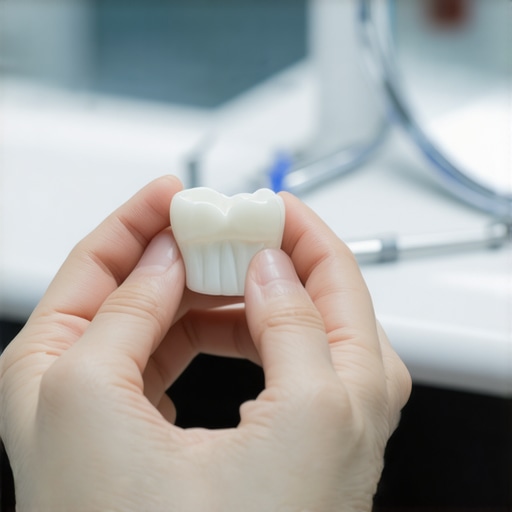
I remember the sinking feeling I had one morning when I realized my dental crown was wobbly after breakfast. It wasn’t just a minor annoyance—it felt like my smile was unreliable, and I worried about what might happen next. Suddenly, I was faced with a tricky situation: How do I handle a loose dental crown myself before I could get to see my dentist? That lightbulb moment made me realize how unprepared I was, and it inspired me to learn the right steps to take in such a moment of dental unexpectedness.
Dealing with a Loose Dental Crown: Why It Matters Today
Having a loose crown isn’t just about aesthetics; it can lead to further dental issues, like decay or infection, if not addressed promptly. When a crown becomes unstable, bacteria can sneak underneath, causing sensitivity, decay, or even damage to the underlying tooth. Plus, a loose crown can be painful or uncomfortable, affecting your ability to eat or speak normally. It’s tempting to ignore it or try to fix it myself, but that can sometimes make the problem worse. According to dental professionals, prompt and proper handling can prevent costly repairs and preserve your natural tooth structure.
If you’re like me, you might be feeling a mixture of anxiety and uncertainty. Trust me, you’re not alone. Many people face this dilemma without knowing the best immediate actions. That’s why I want to share practical, tried-and-true advice—based on personal experience and expert guidance—that will help you navigate this situation safely until you can see your dentist. Do you have a loose crown right now? Keep reading; we’ve got you covered.
Is YouTube Your Go-To Fix? Think Again
Early on, I made the mistake of trying to glue my crown back with superglue—bad idea. It seemed quick and easy, but it led to more problems down the line. A mistake like that can cause permanent damage, making professional repair more complicated. Instead, I learned that knowing what not to do is as important as knowing what to do. Proper care involves gentle handling and temporary measures to protect your tooth, which I’ll explain below. For more detailed tips on caring for crowns, check out Caring for Crowns.
Armed with this knowledge, I was able to manage my situation calmly and effectively. So, if you’re dealing with a similar issue, stay tuned for step-by-step solutions that will ease your worries and prepare you for the next step—seeing your dentist. Remember, taking swift, informed action can make all the difference in preserving your smile and oral health.
Remove Food Debris Carefully
First, gently rinse your mouth with warm water to clear away any loose particles around the crown. Use a soft toothbrush or floss to dislodge trapped food, but avoid tugging hard on the crown itself. I once accidentally pulled my crown off completely while trying to remove stubborn spinach; being gentle saved me from further damage.
Assess the Stability of the Crown
Next, examine whether the crown is still attached or if it’s entirely loose. If it moves slightly, don’t try to force it back in place. Instead, note its position so you can show your dentist later. If it’s completely fallen out, keep it safe in a clean container. I kept mine on a napkin, which was a mistake—I almost lost it at a coffee shop. Store it in a safe, dry place until your appointment.
Protect Your Tooth Temporarily
Protect the exposed tooth surface and prevent sensitivity with a temporary fix. You can apply over-the-counter dental cement, a small amount of sugar-free chewing gum (without sugar), or even a piece of soft wax if available. I used dental wax I found in my first aid kit, which provided quick relief until I could see my dentist. Avoid using superglue or other household adhesives, as they can cause permanent damage and complications.
Why Not Use Superglue?
Superglue seems tempting, especially if you’re in a pinch, but it can severely damage your tooth and complicate professional repairs. It also poses health risks, as household glues are not designed for oral use. Trust me, the mess it created taught me that waiting for a dentist is the safest choice.
Control Discomfort and Prevent Further Damage
To manage pain and sensitivity, take over-the-counter pain relievers like ibuprofen and avoid very hot, cold, or sticky foods. Eating softly and sticking to neutral-temperature foods minimizes discomfort. I learned this firsthand when I ate apples with a loose crown; biting directly caused more pain, so I switched to mashed potatoes and soup that day.
Schedule Your Dental Appointment Promptly
Finally, contact your dentist as soon as possible to get professional care. Explain your situation clearly, including any temporary measures you’ve taken. Your dentist may need to re-cement the crown, replace it, or investigate underlying issues that caused the looseness. Regular check-ups can help prevent these surprises, emphasizing the importance of routine dental care. For tips on maintaining your crowns and prolonging their lifespan, visit this guide.
Many folks believe that brushing vigorously is the key to perfect oral health, but in reality, overbrushing can wear down enamel and irritate gums, leading to sensitivity and recession. This misconception persists because people assume that scrubbing harder equates to cleaner teeth, yet studies show that gentle, thorough brushing is far more effective and protective. Moreover, there’s a common myth that dental neglect only causes cavities; however, neglecting proper hygiene can lead to gum disease, which is even linked to heart health, as highlighted in recent research by the American Heart Association.
Do Oral Health Myths Impact Your Long-Term Smile?
One trap to watch out for is believing that every whitening product is safe. Many over-the-counter strips contain harsh chemicals that can weaken enamel if overused, leading to increased sensitivity. The advanced nuance here is understanding your unique dental chemistry and consulting with your dentist—especially if you have crowns or veneers—before trying DIY whitening solutions. For detailed guidance tailored to your needs, explore expert advice on crowns and cleaning. Another mistake many make involves family dental routines: assuming that kids don’t need as much attention to hygiene as adults. This is false; early habits shape lifelong oral health. Implementing preventive measures and educating children early can prevent cavities, braces issues, and bite problems. Regular professional cleanings, as discussed in teeth cleaning secrets for families, are essential to catch issues before they escalate.
Why Do Many Overlook the Role of Proper Technique in Crowns?
When caring for crowns, many mistakenly think that brushing with a hard-bristled brush won’t affect the restoration. In reality, aggressive brushing can chip porcelain or expose margins, leading to early failure. Using a soft brush and gentle floss threaders preserves the integrity and lifespan of crowns, as emphasized in caring for crowns tips. Remember that understanding these nuances isn’t just about avoiding problems; it’s about optimizing your oral health investments for the long haul.
Have you ever fallen into this trap? Let me know in the comments and share your experiences. The more we talk about these hidden pitfalls, the better we can all protect our smiles!
Keep It Working: Tools I Recommend for Long-Term Dental Success
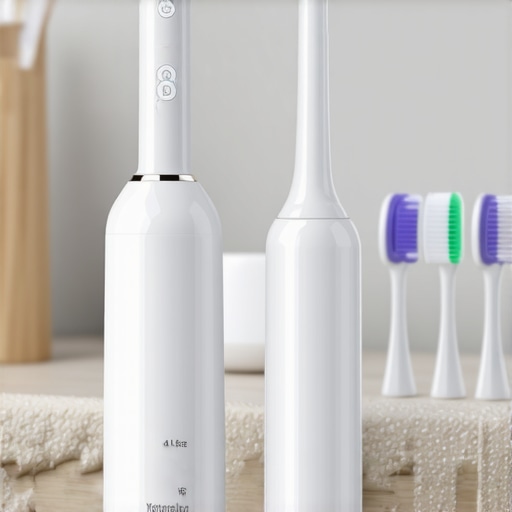
Maintaining your oral health, especially with crowns, fillings, or orthodontic devices, requires more than just good brushing habits. The right tools can make a significant difference in ensuring longevity and functionality.My personal go-to is the electric toothbrush. After trying various models, I settled on the Oral-B iO because of its oscillating-rotating technology, which I find more effective at plaque removal around crowns and hard-to-reach areas. It also has a built-in timer, helping me brush for the recommended two minutes without guesswork, effectively preventing overbrushing that can wear down restorations.
Beyond brushing, flossing tools are crucial. I prefer water flossers over traditional floss; their gentle pulsating streams help dislodge debris from beneath crowns and bridges without causing damage. The Waterpik WP-660 is my choice, thanks to its adjustable pressure settings and specialized tips for an effective yet gentle clean.
For protecting and maintaining crowns, I strongly recommend dental checking and polishing kits. Regular at-home use of polishing gloves or rubber cups, combined with professional cleanings, helps prevent buildup and staining. Additionally, a specialized crown brush enables precise cleaning around margins, reducing the risk of decay underneath.
In the realm of digital tools, my routine includes a dental health app. Using apps that track your brushing and flossing frequency encourages consistency and can alert you to potential issues early. Some even offer reminders to replace worn brushes or check for signs of damage, aligning with the latest in smart health monitoring—an emerging trend in dentistry.
As trends evolve, so does the technology behind oral hygiene. Predictably, AI-powered diagnostics and personalized dental care plans will become mainstream, integrating data from smart devices to optimize results. Staying ahead with these tools ensures that your dental health isn’t just maintained but improved over time.
How do I maintain my tools effectively over time?
Proper maintenance of your dental tools is essential for their longevity and effectiveness. Regularly replace brush heads every three months, clean water flosser tips after each use, and store devices in dry, clean environments. Also, keep your electronic devices updated with the latest firmware to ensure optimal performance and security. Following these practices not only prolongs the life of your tools but also guarantees they perform at their best, providing you with the most effective care possible. For more detailed guidance on maintaining your dental apparatus, see this comprehensive guide.
Remember, investing in quality tools is an investment in your smile’s future. Don’t shy away from trying advanced tips—like integrating AI-driven health tracking—to keep your oral health resilient and your dental restorations functioning perfectly. For expert advice tailored to your unique needs, reach out through our contact page.
What I Wish I Knew Before Facing a Loose Crown
- Never underestimate the value of regular dental check-ups—they can spot potential issues before they become emergencies.
- Keeping a calm mindset and knowing the immediate steps to take can prevent further damage and save you money.
- Using household household glues or DIY fixes can cause more harm than good; trusting your dentist is always best.
- Understanding the importance of gentle handling and temporary protection can make a big difference in preserving your natural tooth.
- My biggest lesson was realizing that preparedness and education empower you to act confidently during dental surprises.
Where I Find Trusted Tools to Boost Oral Health
- Electric toothbrushes like the Oral-B iO deliver superior plaque removal around crowns and are gentle enough to preserve restorations.
- Water flossers such as the Waterpik WP-660 make debris removal easier, especially around crowns and braces, without damaging delicate areas.
- Dental checking and polishing kits help maintain the shine and longevity of crowns and natural teeth at home.
- Smart dental apps track your habits and alert you to potential issues, ensuring consistent and effective care.
Keep Your Smiles Bright and Strong: Your Turn to Make a Change
Remember, your oral health is a foundation for your overall well-being. Embracing the right knowledge and tools today can secure a healthier, more confident smile tomorrow. Don’t wait for dental emergencies to take action—start implementing these practices now and consider scheduling a routine check-up to stay ahead of potential issues. Your future self will thank you for it.
Have you ever faced a dental emergency or struggled with maintaining your crowns? Share your experiences below—your story might help someone else navigate their dental journey with confidence.
,