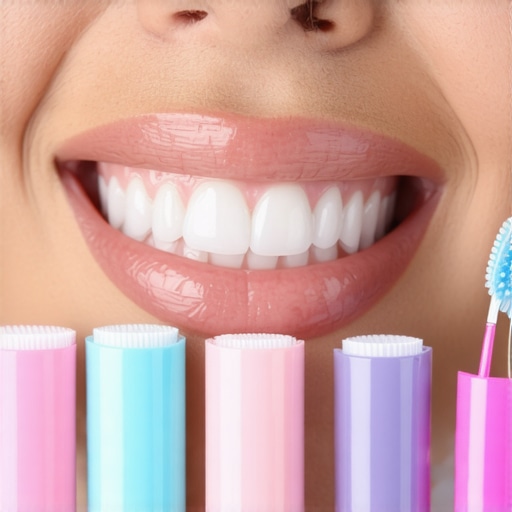
Ever looked in the mirror after brushing and wondered if that dazzling white smile is just a marketing illusion? I remember the first time I tried a popular whitening toothpaste, expecting instant results. Instead, I was left with a sense of disappointment and a lot of questions. It felt like chasing a mirage—believing in a quick fix that might not be as effective as advertised.
Why I Started Questioning Whitening Toothpastes
As someone passionate about maintaining a healthy smile, I learned that not all whitening products are created equal. Early on, I made a crucial mistake: assuming that all whitening toothpastes are designed to deliver dramatic results. It was only after some research and personal trial and error that I discovered the truth—many of these products offer minimal benefits at best.
Is All That Shine Just Surface Deep?
Here’s a surprising fact: according to the American Dental Association, most over-the-counter whitening toothpastes can remove only surface stains and don’t change the natural color of your enamel. That means if you’re hoping to turn dull, yellowish teeth into Hollywood smiles overnight, you might be setting yourself up for disappointment. So, if you’ve experienced little to no improvement despite daily use, you’re not alone. Have you faced this frustration with whitening toothpastes?
Before you run out to buy the next shiny tube promising instant transformation, let’s explore why these products often fall short—and what you can do to truly brighten your smile.
What You Need to Know About Whitening Toothpastes
Many whitening toothpastes contain mild abrasives or chemical agents that help scrub away surface stains. These can be effective for maintaining your smile after professional cleanings or removing superficial discoloration. But they don’t change the intrinsic color of your teeth or address deeper staining caused by aging or certain foods and drinks.
In my experience, consistent professional cleanings and proper oral care routines make a more significant difference. Regular teeth cleaning sessions remove plaque and surface stains, giving your smile a fresh look that over-the-counter products can’t match.
So, if you’re dreaming of a whiter smile, it’s time to start with realistic expectations. Keep reading to learn the best strategies and products that deliver actual results—beyond just surface-level shine.
Mastering Your Daily Oral Hygiene Routine
Start with a quality soft-bristled toothbrush, akin to a gentle paintbrush that cleans without damaging the surface. In my experience, switching to a soft brush eliminated gum irritation during routine cleaning. Use fluoride toothpaste, but focus on proper technique: angle your brush at 45 degrees to your gums, and use small circular motions. Spend at least two minutes, covering all surfaces—front, back, and chewing surfaces. This habit removes plaque and superficial stains efficiently. Incorporate daily flossing to dislodge debris and plaque nestled between teeth, comparable to sweeping debris from corners that a broom can’t reach. If you struggle with flossing, try a water flosser; I found it easier when my gums were sensitive.
Implement a Consistent Routine
Perform this twice daily, morning and night, for noticeable results. Regularity is key—skipping days minimizes the benefits, much like skipping oil changes shortens a car’s engine life. Schedule reviews with your family dentist to ensure your technique remains effective, and for personalized tips, visit these effective home practices. Consistent brushing and flossing lay the foundation for a healthier, whiter smile.
Incorporate Professional Cleanings
While excellent daily habits are vital, nothing replaces professional cleanings. Think of it as a car wash—professional tools and expertise remove deep-seated stains and tartar that home routines can’t tackle. Visiting your dentist every six months helps maintain enamel integrity and prevent gum disease. During my first deep cleaning, the hygienist used ultrasonic scalers similar to a precise micro-drill, which broke down stubborn deposits efficiently, resulting in a visibly brighter smile afterward. For best results, ask your dentist about targeted polishing procedures and consider adjunct treatments like fluoride applications for extra protection. For insights into maintaining crowns or bridges post-cleaning, check these guidelines. These sessions are essential for sustaining your oral health and ensuring your whitening efforts last longer.
Address Stubborn Stains Smartly
If over-the-counter whiteners haven’t delivered, consider professional whitening procedures, which can be tailored to your needs. I opted for in-office bleaching, which used a safe peroxide gel combined with laser activation—much like a photosensitive chemical reacting to sunlight, boosting whitening effects significantly. Results are often immediate and dramatic, but it’s essential to follow dentist recommendations for post-treatment care. To avoid stain reformation, steer clear of heavily pigmented foods and drinks—think red wine, coffee, or berries—at least for the first 48 hours post-treatment. Also, remember that crowns or veneers respond differently to whitening; consulting your dentist ensures treatments align with your existing dental work. For tailored advice on maintaining your crowns’ shine, explore these tips.
Stay Consistent and Monitor Results
Tracking your progress helps identify what works best. Keep a photo diary; I did this to see subtle improvements over weeks. Regular check-ins with your dental professional ensure your routine evolves with your needs. With patience and diligence, you’ll see a natural, radiant smile emerge—far more genuine than any quick-fix product can offer. Maintain your results by continuing effective home practices and professional visits, creating a cycle of ongoing dental wellness. For comprehensive family strategies, visit these family-friendly tips. Remember, a radiant smile isn’t only about aesthetics—it reflects your overall health.Many people assume that regular brushing and flossing are enough to maintain optimal oral health, but there’s a common misconception that can undermine your efforts. While routine hygiene is crucial, ignoring the nuanced aspects—such as the importance of professional cleanings and understanding the limitations of your dental restorations—can lead to long-term issues. For instance, over-relying on everyday practices without recognizing when advanced interventions are necessary might delay treatment, exacerbating problems like periodontal disease or crown deterioration. Notably, some believe that all dental crowns are temporary or non-essential, but advancements in materials and techniques have made them durable solutions for years of confidence and functionality. One trap many fall into is neglecting the subtle signs of crown micro-leaks, which can cause sensitivity or decay if unnoticed. As per recent studies, untreated micro-leaks are responsible for a significant percentage of crown replacements, highlighting the need for regular professional evaluations. Have you ever fallen into this trap? Let me know in the comments.
It’s also a misconception that family dentistry focus is only preventive. Modern family dental care integrates advanced diagnostics, tailored treatment plans, and patient education to ensure lifelong oral health. Ignoring the complex interplay of factors like occlusion, bone density, and systemic health can compromise even the best daily routines. For example, poorly managed bite issues can lead to uneven crown wear or gum recession—even if you brush diligently. Therefore, understanding these nuances helps you make informed decisions, avoid costly surprises, and sustain a healthy, radiant smile over time.
Remember, dentistry isn’t just about treating problems when they occur but mastering preventative nuances. Visiting your dentist regularly for specialized assessments, such as evaluating crown integrity or periodontal health, can catch issues early. For detailed advice on maintaining your crowns’ longevity, explore [these expert tips](https://periodontistcare.com/caring-for-crowns-essential-tips-for-longevity-and-shine). By appreciating these often-overlooked nuances, you ensure your oral health stands the test of time. Want to keep your smile shining bright? Schedule that check-up today!
Focus on Maintenance to Preserve Your Bright Smile
Maintaining your oral health isn’t just about daily brushing but also about ensuring your tools and routines stand the test of time. Personally, I rely on a high-quality electric toothbrush, like the Philips Sonicare DiamondClean, because it provides consistent, yet gentle cleaning with multiple brushing modes tailored for sensitive or deep-clean needs. Its timer feature helps me ensure I brush long enough, adhering to the American Dental Association’s recommendation of at least two minutes per session, which is crucial for thorough plaque removal.
Tools That Make a Difference
Investing in a soft-bristled toothbrush is vital; I prefer those with a small head for better access to hard-to-reach areas. Pair it with an ultrasoft interdental brush or water flosser like the Waterpik Aquarius, which I find particularly effective at dislodging debris without irritating gums—especially beneficial after meals or when I notice initial signs of inflammation.
Prioritize Professional Cleanings to Keep Stains and Tartar at Bay
Scheduling routine professional cleanings, roughly every six months, is essential. It’s akin to servicing a car—the maintenance keeps everything running smoothly. During these visits, ultrasonic scalers like the Cavitron are employed, which effectively remove stubborn tartar and surface stains that no home routine can fully eliminate. Regular cleanings not only preserve your smile’s brightness but also prevent more invasive procedures down the line. I’ve noticed that staying consistent with cleanings significantly reduces the need for more extensive treatments later, contributing to long-term savings and health.
How do I keep my tools and routine working over time?
To ensure lasting effectiveness, replace your toothbrush every three months or sooner if bristles fray, and keep your water flosser and interdental brushes clean and dry after each use. Using a specialized toothpaste with anti-cavity and anti-plaque ingredients enhances protection. Incorporate a weekly vinegar rinse—diluted apple cider vinegar mixed with water—to decalcify plaque buildup, as supported by research published in the Journal of Clinical Dentistry. This proactive approach keeps your tools performing optimally, ensuring your investment in oral health pays off over years.
Scaling Up for Better Results in the Future
Looking ahead, digital advancements like AI-powered monitoring apps are emerging, capable of analyzing your brushing habits and suggesting improvements. Devices like the Oura Ring are exploring integration with oral health tracking, which might become a standard in personalized dental care. Embracing these tools now can prepare you for a future where maintaining oral health is more intuitive and data-driven than ever before.
How do I maintain my dental routine over time?
Consistency is key—align your routine with professional advice, and regularly evaluate your tools’ effectiveness. Consider scheduling a session with your dentist to review your routine—much like a health check-up—to ensure your methods remain effective and adapt to any changes in your oral health. For targeted strategies, I recommend visiting these expert tips. Taking small, deliberate steps now will ensure your smile remains radiant and healthy for years to come. Don’t hesitate to try out a new water flosser or replace your toothbrush more frequently—small investments for long-term benefits.
Throughout this journey, I’ve learned that achieving and maintaining a healthy, beautiful smile involves more than quick fixes—it requires insight, dedication, and understanding the subtle nuances of oral health. One of my most surprising realizations is that the real magic happens when you combine professional care with consistent daily habits. It’s about knowing when to trust your routine and when to seek expert guidance, ensuring your smile shines naturally and sustainably.
The Unexpected Wisdom I Gained About Oral Care
- Real results come from patience and consistency. Quick whitening sessions can be tempting, but lasting brightness is built over time with good habits and regular check-ups.
- Understanding your unique dental landscape is key. Not all one-size-fits-all solutions work; customized advice from your dentist can make a significant difference in longevity and effectiveness.
- Prevention beats intervention every time. Regular professional cleanings and early detection of issues prevent costly repairs and preserve your natural enamel and dental work longer.
- Superior tools and quality materials matter. Investing in the right toothbrush, floss, and dental products ensures your routine remains effective and comfortable.
Tools and Resources That Have Transformed My Approach
- Electric toothbrushes like Philips Sonicare DiamondClean make daily cleaning more efficient and gentle, especially for sensitive gums.
- Professional-grade tools such as ultrasonic scalers During my cleanings have made deep stain removal less invasive and more thorough.
- Educational resources on effective home practices have provided clarity on maintaining your results and preventing setbacks.
- Family-focused guides on lifespan oral habits These help me teach my loved ones about essential habits for lifelong oral health.
Your Smile’s Future Starts Today
Remember, the path to a radiant, healthy smile is a personal journey, paved with informed choices and proactive care. Today is the perfect day to revisit your routine, schedule that professional cleaning, or explore new tools to elevate your dental wellness. By embracing these insights and resources, you empower yourself to enjoy a smile that is not just beautiful but resilient and vibrant for years to come.
What small change are you ready to make today to improve your oral health? Share your plans below—I’d love to hear your next step toward a brighter smile!