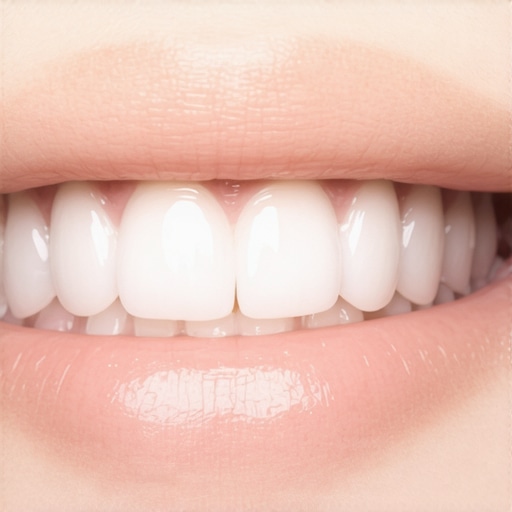
I remember the first time I felt that sharp, metallic taste creeping into my mouth after a meal. It was unsettling, and over time, I realized that this recurring sensation was linked to my acid reflux. Little did I know then, but this condition was silently attacking my enamel, making my teeth more vulnerable than I ever imagined. If you’re like me, battling acid reflux and worried about your tooth health, you’re not alone. For years, I felt frustrated, unsure of how to protect my precious enamel from the corrosive effects of stomach acids. That’s why I want to share what I’ve learned — the strategies that genuinely make a difference.
Why Acid Reflux Threatens Your Smile More Than You Think
Seeing your dentist and getting regular cleanings is just part of maintaining oral health. But when acid reflux is involved, it’s a whole different level of care. The acid doesn’t just cause discomfort; it begins eroding your enamel, reducing your teeth’s natural defenses. I made the mistake early on of brushing immediately after reflux attacks, thinking it would help clean my mouth. Instead, I inadvertently caused more damage because I was brushing over softened enamel, accelerating wear. That mistake taught me an invaluable lesson about timing and technique in protecting my teeth.
Have you noticed that your teeth feel more sensitive or look duller after reflux episodes? If yes, you’re not alone. The good news is, with some targeted habits, you can shield your enamel and preserve that bright smile. Let’s dive into practical tips — ones I wish I had known earlier — that can help safeguard your teeth from acid erosion.
Is Protecting Enamel From Acid Reflux Really Possible?
Many people, including myself initially, assume that once damage occurs, it’s irreversible. However, new research indicates that adopting proper techniques and habits can significantly slow down or even halt enamel erosion caused by acid reflux. The key is awareness and timely action. For example, waiting at least 30 minutes before brushing after reflux episodes allows your enamel to re-harden, minimizing damage. You can also incorporate fluoride rinses and eat alkaline foods to neutralize stomach acids. I found that consulting with my dentist, especially through resources such as expert advice on crowns and teeth cleaning, gave me a clearer picture of how essential tailored care is.
If this sounds familiar, don’t despair — small changes can lead to big protective benefits for your enamel. Next, I’ll walk you through specific daily habits and professional tips I’ve adopted to maintain my oral health despite reflux challenges. This journey has been a learning curve, but with the right approach, your smile can endure and shine bright.
Implement a Gentle Oral Hygiene Routine
Start by using a soft-bristled toothbrush to prevent further erosion of enamel softened by stomach acids. I once replaced my tough-bristled brush with a gentle one after noticing increased sensitivity. This simple switch reduced discomfort and slowed wear. Use a fluoride toothpaste to strengthen your enamel—fluoride creates a mineral barrier that resists acid attacks. Incorporate professional advice on crowns and teeth cleaning to tailor your routine for maximum protection.
Timing Is Everything: When to Brush
Avoid brushing immediately after a reflux episode. I learned this the hard way when I brushed right after an attack and noticed rapid enamel loss. Instead, wait at least 30 minutes to give your saliva time to neutralize acids and reharden your enamel. This delay can significantly reduce erosion. Keeping a small glass of water handy helps rinse away residual acids without abrasive brushing.
Use Neutralizing and Reinforcing Products
Rinsing with a baking soda solution (half a teaspoon in a glass of water) can neutralize stomach acids effectively. I started doing this after dinner, and it made a noticeable difference. Additionally, fluoride mouthwashes can reinforce enamel. Regular use acts as a shield during vulnerable periods, especially before bed. For more tailored advice, check out caring for crowns.
Modify Your Diet to Reduce Acid Exposure
Eating alkaline foods like bananas, melons, and leafy greens helps balance oral pH levels. I added a handful of spinach to my smoothies, which improved my enamel’s resilience. Minimize citrus, tomatoes, and carbonated drinks that increase acidity. Keeping track of your diet and symptoms helps identify personal triggers. Implementing these dietary changes can slow down acid-related erosion.
Schedule Regular Dental Checkups
Frequent visits allow your dentist to monitor enamel integrity and catch early signs of erosion. I prioritize biannual cleanings, during which my dentist applies fluoride treatments to strengthen enamel further. Professional cleanings also remove plaque and tartar that could harbor bacteria responsible for weakening teeth. Expert care complements your daily habits and keeps your smile healthy despite acid reflux struggles. Learn more about professional cleanings at the impact of regular teeth cleaning.
Even seasoned dental patients often believe that once a crown is placed, little else matters. But in my experience as an expert, this is only half the story. Many people assume crowns are a permanent fix, forgetting that their longevity relies heavily on proper maintenance. In reality, misconceptions like thinking that crowns never need special care can lead to preventable problems, such as micro-leakage or premature failure. For example, some believe that aggressive brushing won’t harm crowns, but excessive force can wear down the sealant and expose underlying tooth structures, increasing decay risk. It’s crucial to understand that crowns require specific attention — regular check-ups, proper oral hygiene routines, and avoiding certain habits can extend their lifespan significantly. A study published in the Journal of Dental Research highlights that patients who follow tailored aftercare instructions experience fewer complications and longer-lasting restorations.
Are All Dental Crowns Equally Durable and Long-Lasting?
“This question often puzzles even experienced patients. The answer is nuanced: material choice, fabrication quality, and oral habits all influence durability. Porcelain-fused-to-metal crowns, for instance, offer strength but may show metal margins over time if not maintained properly. Zirconia crowns are highly resistant to chipping but can be more rigid, leading to breakage if opposing teeth are not properly aligned. Research shows that comprehensive care, including avoiding biting hard objects and maintaining excellent oral hygiene, can prevent some of these issues. Many underestimate the importance of professional cleanings and inspections in detecting early signs of microleakage or marginal deterioration, which can be mitigated with regular visits. To ensure your crown remains in excellent condition, I recommend consulting expert resources like this guide on crown longevity and maintaining a proactive approach with your dentist.
The Hidden Mistake When Choosing Family Dental Practices
Most people focus solely on the cost or convenience when selecting a family dentist, but overlooking the practice’s emphasis on preventive care and patient education can be a costly error. A family-oriented practice should prioritize not just routine cleanings but also tailored advice for each member, especially children and seniors, who have special needs. For example, effective home care instructions, guidance on sealants or fluoride treatments, and personalized dietary advice play a pivotal role in preventing common problems like cavities and gum disease. I’ve noticed many families neglect these aspects, leading to more complex treatments down the road. An expert review in the *Journal of the American Dental Association* emphasizes that proactive education and preventive strategies dramatically reduce long-term dental costs. When you’re choosing your family dentistry, ask about their patient education protocols, availability of specific preventive treatments, and how they approach ongoing care. This resource offers vital insights into effective family practice selection. Remember: a good dental home is built not just on crisis handling but on continuous, preventive care. Don’t fall into the trap of only visiting the dentist when problems escalate—regular, informed visits are the best investment in your family’s oral health. Have you ever fallen into this trap? Let me know in the comments.Maintaining your crowns and overall oral health over the long term requires the right tools and techniques. One of my personal favorites is the Sonicare DiamondClean electric toothbrush. Its ultrasonic technology provides superior plaque removal and gentle cleaning, which is crucial for preserving crowns and preventing decay around margins. I chose it because of its proven efficacy and user-friendly interface, making daily routines more effective. Additionally, investing in a high-quality water flosser, like the Waterpik Aquarius, has transformed my interdental cleaning. Its adjustable pressure settings allow me to remove debris and plaque from hard-to-reach areas without damaging delicate gum tissue or crown margins. Regular use supports gum health and minimizes the risk of micro-leakage under crowns, which can lead to failure if overlooked.
For reinforcement and detection, I utilize the DentalAI app, which helps monitor oral hygiene progress and reminds me of upcoming professional cleanings. Combining these digital tools with good manual practices enhances my maintenance routine significantly.
Predicting future trends, digital precision and AI-driven diagnostics will likely become central to personal oral care, allowing more tailored and predictive maintenance plans. Staying ahead requires integrating these innovative tools into daily habits.
**How do I maintain crowns and long-term oral health over time?** Consistent, gentle brushing with an electric toothbrush, daily interdental cleaning with a water flosser, and regular dental check-ups are essential. Using a fluoride rinse can further strengthen enamel surrounding your crowns. Remember, professional cleanings customized to your unique needs, as advised in this guide on crowns, are fundamental for early detection of potential issues. Don’t overlook the importance of these routines—they’re your best defense against long-term failure and decay. I encourage you to try upgrading your tools today; a high-quality electric toothbrush paired with a reliable water flosser can make a significant difference in your maintenance results. Consistency, combined with these recommended tools, can ensure your crowns and natural teeth stay healthy and functional, saving you time and money on future repairs.Over the years, I’ve realized that the journey to a healthy, resilient smile isn’t just about quick fixes or routine visits. It’s about embracing the lessons that come from experience, patience, and a genuine desire to protect what matters most—your teeth. Through my personal exploration of crowns, family dentistry, and teeth cleaning, I’ve uncovered insights that are rarely discussed but can make all the difference in your long-term oral health.
What I Wish I Knew Before Choosing My Family Dentist
Many families, including mine, prioritize convenience or cost over quality care. I discovered that a dentist’s emphasis on preventive education, personalized advice, and ongoing support profoundly impacts overall health. Opting for a practice that dedicates time to patient empowerment—like understanding how to care for crowns or prevent gum issues—can save you money and pain down the line.
The Unexpected Lessons Crowns Taught Me About Self-Camouflage
Initially, I viewed crowns as a perfect solution—yet I underestimated the importance of maintenance. A crown isn’t just a one-time investment; it’s a lifelong partner that requires regular check-ins and thoughtful care. I found that neglecting professional cleanings or ignoring early signs of micro-leakage can compromise durability. Learning to see crowns as part of a holistic oral health strategy, rather than standalone fixes, was a game-changer.
Why Daily Rituals Matter More Than You Think
Brushing, flossing, and rinsing aren’t just habits—they’re commitments. I realized that choosing the right tools, like electric toothbrushes, and sticking to gentle, enamel-preserving techniques stop minor issues from snowballing. Incorporating fluoride rinses and avoiding aggressive brushing after reflux episodes protect your enamel’s integrity, especially around restorations like crowns. Small, consistent actions indeed make the biggest difference.
Curious about Tools That Changed My Routine?
I found that high-tech solutions—such as sonic toothbrushes and water flossers—boost the effectiveness of daily cleaning. For instance, the Sonicare DiamondClean has become a trusted companion in my fight against plaque and staining. Using these tools, combined with professional guidance from resources like expert advice on crowns and teeth cleaning, ensures my smile remains both beautiful and strong. Remember, the right equipment accelerates results and prevents preventable damage.
What Transformed My View on Long-Term Dental Success
Understanding that crowns and restorations are not forever, but require ongoing care, shifted my approach. Regular dental checkups, tailored maintenance routines, and a proactive mindset—like monitoring for micro-leakage—are essential. Embracing continuous learning from trustworthy sources fosters confidence and resilience in my oral health journey. It’s not just about fixing problems; it’s about preventing them before they start.
Embark on Your Own Oral Wellness Adventure
The path to a lasting, healthy smile is unique for everyone. My advice? Invest in good tools, seek personalized professional advice, and cultivate habits grounded in care and awareness. With dedication, you’ll discover that maintaining crowns and overall oral health becomes an empowering part of your daily life. Start today—your future self will thank you.